
Best Bipolar Disorder and Addiction Treatment in Guwahati
Athena Behavioral Health offers integrated bipolar disorder and addiction treatment in Guwahati, treating both as one connected condition from the very first session.
- Combined psychiatric evaluation
- Detox managed by the same treating team
- Mood stabilisation continues throughout, not after
- One clinical team for both diagnoses
- Private, non-judgmental care
- Aftercare for both relapse and mood recurrence
Book Your Appointment

Bipolar Disorder and Addiction Treatment in Guwahati: When One Condition Keeps Feeding the Other
Bipolar disorder and substance use rarely stay separate for long once they appear together. A manic phase can make substance use feel exciting rather than risky, while a depressive phase can turn it into the only thing that dulls the exhaustion of simply getting through the day. Left unaddressed, this becomes a cycle where each condition keeps the other alive, making it genuinely hard to tell, without proper evaluation, which symptoms belong to the mood disorder and which belong to the addiction.
At Athena Behavioral Health, treatment for bipolar disorder and addiction in Guwahati starts with one combined psychiatric evaluation rather than two disconnected ones, covering mood episode history, substance use patterns, and any withdrawal or safety risk before any decisions are made. Where physical dependence exists, this evaluation also shapes what level of medical supervision detox will need. Many families tell us they'd spent years managing this through separate providers who never once coordinated with each other.
"If someone is going through acute withdrawal, showing signs of a manic episode involving risky behaviour, or expressing suicidal intent, this needs urgent attention. Contact your local emergency number or the nearest hospital right away. Safety comes before anything else."
Meet Our Psychiatrists for Bipolar Disorder and Addiction Treatment in Guwahati

Prof. (Dr.) Nimesh G. Desai

Dr. Sushil Agarwalla

Dr. Sahil Agarwal
How Care Is Structured at Our Guwahati Centre
A Single Evaluation Covers the Full Picture
Mood history, substance use severity, and withdrawal risk are assessed together in one process, so treatment reflects the complete case rather than two separate diagnoses stitched together later.
Detox Happens Before Anything Else, When It's Needed
If physical dependence is present, supervised medical detoxification stabilises the body first, before any mood-focused work begins.
Mood Treatment Doesn't Pause While Addiction Is Addressed
Mood stabilising medication is introduced and monitored right alongside addiction treatment, rather than being held back until sobriety is considered "settled."
Sessions Focus on the Pattern, Not Just Each Piece
Individual and group Psychotherapy & Counselling sessions work specifically on how mood shifts and substance use trigger each other, so patients start recognising the pattern as it happens.
A Structured Option Between Weekly Visits and Full Admission
Our Day Care Programme gives patients who need closer supervision several structured hours at the centre daily, without requiring residential stay.
Physical Stability Supports Mental Stability
Mindfulness, Yoga & Wellness sessions help manage the physical symptoms tied to both mood episodes and cravings, offering something patients can lean on between sessions.
Clinical Excellence
Why Two Separate Specialists Rarely Get This Right
Managing bipolar disorder and addiction well takes more than placing a psychiatrist and an addiction counsellor under the same roof. Our clinical team is trained specifically in dual diagnosis care, where mood stabilisation and substance use treatment are planned as one ongoing process rather than two tracks that only occasionally intersect. This integrated approach gives patients a far better chance of lasting stability.

Most families who reach out for treatment for bipolar disorder and addiction in Guwahati have already tried a rehab programme, a psychiatrist, or both, without either approach fully working. Recognizing how closely mood episodes and substance use feed each other is where effective treatment begins, and it is why one coordinated plan succeeds where separate efforts often fall short.
Every case differs depending on which condition tends to drive the other. Someone whose substance use spikes mainly during high-energy phases needs a different focus than someone using substances to blunt depressive lows. Working professionals managing this can draw on our Executive & High-Performance Care and Corporate Wellness & EAP programmes, while younger patients are supported through Child & Adolescent Psychiatry.
The same clinical team stays involved from first assessment through years of ongoing care, so nothing about the case needs to be explained again to someone new later on. This continuity builds trust, keeps care consistent, and helps patients stay engaged and committed to recovery, especially during the difficult stretches when old patterns try to return.
Modern Lifetime Challenges
Why This Combination Slips Through in Guwahati
A tendency to read a burst of energy and confidence as simply a good phase rather than a warning sign, low, withdrawn periods being written off as tiredness, and lingering stigma around admitting to substance use that's often stronger than the stigma around a mood diagnosis, all make this dual diagnosis easy to miss for years. It's frequently treated as either an addiction issue or a mood disorder on its own, with the other half left unaddressed. Over time, the person and the people around them can be left confused by cycles of high energy, sudden crashes, and worsening substance use, without ever seeing that these patterns are connected.
There's a real difference in how this plays out compared to either condition alone. Knowing where that line falls matters because the two situations need very different treatment, and the right diagnosis is what makes effective care possible. An accurate assessment also helps families replace blame and confusion with understanding and practical support. A thorough evaluation at a trusted mental hospital in Guwahati looks at mood patterns, substance use history, and triggers together, so the plan treats both conditions at the same time rather than leaving either one unaddressed.
Addiction without an underlying mood disorder: Substance use tends to follow fairly steady patterns and generally responds well to standard addiction treatment by itself. Mood stays within a relatively steady range, and progress usually holds without needing a separate plan for mood stabilisation.
Addiction layered on bipolar disorder: Substance use rises and falls sharply alongside mood episodes, so addiction-only treatment often works briefly, then breaks down the next time a manic or depressive phase returns. Over time, sleep, judgment, finances, and relationships suffer, and lasting recovery depends on treating both conditions together rather than one at a time.

What Families See at Home vs What It Often Actually Signals
Loved ones usually notice something is off long before they think to connect it to a dual diagnosis. This table shows how ordinary, everyday observations at home often map onto the underlying pattern, based on what our clinical team commonly finds during the combined evaluation.
| What Families Notice at Home | What It Can Actually Signal | Why This Distinction Matters |
| Sudden burst of energy, taking on extra projects, sleeping very little | A possible manic or hypomanic episode, where reduced need for sleep and impulsivity are core symptoms, not just enthusiasm | Substance use often rises quietly alongside this energy, and goes unnoticed because the mood itself is read as positive |
| Drinking more than usual during an otherwise "good" stretch | Substance use tracking a manic phase, where impulsivity makes risk feel minimal | Left unaddressed, this pattern tends to repeat with every high-energy phase going forward |
| Withdrawing, sleeping too much, low motivation for weeks | A depressive episode, particularly when it lasts most of the day for two weeks or more | Substance use during this phase is often used to numb the low, and gets missed because withdrawal looks passive, not alarming |
| Skipping prescribed medication or denying a diagnosis | Non-compliance driven by denial, substance interactions, or the mood lifting temporarily | Stopping medication is one of the strongest predictors of both a mood relapse and a return to substance use |
| A successful stretch of sobriety followed by sudden relapse | An unaddressed or emerging mood episode, rather than a standalone lapse in willpower | Treating this as only a sobriety issue misses the mood trigger, and the pattern tends to repeat without integrated care |
Signs That Often Get Brushed Off as Ordinary Ups and Downs
Because both conditions can resemble everyday stress on the surface, this combination often goes unaddressed far longer than it should.
Substance Use That Tracks Mood Closely
Noticeably more drinking or drug use during high-energy stretches or low periods, rather than a steady, consistent pattern.
A History of Rehab That Worked, Then Didn't
Completing addiction treatment successfully before, only to relapse once a mood episode resurfaces later.
Risky Choices During Unusually Good Phases
Overspending, substance binges, or impulsive decisions made specifically during stretches of high energy or confidence.
Turning to Substances to Escape a Low
Using alcohol or drugs specifically to get through a heaviness or numbness that otherwise feels unbearable.
Reduced Sleep Followed by Increased Substance Use
A drop in the need for sleep during high-energy phases, often followed by more substance use to manage the resulting restlessness.
Suicidal Thoughts During Depressive or Mixed Phases
In more serious situations, this calls for immediate clinical attention and a structured safety plan.
Not Sure If This Is You? Talk to a Specialist
Confidential Support, available 24×7
ABOUT THERAPY AT ATHENA
How Treatment Progresses, Step by Step
Step One, Understanding Both Conditions as One Case
A single assessment covers mood history, substance use patterns, and safety or withdrawal concerns, forming one combined plan rather than two separate ones.
Step Two, Stabilising the Body
Where dependence exists, supervised detoxification manages withdrawal safely before deeper mood-focused work begins.
Step Three, Treating the Cycle Directly
Mood stabilisation continues alongside structured Psychotherapy & Counselling aimed specifically at how each condition sets off the other, through individual and group sessions.
Step Four, Catching Warning Signs Early
As stability builds, sessions shift toward helping patients notice the earliest signs of a mood shift or relapse risk, before either takes hold. Patients continue with reduced-frequency sessions aimed at maintaining both mood stability and sobriety, backed by an aftercare plan covering both.
Why Choose Us
What Makes Integrated Care Different Here

Every patient is looked after by a psychiatrist and clinical psychologist working from one shared case history, not an addiction counsellor managing half the picture while mood symptoms get referred out. This matters, since treating either condition alone tends to produce short-lived improvement that doesn't hold, while genuinely integrated care builds something more lasting. Working from one shared picture also means the patient never receives conflicting advice about what to focus on first.
This isn't reactive care built around whichever issue is loudest in a given week. It's a structured path that moves from safety and detox, through combined treatment of both conditions, into long-term maintenance of each. Families are brought into this early, since knowing the difference between a mood warning sign and a relapse warning sign matters as much at home as it does in therapy. Progress is reviewed regularly so the plan keeps pace with how the patient is actually responding.
For patients needing more structure than occasional therapy but not full residential care, our Day Care Programme offers a practical middle ground, several supervised hours each day while the person continues living at home. It provides steady support and accountability during the most vulnerable early weeks, without pulling the person away from family routines or work.
How We Help
From Reaching Out to Long-Term Stability
Asking for help when two conditions are this intertwined can feel more overwhelming than asking for help with either alone. Here's what happens once you take that step.
Call our helpline or message us on WhatsApp, and your first appointment will be confirmed the same day.
A psychiatrist carries out one assessment covering mood history, substance use, and any safety or withdrawal risk, available in person or through a private video consultation.
Detoxification where needed, ongoing mood stabilisation, integrated Psychotherapy & Counselling, and our Day Care Programme where appropriate, are combined based on what the specific case requires.
Our Relapse Prevention & Aftercare programme continues with reduced frequency well past initial stabilisation, since managing this combination well takes ongoing attention, not a single round of treatment.
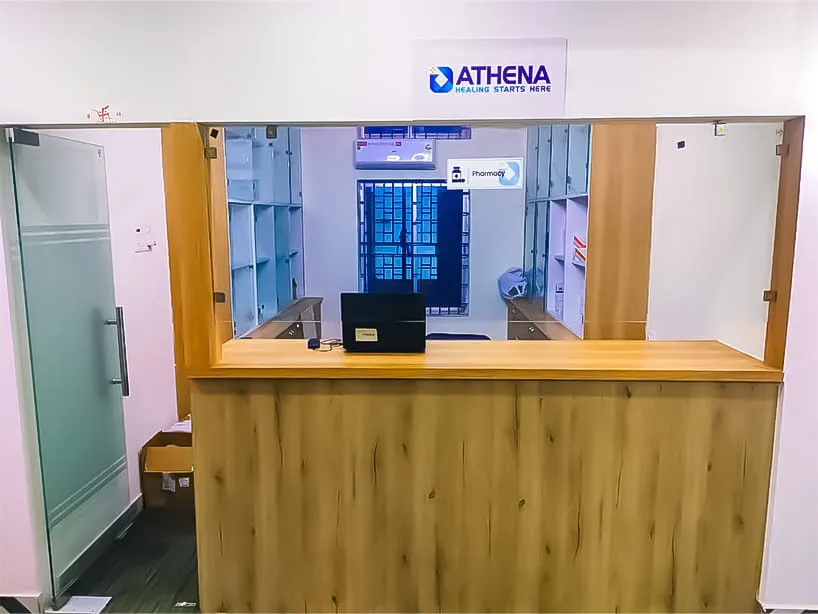
Take a Look Inside Our Guwahati Facility







Conditions We Treat















.png)






WHAT OUR PATIENTS SAY
Frequently Asked Questions
It varies from person to person. Bipolar disorder is a biological mood condition, and substance use often develops as a response to it, whether that's chasing a manic high or numbing a depressive low. Over time, the two reinforce each other regardless of which came first.
Only if physical dependence is present. In that case, medically supervised detox comes first to stabilise the body safely before mood-focused treatment and psychotherapy start.
If the mood disorder underlying the addiction isn't identified and treated, substance use tends to return once another mood episode occurs. Treating both together significantly lowers this risk.
Yes. With sustained, integrated treatment, many people achieve stable mood management alongside lasting sobriety. It takes ongoing attention, similar to any chronic condition, but a stable, functional life is a realistic outcome.
It depends on the severity of each condition, but many patients see meaningful stabilisation within the first few months, with longer-term maintenance continuing beyond that.
Careful timing matters here, since substances can mimic or mask genuine mood symptoms. Our team often reassesses mood patterns once withdrawal has settled, to get a clearer picture of the person's actual baseline.
Often, yes. Mood stabilisers manage bipolar symptoms, and additional support may be needed during withdrawal or for co-occurring symptoms, all coordinated by one clinical team.
No. Bipolar disorder has a biological basis, and substance use often develops as a way of coping with it. It isn't the result of upbringing, and self-blame doesn't move recovery forward.
No, only when withdrawal, a severe mood episode, or safety risk makes it necessary. Most dual diagnosis treatment happens through outpatient care or our Day Care Programme.
The clinical team reviews mood episode history, substance use patterns, withdrawal risk, and safety concerns, using the complete picture to build a single treatment plan that addresses both conditions as connected from day one.
How to reach Athena - Guwahati
Athena Behavioral Health, Guwahati
Athena Behavioral Health, Guwahati, Assam
Landmark: Guwahati
- Guwahati City
- Northeast India region
Contact us: +919289086193
Speak to Our Care Team - 24×7 Confidential Support
Confidential help is just a call or chat away. Our team is ready to listen - without judgment, without pressure.
