
Women Social Media Addiction Treatment in Gurgaon
Athena OKAS provides women social media addiction treatment in Gurgaon for exactly this, built around the specific pressures, comparisons, and expectations that shape how this shows up in women's lives differently.
- Confidential assessment within 24 hours
- Digital detox is built around real life
- One-on-one CBT for compulsive use
- Family involved only when the patient is ready
- Women-only private consultation rooms
- Aftercare check-ins post-discharge
Book Your Appointment

Women Social Media Addiction Treatment in Gurgaon: You Don't Need a Clean Explanation to Reach Out
Women social media addiction in Gurgaon often looks less dramatic than people assume, and it can hide in plain sight for a long time. It shows up as checking Instagram the moment you wake up, before you've even spoken to anyone. It looks like comparing your body, your home, your marriage, or your career to a curated version of someone else's life, several times a day, without meaning to.
At Athena OKAS, women social media addiction in Gurgaon is approached by understanding what the scrolling is actually doing for you emotionally, not just how many hours it takes up. A psychiatrist works through the habits, the comparison or validation-seeking behind them, and what's really underneath it, loneliness, caregiving burnout, a difficult relationship, or something from years earlier, before any plan is built. Where the patient is a young woman still in school or college, our Child & Adolescent Psychiatry specialists are brought in, since social media pressure at that age is usually tangled up with peer approval and body image in ways adult-focused care can miss.
"If someone shows signs of severe distress, panic, or self-harm thoughts connected to social media use, comparison, or online conflict, treat it as urgent. Contact your local emergency number or the nearest hospital right away. A person's immediate safety always comes first."
Meet Our Psychiatrists for Women Social Media Addiction Treatment in Gurgaon

Prof. (Dr.) Nimesh G. Desai

Dr. Ashish Mittal

Dr. Rahul Rai

Dr. Supriya Mathur

Dr. Adwitiya Ray

Dr. Mrigakshi Parasor

Dr. Anindo Mitra
What This Actually Looks Like When You Walk Into Athena OKAS
We Understand the Pattern Before We Ever Advise
Before any plan is recommended, we look at what the scrolling actually looks like day to day, mood shifts tied to likes and comments, sleep disruption, and whatever underneath, like anxiety or exhaustion, could be feeding it.
Digital Detox Fits Around Your Actual Life
Rather than an unrealistic cutoff, we build screen-time boundaries and offline routines that work around caregiving duties, work hours, and daily responsibilities.
Support Is Matched to What You Actually Need
For women who need more structure than weekly sessions but don't require residential care, our Day Care Programme offers several supervised hours at the centre each day, with the patient still returning home in the evening.
Every Consultation Stays Completely Private
Scheduling is arranged so women never have to sit across from someone they know.
Medication Is Used Only Where It's Genuinely Needed
There's no specific medication for social media addiction itself, but where anxiety, depression, or sleep disruption is also present, it's addressed carefully and reviewed regularly.
Recovery Includes the Body, Not Just the Mind
Our Mindfulness, Yoga & Wellness sessions offer screen-free ways to manage stress and restlessness, particularly useful in the early weeks when the pull to check a device is strongest.
Clinical Excellence
A Team That Understands How This Shows Up Differently in Women
Social media dependency in women often gets missed entirely, either dismissed as normal scrolling or hidden well enough that even close family doesn't notice how much it's affecting her. Left unaddressed, it can quietly affect her sleep, mood, and self-worth for years, which is why early recognition matters so much and why it deserves to be taken seriously from the start.

Our clinicians treat behavioral addiction as a core focus and understand the specific pressures that bring women to this point, from caregiving exhaustion to appearance-based comparison to using an app as the one private space in an otherwise demanding day. Recognizing what the app is offering her is where good treatment begins, and it shapes every decision that follows.
No two women arrive with the same story. A working mother using social media to escape exhaustion needs a different approach than a student comparing herself to influencers for the first time away from home. For younger patients, our Child & Adolescent Psychiatry team leads the assessment directly. This is part of why women social media addiction treatment in Gurgaon searches often lead people to Athena OKAS through a referral, because the plan is genuinely built around the individual.
One clinician follows a patient's case from the first session through discharge, so nothing has to be repeated to someone new midway through. This continuity builds trust and privacy, and it helps her feel safe, heard, and supported at every stage, especially during the moments when the urge to scroll returns and old habits try to pull her back in.
Modern Lifetime Challenges
Why This Goes Unnoticed for Longer in Women
A culture where women are expected to look effortlessly put together online while managing everything offline, constant exposure to curated images of other women's bodies, homes, and marriages, and a general reluctance to admit that something as ordinary as an app is affecting your mental health all make it easy for this to stay hidden in women specifically. It often gets absorbed into the identity of someone who's "just keeping up" rather than recognized as something worth addressing. Over time, the quiet habit of checking and comparing can begin to shape how she sees herself, her body, and her own life, even when nothing looks wrong from the outside.
There's a real difference between a woman who uses social media heavily and one who has become dependent on it. Understanding where that line falls helps women and their families recognize the problem early, before its effect on mood, confidence, and daily life becomes much harder to reverse.
Regular use: Doesn't interfere with sleep, self-worth, parenting, relationships, or work in any noticeable way. She can put the phone down when needed, stays present with the people around her, and doesn't feel restless, low, or anxious when she is offline for a while.
Dependency: The app has become something she needs just to feel normal, and being without it brings on real anxiety or low mood. Over time, sleep, concentration, self-esteem, and close relationships begin to suffer, and attempts to cut back often end in a quick return to constant scrolling.
Before It Becomes a Struggle: Reading the Signs Early
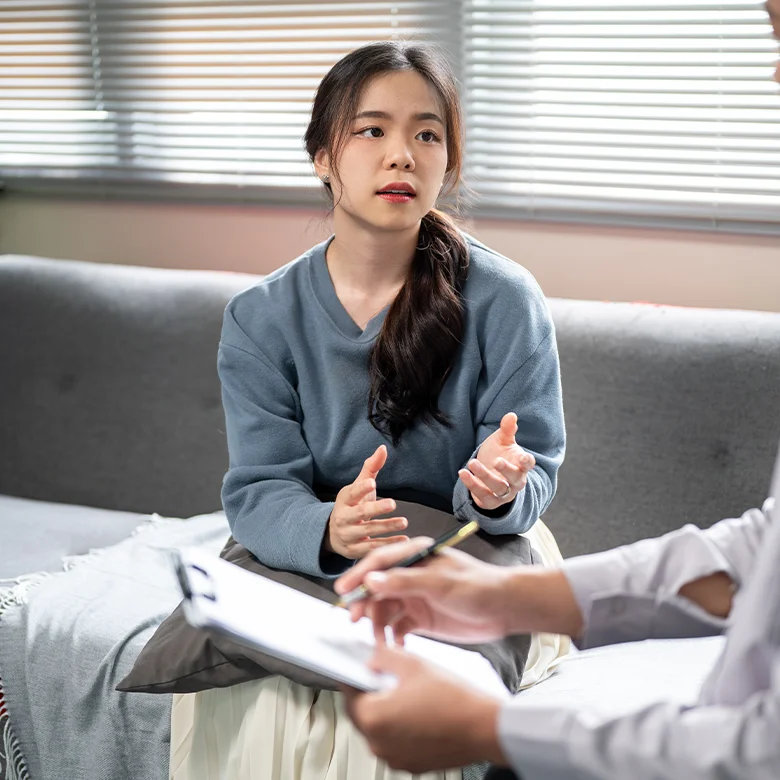
Women often explain away their own screen habits for a long time. "It's just how I relax." "Everyone does it." "I'm only keeping up." In Gurgaon, where holding together work, home and an always-visible online life is treated as normal, the shift from habit to dependency can go unnoticed, even by the woman herself. Instead of looking at why she scrolls, this table looks at how far the pattern has reached into her sleep, mood, relationships and responsibilities. It reflects how our team generally thinks about this during a private initial consultation, though the right approach for any woman is always confirmed through a complete evaluation.
| How Far It Has Reached | What Often Shows Up | Care Approach Generally Recommended |
| Still a Habit | Regular scrolling, but sleep, mood, parenting and work are holding steady | A single private consultation with practical guidance on screen-time boundaries |
| Sleep Starting to Suffer | Bedtime creeping past midnight, feeling more tired each morning, no natural stopping point | Weekly outpatient sessions with a detox plan built around her routine and responsibilities |
| Mood Tied to the Screen | Feeling low or self-critical after comparison, uneasy or irritable when the phone isn't within reach | Individual CBT working on comparison, validation-seeking and self-worth |
The Signs That Get Overlooked the Longest in Women
Because women are often expected to hold everything together, the warning signs here tend to be explained away for far longer than they should be.
Restlessness Without Her Phone
Visible anxiety or irritability the moment it isn't within reach.
Mood Tied to Likes and Comparison
Noticeable highs after online validation, and low mood or self-criticism after seeing someone else's life or body online.
Sleep Steadily Pushed Later
Staying up well past midnight scrolling, with no natural stopping point.
Withdrawing From People She's Close To
Pulling back from friends, family, or a partner without an obvious reason.
A Struggle to Keep Up With Responsibilities
Missed deadlines at work, forgotten commitments at home, or a noticeable drop in how she's managing day to day.
Insisting She Has It Under Control
Denying there's a problem even when the people closest to her can see otherwise.
Not Sure If This Is You? Talk to a Specialist
Confidential Support, available 24×7
ABOUT THERAPY AT ATHENA
How Treatment Moves Forward, Step by Step
Step One – Assessment
A psychiatrist conducts a full assessment covering screen-time patterns, emotional triggers, self-worth concerns, sleep routine, and home environment, in a setting designed to feel private and unhurried. If the patient is a young woman still in school, this step is led by our Child & Adolescent Psychiatry team.
Step Two – Detox Planning
Rather than an abrupt cutoff, this stage introduces realistic screen-time boundaries and offline routines that fit around her actual responsibilities.
Step Three – Individual Therapy
Individual Psychotherapy & Counselling through Cognitive Behavioral Therapy works through the comparison and validation-seeking patterns behind the use, alongside Mindfulness, Yoga & Wellness sessions for managing the anxiety that comes up as screen time is reduced.
Step Four – Life Structure Restoration
Restoring sleep patterns, structuring daily routine, and involving family only when it genuinely helps the recovery process.
Why Choose Us
We Treat the Woman, Not Just the Screen Time

Each program at Athena OKAS involves the participation of a psychiatrist and a therapist operating from the same knowledge of the patient, and never two separate programs operating in parallel. This becomes extremely important where social media use is entwined with conditions such as anxiety, depression or body image, as dealing with one and not the other tends not to work. Working from one shared picture also means she never receives conflicting advice, and her plan stays consistent from the first session onward.
Our treatment doesn't end the moment a patient leaves us. With guidance from a trusted therapist in Gurgaon, she goes away with a clear plan for staying within proper digital bounds and knows that she can come back should an adverse period threaten her progress. This means support continues well after discharge, and she always knows exactly what steps to take if old habits begin to creep back in, so a difficult stretch does not turn into a full setback.
Should any lady require her problem sorted out with utmost discretion, for whatever reason, be it professional, familial or simply personal, the Day Care Program is just right for her. It offers structured, supervised support during the day while she continues to manage her home, work, or studies, so getting help does not have to disrupt the life she has built.
How We Help
From Your First Message to Ongoing Support
Reaching out is usually the part that takes the most courage. Here's what happens once you do.
Call our care line or message us on WhatsApp, and expect confirmation of your first appointment the same day.
A psychiatrist goes through screen-time habits, emotional history, and personal circumstances, either in person or over a private video call.
Digital detox planning, therapy, wellness work, and where appropriate, our Day Care Programme, are combined based on what actually fits your situation.
Scheduled check-ins continue afterward to help keep your progress steady once daily life resumes.
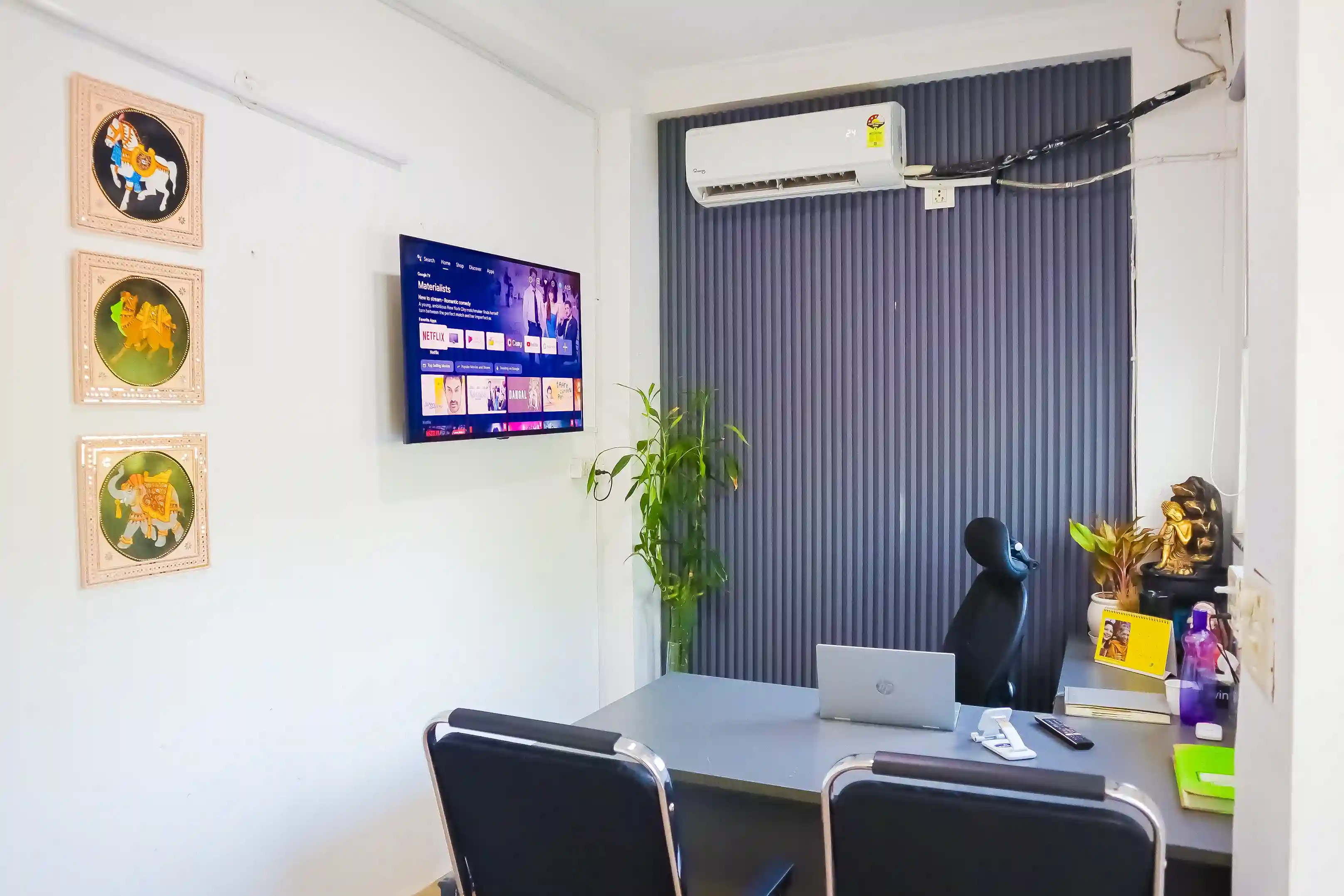
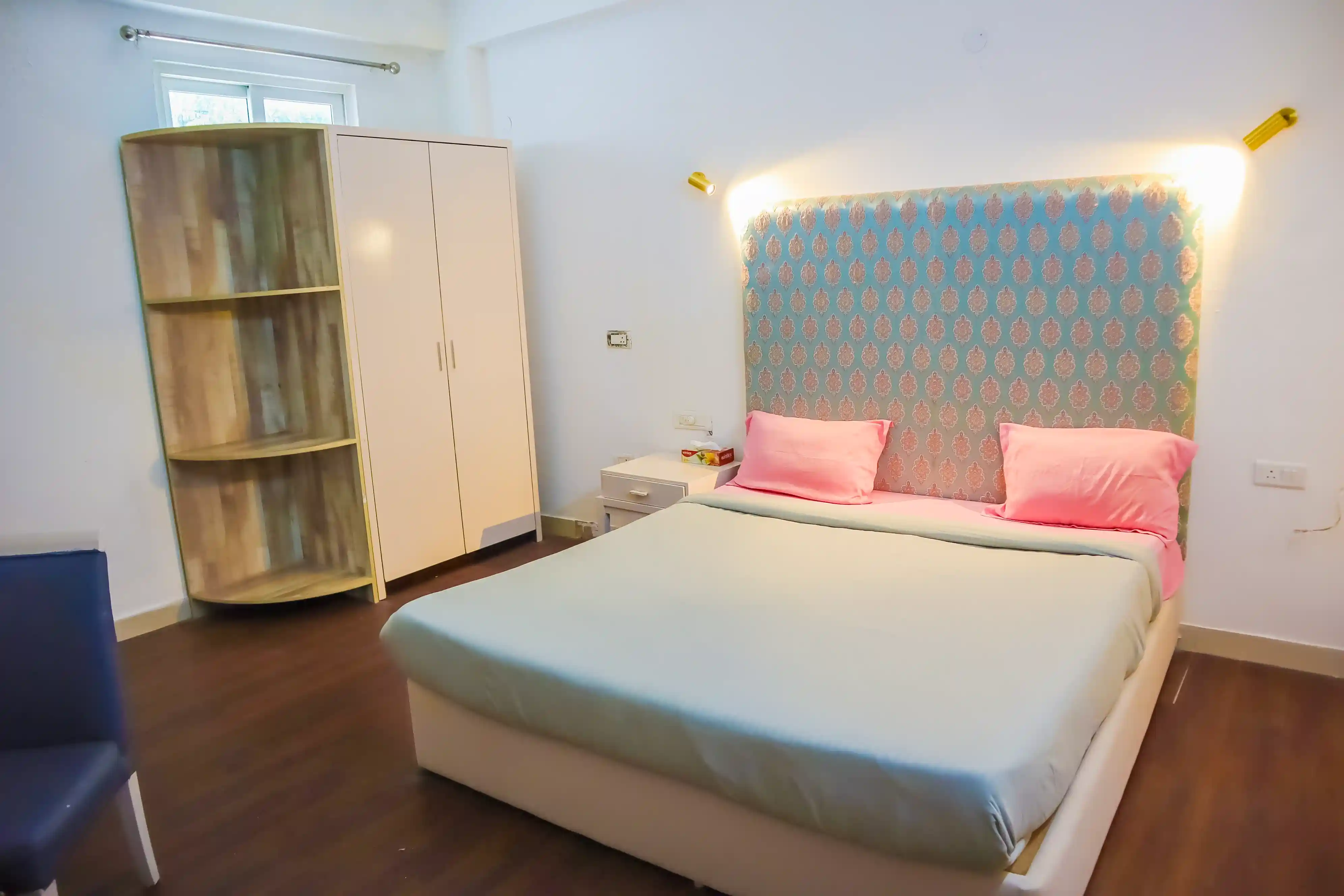
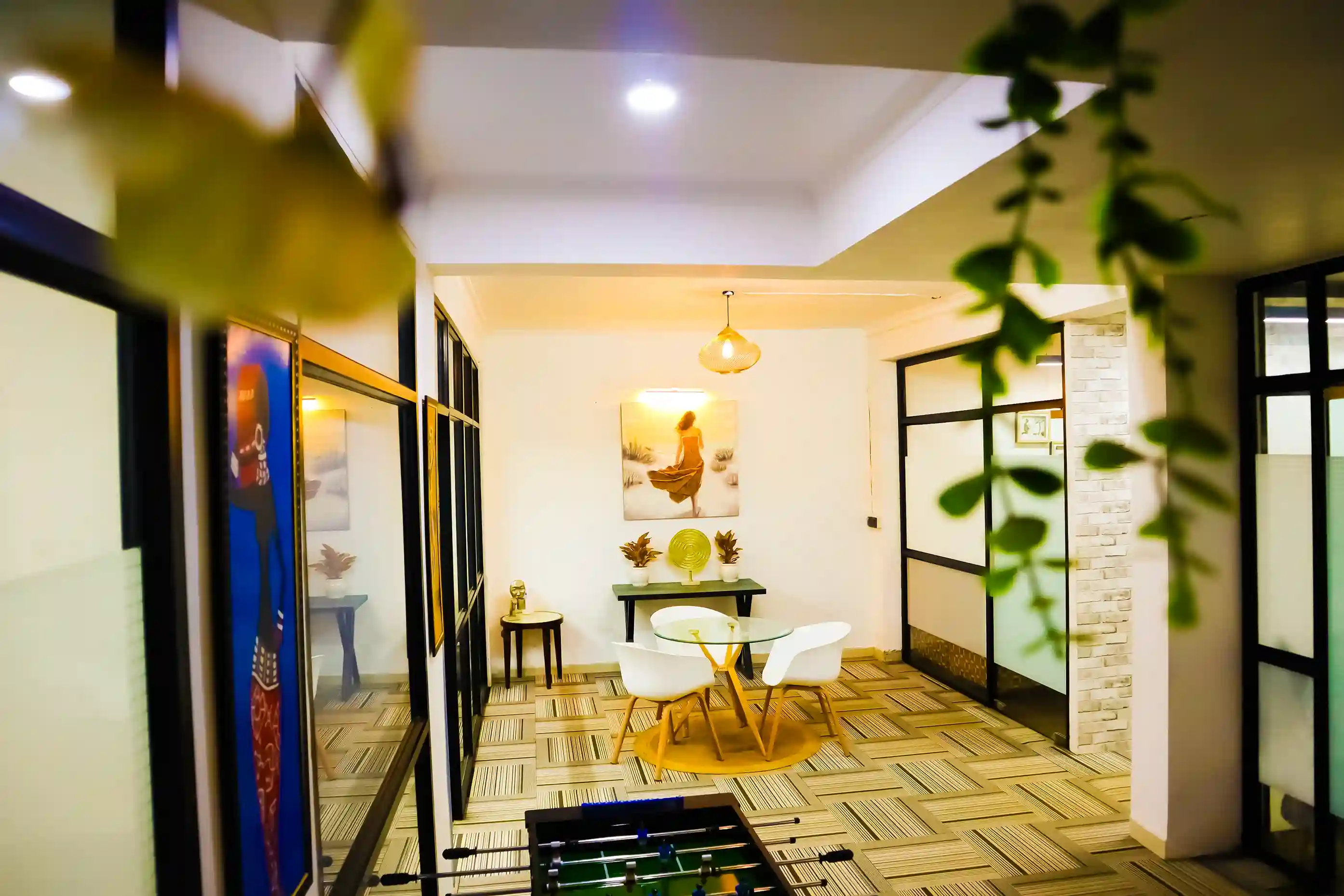
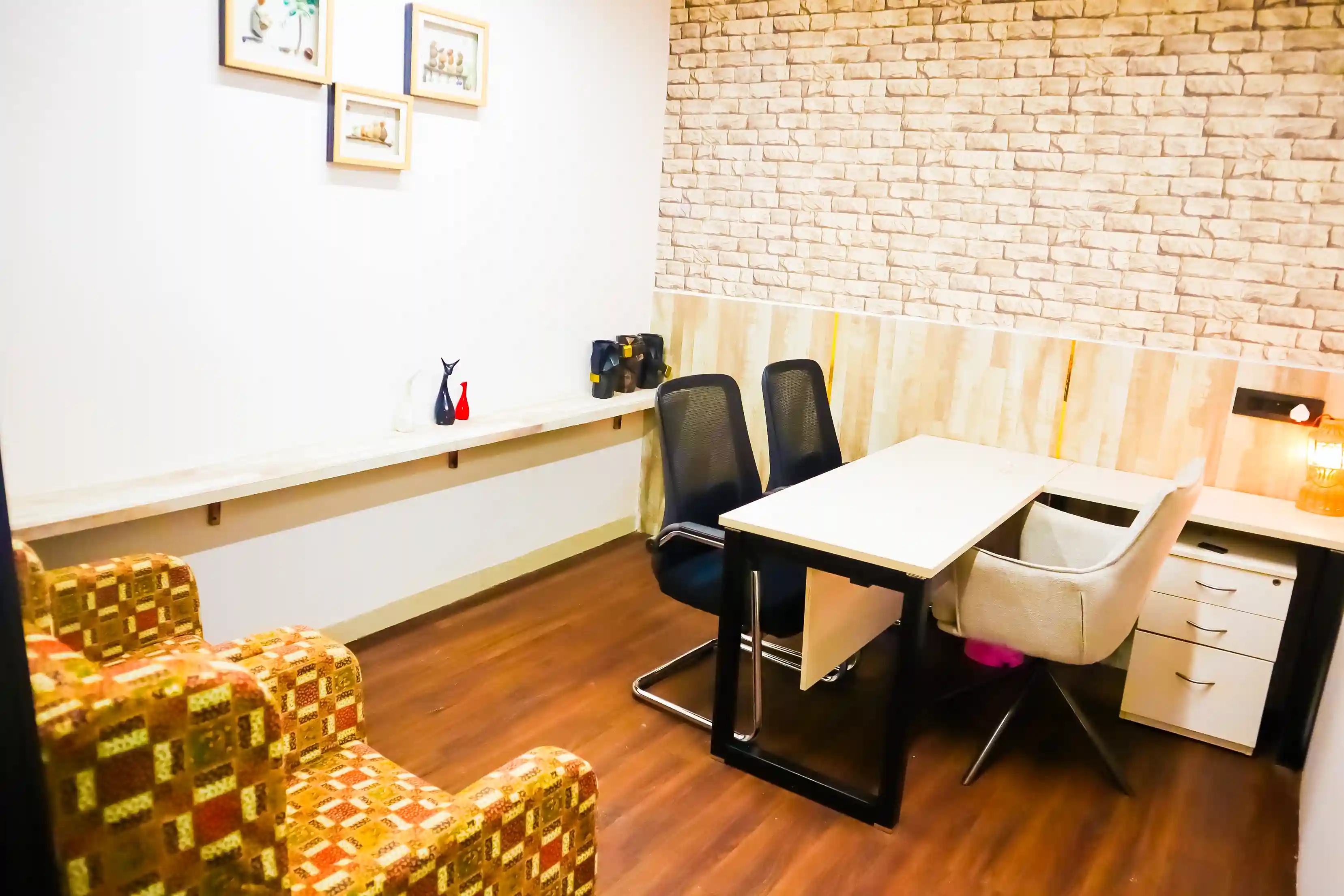
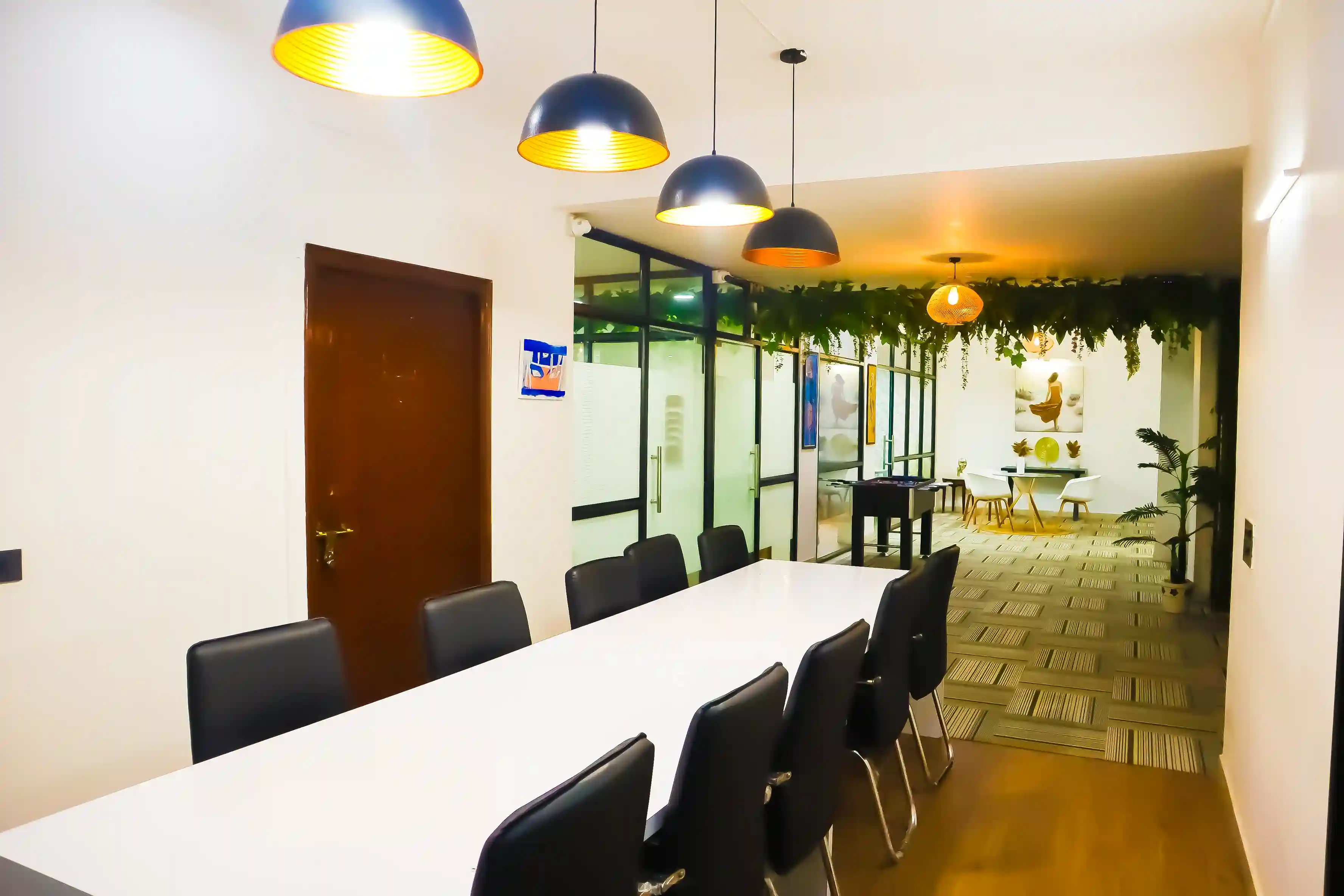
Take a Look Inside Our Gurgaon OKAS Facility



Conditions We Treat















.png)






What Our Patients Say
Frequently Asked Questions
If cutting back makes you feel anxious, restless, or on edge, and it's affecting your sleep, work, parenting, or how you feel about yourself day to day, it's likely more than casual overuse. A proper evaluation can help you understand exactly where things stand.
Yes. Treatment can start completely privately, and it's entirely your choice if and when your family gets involved. Many women begin with a private video consultation just to understand their options before deciding anything.
Firstly, you should try to visit us for a consultation and know all the specifics. Teenage patients will be more willing to visit us when they see their parents are taking the situation seriously.
Sure, our Day Care Programme can help you with that.
Rarely. Most women complete treatment through regular outpatient sessions or the Day Care Programme without ever needing to be admitted anywhere.
This is very common, especially in women, and it usually comes from constantly comparing yourself to curated, filtered versions of other people's lives without even realizing it's happening. Therapy works directly on that comparison pattern, rather than just telling you to spend less time on your phone.
No, not specifically. There are no medications for social media addiction specifically. However, depending on how much anxiety or depression and other conditions there are, some medications can be prescribed and controlled. Most women usually get rid of the addiction with therapy and counselling.
This problem arises due to the fact that you don't solve the problem of deleting the app, because your need of checking it is based on loneliness, stress or need for attention. Therapy helps you with solving the core of the problem.
It depends on how long the pattern has been going on and how you respond in the early sessions. Some women notice a real difference within a few weeks, others take a bit longer, and a slow start is completely normal.
You'll spend about an hour talking privately with a psychiatrist about your usage patterns, what's been driving it, your current situation, and anything else affecting you emotionally. The conversation is completely confidential and shapes the treatment plan built specifically for you.
How to reach Athena - Gurgaon OKAS
Athena OKAS, Gurgaon
446, Sector 39, Gurugram, Haryana 122003
Landmark: Sector 39, Gurugram
- Sector 39, 40, 41, 42, 43, 44
- Golf Course Extension Road
- Sohna Road nearby sectors
Contact us: +919289086193
Speak to Our Care Team - 24×7 Confidential Support
Confidential help is just a call or chat away. Our team is ready to listen - without judgment, without pressure.
