
Women Shopping Addiction Treatment in Gurgaon
Athena OKAS provides women shopping addiction treatment in Gurgaon for exactly this, built around the specific pressures, guilt, and expectations that shape how compulsive spending shows up in women's lives.
- Confidential assessment within 24 hours
- Financial boundary planning alongside therapy
- One-on-one CBT for compulsive buying
- Family involved only when the patient is ready
- Women-only private consultation rooms
- Aftercare check-ins post-discharge
Book Your Appointment

Women Shopping Addiction Treatment in Gurgaon: The Shame Usually Arrives Before the Bill Does
Female shopping addiction treatment often carries a layer that doesn't get talked about enough, the shame that comes from feeling like you should have more control than you do. It looks like buying something during a hard week just to feel a little better, then hiding the bag before anyone sees it. It looks like knowing a purchase isn't in the budget and doing it anyway, followed by a wave of guilt that fades just long enough for the cycle to repeat. It's rarely about the item itself, and almost always about what buying it is standing in for.
At Athena OKAS, compulsive shopping treatment for women in Gurgaon starts with a private, judgment-free Psychiatric Assessment & Diagnosis. A psychiatrist works to understand what the spending has actually been doing emotionally, whether it's a response to loneliness, a difficult marriage, caregiving exhaustion, or something else entirely, before any plan is built. Many women tell us this is the first time anyone asked what the shopping was actually helping them cope with, instead of just pointing to the credit card statement.
"If a woman expresses suicidal thoughts connected to shopping debt or fear of her family finding out, treat it as urgent. Contact your local emergency number or the nearest hospital right away. Her safety always comes before the financial situation."
Meet Our Psychiatrists for Women Shopping Addiction Treatment in Gurgaon

Prof. (Dr.) Nimesh G. Desai

Dr. Ashish Mittal

Dr. Rahul Rai

Dr. Supriya Mathur

Dr. Adwitiya Ray

Dr. Mrigakshi Parasor

Dr. Anindo Mitra
Walking Into Athena OKAS: What the First Session Actually Covers
We Ask About the Feeling First, Not the Bill
The first evaluation covers when the spending started to feel compulsive, what emotional state usually triggers it, and how far the financial impact has actually gone.
You Decide Who Knows, and When
Family isn't contacted or involved unless the patient chooses to bring them in, and confidentiality is discussed openly before anything is shared with anyone.
No One Recognizes You in the Waiting Area
Every consultation happens in a private, women-only space, with scheduling arranged so patients never overlap.
Financial Boundaries Are Built With You, Not Imposed On You
Rather than strict rules from outside, we work together to design practical safeguards that respect your independence rather than take it away.
Support Includes the Body, Not Just the Mind
Mindfulness, Yoga & Wellness sessions offer a healthy outlet for the restlessness and stress that often trigger compulsive buying in the first place.
Care Continues Well Past Discharge
Follow-up contact keeps going after the formal programme ends, with particular attention to high-spending periods like festive and wedding-season sales.
Clinical Excellence
Clinicians Who Recognize How Differently This Shows Up in Women
Compulsive shopping in women is often dismissed as simply "loving to shop," which makes it easier to overlook the actual distress underneath it: debt hidden from a spouse, self-worth tied to how a home or wardrobe looks, or spending used to fill a gap left by an unhappy relationship. Left unaddressed, it can quietly strain her finances, relationships, and peace of mind for years.

Our clinicians are specifically attentive to this and understand that women who come to Athena Behavioral Health are frequently managing far more shame and secrecy around their spending than they let on at first. Recognizing this from the start helps us ask the right questions and look beyond the purchases themselves to what they are meant to relieve.
No two women arrive with the same story. A woman shopping to cope with an unhappy marriage needs a different approach than a young professional using purchases to manage the stress of a demanding job. This is part of why female shopping addiction treatment Gurgaon searches often lead women to Athena Behavioral Health through a quiet referral, because the plan is genuinely built around her situation.
One clinician follows a patient's case from the first evaluation through discharge, so she never has to repeat her story to someone new. This continuity builds trust and privacy, and it helps her feel safe, heard, and supported at every stage, especially during the difficult moments when the urge to shop returns.
Modern Lifetime Challenges
Why This Stays Hidden Longer in Women Than It Should
A culture where a woman's home, appearance, and possessions are often seen as a reflection of how well she's managing her life, easy access to shopping apps and buy-now-pay-later options that make spending feel effortless in the moment, and a deep reluctance to admit that something as ordinary as shopping is affecting her mental health, all make it easy for this to stay hidden in women specifically. This is why consulting a therapist in Gurgaon early on can make such a meaningful difference in recognising and addressing the issue before it deepens.
There's a real difference between a woman who shops often and one who has developed a genuine dependency around it. Understanding where that line falls helps women and their families recognize the problem early, before secrecy, debt, and guilt make it much harder to talk about and to treat.
Occasional shopping: Doesn't interfere with finances, relationships, or daily responsibilities. Her purchases are planned, she stays within a budget, and she feels satisfied with what she buys rather than guilty, anxious, or the need to hide it afterward.
Shopping addiction: Purchases happen impulsively, debt quietly accumulates, and the true extent of it is hidden even from a spouse or close family. Over time, unopened packages pile up, savings and trust in relationships come under strain, and the brief relief of buying is quickly replaced by guilt, which often drives the next round of purchases.

What's Actually Being Bought vs What She's Really Trying to Manage
The item in the bag is rarely the real story. This table shows the underlying pressure our clinicians most often find behind compulsive spending in women, and what treatment focuses on once that pressure is named.
| What the Spending Looks Like | What It's Often Actually Managing | What Treatment Focuses On |
| Buying home decor, clothing, or appearance-related items repeatedly | A sense that her worth is tied to how put-together her life, home, or appearance looks to others | Working on self-worth directly, so appearance stops being asked to carry that weight |
| Spending quietly during or after conflict with a spouse or partner | A difficult or unhappy relationship, where the purchase becomes a private way to feel some control or comfort | Addressing the relationship strain itself, alongside the spending, rather than treating either in isolation |
| Frequent small purchases through the week, easy to lose track of | Caregiving exhaustion or the mental load of managing a household, with shopping as a brief break from constant responsibility | Building other outlets for that exhaustion, and involving family support where it genuinely helps |
| Late-night or after-work online browsing and buying | Loneliness or a lack of connection that isn't being met elsewhere | Working through the disconnection directly, rather than letting the browsing stand in for it |
| Buying tied to a specific low mood or a hard week | An underlying stress, anxiety, or low mood that hasn't been named or addressed on its own | Treating the mood or stress directly, so the purchase stops being the only available coping tool |
What Gets Explained Away Longest in Women Specifically
Because women are often expected to manage a household calmly regardless of what's happening privately, the signs here tend to be explained away for far longer than they should be.
Purchases Kept Hidden From Family
Bags left in the car, packages sent to a different address, or price tags quietly removed before anyone sees them.
Guilt or Shame Right After Buying
A quick lift followed almost immediately by anxiety or self-criticism about the money spent.
Unexplained Financial Gaps
Maxed-out cards or missing savings that don't match what she's told anyone.
Repeated Promises That Don't Hold
Swearing off shopping after a big spend, then returning to it within days.
Withdrawing From Conversations About Money
Becoming defensive or evasive the moment finances come up.
Denying There's a Problem Even When Confronted
Insisting everything is fine even when someone close to her has clear evidence otherwise.
Not Sure If This Is You? Talk to a Specialist
Confidential Support, available 24×7
ABOUT THERAPY AT ATHENA
From First Session to Lasting Stability: How Treatment Unfolds
Step One, Full Evaluation
A psychiatrist conducts a complete Psychiatric Assessment & Diagnosis, covering shopping history, emotional triggers, and current financial circumstances, in a setting designed to feel private and unhurried.
Step Two, Individual Therapy
Psychotherapy & Counselling addresses what's actually driving the spending, whether that's loneliness, relationship stress, or something else entirely, alongside the compulsive behavior itself.
Step Three, Facing the Financial Reality on Her Terms
She's supported in engaging honestly with the debt at a pace and level of disclosure she's comfortable with, without pressure to involve family before she's ready.
Step Four, Rebuilding Stability
Mindfulness, Yoga & Wellness practices, a structured routine, and family involvement only when it genuinely helps, all work together to support lasting recovery.
Why Choose Us
The Extra Weight Women Carry With This, and How We Address It

Every plan at Athena OKAS is built jointly by a psychiatrist and a therapist working from the same understanding of the case, with particular attention to how compulsive shopping shows up differently in women. Treating only the debt while ignoring what's underneath, whether that's loneliness, low self-worth, or relationship stress, rarely leads to change that actually lasts, which is exactly why both are addressed together from the very first session. Working from one shared picture also means she never receives conflicting advice, and her plan stays consistent from start to finish.
For women who need more consistent structure than weekly sessions, our Day Care Programme offers several supervised hours at the centre each day while she continues living at home, particularly useful in the early, most vulnerable stretch of recovery when the pull to shop again is strongest. She also leaves with a clear, written plan for staying on track and the option to return if a difficult period threatens her progress.
If confidentiality around family is your biggest concern, we can discuss exactly how that will be handled before any information is shared with anyone, so you're never navigating that uncertainty alone. Having that clarity from the start reduces the fear of being found out, and makes it easier to be honest during treatment and focus fully on getting better, without worrying about who knows what or when.
How We Help
Your First Message, and Everything That Follows
Reaching out is usually the part that takes the most courage, especially with how much shame tends to be involved. Here's what happens once you do.
Call our care line or message us on WhatsApp, and expect confirmation of your first appointment the same day.
A psychiatrist goes through spending history, emotional triggers, and personal circumstances, either in person or over a private video call.
Individual therapy, financial boundary planning, and where appropriate, our Day Care Programme, are combined based on what actually fits your situation.
Scheduled check-ins continue afterward, with particular attention to high-spending periods like festive sales.
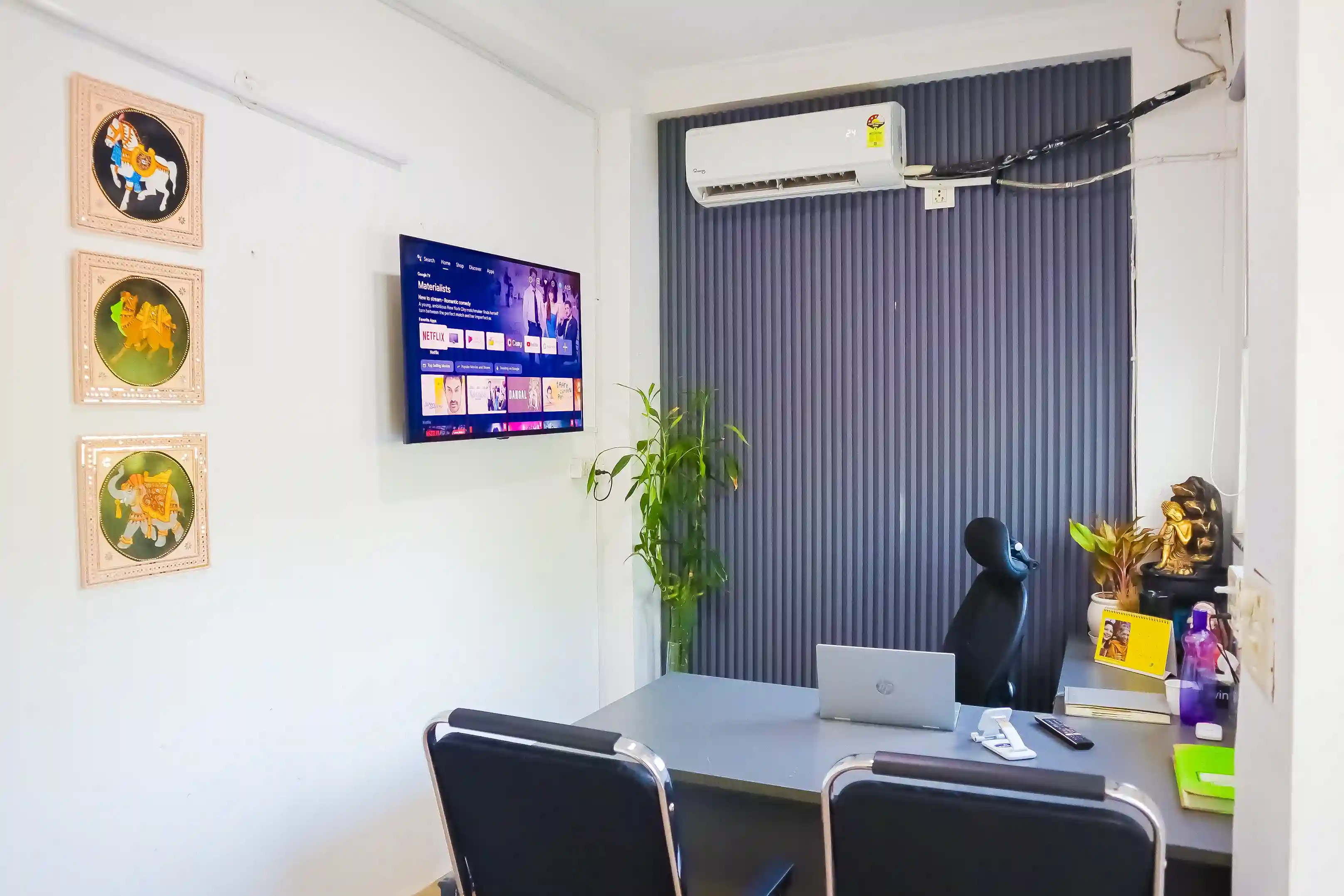
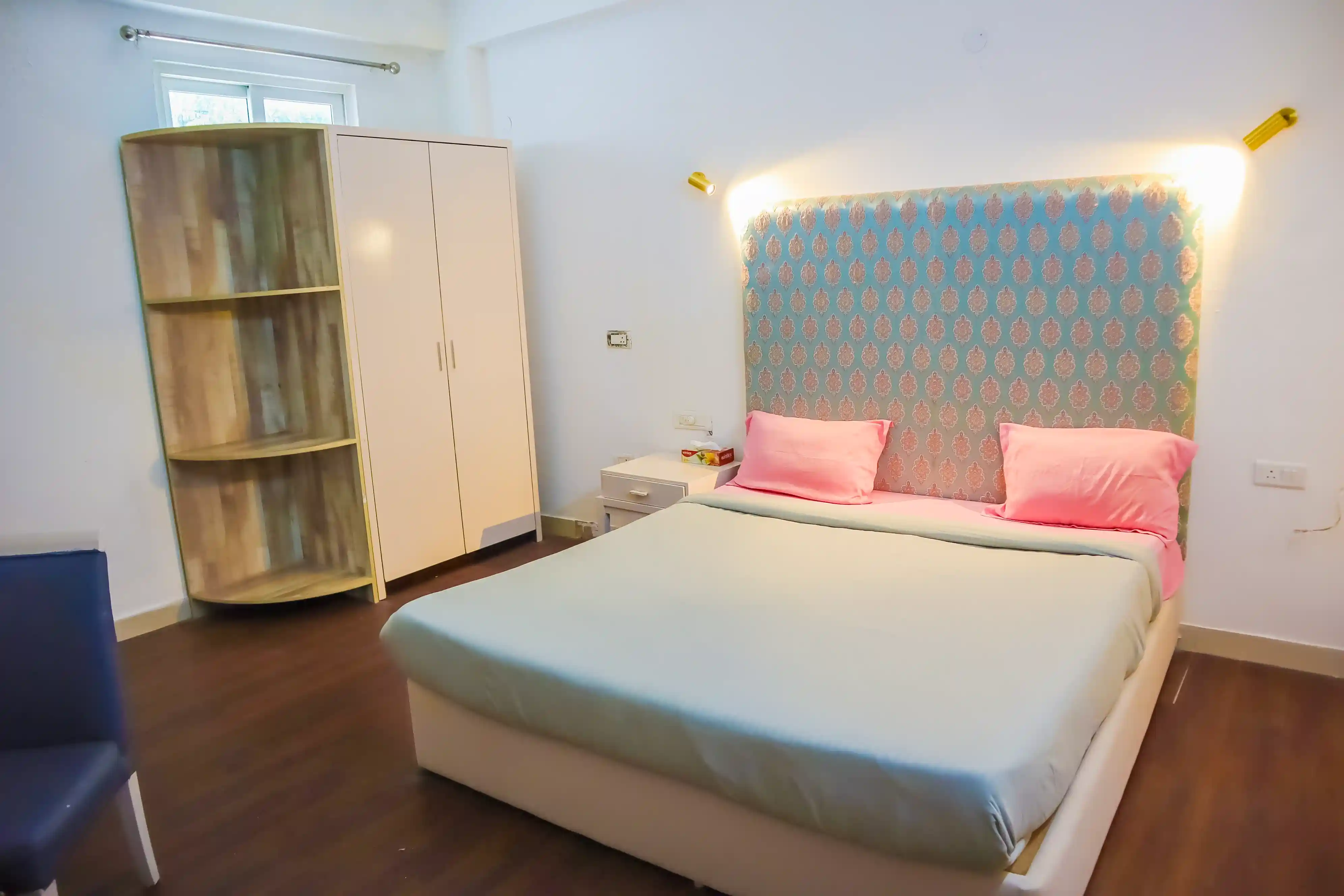
Take a Look Inside Our Gurgaon OKAS Facility






Conditions We Treat















.png)






What Our Patients Say
Frequently Asked Questions
If you're buying things you don't need, feeling guilty or ashamed soon after, and finding it hard to stop even though it's affecting your finances or relationships, that points to something beyond ordinary enjoyment. A proper evaluation can help you understand exactly where things stand.
Yes. Treatment can begin without involving your family at all, and whether or how they find out is entirely your decision. Many women start with a private video consultation specifically to understand their options before deciding anything about disclosure.
It's never too late. Treatment addresses the compulsive spending and the financial reality together, so you don't need a repayment plan sorted out before reaching out. That gets worked through as part of the process, at a pace you're comfortable with.
Yes. Our Day Care Programme offers structured support for several hours a day while you continue living at home and managing your regular responsibilities.
Rarely. Most women complete treatment through regular sessions or the Day Care Programme without needing to be admitted anywhere. Admission is only considered in rare, more serious situations.
For a lot of women, compulsive shopping isn't really about the items at all. It's often a way to cope with stress, loneliness, or a lack of control in other parts of life. Treatment looks at this underlying reason, not just the spending on its own.
Not necessarily. There's no specific medication for shopping addiction itself. If anxiety, depression, or another concern is also present, that might be addressed with medication reviewed regularly, but many women complete treatment mainly through therapy.
This happens because the promise alone doesn't deal with what's actually driving the spending. Therapy works on the underlying triggers, whether that's stress, loneliness, or something else, so the urge has less power over time, especially during high-risk periods like festive sales.
It depends on how long the pattern has been going on and how you respond to the early sessions. Some women notice a shift within a few weeks, others take longer, and a slow start is completely normal.
You'll spend around an hour talking privately with a psychiatrist about your spending history, what's actually been driving it, your current situation, and anything else affecting you emotionally. This conversation is completely confidential and shapes the treatment plan built specifically around you.
How to reach Athena - Gurgaon OKAS
Athena OKAS, Gurgaon
446, Sector 39, Gurugram, Haryana 122003
Landmark: Sector 39, Gurugram
- Sector 39, 40, 41, 42, 43, 44
- Golf Course Extension Road
- Sohna Road nearby sectors
Contact us: +919289086193
Speak to Our Care Team - 24×7 Confidential Support
Confidential help is just a call or chat away. Our team is ready to listen - without judgment, without pressure.
