
Women Schizophrenia and Substance Abuse Treatment in Gurgaon
Athena OKAS: a single, coordinated, psychiatry-led programme where the psychotic disorder and the substance dependence are treated together, from day one, by a team trained specifically in women’s schizophrenia and substance abuse treatment, inside a residential centre that is exclusively for women.
- Integrated dual diagnosis care
- 24×7 medically supervised detoxification
- All-female psychiatrists, therapists, nurses, and support staff
- Antipsychotic stabilization with continuous psychiatric monitoring
- Individual and group therapy, including CBT and relapse prevention
- Confidential family counseling and structured aftercare
Book Your Appointment

Why Dual Diagnosis Care Matters: Understanding Schizophrenia and Substance Abuse Treatment
Schizophrenia and substance use disorder occur together far more often than most families realize. A woman with untreated or undertreated psychotic symptoms may turn to alcohol, cannabis, or prescription sedatives to dull the fear, the confusion, or the sleeplessness that comes with the illness. Substances, in turn, can worsen hallucinations, deepen paranoia, and interfere with the very antipsychotic medications meant to bring stability. Treating only the addiction leaves the psychosis to resurface.
At Athena OKAS, this is the core of our clinical model, delivered specifically as schizophrenia and substance abuse treatment in Gurgaon for women, within India's first residential mental health centre built exclusively for female patients. You can read more about how we approach psychotic illness on its own through our Schizophrenia Treatment programme, and about our dedicated dual diagnosis pathway on our schizophrenia and substance abuse treatment page.
If a woman in your family is currently experiencing severe agitation, a risk of harm to herself or others, seizures, or signs of dangerous withdrawal such as a racing heartbeat, confusion, or hallucinations that have suddenly worsened, please call your local emergency number or go to the nearest emergency room immediately. These situations need to be medically stabilized before any addiction or psychiatric programme can begin.
Meet Our Psychiatrists for Women Schizophrenia and Substance Abuse Treatment in Gurgaon

Prof. (Dr.) Nimesh G. Desai

Dr. Ashish Mittal

Dr. Rahul Rai
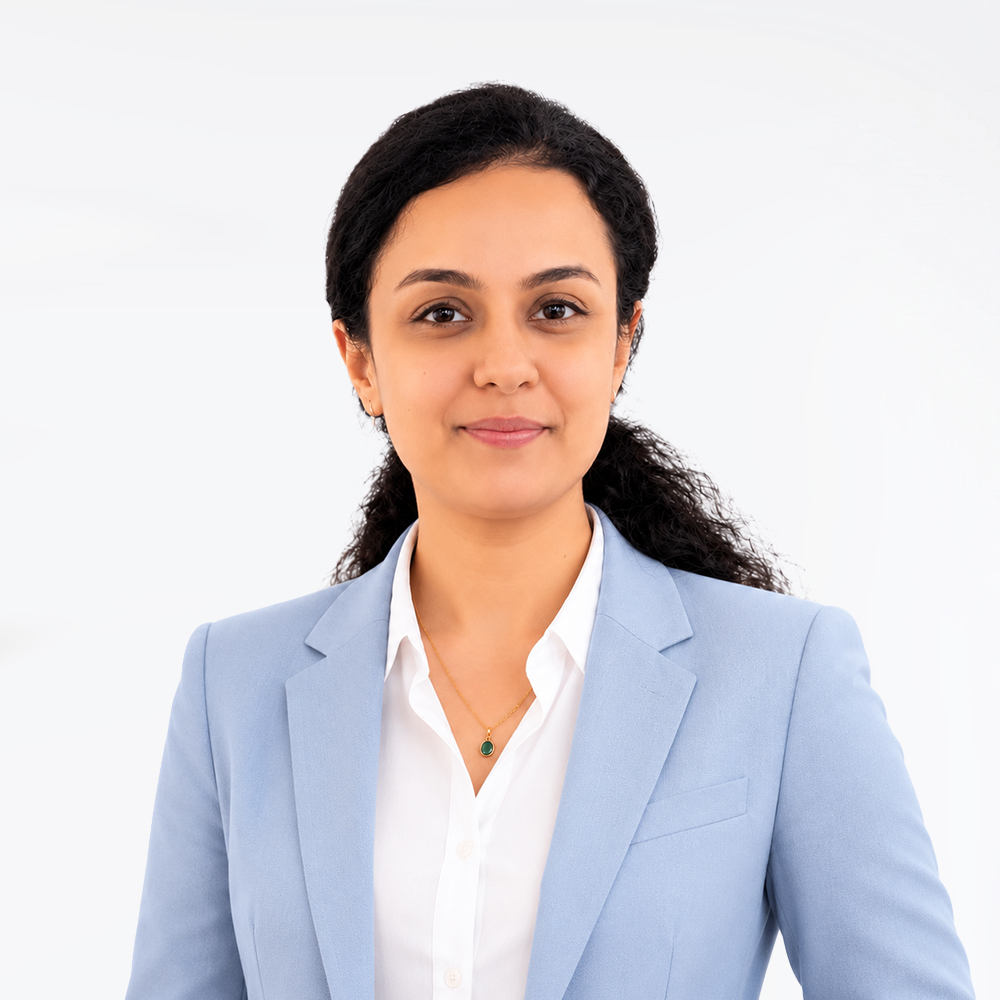
Dr. Supriya Mathur
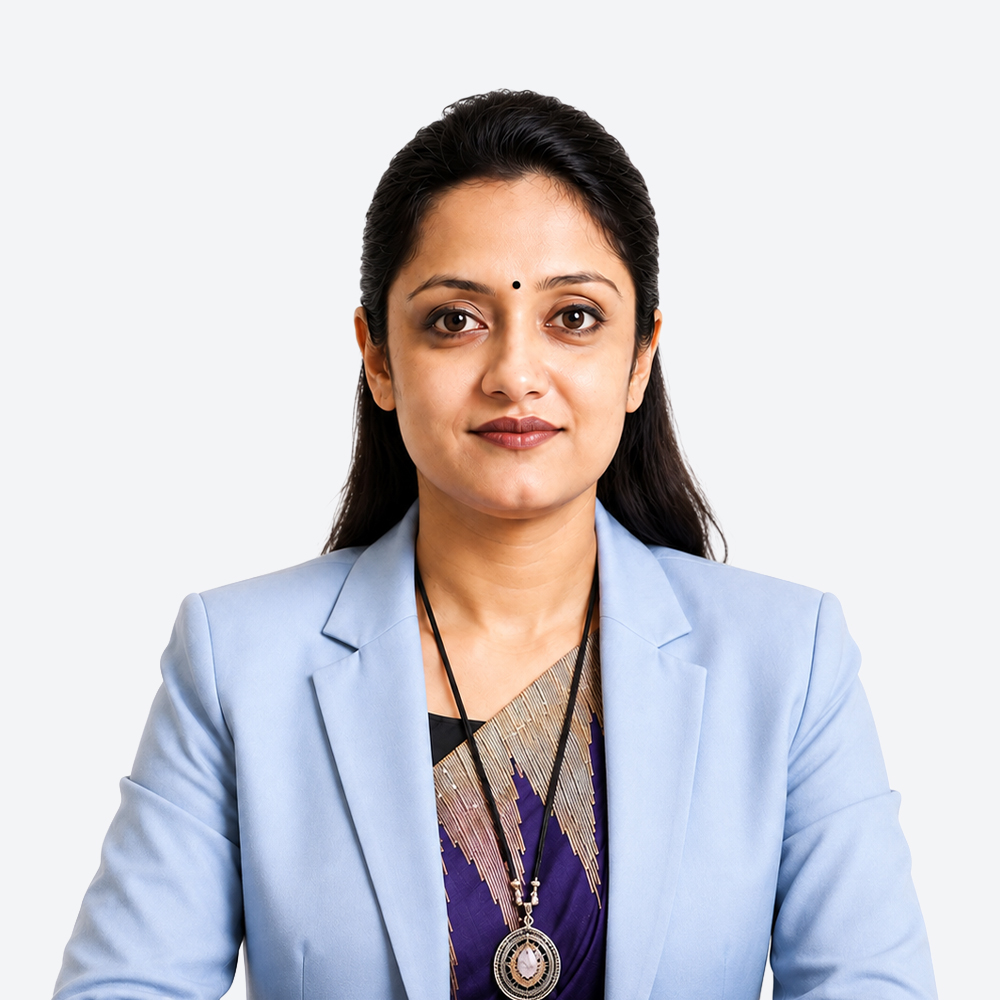
Dr. Adwitiya Ray

Dr. Mrigakshi Parasor

Dr. Anindo Mitra
Why an All-Female Environment Changes the Outcome
24×7 Medically Monitored Detoxification
Withdrawal is managed under continuous psychiatric and nursing supervision, with particular care taken because psychotic symptoms can complicate the standard detox process.
All-Female Clinical Team
Psychiatrists, therapists, and nursing staff are exclusively women, in a residential space with no male patients or clinical staff present.
Antipsychotic Stabilization
Medication is selected and adjusted by senior psychiatrists to manage psychotic symptoms safely alongside the addiction treatment timeline.
Integrated Dual Diagnosis Protocol
The psychotic disorder and the substance dependence are assessed and treated concurrently, never in sequence, to prevent the relapse pattern that sequential treatment tends to produce.
Absolute Confidentiality
Nothing about a patient's admission, diagnosis, or history is shared with any employer, extended family member, or third party without her written consent.
Structured Aftercare and Relapse Prevention
Outpatient psychiatric review, continuing therapy, and a clear family protocol are all built before discharge, not handed over as an afterthought.
Clinical Excellence
Our Treatment of Substance Abuse and Psychosis For Women
Cognitive Behavioral Therapy (CBT): Helps the person understand how distressing thoughts, voices, fear and cravings connect to one another. Sessions teach practical ways to respond when symptoms flare, such as questioning a suspicious thought, grounding during anxiety, or getting through a craving without reaching for alcohol or drugs. Skills are practised in session and then used in daily life, so they hold when things get hard.

Motivational Enhancement Therapy: Change works best when it comes from the person, not from pressure. Our psychologists ask questions, listen without judgment and help the person name their own reasons to stop using. This matters most when someone does not yet believe they have a problem, or feels that substances are the only thing that quiets their mind.
Family Psychoeducation: Schizophrenia and addiction affect the whole household. Relatives learn what the illness is, how substances make symptoms worse, and how to respond calmly to suspicion, withdrawal or anger. They also learn how to set healthy boundaries without guilt. A family that understands the illness lowers the risk of relapse and can support treatment at home.
Relapse Prevention Skills: Together with the person and family, we identify personal triggers, early warning signs and high-risk situations. We then build a written plan that spells out who to call, what to do and when to seek urgent help. This plan is agreed before discharge, not handed over on the last day. Read more about our psychotherapy and counselling and relapse prevention programmes.
Modern Lifetime Challenges
Modern Lifetime Challenges: Why This Combination Is Rising Among Women in Gurgaon
For a woman already carrying a vulnerability to psychotic illness, whether from genetics, a family history, or an earlier untreated episode, this kind of chronic stress can act as a trigger. When the early signs, disturbed sleep, withdrawal, unusual suspicion, are dismissed as tiredness or moodiness, the underlying condition often goes unaddressed until it has already deepened.
Substance use tends to enter this picture quietly. Women face steeper stigma around both psychiatric illness and substance use than men do, and many hide the drinking or the medication use from their own families for years, which only allows both conditions to entrench further. Over time, sleep, mood, and daily responsibilities begin to suffer, and the secrecy itself adds to the shame that makes reaching out so hard. A confidential assessment at a trusted psychiatric hospital in Gurgaon can look at both conditions together, so the plan treats them side by side rather than leaving either one unaddressed.
This is precisely how treatment of substance abuse in Gurgaon becomes complicated: by the time a family recognizes what's happening, the psychosis and the substance dependence have usually been reinforcing each other for a long time.
Seeking a specialized Women Rehabilitation Center early, one equipped to treat both conditions together rather than one at a time, is what allows a woman to recover fully rather than simply survive from one crisis to the next.
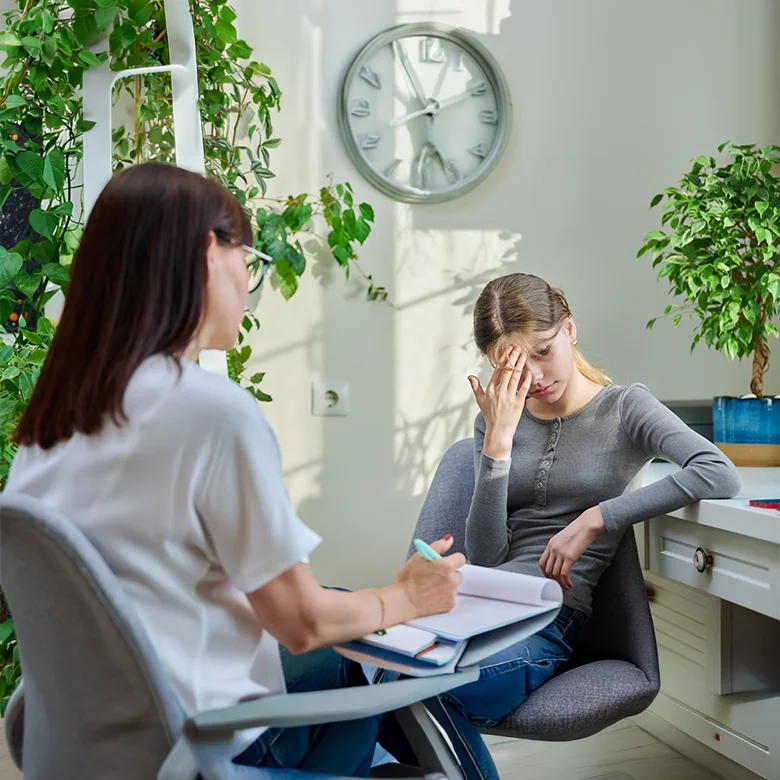
Unique Considerations in Women's Dual Diagnosis Care
| Consideration | Why It Matters for Women | How Athena OKAS Addresses It |
| Hormonal & Reproductive Health | Fluctuations across the menstrual cycle, pregnancy, and menopause can influence both psychotic symptom severity and medication response. | Psychiatric care is coordinated with attention to hormonal stage, with medication dosing reviewed accordingly. |
| Postpartum Vulnerability | New mothers face a distinct, elevated risk period for psychotic episodes, often complicated further by substance use as a coping mechanism. | Clinical intake specifically screens for postpartum history and adjusts stabilization protocols where relevant. |
| Caregiving & Domestic Load | Many women delay seeking help because they are the primary caregiver for children or elderly family members, fearing what treatment will mean for their household. | Family counseling includes practical planning for domestic responsibilities during the residential stay. |
| Body Image & Self-Esteem | Antipsychotic medication and substance use can both affect weight, appearance, and self-image, which weighs differently on women's recovery motivation. | Nutrition and physical wellness are built into the daily routine to support both physical and psychological stability. |
| Social Stigma & Isolation | Women are often judged more harshly than men for both psychiatric illness and substance use, leading many to hide symptoms for years within their own social circle. | The all-female group therapy setting creates a space where patients can speak openly without that judgment. |
Recognizing the Warning Signs of Schizophrenia in Women
Families often sense that something is wrong long before they have the words for it. If you notice several of the following in a woman you care about, it is worth arranging a confidential clinical conversation rather than waiting for a crisis.
Hearing or seeing things others don't
Persistent hallucinations, especially auditory ones, are a core symptom of psychosis and are not something a person can simply be talked out of.
Unfounded suspicion or fear
A sudden, fixed belief that she is being watched, followed, or targeted, which does not respond to reassurance.
Increasing alcohol or drug use
Particularly when it appears to track alongside worsening confusion, anxiety, or withdrawal from reality.
Disorganized speech or thinking
Conversations that become difficult to follow, or thoughts that jump without a clear connection.
Withdrawal from everyday life
Pulling away from work, friends, hygiene, and routines she once managed without difficulty.
Flattened emotion or loss of motivation
A noticeable absence of the responses and interests that used to define her.
Not Sure If This Is You? Talk to a Specialist
Confidential Support, available 24×7
ABOUT THERAPY AT ATHENA
Our Treatment for Schizophrenia and Substance Abuse
Cognitive Behavioral Therapy (CBT)
Helps the person understand how distressing thoughts, voices, fear and cravings connect to one another. Sessions teach practical ways to respond when symptoms flare, such as questioning a suspicious thought, grounding during anxiety, or getting through a craving without reaching for alcohol or drugs. Skills are practised in session and then used in daily life, so they hold when things get hard.
Motivational Enhancement Therapy
Change works best when it comes from the person, not from pressure. Our psychologists ask questions, listen without judgment and help the person name their own reasons to stop using. This matters most when someone does not yet believe they have a problem, or feels that substances are the only thing that quiets their mind.
Family Psychoeducation
Schizophrenia and addiction affect the whole household. Relatives learn what the illness is, how substances make symptoms worse, and how to respond calmly to suspicion, withdrawal or anger. They also learn how to set healthy boundaries without guilt. A family that understands the illness lowers the risk of relapse and can support treatment at home.
Relapse Prevention Skills
Together with the person and family, we identify personal triggers, early warning signs and high-risk situations. We then build a written plan that spells out who to call, what to do and when to seek urgent help. This plan is agreed before discharge, not handed over on the last day. Read more about our psychotherapy and counselling and relapse prevention programmes.
Why Choose Us
Why Families Are Choosing Athena OKAS for Schizophrenia and Substance Abuse Treatment

Families rarely arrive at our door on their first attempt to find help. Most have already tried a general rehab that wasn't equipped for psychosis, or a psychiatric hospital that wouldn't admit a patient who was still using. What makes Athena OKAS different is that this combination, psychotic illness and substance dependence in a woman, is not an exception to our programme. It is the programme.
Our clinical governance sits under Dr. Nimesh G. Desai, and every treatment decision, from admission to discharge, is made or supervised by a qualified psychiatrist. We are part of a five-centre network that includes our flagship facility in Gurugram, a dedicated centre in Noida, a facility in Delhi, and the largest integrated private psychiatric hospital in Northeast India, in Guwahati.
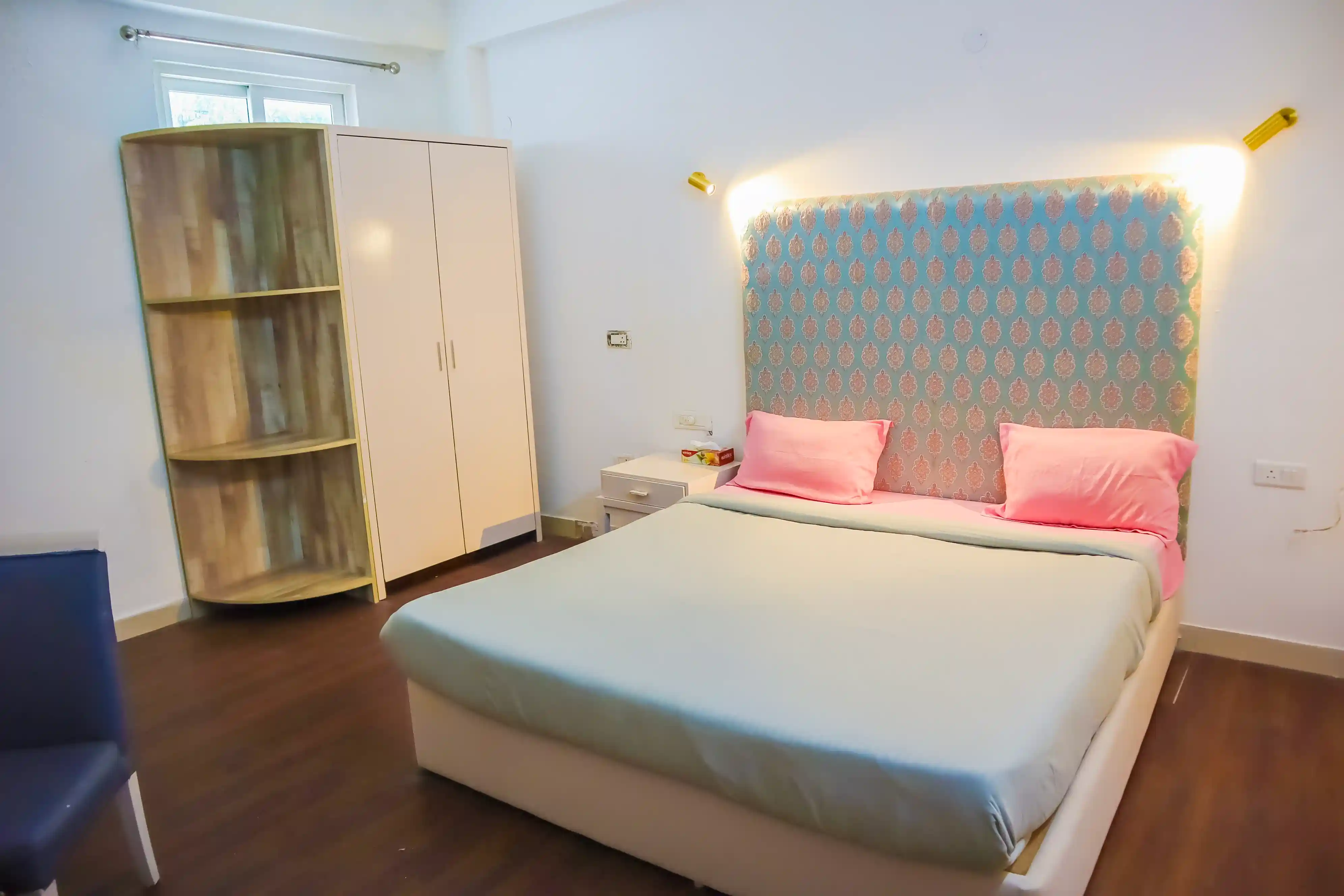
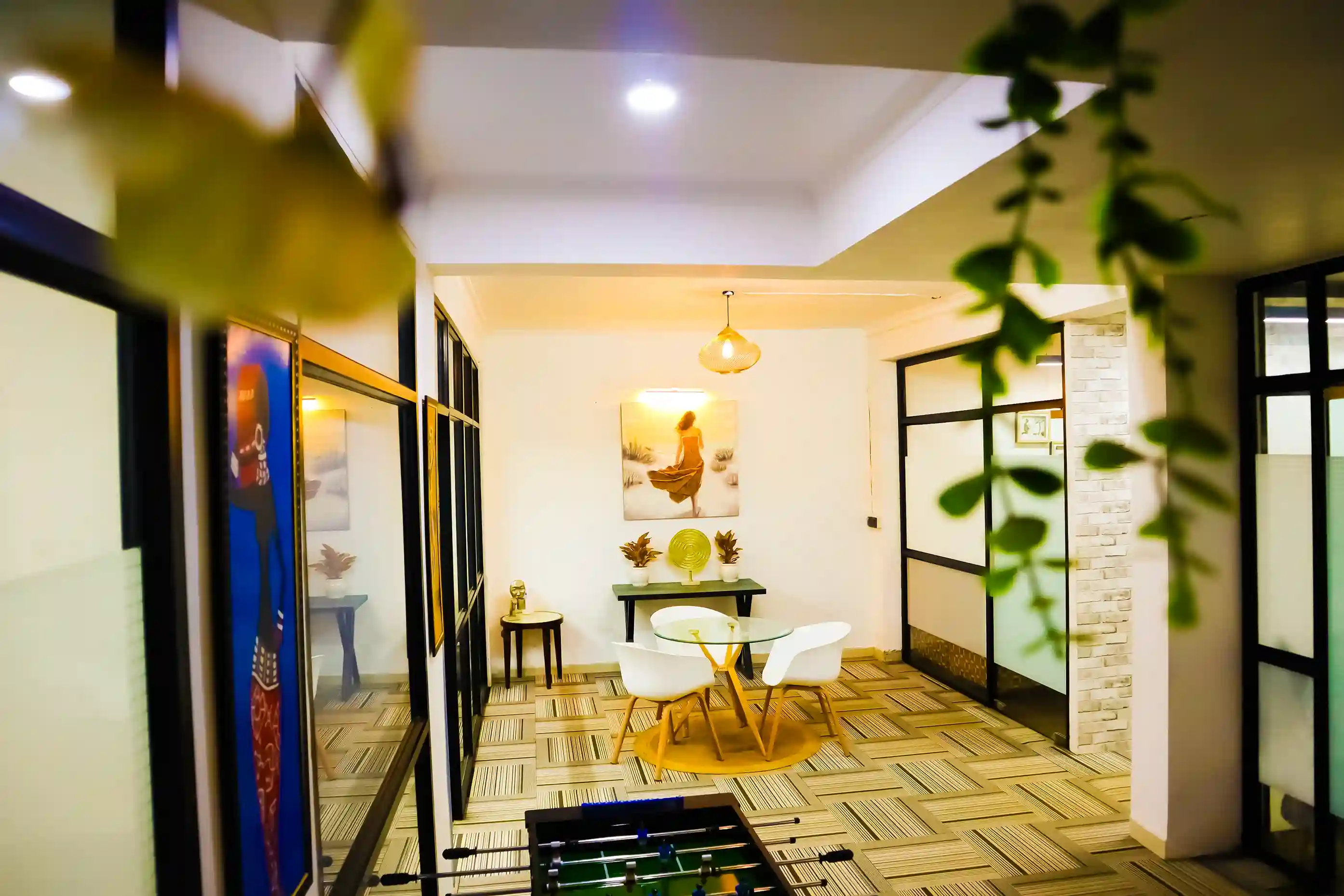
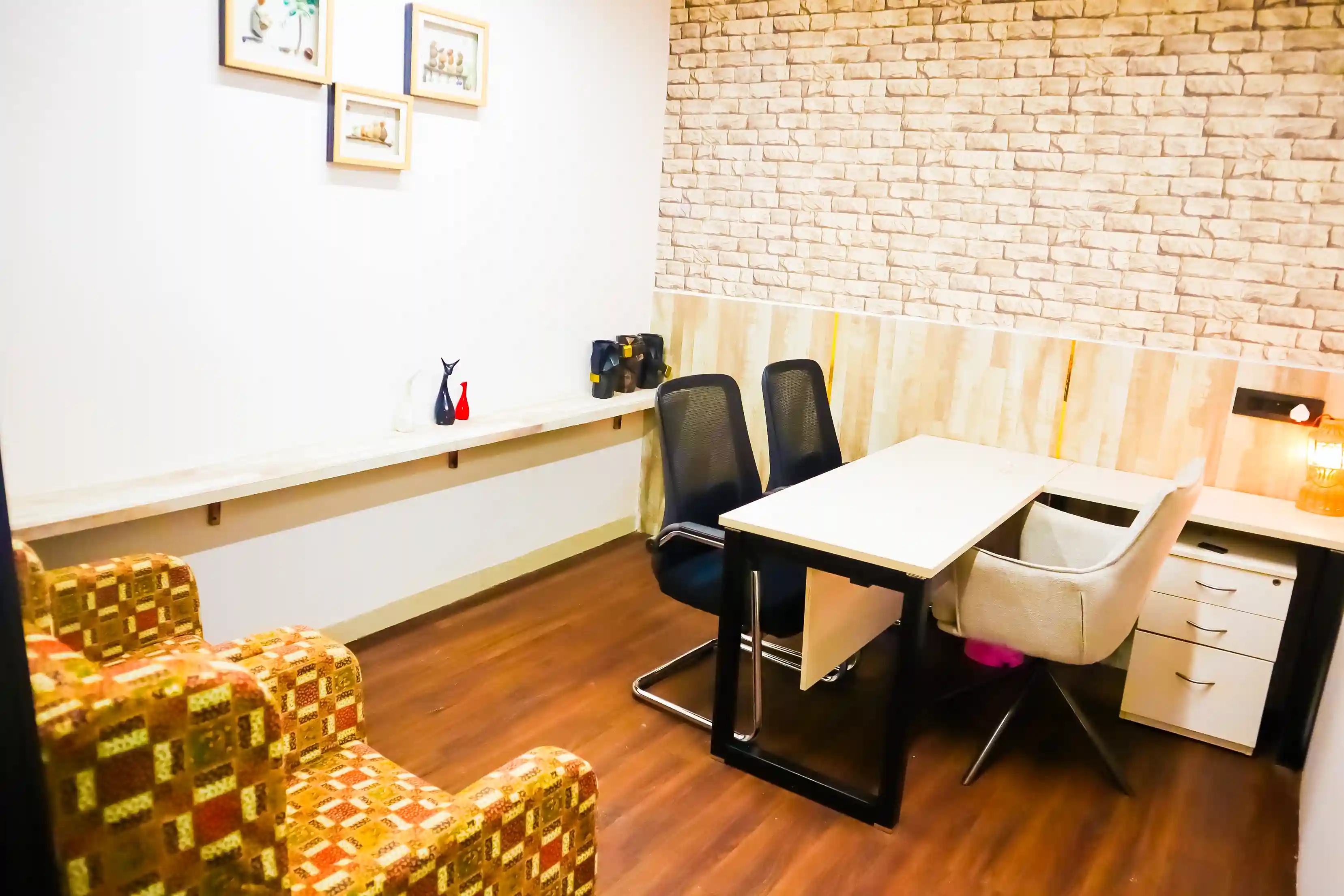
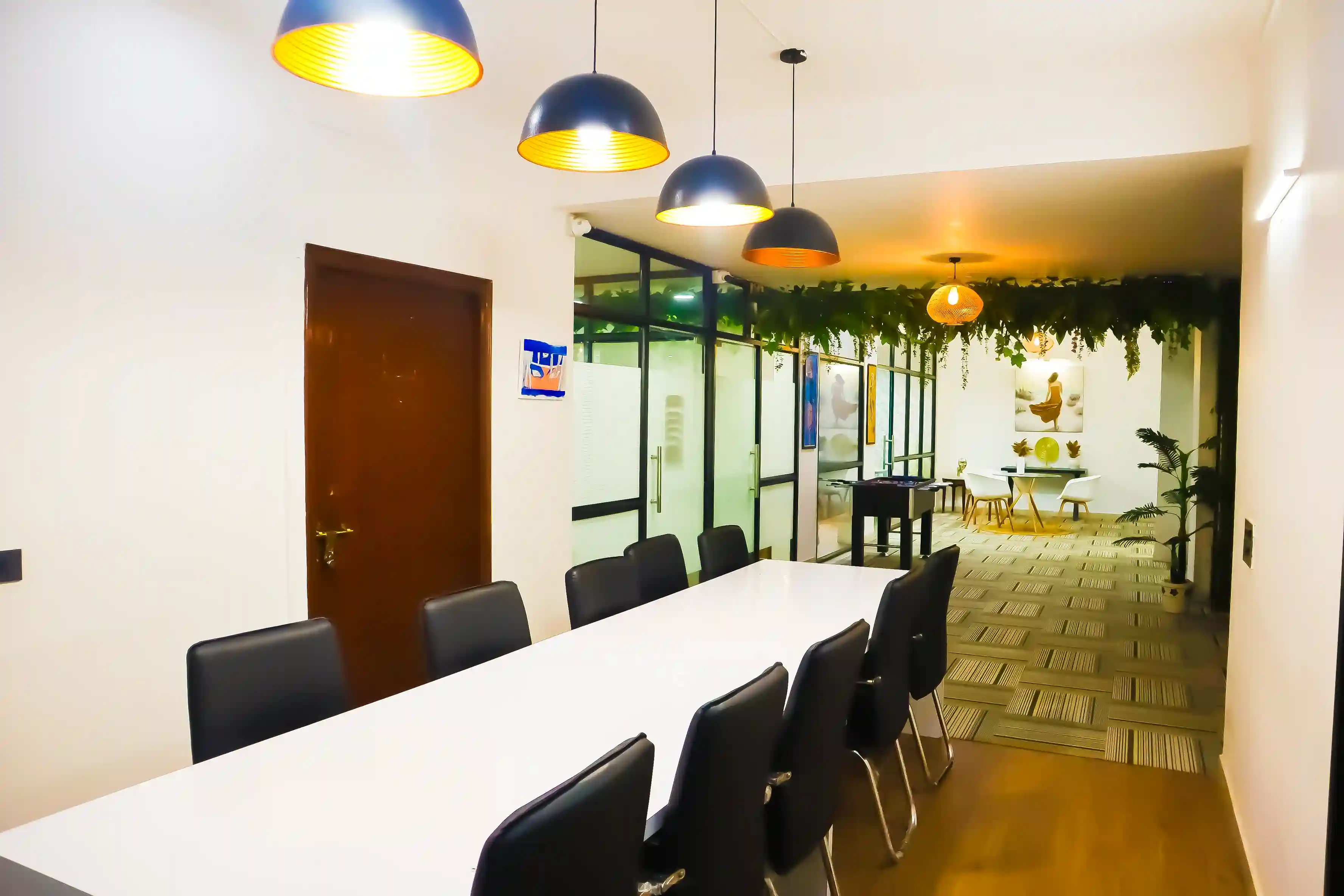
Athena OKAS itself, in Sector 39, Gurgaon, was built as India's first residential mental health centre for women alone, which means every part of the environment, not just the clinical staff, was designed around what women recovering from psychosis and addiction actually need: privacy, safety, home-cooked meals, garden access, and group therapy spaces where the only other people in the room are women who understand exactly what she's going through.
How We Help
How Treatment Begins: A Step-by-Step Path
You don't need a diagnosis or a decision already made. Call or message our confidential admissions line as a family member, a partner, or the person herself. We'll listen and help you understand what's happening.
A full psychiatric and addiction assessment is carried out by our female clinical team, covering both conditions with equal depth.
Medically supervised detoxification begins where needed, alongside careful psychiatric monitoring for psychotic symptoms.
Individual therapy, group work, antipsychotic management, and structured daily routines built specifically around dual diagnosis recovery.
A concrete aftercare plan, agreed before she leaves, not written on the last day.
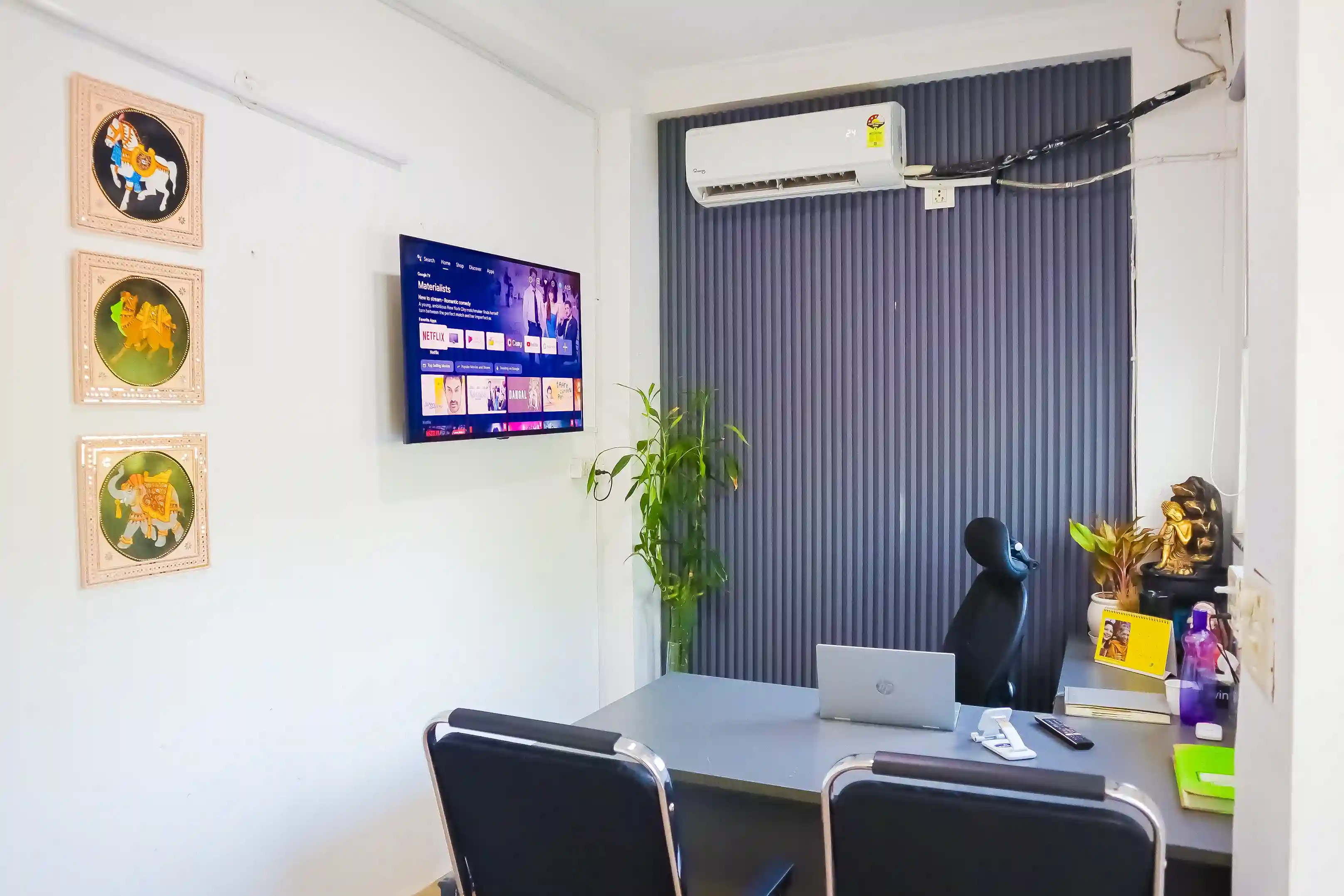
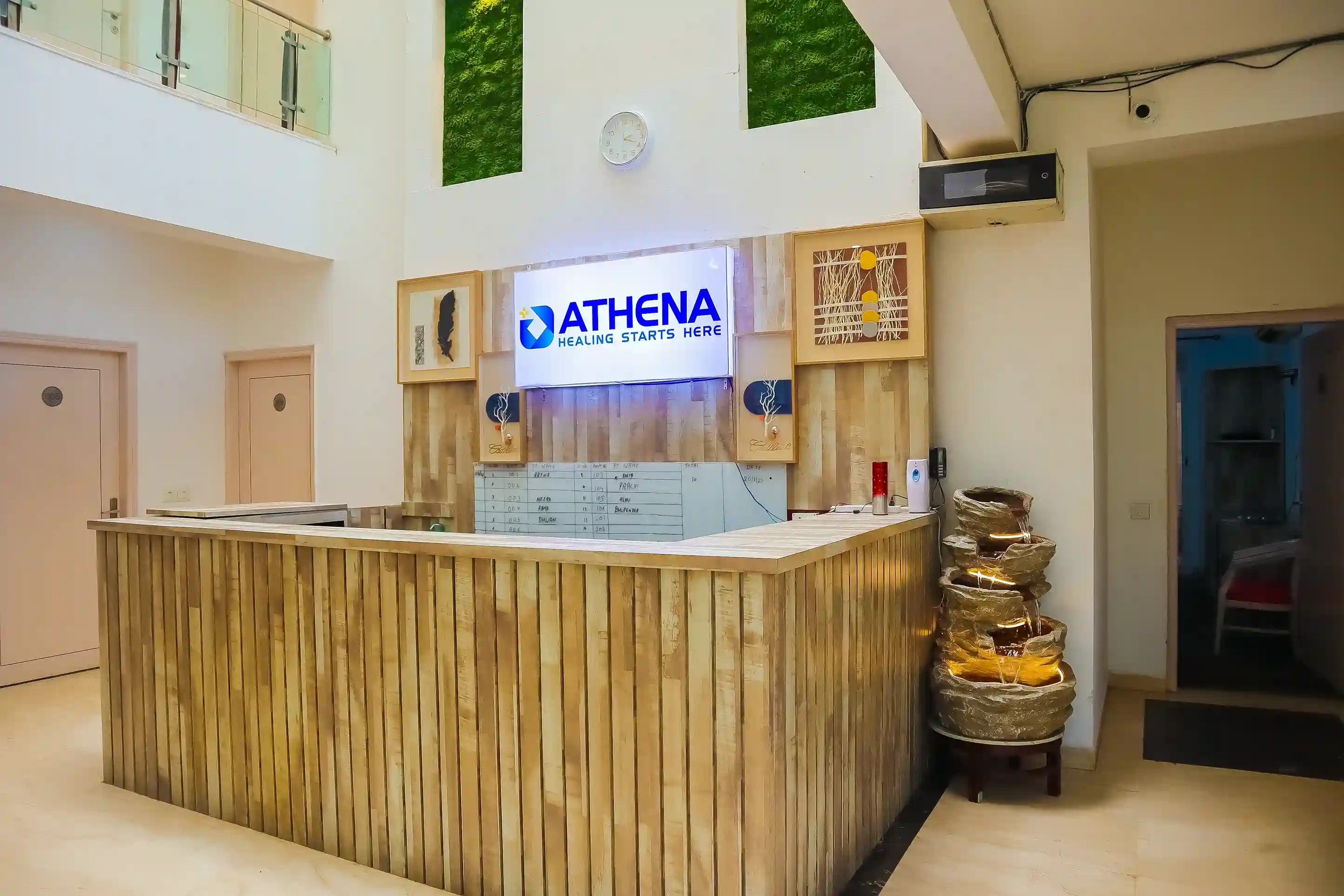
Take a Look Inside Our Gurgaon OKAS Facility


Conditions We Treat















.png)






What Our Patients Say
Frequently Asked Questions
The most effective approach treats both conditions together, under one psychiatric team, rather than sending a patient between separate addiction and psychiatric providers. At Athena OKAS, this integrated model is delivered inside an all-female residential setting, which is what distinguishes our programme as one of the best options in the region.
Yes, when it is medically supervised. Detoxification in a patient with active psychosis requires closer monitoring than standard detox, since withdrawal can temporarily intensify psychiatric symptoms. Our medical team manages this continuously, adjusting care as needed.
Programme length depends on clinical severity and response. Most patients stay between 30 and 90 days, with detox typically taking five to ten days, followed by a longer period of psychiatric stabilization and therapy.
Yes, at a pace appropriate to each situation. Family counseling sessions are structured to address the dynamics that frequently accompany dual diagnosis illness, and visiting is arranged once clinically appropriate.
Yes. Athena OKAS accepts women from across India, as well as NRI patients returning from the UK, USA, UAE, Canada, Singapore, and Australia, with pre-arrival virtual psychiatric consultations available.
Schizophrenia is a primary psychiatric disorder that can exist independently of substance use, while substance-induced psychosis is triggered directly by drug or alcohol use and often resolves once the substance clears the system. Because the symptoms can look similar in the short term, a careful psychiatric assessment over time is needed to tell the two apart, which is a core part of our intake process.
No. Confidentiality is absolute at Athena OKAS. Nothing about her admission, diagnosis, or treatment is disclosed to anyone, including employers or extended family, without her explicit written consent.
This is common with active psychosis, where insight into the illness is often affected by the condition itself. Families can call for a confidential consultation even before the person has agreed to treatment, and our team can advise on how to approach the conversation.
A relapse is treated as a clinical setback, not a failure. Our team reassesses immediately, stabilizes the patient, and adjusts the aftercare plan to strengthen long-term recovery.
Call our confidential helpline at +91 92890 86193, or send a message on WhatsApp. Our admissions team is available 24×7 and can arrange a same-day or next-day assessment.
How to reach Athena - Gurgaon OKAS
Athena OKAS, Gurgaon
446, Sector 39, Gurugram, Haryana 122003
Landmark: Sector 39, Gurugram
- Sector 39, 40, 41, 42, 43, 44
- Golf Course Extension Road
- Sohna Road nearby sectors
Contact us: +919289086193
Speak to Our Care Team - 24×7 Confidential Support
Confidential help is just a call or chat away. Our team is ready to listen - without judgment, without pressure.
