
Best Women PTSD and Addiction Treatment in Gurgaon
Athena Behavioral Health offers PTSD and addiction treatment for women in Gurgaon, built for the point where trauma and substance use have merged into a single pattern that a woman has been managing quietly, often for years, without anyone else noticing.
- Confidential intake assessing trauma
- Supervised detox in a women-only space
- Medication management with de-addiction care
- One treatment plan addressing both conditions
- Family involvement shaped around her actual situation
- Continued Relapse Prevention & Aftercare
Book Your Appointment

Women PTSD and Addiction Treatment in Gurgaon: A Harder Pattern to Spot
A drink to settle a racing mind before sleep, a prescription refilled more often than intended, small habits that start as ways to manage a nervous system that won't switch off. For a while this works well enough that no one, including her, questions it. Then the substance stops calming things down and starts adding new problems of its own, disturbed sleep, flatter mood, a growing sense of shame about how much she's been relying on it.
At Athena Behavioral Health, our Gurgaon Sector 39 centre offers PTSD and addiction treatment for women that starts with one shared Psychiatric Assessment & Diagnosis, not separate appointments with a psychiatrist for the trauma and a counsellor for the substance use who never actually compare notes. We look at what happened, when the substance use began relative to it, and what role it has genuinely been playing in her day to day life, before building one plan around all of it.
"If someone is expressing suicidal thoughts, particularly during a PTSD episode worsened by substance use, this requires immediate attention. Contact your local emergency number or the nearest hospital right away. Safety always comes first, before anything else."
Meet Our Psychiatrists for Women PTSD and Addiction Treatment in Gurgaon

Prof. (Dr.) Nimesh G. Desai

Dr. Ashish Mittal

Dr. Rahul Rai

Dr. Supriya Mathur

Dr. Adwitiya Ray

Dr. Mrigakshi Parasor

Dr. Anindo Mitra
A Programme Built With Women's Realities in Mind
Room to Speak Openly From the First Session
Assessment sessions are designed so a woman can talk honestly about substance use she may have kept hidden, alongside a full account of what happened and how it's affected her since.
A Detox Setting That Protects Her Privacy
When alcohol or substance withdrawal is medically necessary, it happens in a secure, women-only setting at our Gurgaon Sector 39 facility, with hyperarousal and sleep disruption tracked closely the whole time.
Trauma Care Begins Immediately, Not After Sobriety
She isn't asked to prove stability first. Trauma-focused work and addiction treatment start on the same day, moving forward together.
Flexibility for Women Juggling Multiple Responsibilities
Our Day Care Programme offers supervised hours at the centre each day, so treatment fits around caregiving or work without requiring a full residential stay.
Medication Decisions That Look at the Whole Picture
Antidepressants and anti-anxiety medications are chosen with substance use history factored in, along with hormonal or reproductive health considerations where relevant.
Support for the Body, Not Just the Story
Mindfulness, Yoga & Wellness sessions give her physical, practical tools for the restlessness and hyperarousal that often show up before a relapse.
Clinical Excellence
A Team That Recognises How Trauma Shows Up Differently in Women

Our psychiatrists and clinical psychologists understand that PTSD and addiction in women are frequently overlooked, or read as something else entirely, stress, exhaustion, being "a bit much" lately. Women searching for the best PTSD and addiction treatment for women in Gurgaon have often spent years being told their drinking is just how they unwind, while the trauma underneath it went unspoken.
Each woman's path here looks different. Someone processing a single traumatic event needs a different plan than someone whose substance use built up gradually across years of ongoing, unaddressed trauma. Working women managing this alongside demanding careers can use our Corporate Wellness & EAP and Executive & High-Performance Care programmes, and younger patients are supported through Child & Adolescent Psychiatry.
One clinical team stays with her from the first appointment through long-term stability, keeping every detail of her case in view. She's never left explaining her story again to someone unfamiliar with it, each step simply builds on what the last professional already understood.
Modern Lifetime Challenges
Why This Pattern Stays Hidden Longer in Women Across Gurgaon
Women are often expected to keep every part of life running smoothly, work, home, caregiving, all at once, which leaves almost no room to acknowledge that something is genuinely wrong. Add a stronger social stigma around women's drinking, and trauma symptoms that could otherwise be caught early get pushed aside and reframed as personality traits or ordinary stress instead.
There's a meaningful difference between drinking through a difficult stretch and substance use that's actually rooted in unresolved trauma, and recognising this distinction matters for effective treatment. Temporary substance use is usually linked to a specific, time-limited stressor and tends to ease naturally once that stressor is behind her, requiring less intensive intervention.
Trauma-driven substance use, on the other hand, often becomes the regular way to manage flashbacks or hyperarousal that simply don't fade on their own. Over time, this keeps both conditions tightly bound together, making recovery more complicated without proper support.
At Athena, a trusted nasha mukti kendra in Gurgaon, our team understands this difference well. We work closely with patients to identify whether trauma is driving their substance use, offering integrated care that addresses both issues together rather than treating them as separate problems, leading to more lasting recovery.

Recognising the Signs at Home: A Quick Reference for Families
Sometimes it's not the woman herself who notices first, it's the people around her picking up on small shifts in routine or mood. This table is meant as a starting point for family members trying to make sense of what they're seeing, without jumping to conclusions.
| What You Might Notice at Home | What It Could Point To | A Simple Way to Respond |
| She skips gatherings she used to enjoy, without a clear reason | A specific place, person, or topic may be triggering discomfort she hasn't named | Ask gently what changed, rather than pushing her to attend anyway |
| She's started keeping a bottle or medication strip in her room instead of the usual cabinet | She may be trying to manage use privately, away from questions | Bring it up without accusation, focus on how she's been feeling lately |
| Her sleep pattern has flipped, awake most of the night, drained through the day | Disrupted sleep often sits alongside unresolved trauma symptoms | Mention the pattern itself first, before asking about the cause |
| She snaps at small, ordinary things that never used to bother her | A shortened fuse can signal a nervous system running on edge | Give her space in the moment, then check in once things are calmer |
| She seems fine for weeks, then withdraws sharply after a small setback | This kind of dip often follows real progress being interrupted by an old trigger | Avoid treating it as a step backward, ask what happened right before it started |
Signs Women Are Often Told to Push Through
Because women are so often praised for coping quietly, these signs get explained away for far longer than they should, by the woman herself and by people close to her.
Substance Use Rising Alongside Anxiety or Flashbacks
Drinking or medication use that quietly increases as intrusive memories or a constant sense of unease grow stronger.
Using Substances to Numb, Not to Relax
Alcohol or sedatives relied on specifically to blunt an emotional reaction, not for enjoyment or social connection.
Reactions That Intensify After Substance Use
Tearfulness, irritability, or an exaggerated startle response that becomes noticeably sharper in the hours following use.
Slipping Back Right After Real Progress
Completing treatment, or responding well to therapy, only to relapse once trauma symptoms resurface unaddressed.
Quietly Avoiding Specific Places or People
Steering clear of certain settings or conversations without explanation, often alongside a rise in substance use to manage the avoidance.
Loved Ones Noticing Something Is Off but Unable to Say What
Family sensing withdrawal or changed behaviour without being able to tell whether it's trauma, addiction, or both.
Not Sure If This Is You? Talk to a Specialist
Confidential Support, available 24×7
ABOUT THERAPY AT ATHENA
Four Stages of Care for Women at Our Gurgaon Centre
Stage One: A Single, Private Assessment
A psychiatrist conducts one thorough Psychiatric Assessment & Diagnosis, covering her trauma history, current symptoms, substance use, and how the three connect.
Stage Two: Detox in a Secure, Supervised Setting
Where withdrawal management is needed, it takes place privately at our Gurgaon Sector 39 centre, with hypervigilance and sleep disturbance tracked closely throughout.
Stage Three: Trauma Care and De-Addiction Running Together
Trauma-focused Psychotherapy & Counselling and medication management move forward alongside addiction-focused CBT, at the same pace.
Stage Four: Building a Life That Holds
As symptoms settle, focus shifts to Mindfulness, Yoga & Wellness, a sustainable daily routine, and a Relapse Prevention & Aftercare plan built around her specific triggers.
Why Choose Us
What a Coordinated, Women-Focused Team Actually Changes

A psychiatrist and a clinical psychologist manage every case together, working from shared notes within a space designed specifically for women's privacy and comfort, not a general programme simply adjusted after the fact to fit. This matters because treating addiction while trauma remains unspoken, or addressing trauma while substance use continues unchecked, tends to bring both conditions right back, often stronger than before.
Getting better also isn't a single point she reaches and then moves past for good. Recovery doesn't work that way. A new caregiving demand, a sudden career change, or an unplanned reminder of the past can bring both trauma symptoms and cravings rushing back, even after months of real, sustained progress. This is precisely why continued support matters long after the initial improvement is visible.
For women who need more than occasional therapy but aren't quite at the point of requiring a residential stay, our Day Care Programme offers a practical middle ground. It provides structured, supervised hours each day, with access to therapy, psychiatric support, and peer connection, while she continues living at home and managing her everyday responsibilities alongside treatment.
How We Help
What Happens Once She Picks Up the Phone
Reaching out is often the hardest part for women who've spent years managing everything on their own. Here's what happens once she takes that step.
Call our helpline or message us on WhatsApp, and receive confirmation of her first appointment the same day.
A psychiatrist carries out a full Psychiatric Assessment & Diagnosis covering both conditions together, in person at our Gurgaon Sector 39 centre or through a private video consultation.
Medical detox where needed, medication management, trauma-focused Psychotherapy & Counselling, family sessions, and our Day Care Programme where appropriate, brought together around what she specifically needs.
Our Relapse Prevention & Aftercare programme keeps tracking triggers for both trauma and substance use, since they tend to resurface together.
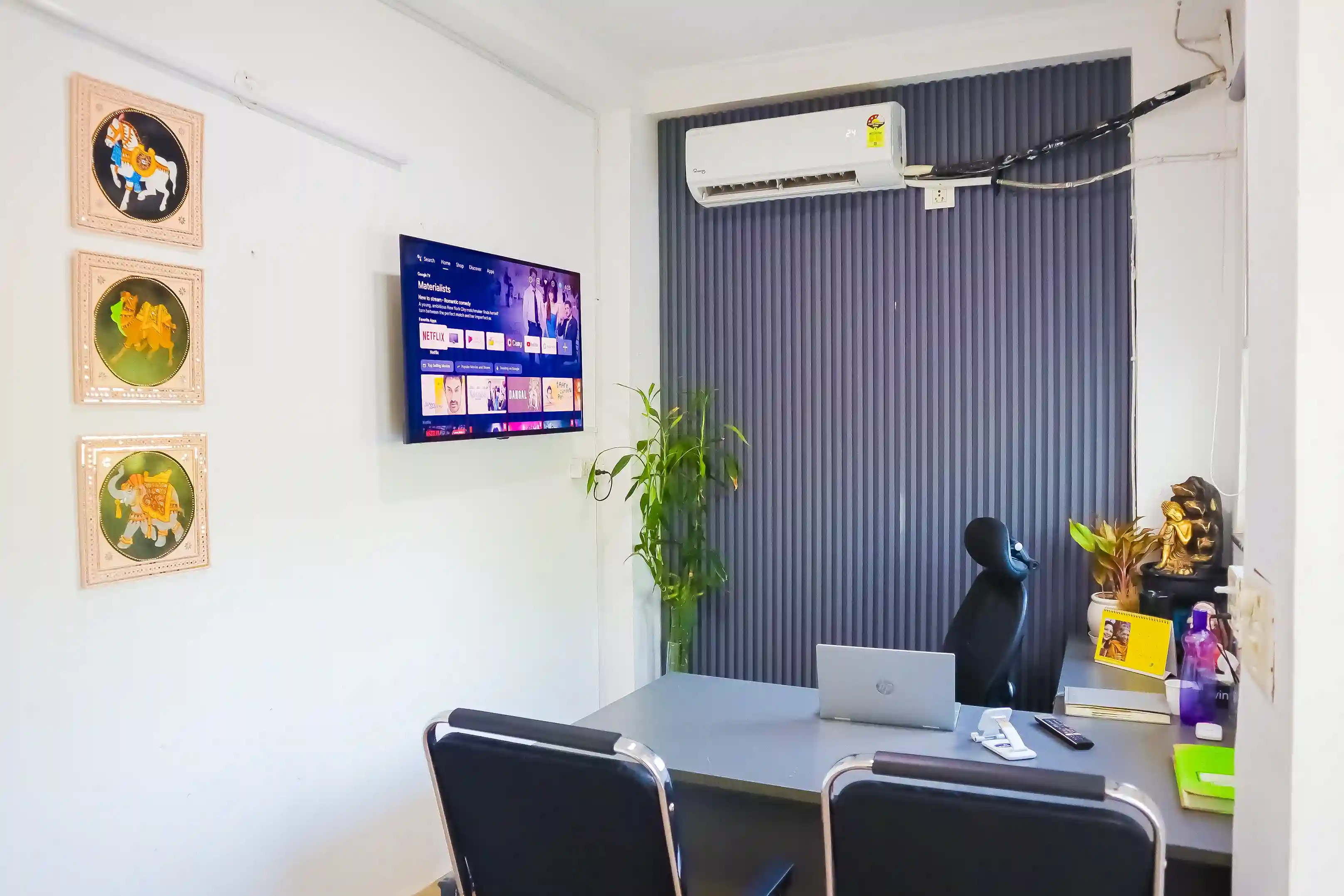
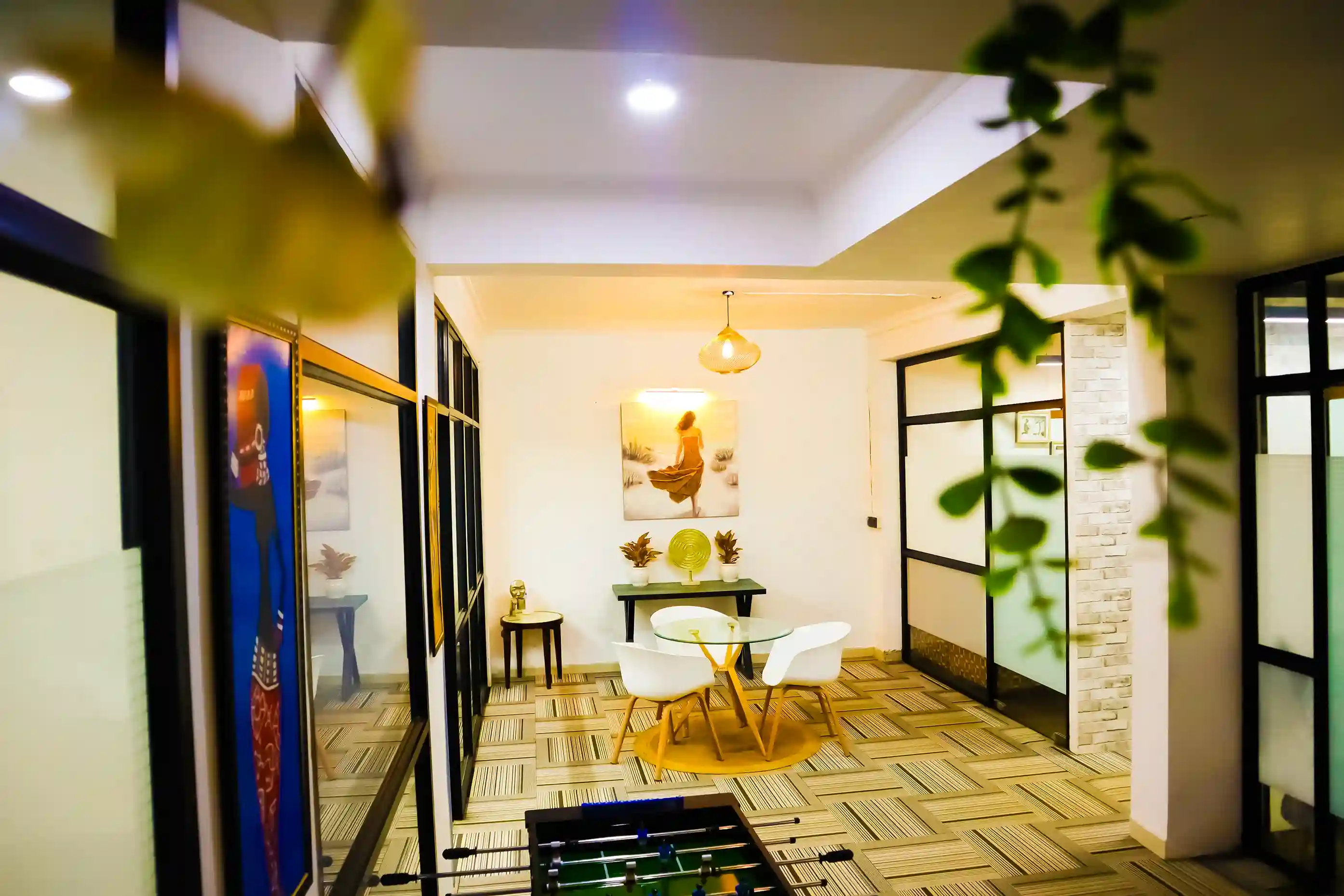
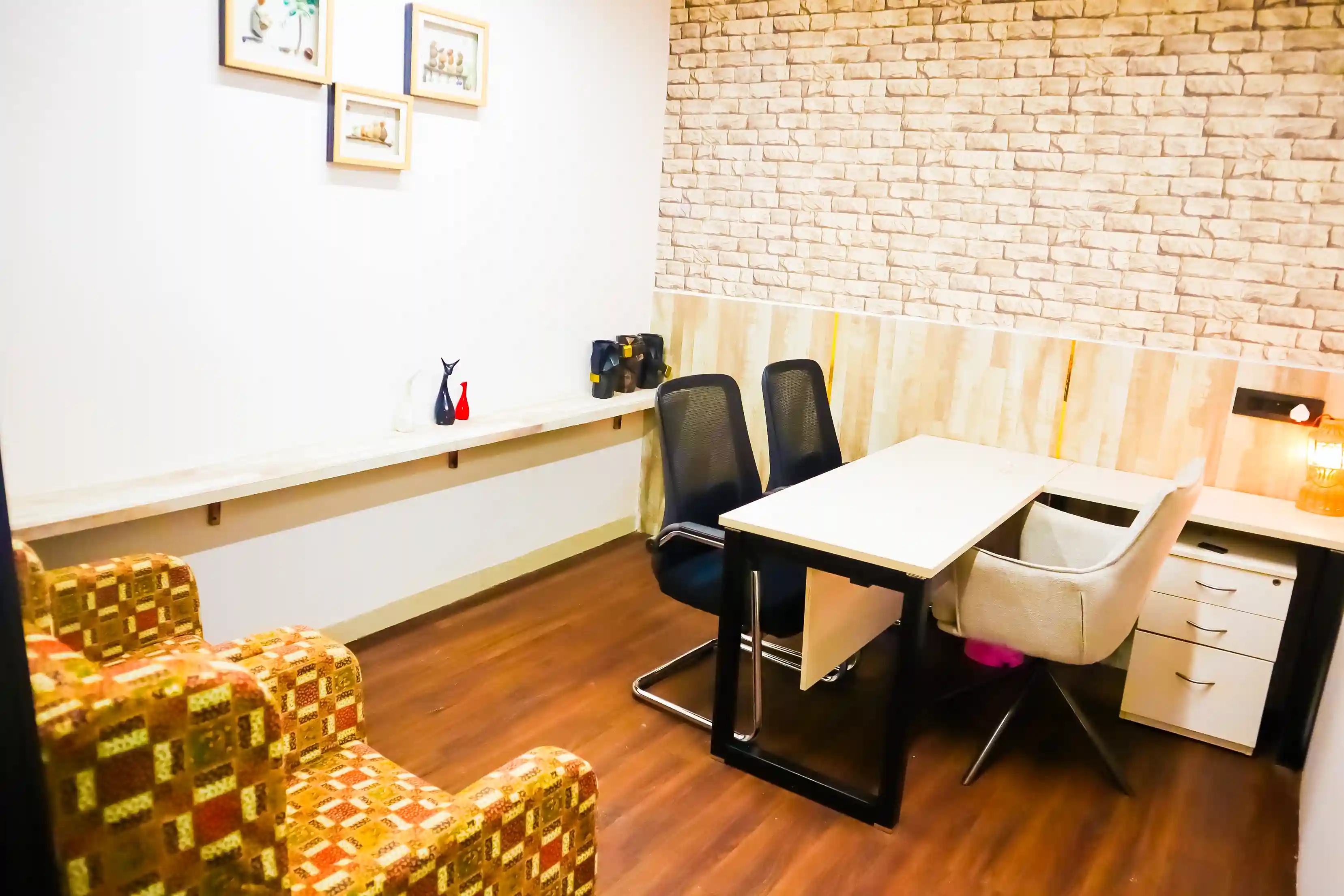
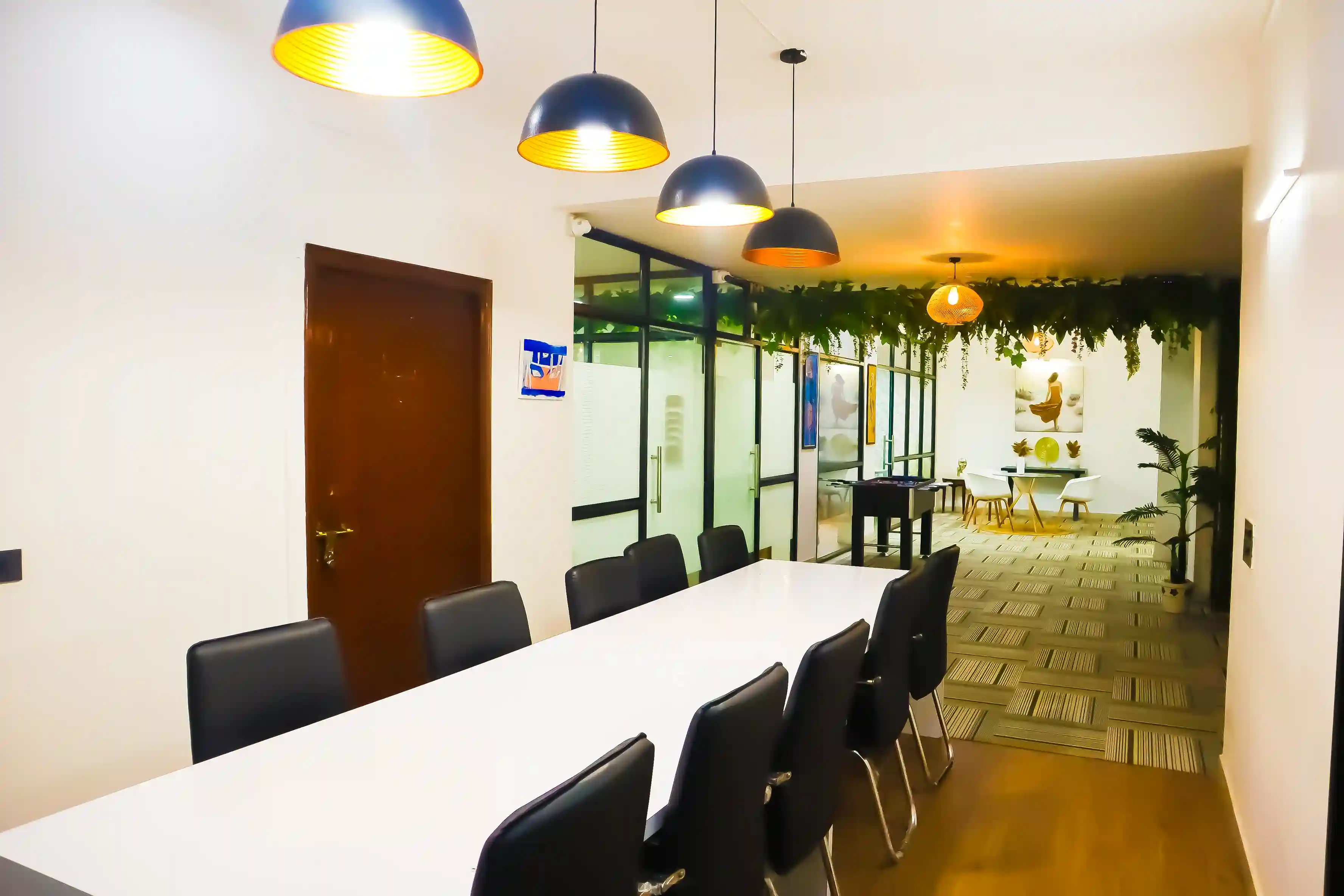
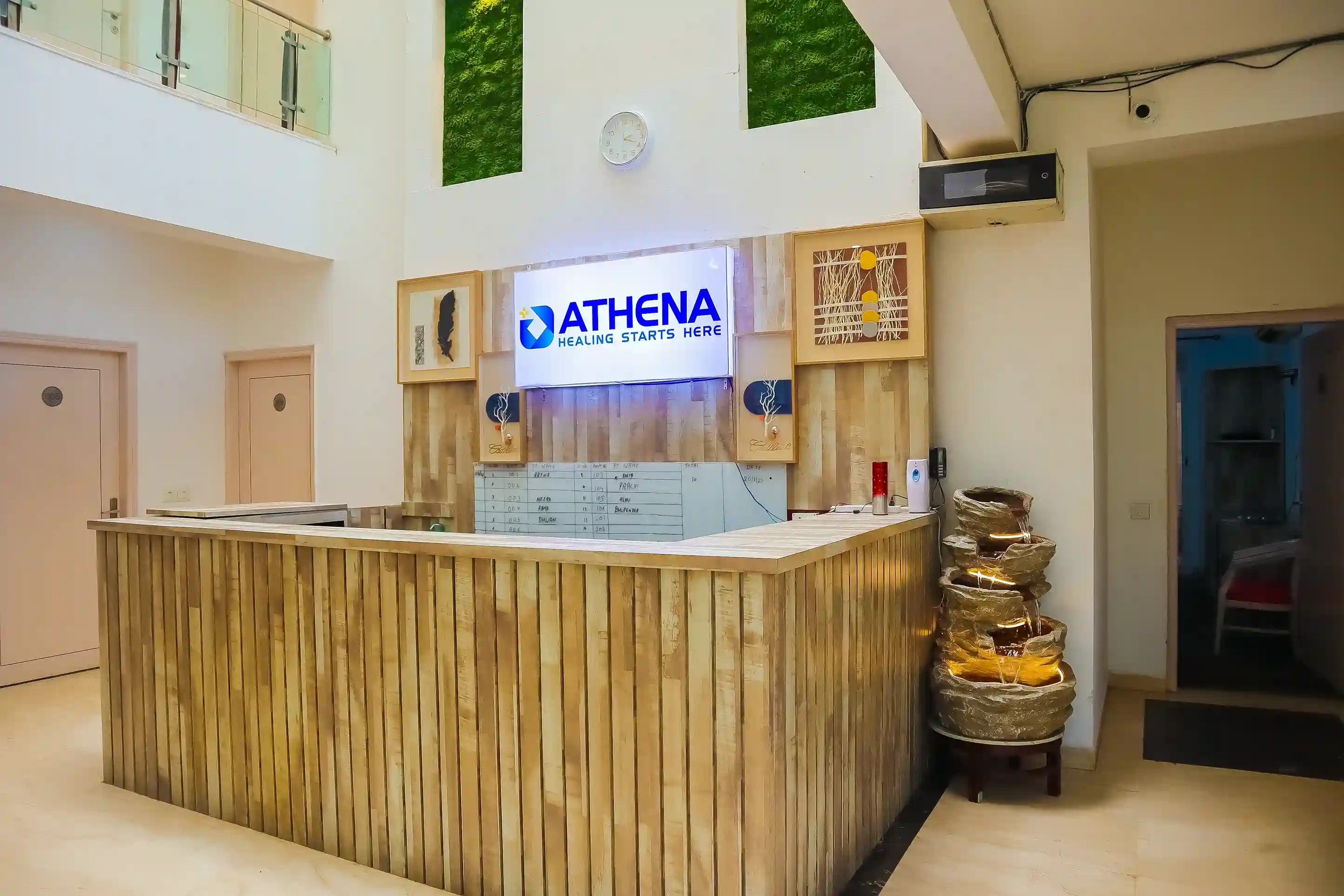
Take a Look Inside Our Gurgaon OKAS Facility



Conditions We Treat















.png)






WHAT OUR PATIENTS SAY
Frequently Asked Questions
Women's drinking is frequently read as stress relief, while trauma symptoms like poor sleep or constant edginess get dismissed as normal exhaustion from managing multiple responsibilities, letting both conditions go unaddressed for far too long.
This is evaluated carefully during intake, since certain combinations need specific attention, including any relevant hormonal or reproductive health factors. Medication choice and monitoring are adjusted accordingly.
Where withdrawal management is medically necessary, it comes first, under close, private supervision, with trauma symptoms tracked throughout. Trauma treatment then continues alongside ongoing addiction care.
No, Many cases are managed through outpatient care or our Day Care Programme. More severe situations, particularly active suicidal risk, may need closer supervision for a period.
Yes, sustained, integrated care combining medication management, trauma-focused therapy, and family involvement produces meaningfully better long-term outcomes than treating either condition alone.
Neither comes first. Both are treated at the same time, since focusing on one while the other stays unaddressed reliably leads to relapse in whichever condition was left out.
Look at what's driving it. If a substance is being used specifically to numb flashbacks or manage constant unease rather than for enjoyment, that points to a real connection, and a proper assessment can confirm it.
More than most expect. Family sessions help partners, parents, or children understand how trauma and substance use have been reinforcing each other, changing how they respond and support recovery going forward.
It depends heavily on severity and history, and ongoing follow-up matters more than any fixed timeline. This isn't a programme with a set end date.
Trauma history, current symptoms, substance use patterns, and family or caregiving context, all mapped out together to shape one treatment plan from day one.
How to reach Athena - Gurgaon OKAS
Athena OKAS, Gurgaon
446, Sector 39, Gurugram, Haryana 122003
Landmark: Sector 39, Gurugram
- Sector 39, 40, 41, 42, 43, 44
- Golf Course Extension Road
- Sohna Road nearby sectors
Contact us: +919289086193
Speak to Our Care Team - 24×7 Confidential Support
Confidential help is just a call or chat away. Our team is ready to listen - without judgment, without pressure.
