
Women Internet & Mobile Addiction Treatment in Gurgaon
Athena Behavioral Health provides women internet & mobile addiction treatment in Gurgaon built around the specific pressures and roles that shape how this shows up in women's lives.
- Women-only consultation spaces
- Female psychiatrists on request
- Digital detox built around real life
- One-on-one CBT for compulsive use
- Family involved only when ready
- Structured follow-ups post-discharge
Book Your Appointment

You Don't Need a Clean Explanation to Reach Out
Women's Internet Addiction Treatment in Gurgaon often starts with something that sounds small. Checking work messages at 2 a.m. because it feels irresponsible not to. Scrolling for an hour after the kids are finally asleep because it's the only time that feels like "hers." Using social media to manage loneliness after a move or a difficult period at home. None of this looks dramatic at first.
At Athena OKAS, women's mobile addiction treatment in Gurgaon begins with a private conversation, not a checklist. A psychiatrist works through digital habits, the emotional patterns beneath them, and the role the phone or internet has been playing, often tied to caregiving pressure, work stress, isolation, or something from years earlier. Where the patient is a young woman still in school or college, our Child & Adolescent Psychiatry specialists are brought in, since screen dependency at that age is usually connected to academic pressure, friendships, or family dynamics in ways adult-focused care can overlook.
"If someone shows signs of severe distress, panic, or thoughts of self-harm connected to being away from their phone or the internet, treat it as urgent. Contact your local emergency number or the nearest hospital immediately. A person's safety always comes first."
Our Dedicated Treatment Team for Internet & Mobile Addiction

Prof. (Dr.) Nimesh G. Desai

Dr. Ashish Mittal

Dr. Rahul Rai

Dr. Supriya Mathur

Dr. Adwitiya Ray

Dr. Mrigakshi Parasor

Dr. Anindo Mitra
What Treatment Actually Looks Like When You Walk In
We Ask, We Don't Assume
In the first session, we learn about the actual practice of using the screen, changes at work or at home, and whether there is an underlying cause – anxiety, exhaustion, or loneliness.
Digital Detox is Tailored to Your Life
Instead of an unrealistic deadline, we design screen-time limits and phone-free practices that take into account commitments such as caring for others, working,, and other responsibilities.
Diverse Degrees of Help
If more structure is needed than weekly sessions but not the residential program, our Day Care Programme allows spending several supervised hours at the center daily while the patient returns home in the evening.
Every Consultation is Confidential
Appointments are scheduled so that women will never face their known person.
Medication Will Be Applied Only if It's Necessary
No medication will cure digital addiction, but there are medications that are used if anxiety, depression, or sleep issues occur.
Physical Recovery is Part of the Process as Well
Our Mindfulness, Yoga & Wellness sessions provide screen-free alternatives for dealing with stress and restlessness,, which will be most helpful in the beginning, when the craving to turn to a device is strongest.
Clinical Excellence
A Team That Understands How This Shows Up Differently in Women
Digital dependency in women often gets missed entirely, either dismissed as normal multitasking or hidden well enough that even close family does not notice. A phone that is always in hand can look like productivity or simply a busy life, so the problem grows quietly for years. Our clinicians treat behavioral addiction as a core focus and understand the pressures that bring women to this point, from caregiving burnout to social comparison to using screens to manage emotions that feel harder to express elsewhere.

At Athena Behavioral Health, every plan begins with an unhurried assessment led by an experienced psychiatrist in Gurgaon, exploring what the screen is actually doing for the person, whether that's offering relief, connection, or simply an escape from something harder to face.
For younger patients, our Child & Adolescent Psychiatry team leads the assessment directly, since screen dependency in adolescents often looks and responds differently than it does in adults. It is frequently linked to academic pressure, peer comparison, or tension at home, and parents are involved early with practical guidance.
One clinician follows a patient's case from the first session through discharge, so nothing has to be repeated to someone new midway through. This continuity builds trust, which matters most when a woman is talking about habits she may feel guilty or embarrassed about. It also means changes in mood, sleep, or behavior are noticed early, and the plan can be adjusted before a small setback becomes a full relapse.
Modern Lifetime Challenges
Why Gurgaon Life Makes This Easy to Overlook in Women
Long working hours in a city that revolves around corporate schedules leave many women with very little time for themselves, and the pressure to keep a home running while staying fully engaged at work adds another layer of exhaustion. Social circles where being constantly online is considered normal make heavy use look ordinary, and a reluctance to talk openly about mental well-being means few women stop to question their habits.
It is important to distinguish between a woman who is a heavy user of her smartphone and the internet and a woman who has developed an addiction. Heavy use is often linked to a demanding job, family coordination, or a busy phase of life, and she can still put the phone down when she needs to. Addiction looks different: the habit starts to control her time and mood instead of the other way around.
Regular Usage: Her screen time does not affect her sleep, her relationships with others, her parenting, or her work in any real way. She can be fully present during meals, conversations, and time with her children without feeling the urge to check her phone. A few hours away from the device, or even a whole day, does not leave her restless or anxious.
Addiction: The screen has turned into something necessary for her to be okay, and without it she feels uncomfortable or distressed. Sleep, focus at work, patience with family, and closeness in relationships begin to suffer, yet she keeps returning to the device even when she wants to cut back. Irritability, restlessness, or low mood often appear when she cannot access it, and many women hide how much time they spend online or feel guilty afterwards.

Matching Digital Habits to the Right Level of Care
Families often ask us how to tell whether what they're seeing is ordinary phone use or something that needs professional attention, and if so, how much. There's no single line that separates the two, and the honest answer is that it depends on how the pattern is affecting sleep, relationships, and day-to-day responsibilities.
| Presenting Pattern | What It Often Looks Like | Care Approach Generally Recommended |
| Heavy but Functional Use | Frequent phone use, but sleep, work and relationships remain largely unaffected | A single consultation to review habits, with practical guidance rather than a full program |
| Early Signs of Dependency | Restlessness when the phone isn't nearby, screen time creeping later into the night | Weekly outpatient sessions focused on CBT and a tailored digital detox plan |
| Compulsive Use With Daily Impact | Repeated failed attempts to cut back, withdrawal from family or friends | Day Care Programme combining structured therapy hours with Mindfulness, Yoga & Wellness sessions |
| Significant Disruption to Responsibilities | Missed deadlines, neglected caregiving duties, visible decline in daily functioning | Intensive Day Care support with closer psychiatric monitoring and medication reviewed if needed |
| Severe Distress or Co-occurring Crisis | Panic, severe anxiety, depression or thoughts of self-harm tied to reduced device access | Immediate clinical stabilisation, with round-the-clock support and psychiatric care |
The Signs That Get Overlooked the Longest in Women
Because women are often expected to hold everything together, the warning signs tend to be explained away for longer than they should be.
Restlessness Without Her Phone
Visible anxiety or irritability the moment it isn't within reach.
Sleep Steadily Pushed Later
Staying up well past midnight scrolling, chatting, or watching videos, with no natural stopping point.
Withdrawing From People She's Close To
Pulling back from friends, family, or a partner without an obvious reason.
Repeated Attempts to Cut Back That Don't Stick
Promising to spend less time online and not managing to follow through, more than once.
A Struggle to Keep Up With Responsibilities
Missed deadlines at work, forgotten commitments at home, or a noticeable drop in how she's managing day to day.
Insisting She Has It Under Control
Denying there's a problem even when the people closest to her can see otherwise.
Not Sure If This Is You? Talk to a Specialist
Confidential Support, available 24×7
About Therapy At Athena
How Treatment Moves Forward, Step by Step
Step One, Assessment
A psychiatric evaluation based on digital habits, emotional history, family history, and other mental health conditions takes place before the recommendation of treatment can be made. In case the patient is a young girl still enrolled in school, this step is undertaken by our Child & Adolescent Psychiatry division.
Step Two: Digital Detox Program Plan
Rather than the abrupt cessation of all activities, the program begins with the realistic guidelines of what to do, how to manage notifications and phone calls, taking into consideration the real-life obligations of the girl.
Step Three: Therapy and Wellness Sessions
In CBT therapy, the underlying reasons for the problematic behaviors are addressed, while Mindfulness, Yoga & Wellness sessions provide skills to cope with anxiety and agitation related to decreased screen time. If it is required, the program may be administered in the Day Care Programme, rather than regular outpatient sessions.
Step Four, Rebuilding a Functional Life
Sleeping habits are restored, the day-to-day schedule is established, and family is involved if necessary for the process of recovery.
Why Choose Us
We Treat the Woman, Not Just the Screen Time

Every plan at Athena OKAS is built jointly by a psychiatrist and a therapist working from the same understanding of the patient, not two separate processes running in parallel. The plan a woman receives reflects one coherent picture of her, not fragments passed between people who've never actually spoken to each other. Treatment doesn't stop the day she walks out either. She leaves with a written plan for maintaining healthy digital boundaries and knows she can reach out again if a difficult period puts her progress at risk.
We also don't treat every case the same way. A working mother using her phone to cope with exhaustion needs a different plan than a student navigating academic and social pressure for the first time away from home, which is why younger patients are assessed separately by our Child & Adolescent Psychiatry team from the start.
For women who need this handled with complete discretion, whether because of work, family, or simply wanting privacy, the program is built to start quickly and stay private from the very first call, with the Day Care option and Mindfulness, Yoga & Wellness sessions available for anyone who needs more structure than weekly visits.
How We Help
From Your First Message to Ongoing Support
Taking action is always the bravest step. This is how things will be for you afterwards.
Either give us a call on our care line or message us on WhatsApp and get confirmed for your initial appointment on the very same day.
A psychiatrist discusses digital behavior, emotional background, and individual situation, either face-to-face or via a confidential online video session.
Digital detox planning, therapy sessions, wellness treatment, and whenever necessary, our Day Care Programme is all incorporated, depending on your real-life situation.
Further planned follow-ups help sustain your success once your normal routine starts again.
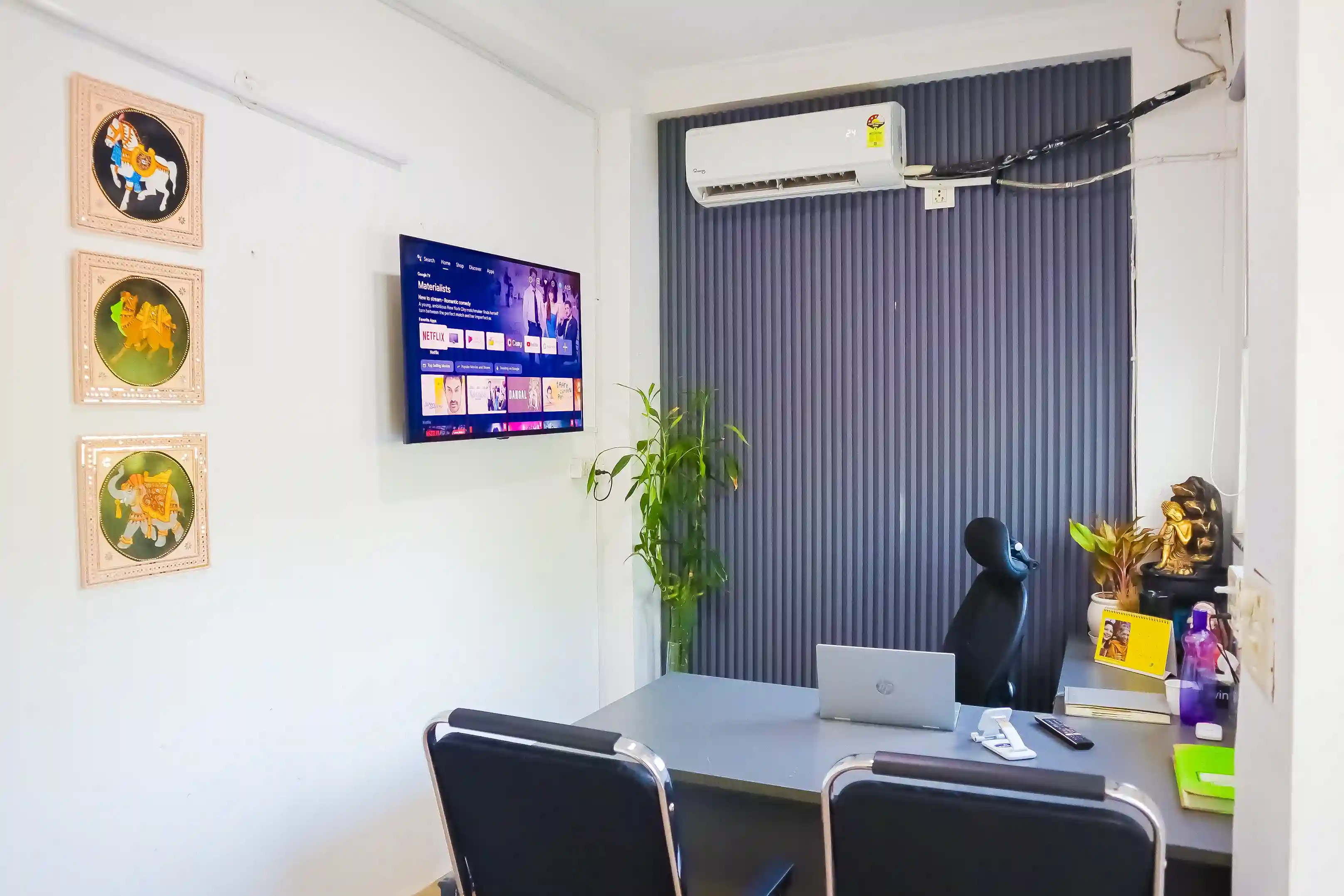
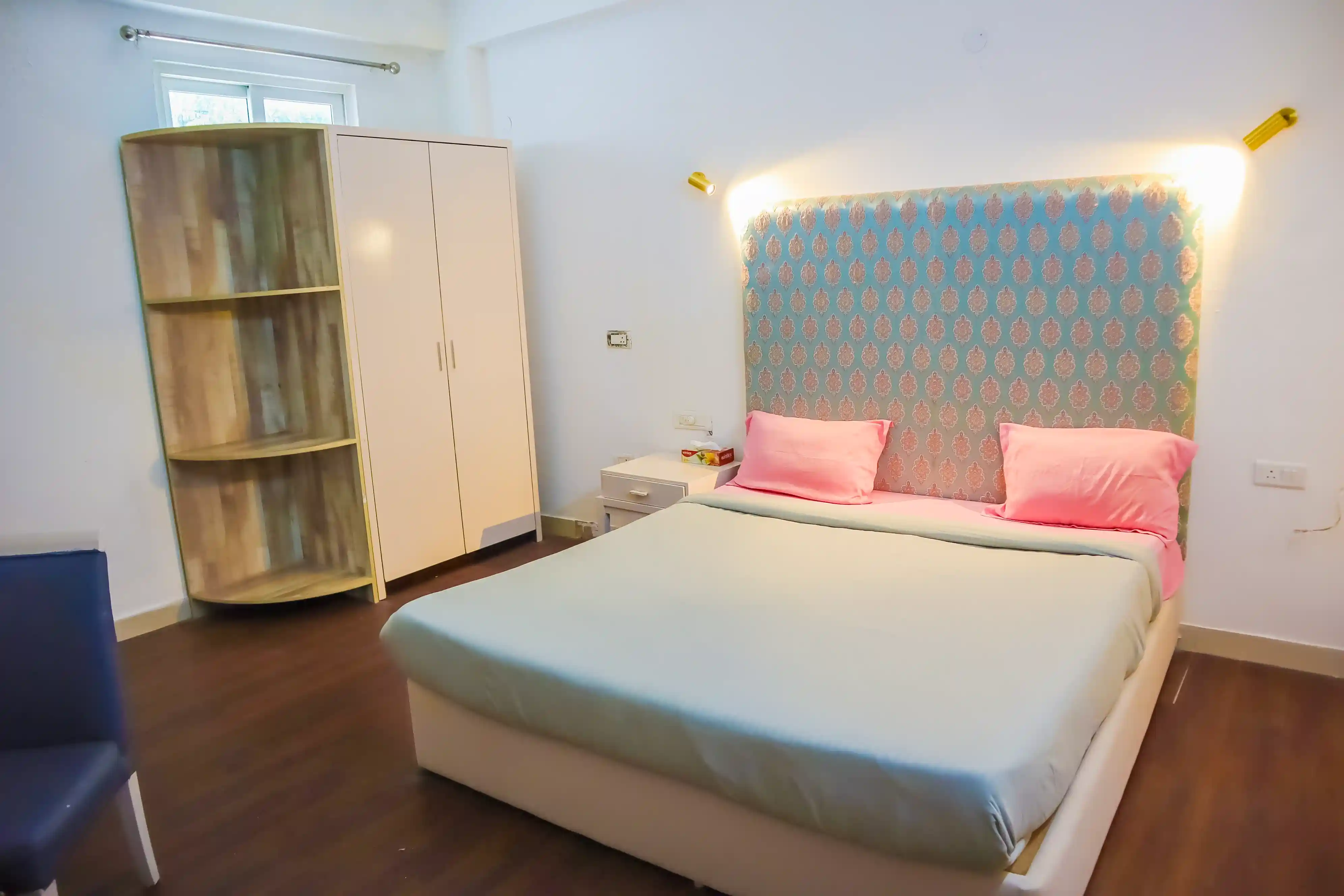
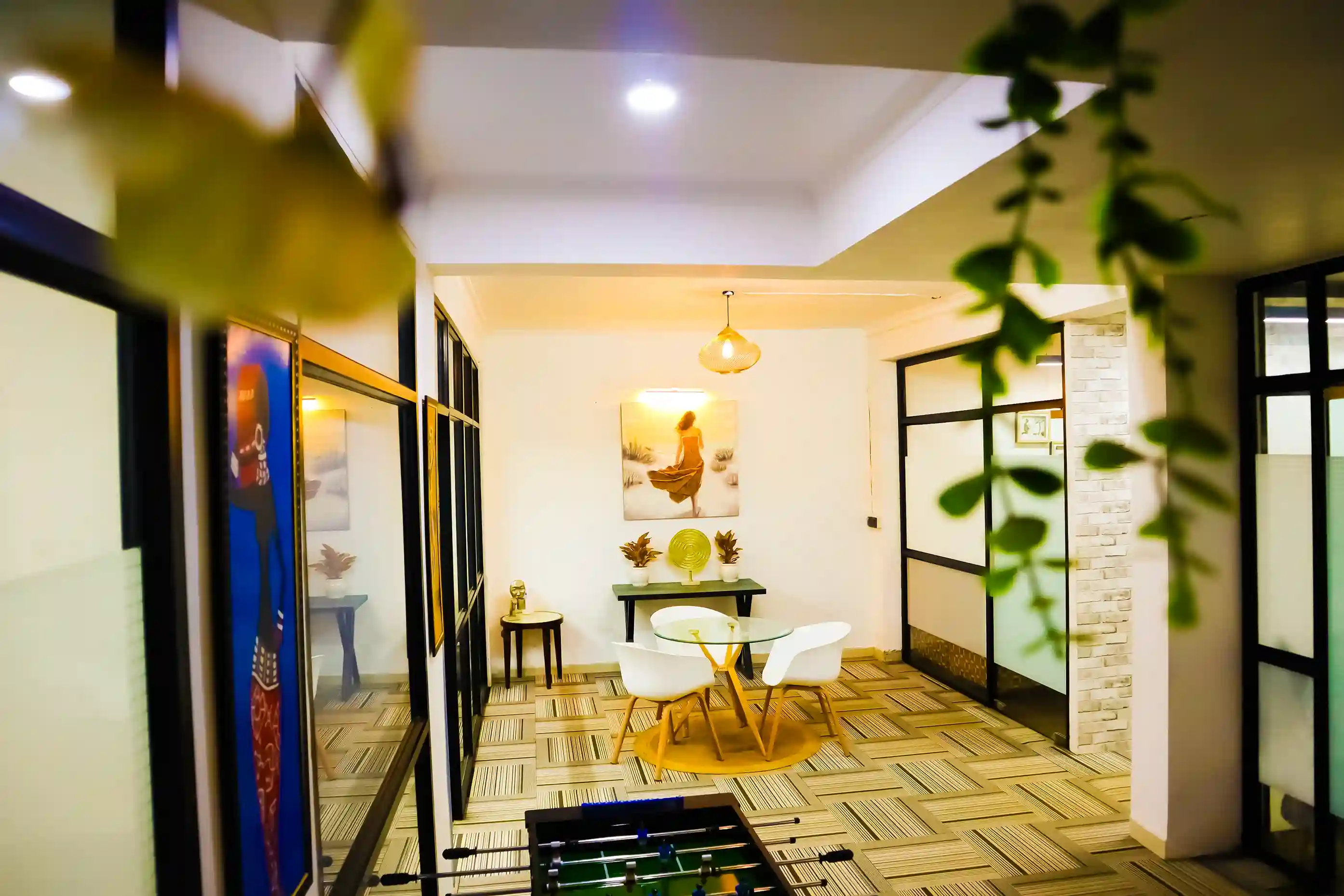
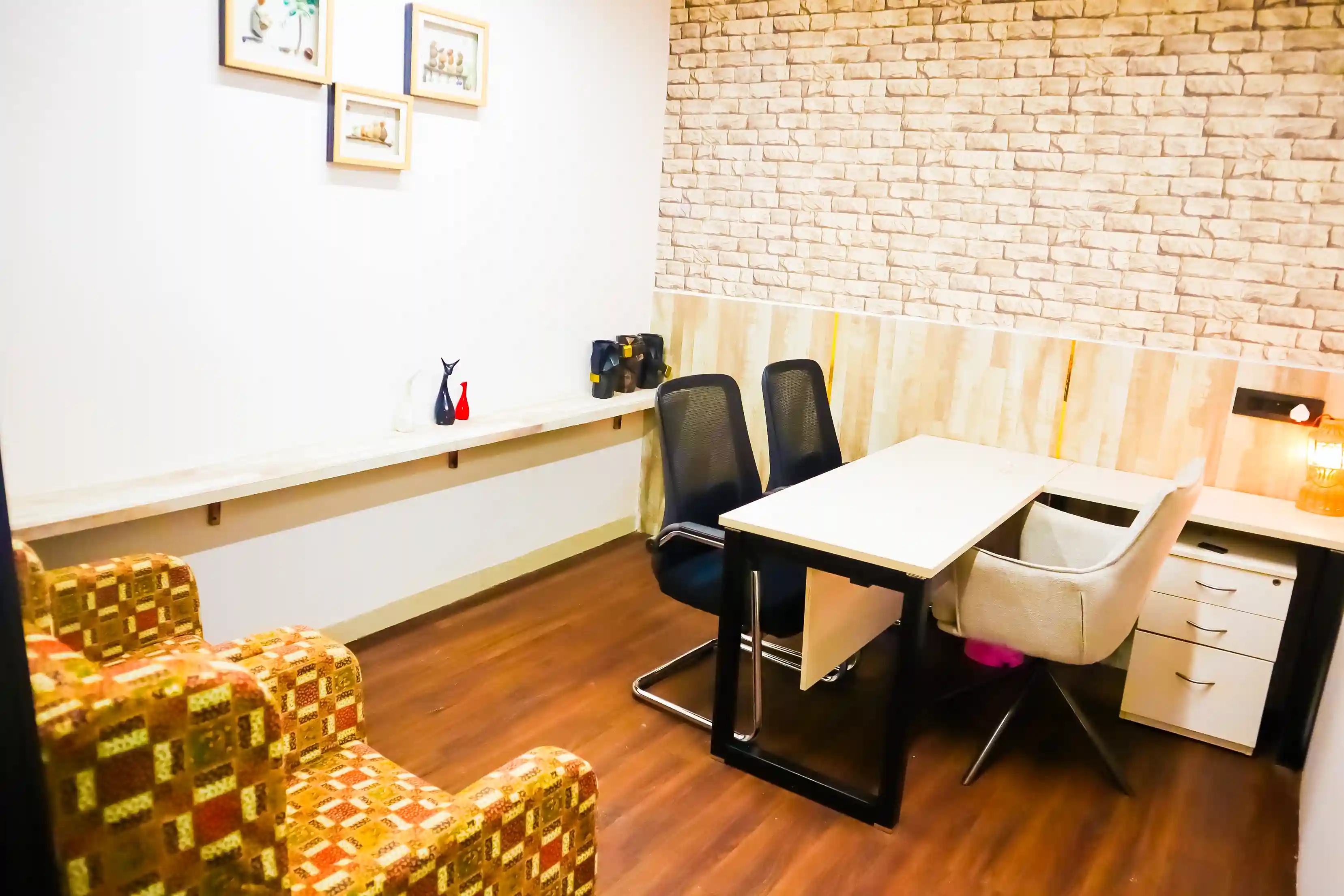
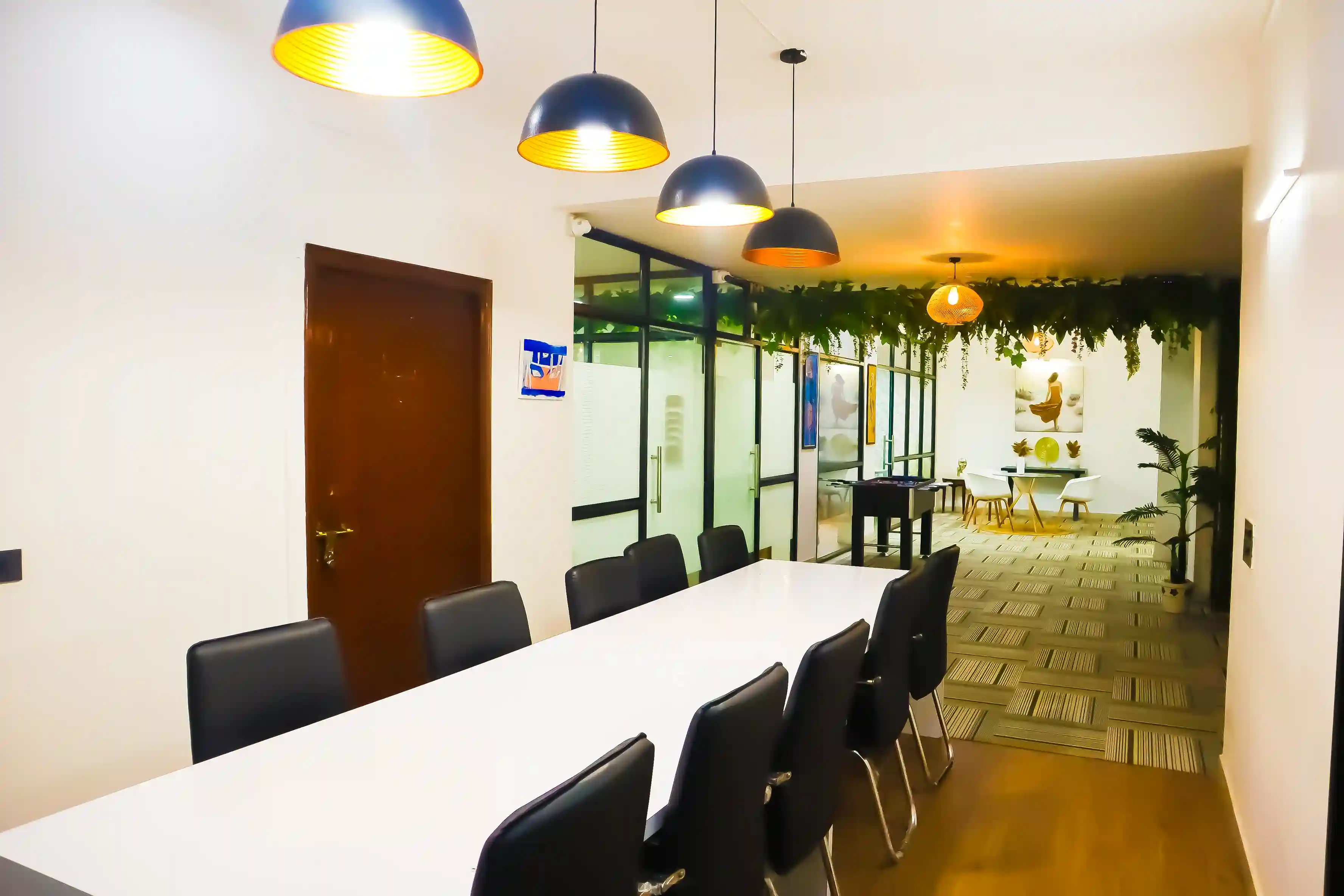
Take a Look Inside Our Gurgaon OKAS Facility



Conditions We Treat















.png)






What Our Patients Say
Frequently Asked Questions
A structured plan involving psychiatric evaluation, individual therapy, and family involvement, where needed, tends to work better than trying again alone. Professional support addresses the underlying reasons the pattern returned, which self-help attempts usually miss.
Yes, A private video consultation is available for women who aren't ready to come in right away, and it's often the easiest way to start the process.
No, Medication is administered for specific issues, such as anxiety, depression, or a sleeping disorder, which occur and are monitored periodically; moreover, many women are able to go through the program just via therapy.
Yes, we have developed our Day Care Programme specifically for that purpose, which includes a certain amount of therapy, supervision, and Mindfulness, Yoga & Wellness Programmes.
Lifestyle changes help if the use is not compulsive yet, but it usually is not enough if the woman becomes addicted. Lifestyle changes work well in combination with therapy.
Yes, Severe distress connected to reduced device access, along with any co-occurring anxiety or depression, is stabilized and managed clinically, with the same urgency regardless of the case. Our team is reachable around the clock for exactly this kind of situation.
Appointments are scheduled so patients never overlap, and every consultation takes place in a private, women-only space. There's no need to make a special request for this.
I recommend calling yourself first to learn what kind of consultation it is. The woman is more likely to undergo it herself after seeing how you went through the whole procedure.
It depends on the period for which the person was addicted and how her organism reacted to the first consultations. A slow beginning during the first period is absolutely natural.
A psychiatrist spends about an hour analyzing digital activities, symptoms, personal history, and prior attempts to stop the behavior in a comfortable environment. For children, it is done by our Child & Adolescent Psychiatry department.
How to reach Athena - Gurgaon OKAS
Athena OKAS, Gurgaon
446, Sector 39, Gurugram, Haryana 122003
Landmark: Sector 39, Gurugram
- Sector 39, 40, 41, 42, 43, 44
- Golf Course Extension Road
- Sohna Road nearby sectors
Contact us: +919289086193
Speak to Our Care Team - 24×7 Confidential Support
Confidential help is just a call or chat away. Our team is ready to listen - without judgment, without pressure.
