
Women Depression Treatment in Gurgaon
Athena OKAS provides women's depression treatment in Gurgaon for exactly this, when low mood stops being something to push through and starts affecting how a woman functions and shows up for herself.
- Full Psychiatric Assessment & Diagnosis within 24 hours
- Female psychiatrists and therapists available on request
- Evidence-based combination of medication and therapy
- Women-only, judgment-free consultation rooms
- Family sessions included only when helpful
- Structured Relapse Prevention & Aftercare
Book Your Appointment

Women's Depression Treatment in Gurgaon: A Medical Condition, Not a Sign of Weakness
Depression in women often gets dismissed as exhaustion, hormones, or simply "a phase," which delays proper care for far too long. It's a persistent neurobiological condition that stays present regardless of what's actually happening in a woman's life, doesn't lift with a good day, and can't be resolved by trying harder or resting more. It can look like losing interest in things that once felt meaningful, exhaustion that doesn't improve with sleep, or physical symptoms like body aches and digestive issues that show up long before anyone connects them to mood.
At Athena OKAS, depression treatment for women in Gurgaon begins with a full Psychiatric Assessment & Diagnosis, typically 60 to 90 minutes, conducted with a female psychiatrist on request, covering symptom history, past episodes, family background, physical health, and current functioning. This evaluation also rules out medical causes common in women, and specifically screens for postpartum depression or any history of manic episodes before deciding on treatment. Many women tell us this is the first time anyone took their exhaustion seriously instead of attributing it to "just being a mother" or "just being busy."
"If a woman expresses thoughts of death, passive suicidal thinking, or an active plan with intent, this needs immediate attention. Contact your local emergency number or the nearest hospital right away. Her safety always comes before anything else."
Our Dedicated Team for Women Depression Treatment in Gurgaon

Prof. (Dr.) Nimesh G. Desai

Dr. Ashish Mittal

Dr. Rahul Rai

Dr. Supriya Mathur

Dr. Adwitiya Ray

Dr. Mrigakshi Parasor

Dr. Anindo Mitra
Inside Athena OKAS: What the First Sessions Cover
Diagnosis Comes Before Any Treatment Decision
The evaluation covers symptom onset, duration, severity, previous treatment attempts, and current functioning, using standardized tools like the PHQ-9 alongside clinical judgment.
Women-Specific Medical Causes Are Checked First
Conditions like thyroid dysfunction, anaemia, or postpartum hormonal shifts can produce depressive symptoms, so these are ruled out before confirming a primary diagnosis.
Treatment Matches the Severity of the Case
Mild depression usually starts with structured Psychotherapy & Counselling alone, while moderate to severe depression is treated with combined medication and therapy from the outset.
Support Is Scaled to What's Needed
For women who need more structure than a weekly session but not full residential care, our Day Care Programme provides several supervised hours at the centre each day while she continues living at home.
Every Consultation Stays Completely Private
Scheduling is arranged so patients never sit next to someone they might recognize, in a women-only space throughout.
Recovery Includes the Body, Not Just the Mind
Mindfulness, Yoga & Wellness practices, structured sleep routines, and physical activity are built into the plan, alongside clinical treatment, not instead of it.
Clinical Excellence
Doctors Who Diagnose Before Assuming It's "Just Stress"
Our psychiatrists and clinical psychologist in Gurgaon treat depression in women as the medical condition it is, understanding that it often presents differently and gets dismissed more easily than it does in men. Many women carry it quietly for years, explaining away constant tiredness, irritability, or emotional numbness as the normal price of managing a home, a career, and everyone else's needs, while their own wellbeing slips further down the list. By the time they reach out, the condition has often already affected sleep, relationships, and their sense of who they are.

Depression therapist for women in Gurgaon searches often come from women who've already been told their exhaustion is "normal" for a working mother, when it actually needs proper clinical attention. Being taken seriously, and having symptoms named accurately, is often the first real step toward recovery, and it is where a proper assessment begins. A thorough evaluation also rules out other medical contributors, such as thyroid problems, hormonal changes, or vitamin deficiencies, so that the treatment plan rests on a complete picture of her health.
No two cases look the same. A new mother experiencing postpartum depression needs a different approach than a working professional dealing with burnout, or a woman navigating depression alongside a difficult marriage. Understanding what is truly driving the low mood in each situation is what allows the plan to address the real cause rather than only the visible symptoms, and it shapes every decision that follows, from the choice of therapy to the kind of support offered to her family.
For more layered cases involving co-occurring anxiety or a possible bipolar pattern, our team can also draw on Corporate Wellness & EAP support for working women, or Child & Adolescent Psychiatry when the patient is a young girl or teenager. One psychiatrist follows a case from the first evaluation through to sustained recovery, so nothing has to be re-explained to someone new along the way. This continuity builds trust, encourages honesty, and helps her feel safe, heard, and supported, especially during the difficult stretches when progress feels slow.
Modern Lifetime Challenges
Why This Gets Overlooked Longer in Women Specifically
The expectation that women manage a household and a career simultaneously without visible strain, the tendency to attribute low mood to hormones or "just being tired," social pressure to appear composed regardless of what's happening internally, and a general reluctance to prioritize one's own mental health over everyone else's needs all make depression in women easy to miss until it's already significantly affecting daily life. Over time, many women begin to assume that constant tiredness, irritability, or emotional flatness is simply part of life, while the people around them rarely notice how much she is carrying quietly.
There's a real difference between a difficult stretch and clinical depression. Knowing where that line falls helps women and their families recognise the problem early, before it begins to affect work, relationships, and physical health. Early recognition also makes treatment more effective and shortens the time spent struggling in silence.
A hard period: Low mood tied to a specific cause, proportionate to what's happening, and it lifts as circumstances change. She can still enjoy things she usually likes, stays connected with the people around her, and sleep and appetite return to normal once the pressure eases and daily routines settle again.
Depression: A persistent low mood or loss of interest present most of the day for at least two weeks, regardless of external events, alongside changes in sleep, appetite, energy, or concentration that interfere with daily functioning. Over time, self-worth declines, everyday tasks feel overwhelming, and withdrawal from family and friends often follows, which is why professional support becomes important rather than waiting for it to pass on its own.

Which Treatment Fits Which Stage of Depression?
Most women ask the same question first: "Is what I'm feeling serious enough for treatment?" This table shows how our psychiatrists usually match the severity of depression to the right level of support. The final plan is always confirmed after a full Psychiatric Assessment & Diagnosis.
| Stage of Depression | Mild Depression | Moderate Depression | Severe Depression |
| How It Feels Day to Day | Low mood and tiredness, but she is still managing work, home and relationships with extra effort | Constant exhaustion, loss of interest, disturbed sleep and appetite; everyday tasks feel heavy and are slipping | Cannot manage basic routines, feels hopeless or worthless, may have thoughts of death or self-harm |
| Typical Duration | Two weeks or more, often comes and goes | Most days for several weeks, does not lift on good days | Persistent and intense, often with a sharp drop in functioning |
| Common Physical Signs | Mild headaches, occasional fatigue | Body aches, digestive issues, persistent fatigue | Marked changes in weight, sleep or energy; neglect of self care |
| Treatment Approach | Structured Psychotherapy & Counselling (CBT) as the starting point | Medication combined with Psychotherapy & Counselling from the outset | Combined medication and therapy with close monitoring; in-patient care if safety is a concern |
| Level of Support | Weekly out-patient sessions | Out-patient care or our Day Care Programme | Day Care Programme or residential care under continuous supervision |
| Follow-Up | Periodic review and wellness practices (Mindfulness, Yoga & Wellness) | Regular reviews plus Relapse Prevention & Aftercare | Long term follow up through Relapse Prevention & Aftercare |
What Women Often Explain Away in Themselves First
Depression frequently gets minimized or rationalized by women themselves, which is part of why it stays unaddressed for so long.
A Low Mood That Won't Lift
Present most of the day, most days, for two weeks or longer, with no single clear cause behind it.
Losing Interest in Things That Used to Matter
Hobbies, friendships, intimacy, or things she once looked forward to stop bringing any real pleasure.
Exhaustion That Sleep Doesn't Fix
Persistent fatigue regardless of how much rest she gets, alongside disrupted sleep patterns.
Unexplained Physical Symptoms
Persistent body pain, headaches, or digestive issues that haven't responded to regular medical treatment.
Withdrawing While Still "Functioning"
Continuing to manage responsibilities on the surface while feeling completely disconnected underneath.
Dismissing Her Own Struggle
Insisting she's "just tired" or "just stressed" even when the pattern has clearly gone on for weeks.
Not Sure If This Is You? Talk to a Specialist
Confidential Support, available 24×7
ABOUT THERAPY AT ATHENA
The Path We Follow: Depression Treatment for Women in Gurgaon
Step One, Psychiatric Assessment & Diagnosis
A structured 60 to 90 minute evaluation covers the complete symptom picture, rules out women-specific medical causes, and screens for postpartum depression or bipolar history before treatment begins.
Step Two, Matching the Plan to Severity
Mild depression often begins with CBT on its own; moderate to severe depression is treated with medication and Psychotherapy & Counselling started together for quicker, more reliable improvement.
Step Three, Structured Therapeutic Work
Cognitive Behavioural Therapy, Interpersonal Therapy, or Mindfulness-Based Cognitive Therapy is chosen based on what's actually driving the depression, whether it's a difficult relationship, a major life transition, or a pattern of recurring episodes.
Step Four, Long-Term Stability and Relapse Prevention
Sleep hygiene, regular physical activity, Mindfulness, Yoga & Wellness sessions, and continued follow-up through our Relapse Prevention & Aftercare programme help maintain recovery well beyond the initial treatment phase.
Why Choose Us
What Sets Our Approach to Women's Mental Health Apart

Every case is handled jointly by a psychiatrist and a clinical psychologist working from the same clinical picture, with particular attention to how depression presents differently in women and how often it gets minimized before someone finally seeks help. This matters greatly, since moderate to severe cases genuinely need medication and therapy working together, and treating only the visible symptoms while ignoring the underlying condition rarely leads to lasting improvement.
There's no fixed template applied here. A new mother needs a different approach than a woman managing depression alongside a demanding career, which is why working professionals can access support through Executive & High-Performance Care and Corporate Wellness & EAP without stepping away from their jobs, and younger patients are handled through our Child & Adolescent Psychiatry team.
For women who need more consistent structure than weekly outpatient visits but don't require full admission, our Day Care Programme bridges that gap with several supervised hours each day while she continues to live at home. It offers steady support and accountability during the most fragile early weeks of recovery, without pulling her away from family routines, work, or the familiar surroundings that help her feel grounded.
How We Help
From Your First Call to Ongoing Support
Reaching out is often the hardest part, especially when depression makes even small tasks feel exhausting. Here's what follows once you do.
Call our helpline or message us on WhatsApp, and get confirmation of your first appointment the same day.
A psychiatrist conducts a complete Psychiatric Assessment & Diagnosis, either in person or through a private video consultation, with a female psychiatrist available on request.
Medication where needed, Psychotherapy & Counselling, and where appropriate, our Day Care Programme, are combined based on the severity and specifics of the case.
Our Relapse Prevention & Aftercare programme continues well past the acute treatment phase, since depression tends to return when maintenance care ends too early.
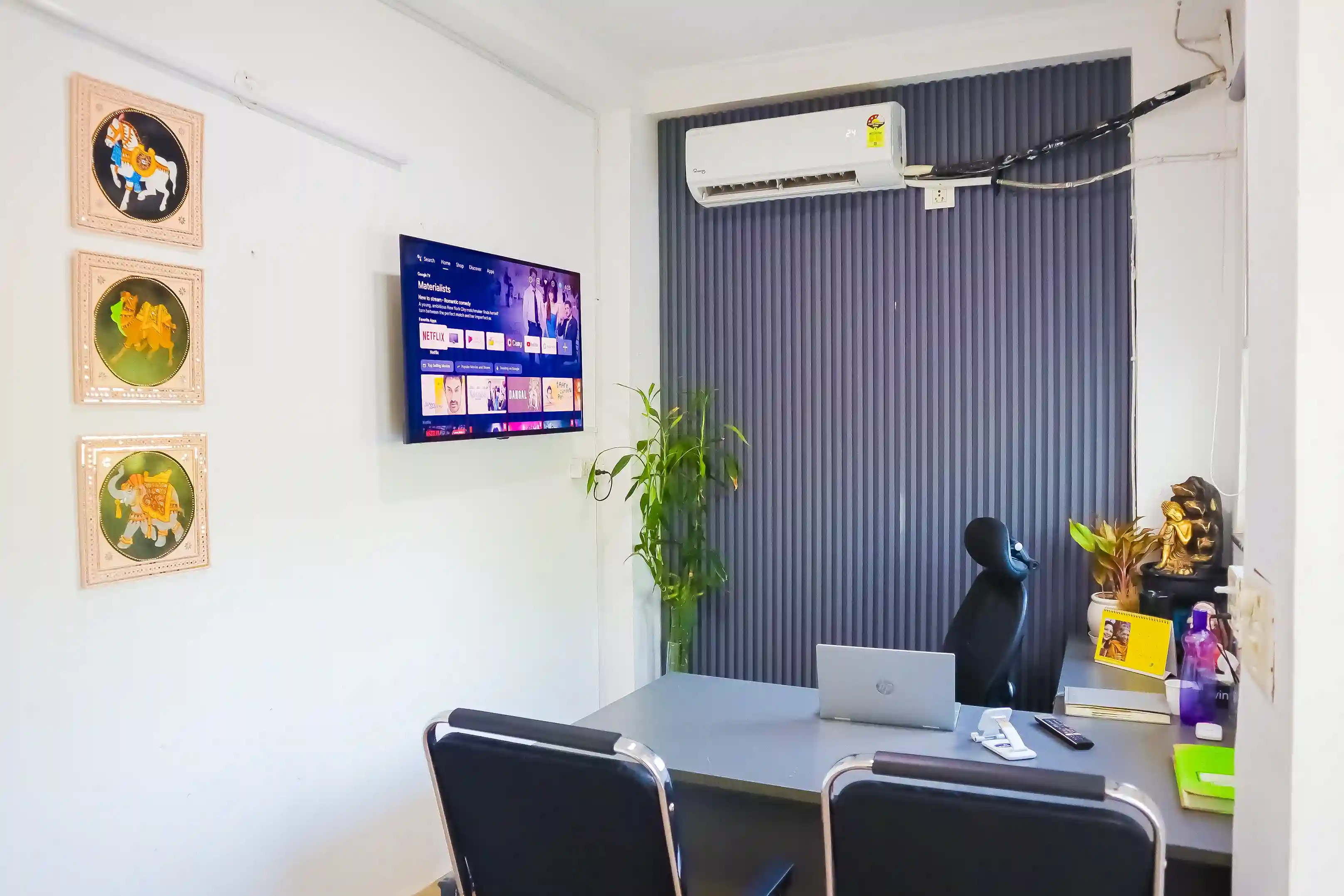
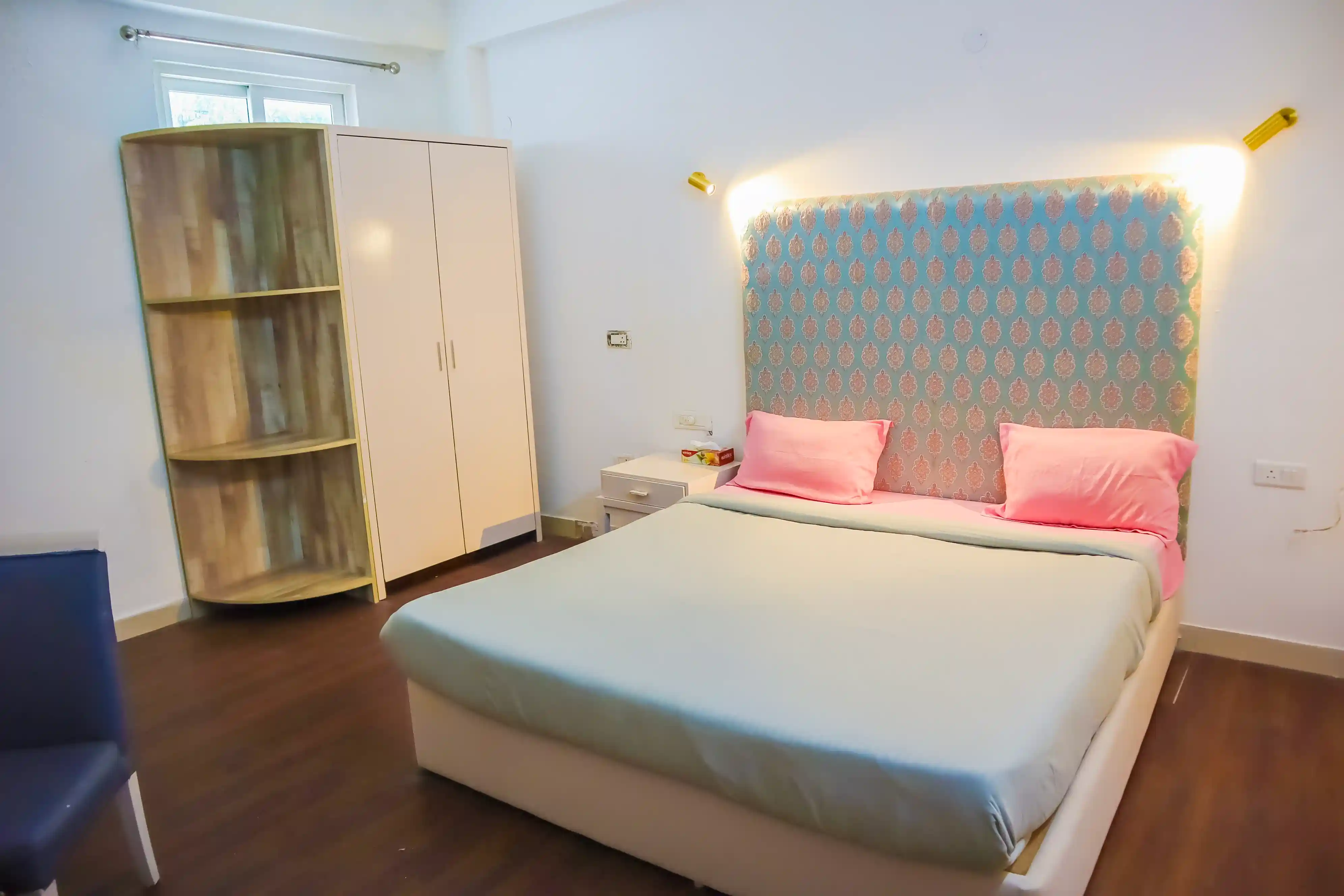
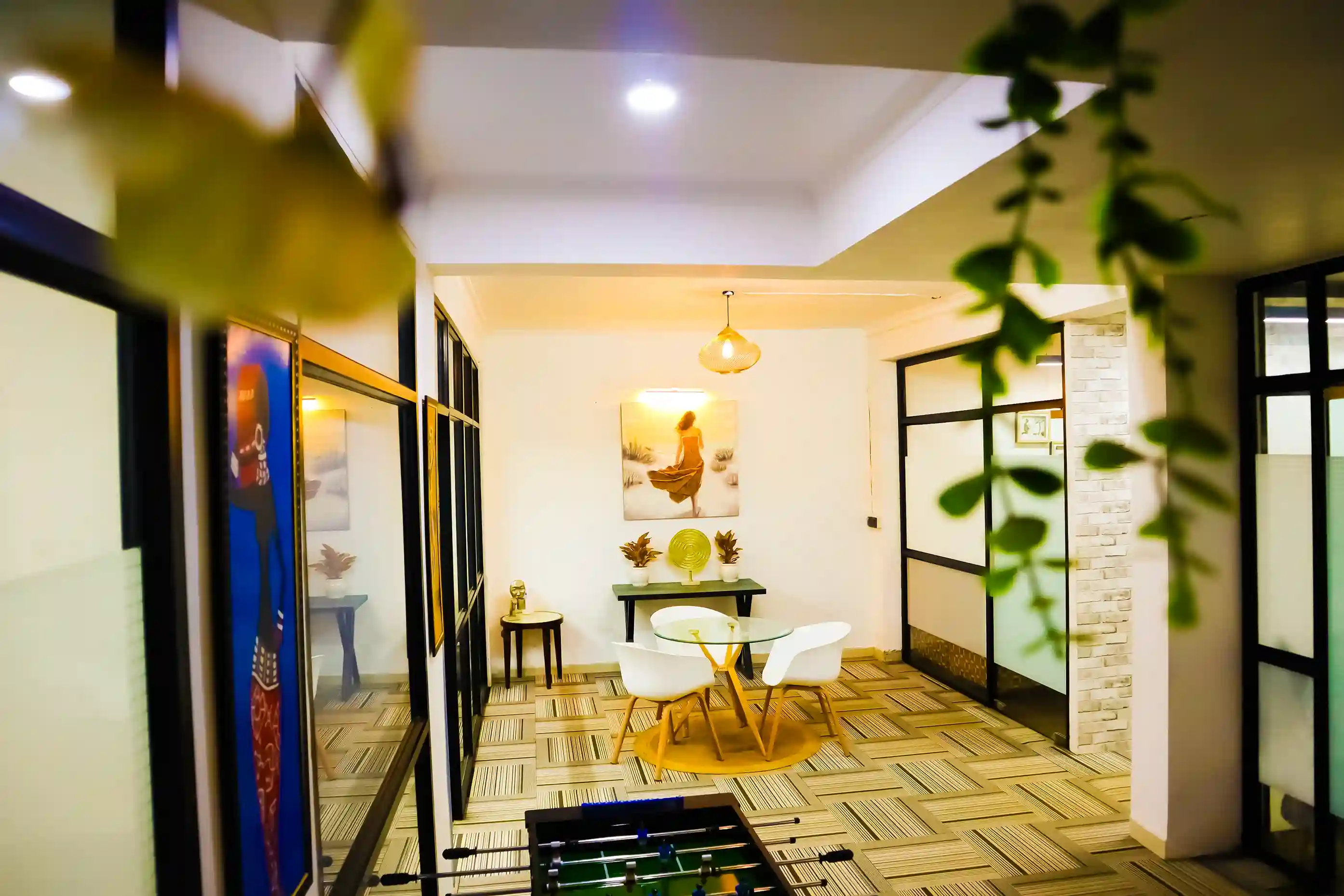
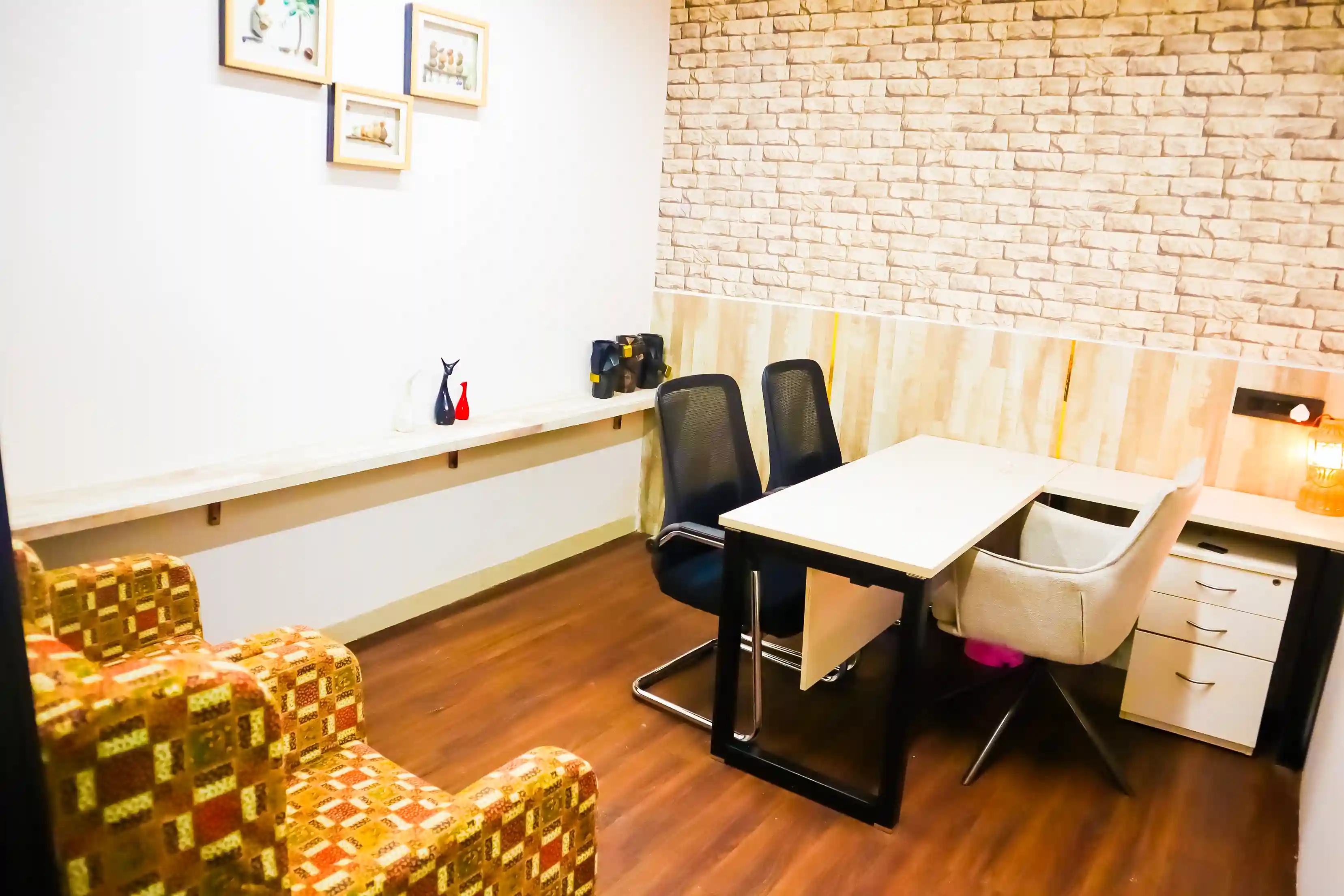
Take a Look Inside Our Gurgaon OKAS Facility




Conditions We Treat















.png)






What Our Patients Say
Frequently Asked Questions
Ordinary exhaustion improves with rest and lifts once circumstances ease up. Depression is a persistent state present most of the day for at least two weeks, doesn't respond to rest or positive events, and comes with real changes in sleep, appetite, energy, or concentration.
The core treatment approach is similar, but postpartum depression involves additional considerations around hormonal factors, breastfeeding, and infant care, which is specifically screened for during the initial assessment.
No. They aren't designed to create a new personality or artificially lift mood. They work to restore your baseline functioning, the way you felt before depression took hold. Most women describe feeling more like themselves again, not different.
If low mood, exhaustion, or loss of interest have lasted two weeks or more and are affecting your daily functioning, it's worth getting a proper psychiatric evaluation rather than continuing to attribute it to hormones or stress alone.
Not usually. Most depression is managed through outpatient care or our Day Care Programme. Residential treatment is only considered in more serious situations, such as active suicidal risk.
Yes. Female psychiatrists and therapists are available on request, and every consultation takes place in a private, women-only space.
Mild depression can often be managed through structured therapy alone. Moderate to severe depression tends to respond significantly better to medication and therapy combined, though this is always decided individually after a proper assessment.
An acute episode of moderate depression typically responds within 6 to 12 weeks of combined treatment. Guidelines recommend continuing medication for at least 6 to 12 months after improvement to reduce relapse risk.
Yes. Our Day Care Programme and outpatient options are designed to work around a full schedule, and working professionals can access support through Corporate Wellness & EAP without stepping away from their careers.
The psychiatrist spends 60 to 90 minutes going through your complete symptom history, previous episodes, family background, physical health, and current functioning, using tools like the PHQ-9 alongside clinical judgment to build a treatment plan built around you.
How to reach Athena - Gurgaon OKAS
Athena OKAS, Gurgaon
446, Sector 39, Gurugram, Haryana 122003
Landmark: Sector 39, Gurugram
- Sector 39, 40, 41, 42, 43, 44
- Golf Course Extension Road
- Sohna Road nearby sectors
Contact us: +919289086193
Speak to Our Care Team - 24×7 Confidential Support
Confidential help is just a call or chat away. Our team is ready to listen - without judgment, without pressure.
