
Women Cannabis Addiction Treatment in Gurgaon
Athena Behavioral Health provides women's cannabis addiction treatment in Gurgaon led by clinicians who understand that a woman's path into dependency, and out of it, rarely looks like a man's.
- Women-only intake spaces
- Female psychiatrists on request
- Medically supervised detox
- Therapy focused on cannabis use
- Family involved only when ready
- Continued support after discharge
Book Your Appointment

Whatever Brought You Here, You Don't Need a Clean Story to Begin
For a lot of women, cannabis starts out as something manageable. A way to sleep after a long day, something to take the edge off after the kids are finally down, a habit from college that never really left. It rarely feels like a problem until the day it becomes one, when a person can't get through ordinary hours without it and doesn't fully understand how that happened.
Female cannabis addiction treatment in Gurgaon at Athena OKAS starts with a private conversation, not a form. A psychiatrist works through what's physical, what's emotional, and what role the substance has been playing, often for reasons that have nothing to do with the cannabis itself. Many women tell us this is the first time someone has asked the right questions instead of just telling them to stop.
"If a woman shows signs of severe panic, vomiting, disorientation, or a racing heart after cannabis use, this needs to be treated as a medical emergency. Call your local emergency number or get to the nearest hospital immediately. A physical crisis is always ruled out first."
Our Dedicated Treatment Team for Cannabis Addiction

Prof. (Dr.) Nimesh G. Desai

Dr. Ashish Mittal

Dr. Rahul Rai

Dr. Supriya Mathur
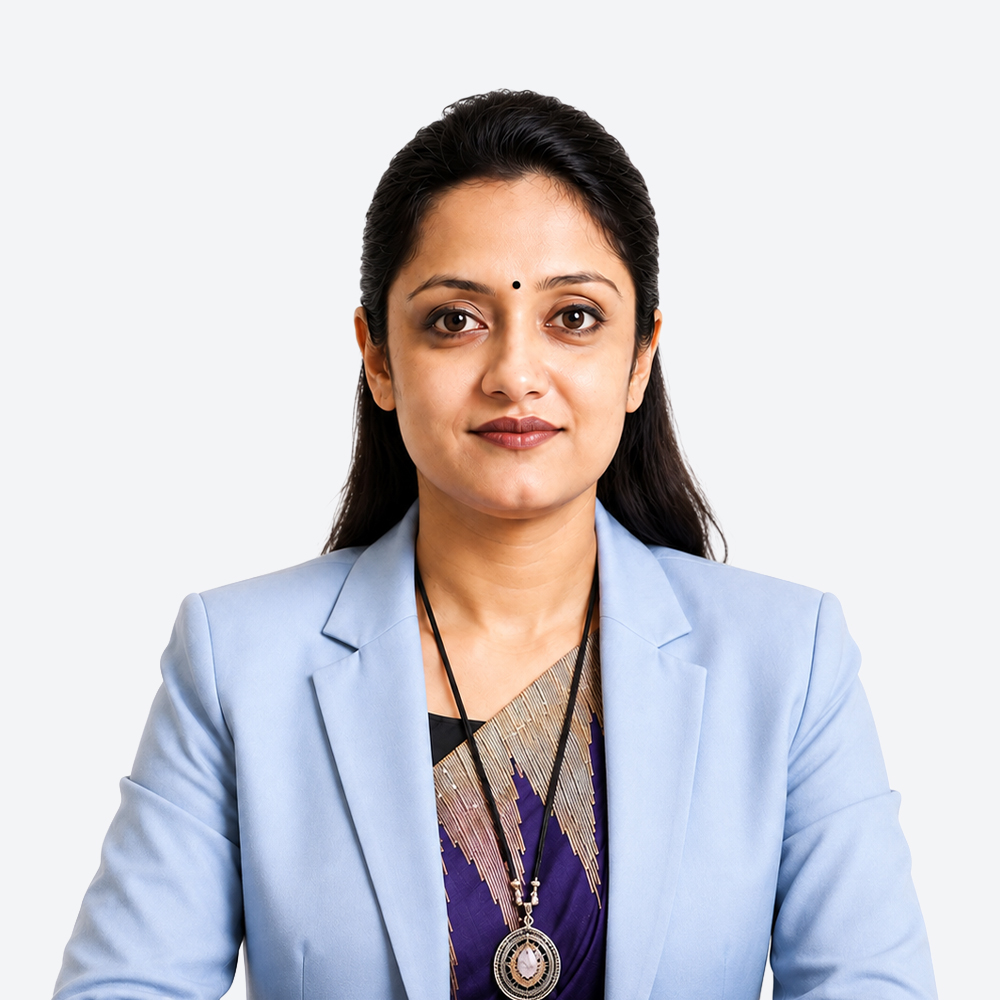
Dr. Adwitiya Ray

Dr. Mrigakshi Parasor

Dr. Anindo Mitra
What This Actually Feels Like When You Walk In
We Ask, We Don't Assume
The first session covers what's been going on, what's changed at home or at work, and whether something underneath, like anxiety or exhaustion, has been driving the use.
Detox Is Handled With Care, Not Left to You Alone
Symptoms like disturbed sleep, nausea, or irritability are managed by trained staff, so this isn't something you or your family have to manage without support.
Every Consultation Stays Private
Scheduling is arranged so women never have to sit across from someone they know or worry about being seen.
Medication Is Used Sparingly and Reviewed Often
When it's prescribed, it's aimed at specific withdrawal symptoms and tapered down as therapy takes the lead.
Therapy Looks at What's Really Going On
Whether it's postpartum stress, a difficult marriage, work pressure, or something from years earlier, sessions are shaped around the actual cause.
Support Continues Long After You Leave
Follow-up contact keeps going well past discharge, because the pull to relapse doesn't end when the program does.
Clinical Excellence
A Team That Treats Women's Cannabis Use as Its Own Category, Not an Afterthought
Dependence on cannabis among women tends to remain undetected. It is often written off as stress or kept well concealed, so even the closest family member may have no clue. Because the signs are easy to miss, many women go without help for years, quietly managing cravings, sleep problems, and mood changes on their own.

At our facility, we employ clinicians who specialize in treating substance dependence and understand the social and personal factors that lead women into it. They know the pressure of expectations, the fear of being judged, and the need for privacy. Care is offered in a respectful, non-judgmental setting where a woman can speak openly without worrying about stigma.
All patients come to us with unique issues. One woman might be balancing work and home, while another may be coping with peer pressure in college for the first time outside her parents' roof. This is why searches for a women's cannabis nasha mukti kendra in Gurgaon so often lead people to Athena Behavioral Health through friends or a doctor's recommendation. Each plan is built around the individual and adjusted as she progresses.
The same clinician sees a patient from her first appointment until her last session, so she never has to repeat her story to someone new. This continuity builds trust and makes it easier to discuss sensitive topics. It also helps the clinician notice small changes in mood, sleep, or cravings early and respond before they turn into setbacks.
Modern Lifetime Challenges
Why Gurgaon Life Makes This Harder to Notice in Women
Long work hours in a city built around corporate schedules, the pressure to manage a household on top of a full-time job, social circles where cannabis use is quietly normalized, and a general reluctance to talk about mental health openly all make it easy for dependency to go unnoticed in women specifically. Days blur into one another, there is rarely time to rest, and personal needs tend to come last. It often gets absorbed into the identity of someone who's "just coping" rather than being recognized as something that needs attention, and by the time it is noticed, it has usually been part of her routine for a long while. In such situations, psychotherapy and counselling can help women understand the emotional triggers behind substance use, develop healthier coping strategies, and address underlying anxiety or stress before these patterns become harder to manage.
There's a real difference between a woman who uses cannabis occasionally and one who has become dependent on it. The first can usually take it or leave it, and her daily life carries on much the same either way. The second finds that cutting back is harder than she expected, and that regular use has started to show in her mood, energy, motivation, and the way she handles everyday responsibilities.
Occasional Use: Doesn't affect sleep, relationships, parenting, or work in any noticeable way. She can go days or weeks without using and feel no discomfort, and use stays limited to specific occasions or social settings rather than becoming a daily habit.
Dependency: The substance has become something she needs just to function normally, and stopping brings real physical and emotional distress. Irritability, anxiety, poor sleep, and loss of appetite often appear within days of stopping, she needs more than before to get the same effect, and her routine slowly begins to revolve around when and how she can use.

Getting Support That Actually Fits a Woman's Life
Treatment for cannabis dependency works best when it acknowledges the realities a woman is already juggling, rather than asking her to set everything else aside to get help. Guilt, caregiving responsibilities, and the fear of being judged often keep women from reaching out in the first place, so the right kind of support has to work around these barriers, not ignore them.
| Concern That Often Holds Women Back | How Good Treatment Responds |
| "Who looks after my kids or home while I get help?" | Flexible scheduling, day programs, or outpatient options that don't require stepping away from family entirely |
| Fear of judgment for using in the first place | Confidential, women-focused therapy spaces where the conversation stays non-judgmental |
| Guilt tied to parenting, marriage, or career image | Counselling that separates the person from the habit, rather than framing it as a moral failure |
| Underlying stress from an unequal mental load at home | Therapy that addresses the root pressures, not just the substance use itself |
| Isolation from not knowing anyone else going through this | Group sessions or peer support with other women navigating similar struggles |
The Signs That Get Overlooked the Longest in Women
Because women are often expected to hold everything together, the warning signs tend to be explained away for longer than they should be.
Withdrawing From People
She's close to pulling back from friends, family, or a partner without an obvious reason.
Sleep and Appetite Becoming Unpredictable
Sleeping at odd hours, skipping meals, or eating far more or less than usual.
Money Quietly Disappearing
Small, unexplained expenses that line up with heavier periods of use.
Physical Discomfort
When She Tries to Cut Back Anxiety, Restlessness, or Irritability within a day or two of stopping.
A Struggle to Keep Up With Responsibilities
Missed deadlines at work, forgotten commitments at home, or a noticeable drop in how she's managing day to day.
Insisting She Has It Under Control
Denying there's a problem even when the people closest to her can see otherwise.
Not Sure If This Is You? Talk to a Specialist
Confidential Support, available 24×7
About Therapy At Athena
How Treatment Moves Forward, Step by Step
Step One: The Full Story First
The first step in a recommended treatment plan is done after examining an individual's cannabis usage history, physical condition, family history, and any other psychological issues that might be involved.
Step Two: Safe Physical Withdrawal Symptoms
If required, physical withdrawal symptoms are managed on-site as soon as they occur instead of being dealt with at home.
Step Three: Addressing the Root Cause
CBT and motivational interviewing focus on addressing the triggers associated with drug usage and creating coping strategies that can be used in a practical situation.
Step Four: Putting Back Together a Life
Getting back to sleep patterns and daily structure, and involving the family if it actually aids in recovery.
Why Choose Us
We Treat the Woman, Not Just the Habit

Every plan at Athena OKAS is built jointly by a psychiatrist and a therapist working from the same understanding of the patient, not two separate processes running in parallel. The plan a woman receives reflects one coherent picture of her, not fragments handed off between people who've never spoken to each other. Treatment doesn't stop the day she walks out either. She leaves with a written relapse prevention plan and a clear sense of what to watch for, so recovery doesn't quietly end the moment the program does.
We also don't treat every woman's cannabis use as the same story. A postpartum mother relying on it to get through the evening and a college student experimenting under new pressures are both evaluated on their own terms, not measured against a one-size-fits-all idea of what dependency looks like in women. And because the same clinician stays with a patient from the first appointment to the last, nothing has to be re-explained halfway through, which matters most for women who've already had to justify themselves to someone once.
For women who need this handled with complete discretion, whether because of work, family, or a marriage that isn't aware yet, our program is built to start fast and stay private from the very first call.
How We Help
From Your First Message to Ongoing Support
Contacting someone is often the hardest step to take. Here is how we do things after you take the initiative.
Reach us through our support line or WhatsApp, and we look forward to confirmation for your first consultation right away.
The psychiatrist reviews history, symptoms, and your personal case by conducting an interview either face-to-face or remotely.
We incorporate detoxification, therapy, and family involvement according to what works in your case.
Check-ups will be scheduled in order to maintain your recovery once you start living normally.
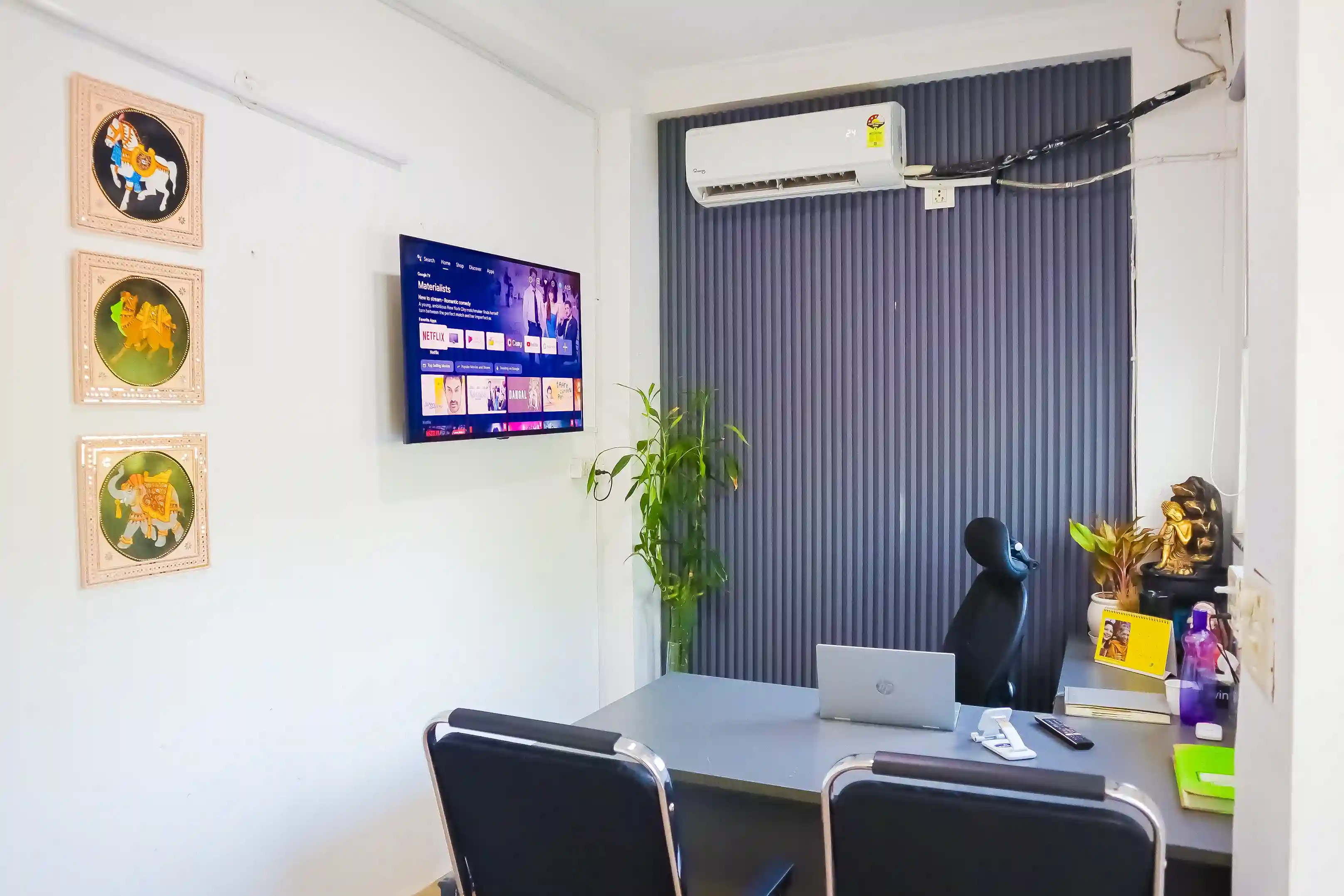
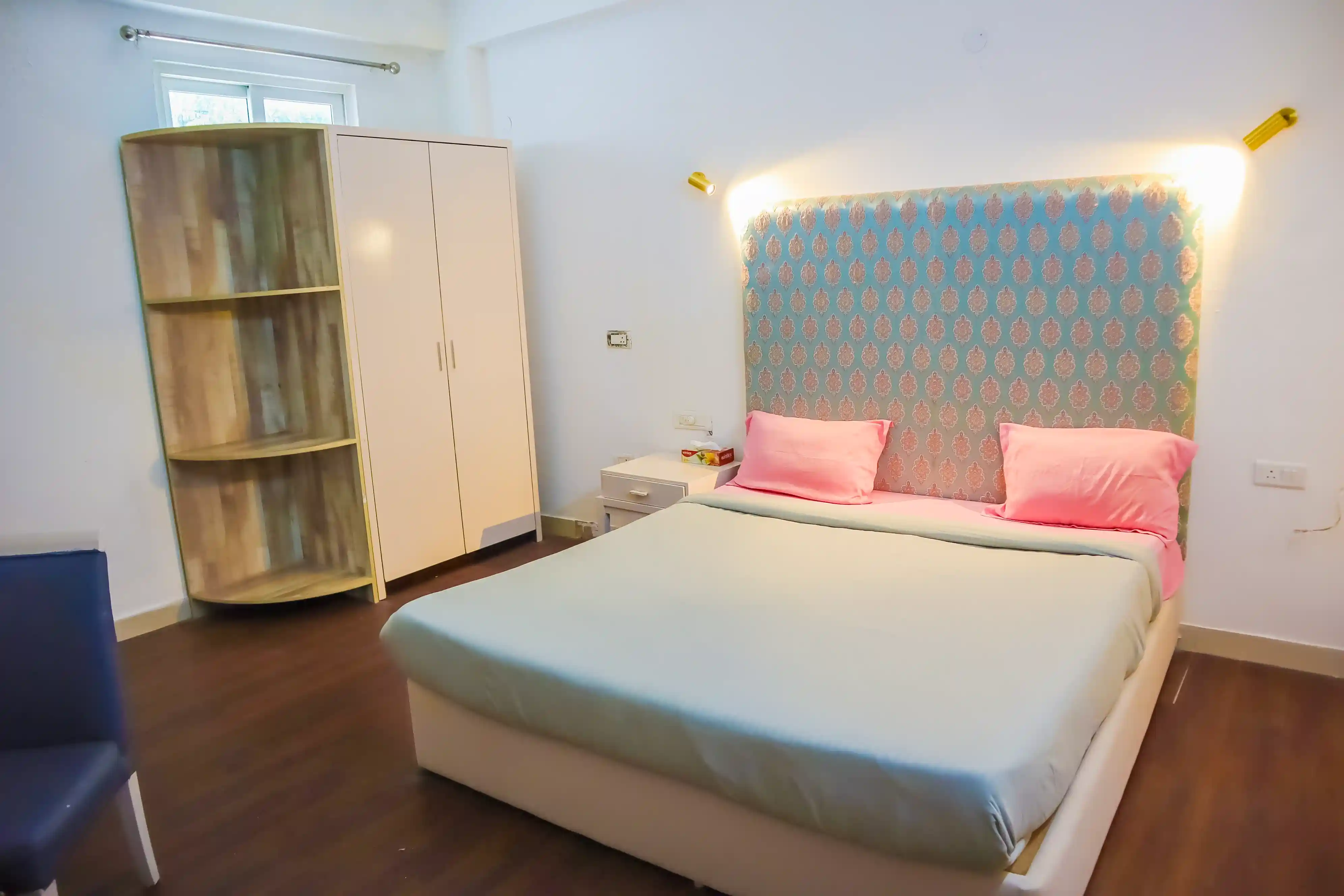
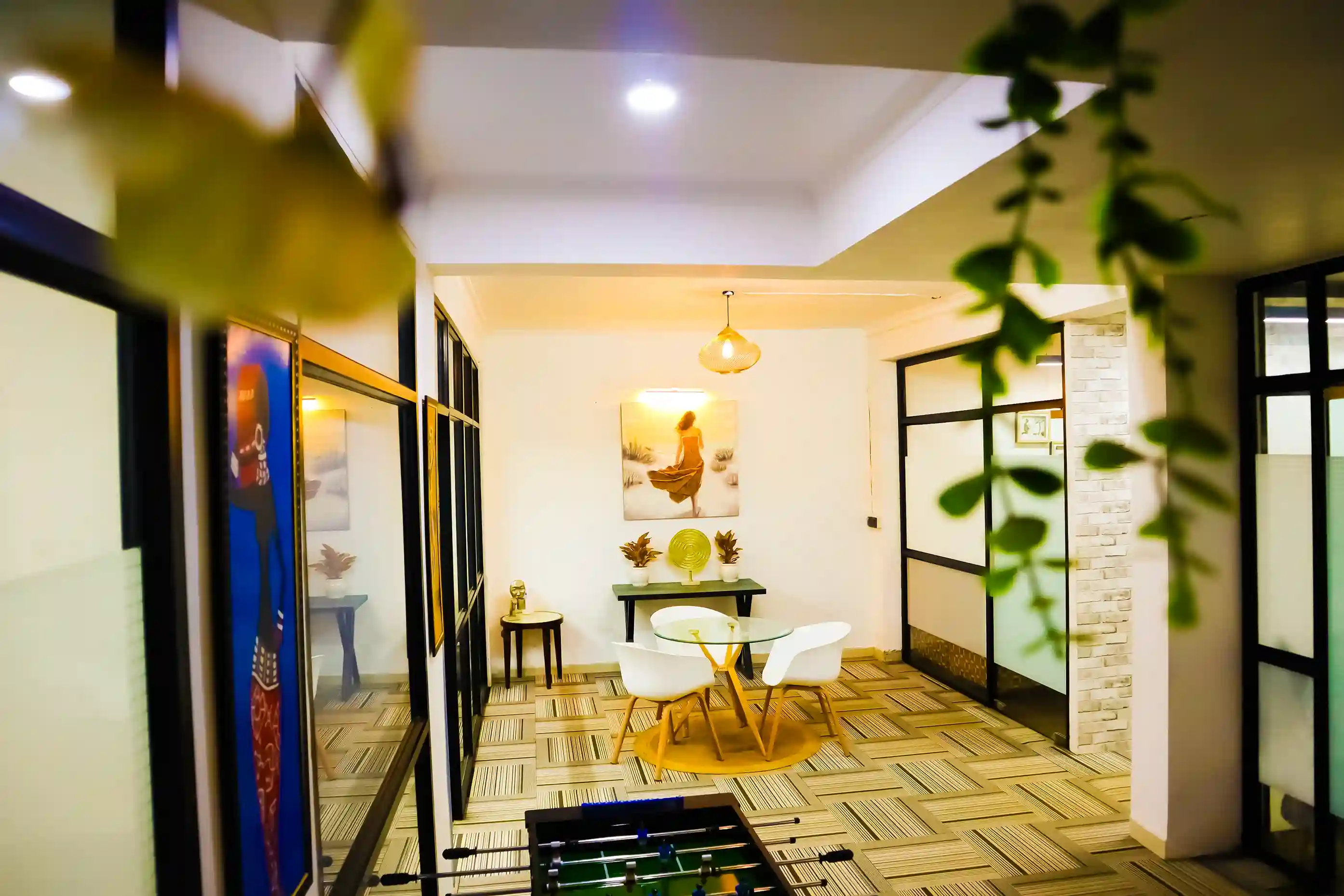
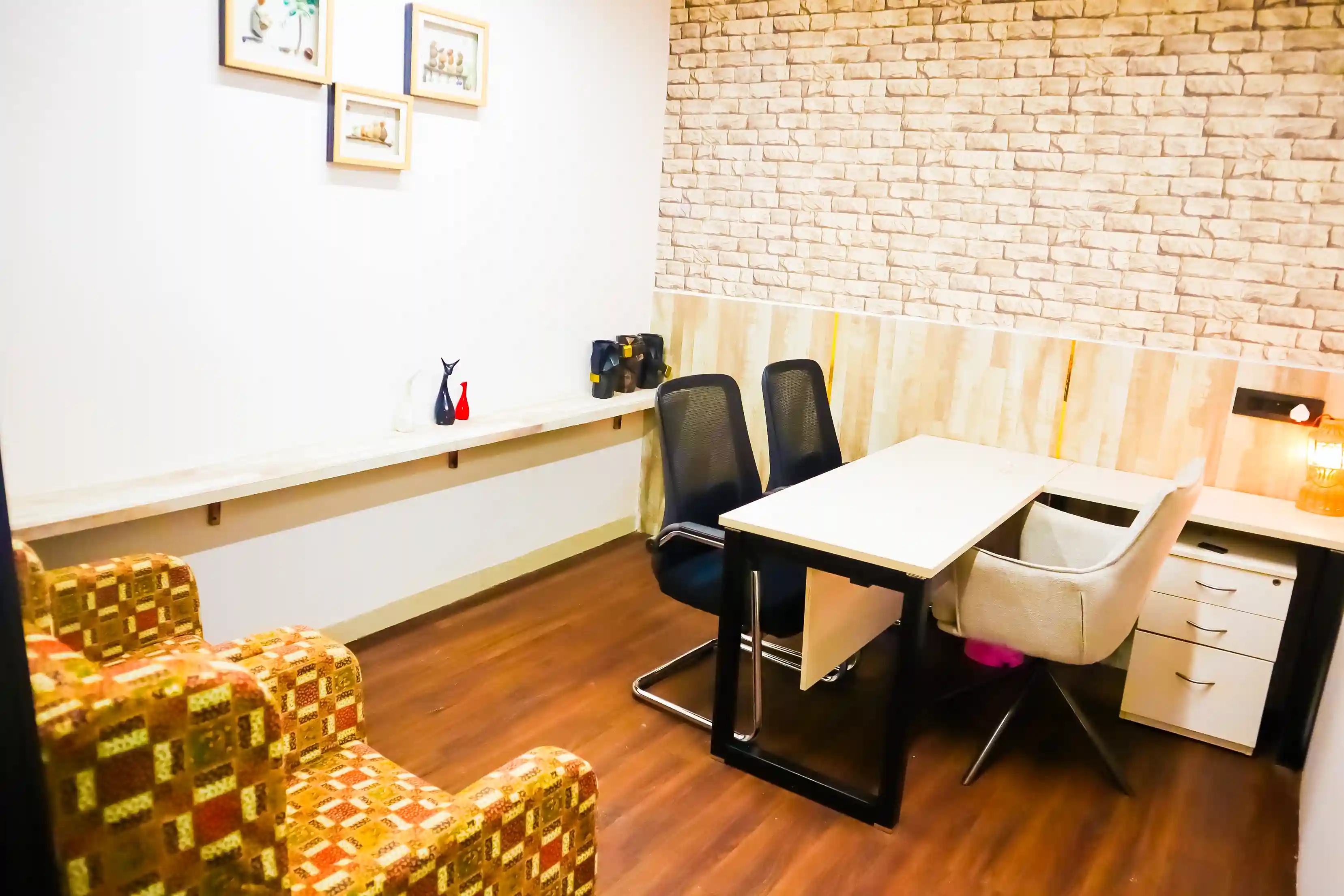
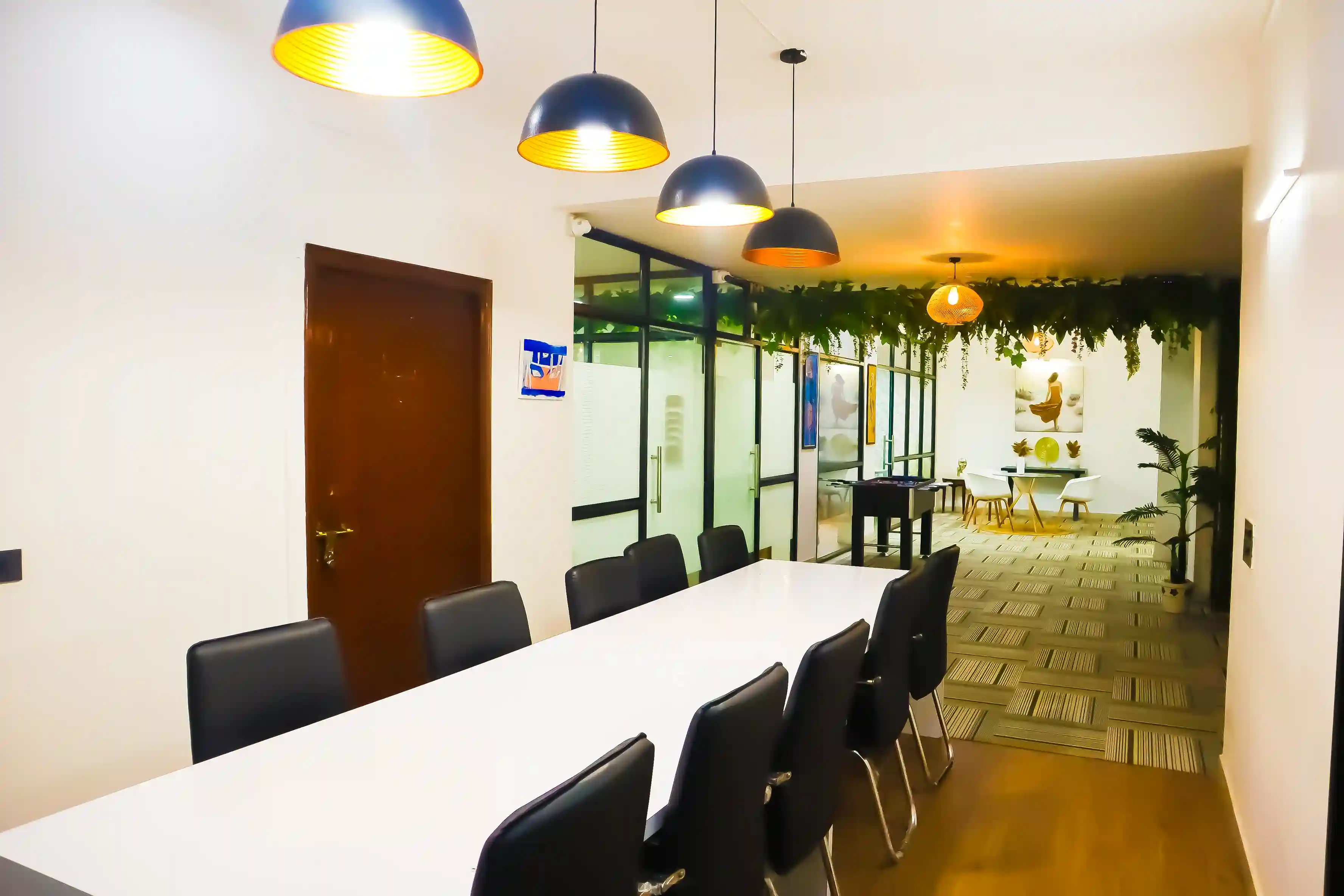
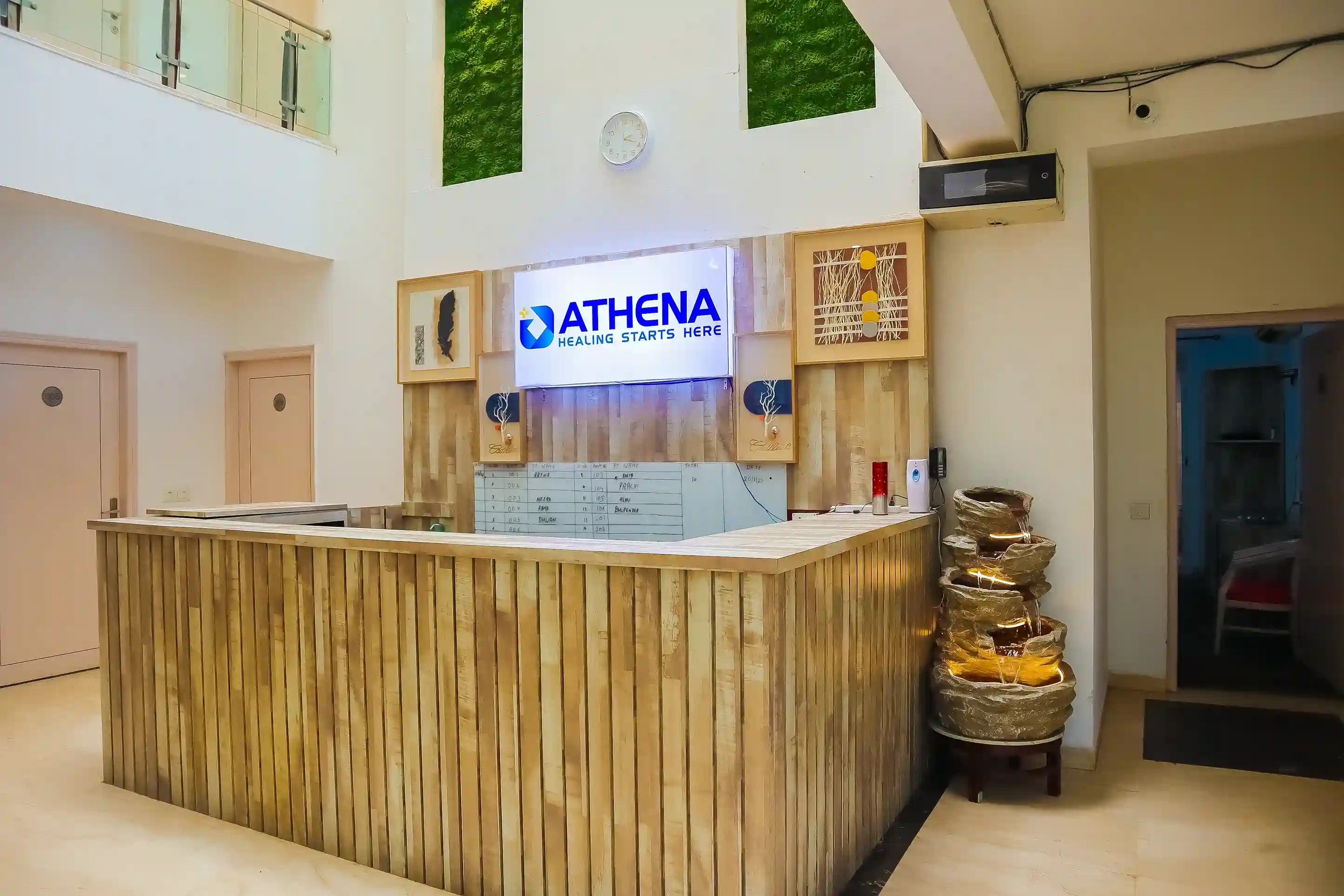
Take a Look Inside Our Gurgaon OKAS Facility


Conditions We Treat















.png)






What Our Patients Say
Frequently Asked Questions
A structured plan involving psychiatric evaluation, individual counseling, and supervised detox, where necessary, tends to work better than trying again alone. Professional support addresses the underlying reasons a woman may have returned to use, which self-help attempts usually miss.
Yes, a private video consultation is available for women who aren't ready to come in right away, and it's often the easiest way to start the process.
Not necessarily, medication will be used to alleviate some withdrawal symptoms; the course will be reviewed regularly, and there are numerous women who go through treatment mostly due to therapy.
It depends on the length of use and the individual's reaction to early treatment sessions. The lack of results at first is absolutely normal.
Improvement in sleep and routine is a good start; however, it is not always enough. In general, it works much better in combination with therapy.
Acute symptoms such as intense panic, a racing heartbeat, or confusion are stabilized in a clinical setting, with the same urgency regardless of gender. Our team is reachable around the clock for exactly this kind of situation.
Appointments are scheduled so patients never overlap, and every consultation takes place in a private, women-only space. There's no need to make a special request for this.
The most effective method would be to make a call yourself to learn about the consultation procedure. Women feel more comfortable when one of their relatives has already undergone this procedure.
It is highly unlikely, as it applies only in cases of a more complicated problem, and most women manage to overcome the condition without hospitalization.
A psychiatrist conducts a thorough interview, which lasts up to an hour and covers the history of use, present symptoms, individual background, and other aspects of past efforts to stop using cannabis.
How to reach Athena - Gurgaon OKAS
Athena OKAS, Gurgaon
446, Sector 39, Gurugram, Haryana 122003
Landmark: Sector 39, Gurugram
- Sector 39, 40, 41, 42, 43, 44
- Golf Course Extension Road
- Sohna Road nearby sectors
Contact us: +919289086193
Speak to Our Care Team - 24×7 Confidential Support
Confidential help is just a call or chat away. Our team is ready to listen - without judgment, without pressure.
