
Women Bipolar Disorder and Addiction Treatment in Gurgaon
Athena OKAS, Athena Behavioral Health's dedicated facility for women, offers integrated bipolar disorder and addiction treatment in Gurgaon, designed specifically around how this dual diagnosis presents and needs to be treated in women.
- Combined assessment for mood and substance use
- All-female care team available throughout
- Detox managed by the same treating team
- Mood stabilisation continues throughout, not after
- Private, judgment-free space designed for women
- Aftercare covering both relapse and mood recurrence
Book Your Appointment

Women Bipolar Disorder and Addiction Treatment in Gurgaon: Why This Combination Looks Different in Women
Bipolar disorder and substance use interact differently in women than the pattern typically described in general treatment literature. Manic episodes in women are more likely to be missed entirely, often mistaken for a burst of productivity or confidence, which means the substance use that follows goes unquestioned too. Depressive episodes, meanwhile, often get treated in isolation as everyday stress or exhaustion, with self-medicating through alcohol or medication overlooked as a coping mechanism rather than a warning sign. At Athena OKAS, this combination is assessed as one connected picture from the very first conversation, not two separate concerns handled by different people.
Treatment begins with a comprehensive Psychiatric Assessment & Diagnosis covering mood history, substance use patterns, and any withdrawal or safety risk, conducted entirely by our women's care team. Where physical dependence exists, this same evaluation shapes how detox is managed. Many women tell us this is the first time anyone asked about their mood and their substance use in the same conversation, rather than treating one as incidental to the other.
If you've been looking for the best female bipolar disorder and addiction treatment in Gurgaon, one built specifically around a woman's experience of this diagnosis rather than a general programme applied to her, reach out and we'll explain how Athena OKAS works.
"If someone is going through acute withdrawal, showing signs of a manic episode with risky behaviour, or expressing suicidal intent, this needs urgent attention. Contact your local emergency number or the nearest hospital right away. Safety always comes first, before anything else."
Meet Our Psychiatrists for Women Bipolar Disorder and Addiction Treatment in Gurgaon

Prof. (Dr.) Nimesh G. Desai

Dr. Ashish Mittal

Dr. Rahul Rai

Dr. Supriya Mathur

Dr. Adwitiya Ray

Dr. Mrigakshi Parasor

Dr. Anindo Mitra
What Care Looks Like at Athena OKAS
One Evaluation, Not Two Separate Diagnoses
Mood history, substance use severity, and withdrawal risk are assessed together, so treatment reflects the complete picture rather than two disconnected concerns.
Every Session Is Led by Women, for Women
From psychiatric evaluation through therapy and aftercare, patients are cared for by a team of female clinicians, in a space designed specifically for their comfort.
Detox Is Supervised With Full Medical Oversight
Where dependence is present, medically supervised detoxification stabilises the body first, before mood-focused treatment begins.
Mood Treatment Runs Alongside Addiction Care, Not After It
Mood stabilising medication is introduced and monitored in parallel with addiction treatment from the outset, rather than being delayed until sobriety is considered settled.
Sessions Address the Pattern Connecting Both Conditions
Individual and group Psychotherapy & Counselling focuses specifically on how mood shifts and substance use trigger each other in each patient's own life.
A Structured Middle Ground for Women Who Need More Support
Our Day Care Programme offers several supervised hours at the centre daily for women who need closer monitoring but not residential admission.
Clinical Excellence
Specialists Trained in Women's Dual Diagnosis Care

Athena OKAS was built around a simple observation: women managing bipolar disorder and addiction together often go undiagnosed for years, either because their manic symptoms are read as personality, or because their substance use is dismissed as an occasional coping habit rather than a pattern connected to their mood. Our team is trained specifically in recognising and treating this combination as it shows up in women, not a general dual diagnosis protocol applied without adjustment.
Every case is different. A woman whose substance use spikes during high-energy phases needs a different focus than one using substances to numb a depressive low, and both need a space where the conversation doesn't require constant explanation or justification. Working women managing this alongside demanding careers can draw on our Executive & High-Performance Care and Corporate Wellness & EAP programmes, while younger patients are supported through Child & Adolescent Psychiatry.
The same clinical team stays with a patient's case from the first assessment through years of ongoing care, so nothing has to be re-explained to someone new later on.
Modern Lifetime Challenges
The Specific Ways This Combination Hides in Gurgaon
A culture where a woman's high energy or heightened confidence is often praised rather than questioned, where low, withdrawn periods get quietly absorbed into household or work responsibilities without anyone noticing, and where admitting to a drinking or substance use pattern carries a heavier stigma for women than for men, all combine to keep this dual diagnosis hidden for years. It's frequently mistaken for stress, hormonal changes, or simply being "moody," rather than a treatable combination of conditions. Over time, she may find herself relying on a drink or a pill to settle after a high-energy stretch or to get through a low one, while the people around her see only someone who is managing well.
There's a real difference in how this combination plays out in women specifically. Knowing where that line falls helps women and their families recognise the problem early, before secrecy, guilt, and repeated relapse make it much harder to address. A confidential assessment at a trusted nasha mukti kendra in Gurgaon can look at mood patterns and substance use together, so the plan treats both side by side.
Commonly assumed: Mood swings and occasional drinking are separate, unrelated habits that come and go with life circumstances. This belief often delays help, because each pattern gets explained away on its own and the connection between them is never examined.
Clinical reality: In many women, substance use rises and falls in a consistent pattern tied directly to mood episodes, and addressing one without the other leads to repeated, predictable relapse. Over time, sleep, relationships, and daily responsibilities suffer, and lasting recovery depends on treating both conditions together rather than one at a time.

How Manic and Depressive Phases Show Up Differently
Because symptoms in women are more easily mistaken for personality, hormones or ordinary stress, this table shows what each mood phase can look like day to day, and the substance use pattern that often runs alongside it without being recognised.
| Mood Phase | How It Often Shows Up in Women | What Gets It Mistaken For | Substance Use Pattern Alongside It |
| Manic or Hypomanic Phase | Sudden burst of confidence, taking on more at work or home, talking faster, needing far less sleep | "She's finally on top of things," productivity or a personality trait, not a symptom | Drinking or substance use rises quietly, often read as socialising or celebrating rather than part of the mood state |
| Depressive Phase | Withdrawing from people, exhaustion that sleep doesn't fix, quietly falling behind on responsibilities | Stress, hormones, "just being tired," or being dismissed as moodiness | Substance use as self-medication, reaching for alcohol or medication to get through the day, easily hidden within routine |
| Mixed or Rapidly Shifting Phase | Irritability and restlessness alongside low mood, feeling both wired and exhausted at once | Being labelled as "difficult" or "unpredictable," rather than recognised as a mood pattern | Erratic, unpredictable use that doesn't follow an obvious cause, making it harder for family to trace a pattern |
| Between Episodes | Appears settled and back to normal functioning | Assumed the difficult phase has simply passed on its own | Substance use often continues at a lower level, or medication is quietly stopped once things feel stable |
Thoughts That Delay Women From Getting Help
Because both conditions can be dismissed as ordinary stress or sensitivity, these signs frequently go unaddressed far longer in women than they should.
Substance Use That Rises With Mood
Noticeably more drinking or medication use during high-energy stretches or low periods, rather than a steady, consistent pattern.
A History of Getting Better, Then Relapsing
Successfully completing addiction treatment before, only to relapse once a mood episode resurfaces later.
Impulsive Decisions During High-Energy Phases
Overspending, risky choices, or substance use made specifically during stretches of unusual confidence or energy.
Using Substances to Get Through a Low
Reaching for alcohol, medication, or other substances specifically to escape a heaviness that otherwise feels unbearable.
Sleep Disruption Followed by Increased Substance Use
A reduced need for sleep during high-energy phases, often followed by more substance use to manage the resulting restlessness.
Suicidal Thoughts During Depressive or Mixed Phases
In more serious cases, this requires immediate clinical attention and a structured safety plan.
Not Sure If This Is You? Talk to a Specialist
Confidential Support, available 24×7
ABOUT THERAPY AT ATHENA
How Treatment Unfolds at Athena OKAS
Phase One, Understanding the Full Picture
A single assessment covers mood history, substance use patterns, and any safety or withdrawal concerns, conducted entirely by our women's clinical team.
Phase Two, Stabilising the Body
Where dependence exists, supervised detoxification manages withdrawal safely before deeper mood-focused work begins.
Phase Three, Treating the Connection Directly
Mood stabilisation continues alongside structured Psychotherapy & Counselling that addresses how each condition triggers the other, through individual and group sessions.
Phase Four, Recognising Early Warning Signs
As stability builds, sessions shift toward helping patients notice the earliest signs of a mood shift or relapse risk, before either escalates. Patients continue with reduced-frequency sessions aimed at maintaining both mood stability and sobriety, backed by an aftercare plan built around both.
Why Choose Us
Why Athena OKAS Is Built the Way It Is

Every patient at Athena OKAS is cared for by a female psychiatrist and clinical psychologist working from one shared case history, in a facility designed entirely around women's comfort, privacy, and specific presentation of this dual diagnosis. This matters because generic dual diagnosis treatment often misses how differently mood and substance use interact in women, leading to short-lived improvement that doesn't hold.
This isn't reactive care built around whichever issue is loudest that week. It's a structured path that moves from safety and detox, through combined treatment of both conditions, into long-term maintenance of each, entirely within a space built for women. Families are brought into this early, since knowing the difference between a mood warning sign and a relapse warning sign matters as much at home as it does in session.
For women needing more structure than occasional therapy but not full residential care, our Day Care Programme offers a practical middle ground, several supervised hours each day while she continues living at home.
How We Help
Every Step, From Day One Onward
Asking for help with two conditions this closely tangled together can feel harder than asking for help with either alone, especially when stigma has kept it hidden this long. Here's what happens once you reach out.
Call our helpline or message us on WhatsApp, and your first appointment will be confirmed the same day, with a female clinician throughout.
A psychiatrist carries out one assessment covering mood history, substance use, and any safety or withdrawal risk, available in person or through a private video consultation.
Detoxification where needed, ongoing mood stabilisation, integrated Psychotherapy & Counselling, and our Day Care Programme where appropriate, are combined based on what the specific case requires.
Our Relapse Prevention & Aftercare programme continues with reduced frequency well past initial stabilisation, since managing this combination well takes ongoing attention, not a single round of treatment.
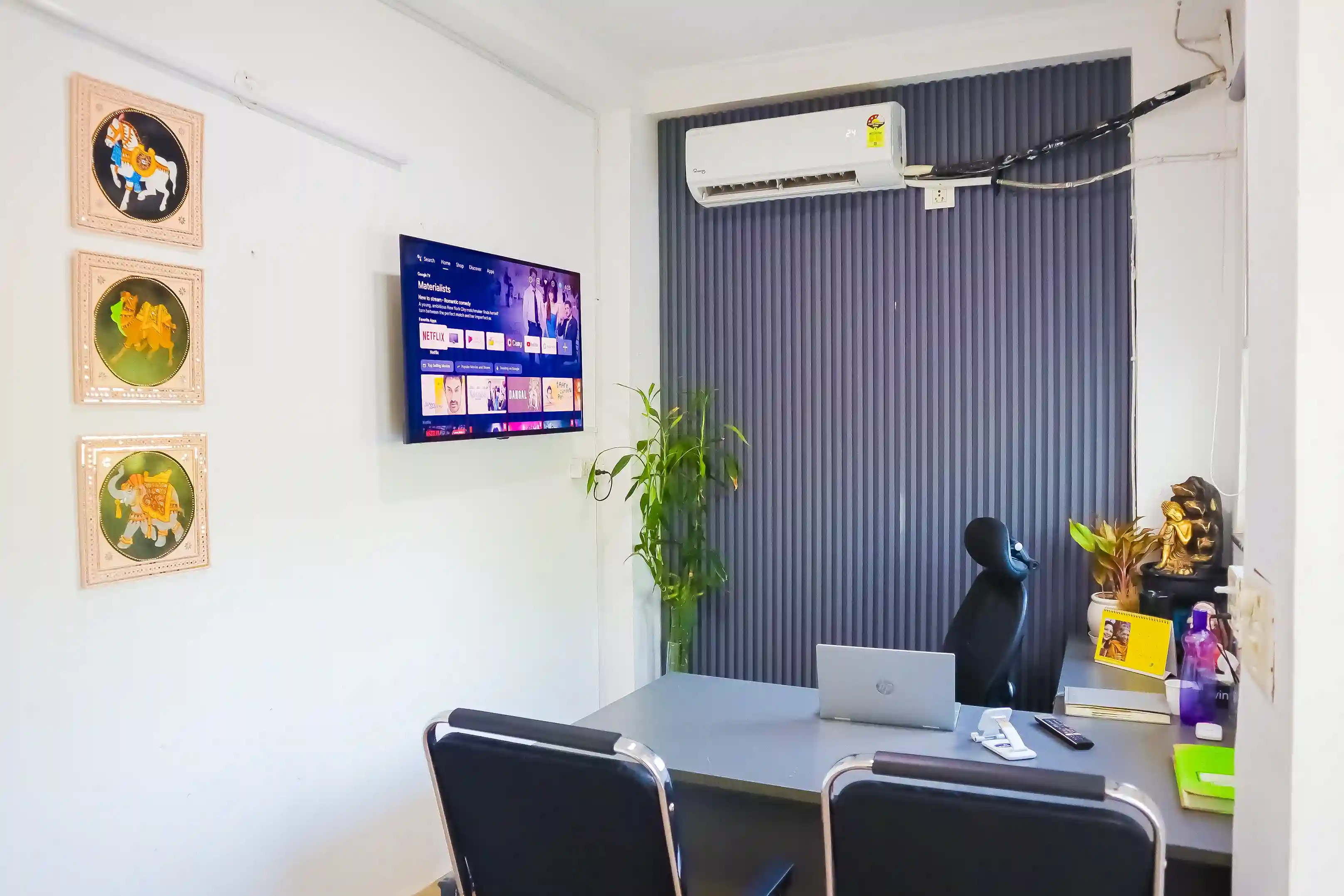
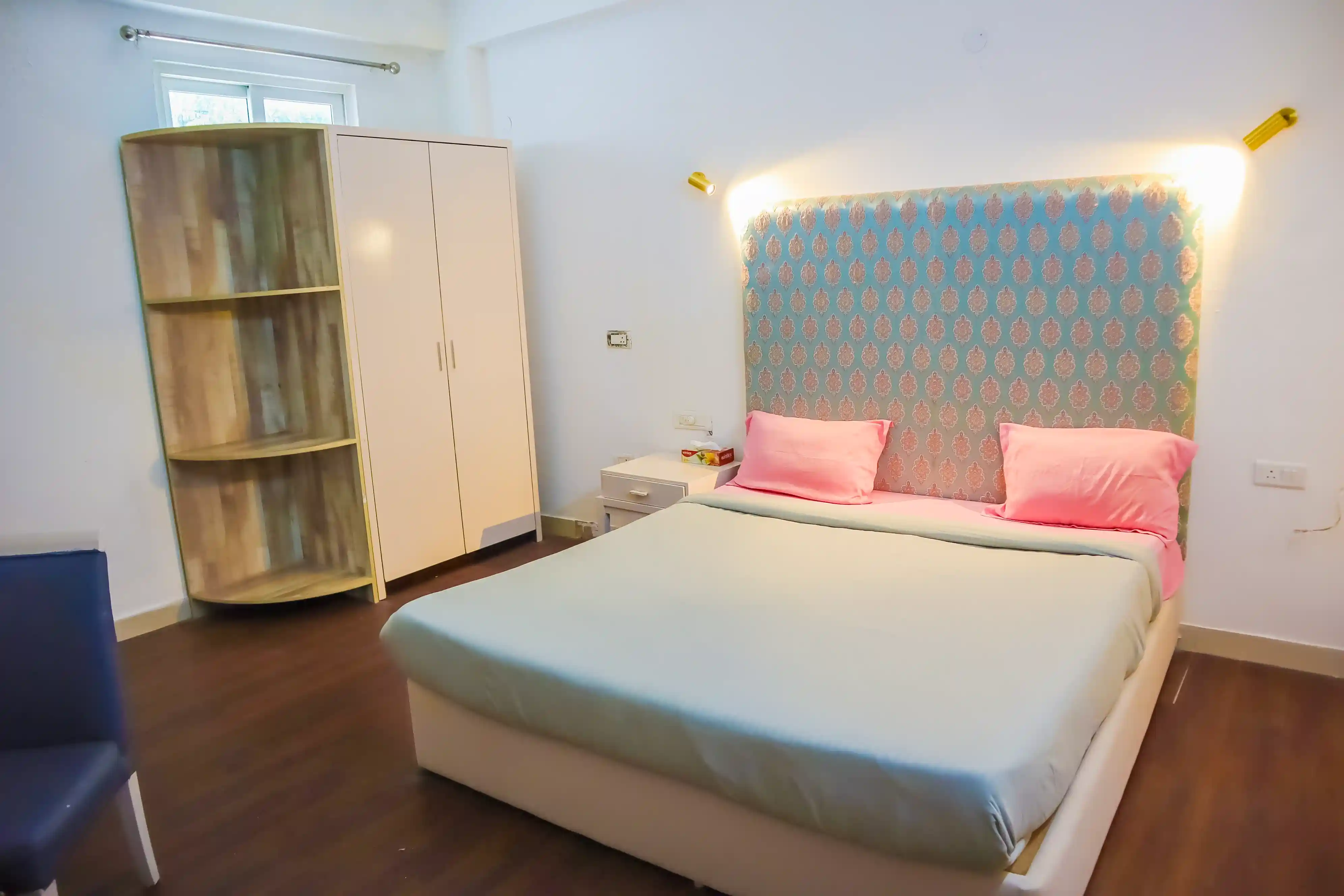
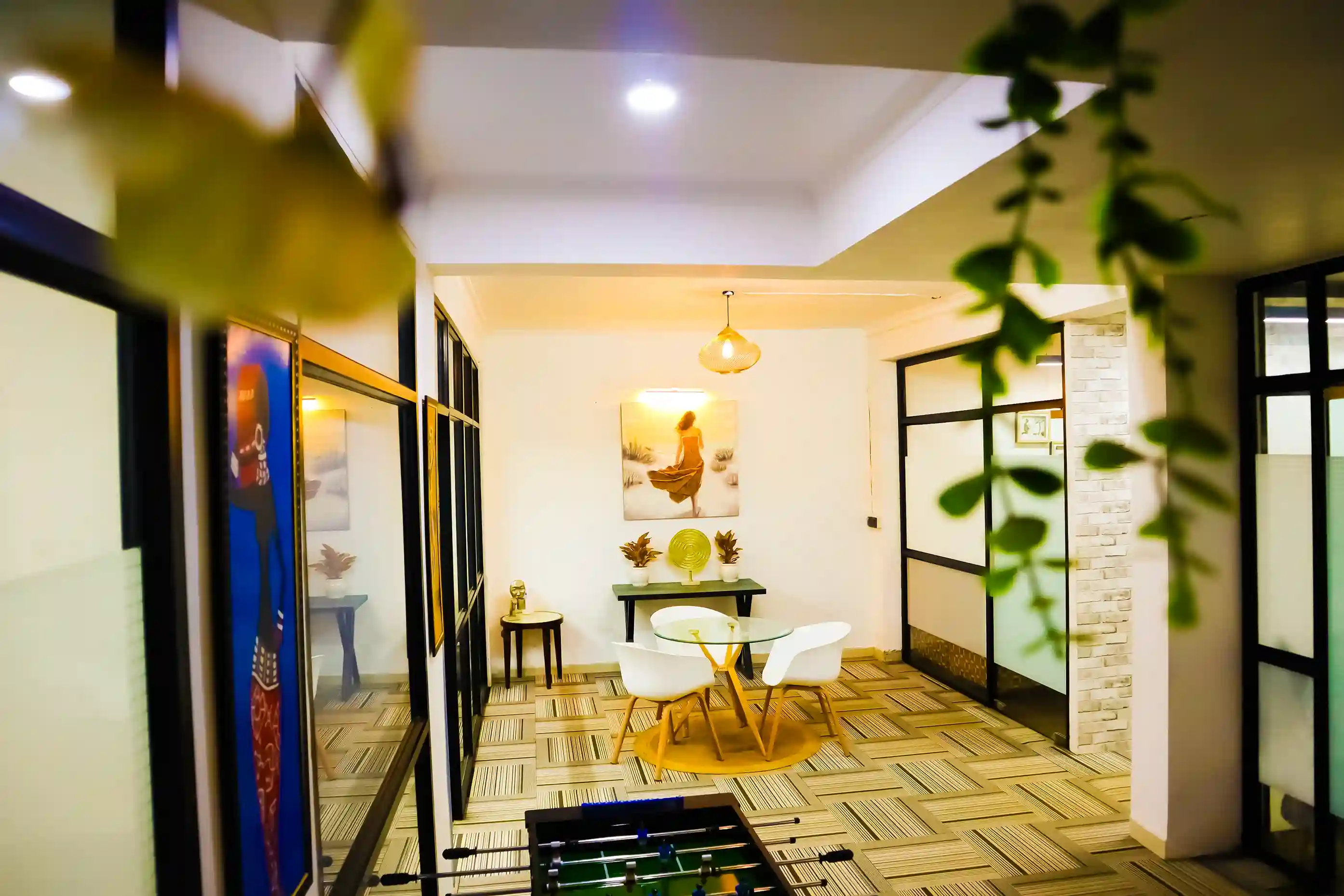
Take a Look Inside Our Gurgaon OKAS Facility





Conditions We Treat















.png)






WHAT OUR PATIENTS SAY
Frequently Asked Questions
The underlying conditions are the same, but presentation often differs. Manic symptoms in women are more frequently mistaken for confidence or productivity, and substance use is more often dismissed as an occasional coping habit, which can delay diagnosis significantly.
Only where physical dependence is present. In that case, medically supervised detox comes first to stabilise the body safely before mood-focused treatment and psychotherapy start.
If the mood disorder underlying the substance use isn't identified and treated, relapse tends to follow the next mood episode. Treating both together significantly lowers this risk.
Yes. With sustained, integrated treatment, many women achieve stable mood management alongside lasting sobriety. It takes ongoing attention, but a stable, functional life is a realistic outcome.
It depends on the severity of each condition, but many women see meaningful stabilisation within the first few months, with longer-term maintenance continuing beyond that.
Yes. Athena OKAS is staffed entirely by female clinicians, from the initial psychiatric assessment through ongoing therapy and aftercare.
Often, yes. Mood stabilisers manage bipolar symptoms, and additional support may be needed during withdrawal or for co-occurring symptoms, all coordinated by one clinical team.
No. Bipolar disorder has a biological basis, and substance use often develops as a way of coping with it. It isn't a personal failing, and self-blame doesn't move recovery forward.
No, only when withdrawal, a severe mood episode, or safety risk makes it necessary. Most treatment happens through outpatient care or our Day Care Programme.
A female clinician reviews mood episode history, substance use patterns, withdrawal risk, and safety concerns, using the complete picture to build a single treatment plan addressing both conditions together.
How to reach Athena - Gurgaon OKAS
Athena OKAS, Gurgaon
446, Sector 39, Gurugram, Haryana 122003
Landmark: Sector 39, Gurugram
- Sector 39, 40, 41, 42, 43, 44
- Golf Course Extension Road
- Sohna Road nearby sectors
Contact us: +919289086193
Speak to Our Care Team - 24×7 Confidential Support
Confidential help is just a call or chat away. Our team is ready to listen - without judgment, without pressure.
