 WhatsApp
 Emergency
Types of Behavioral Therapy for Effective Addiction Treatment
 Share
Share
Addiction is a complex issue that affects not only the body but also the mind. Whether it's drug or alcohol addiction, individuals often struggle with harmful thought patterns and behaviors that can make recovery challenging. That’s where behavioral therapy comes in. It’s one of the most effective treatment methods for addiction, helping people change their behavior, manage their triggers, and rebuild their lives.
At Athena Behavioral Health, we understand the importance of using the right therapy for each individual. This blog will explore the most common types of behavioral therapy used in addiction treatment and how they can help you or a loved one overcome addiction.
What is Behavioral Therapy in Addiction Treatment?
Behavioral therapy is a treatment that helps individuals identify and change the thoughts, feelings, and behaviors that contribute to addiction. It’s based on the idea that our thoughts and actions are connected, and by changing one, we can improve the other. This type of therapy helps people develop healthier ways of coping with stress and triggers that might lead to substance use.
Now, let’s take a look at the different types of behavioral therapy that are commonly used in addiction treatment.
1. Cognitive Behavioral Therapy (CBT)
Cognitive Behavioral Therapy (CBT) is one of the most well-known and effective types of behavioral therapy. It focuses on changing negative thinking patterns and behaviors that fuel addiction. If you struggle with addiction, CBT can help you identify the thoughts that lead to substance use and replace them with healthier, more constructive ones.
How Does CBT Work?
CBT helps you:
- Recognize negative thoughts that lead to addiction
- Replace those thoughts with positive ones
- Learn new coping skills to deal with stress and triggers
Benefits of CBT:
- Reduces negative thinking
- Teaches problem-solving skills
- Helps you manage cravings and triggers
CBT is particularly helpful for individuals struggling with drug addiction or alcohol addiction.
2. Dialectical Behavior Therapy (DBT)
Dialectical Behavior Therapy (DBT) is another type of behavioral therapy that helps individuals with extreme emotions or behaviors. DBT is especially useful for people who have difficulty managing their emotions and might struggle with self-harm or impulsive behaviors.
How Does DBT Work?
DBT focuses on:
- Accepting and understanding difficult emotions
- Learning mindfulness techniques to stay calm
- Improving relationships with others
Benefits of DBT:
- Helps you manage intense emotions
- Teaches mindfulness and self-regulation
- Improves communication and relationships
DBT is often used when there are co-occurring mental health issues, like depression or anxiety, along with addiction.
3. Contingency Management (CM)
Contingency Management (CM) is a behavioral therapy that uses rewards to encourage positive behaviors. In addiction treatment, CM rewards individuals for staying sober, attending therapy, or reaching other recovery milestones. These rewards motivate patients to stay committed to their recovery goals.
How Does CM Work?
CM provides:
- Rewards for staying sober or achieving treatment goals
- Positive reinforcement to encourage recovery
Benefits of CM:
- Encourages sobriety through rewards
- Increases motivation to stay in treatment
- Helps maintain long-term recovery
CM is particularly useful for drug addiction treatment, as it reinforces positive behavior change.
4. Motivational Interviewing (MI)
Motivational Interviewing (MI) is a client-centered therapy that helps individuals explore their reasons for change. It’s particularly useful for people who are unsure about starting treatment or are ambivalent about quitting substances.
How Does MI Work?
MI helps you:
- Explore your feelings about addiction
- Identify the reasons you want to change
- Find the motivation to take action
Benefits of MI:
- Increases motivation for change
- Reduces resistance to treatment
- Builds confidence in the recovery process
MI is often used in the early stages of addiction treatment to help individuals commit to the recovery process.
5. Acceptance and Commitment Therapy (ACT)
Acceptance and Commitment Therapy (ACT) is a type of behavioral therapy that focuses on accepting negative emotions rather than trying to avoid them. It teaches individuals how to live in a way that aligns with their values, even when faced with challenges.
How Does ACT Work?
ACT helps you:
- Accept difficult emotions instead of avoiding them
- Focus on living a meaningful life
- Commit to actions that align with your values
Benefits of ACT:
- Increases emotional resilience
- Helps you focus on what really matters
- Encourages positive action toward long-term recovery
ACT is helpful for people who struggle with avoiding or suppressing negative emotions, which often lead to addiction.
6. Group Therapy
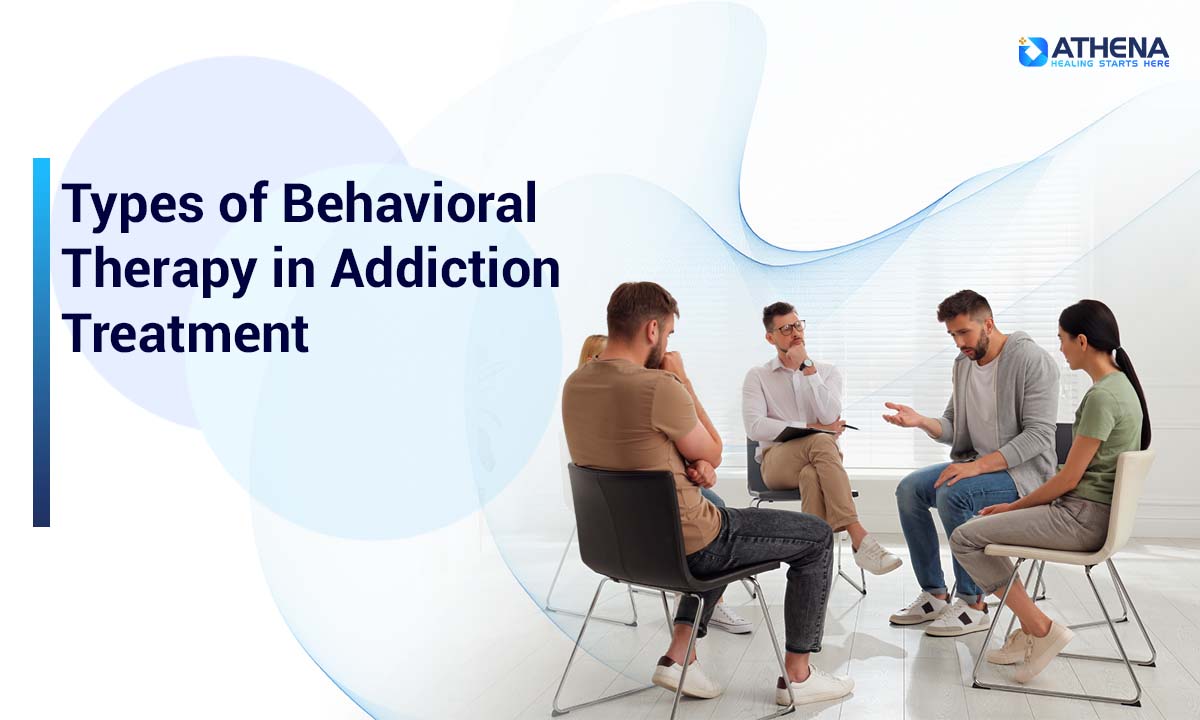
Group therapy is a type of behavioral therapy where individuals meet in groups to share their experiences and support one another through recovery. Group therapy helps reduce feelings of isolation and provides a supportive environment for personal growth.
How Does Group Therapy Work?
In group therapy, a trained therapist facilitates discussions that focus on:
- Sharing recovery experiences
- Learning from others
- Developing social skills and coping strategies
Benefits of Group Therapy:
- Provides emotional support
- Reduces feelings of isolation
- Teaches communication and coping skills
Group therapy is an important part of many addiction treatment programs, as it allows individuals to connect with others who are going through similar struggles.
7. Family Therapy
Family therapy involves family members in the addiction treatment process. It helps improve family dynamics, communication, and support, which are all crucial for long-term recovery.
How Does Family Therapy Work?
Family therapy:
- Improves communication within the family
- Helps family members understand addiction
- Strengthens support for the individual in recovery
Benefits of Family Therapy:
- Provides a strong support system
- Improves family relationships
- Educates families about addiction and recovery
Family therapy is especially important for individuals whose addiction has impacted their relationships with family and friends.
Conclusion
Behavioral therapy is a crucial component of addiction treatment. It helps individuals understand the thoughts and behaviors that contribute to their addiction and equips them with the tools they need to make lasting changes. Whether through Cognitive Behavioral Therapy (CBT), Motivational Interviewing (MI), or Contingency Management (CM), these therapies provide effective solutions for overcoming addiction.
If you or someone you know is struggling with addiction, don’t wait to seek help. At Athena Behavioral Health, we offer a variety of behavioral therapy options designed to meet your unique needs. Take the first step toward a healthier, substance-free life today.
If you're ready to start your journey to recovery, Athena Behavioral Health is here to help. Contact us today at +91 9289086193 to learn more about our behavioral therapy programs and how we can support you in your recovery journey.