
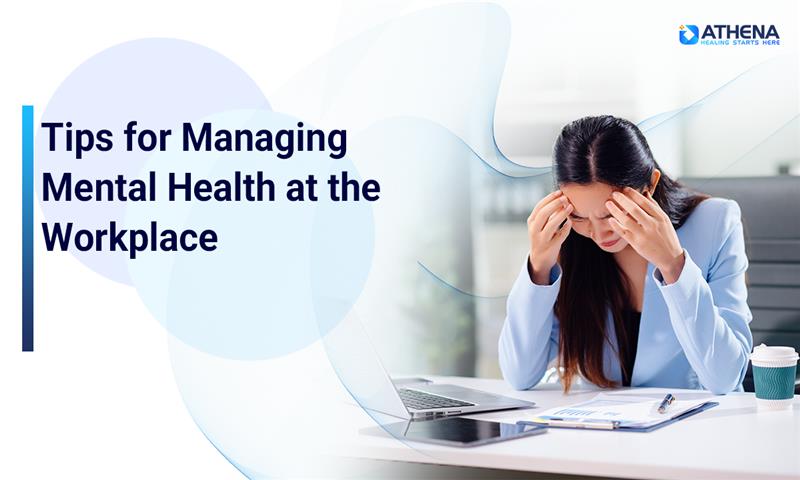

Mental health at work is a growing concern for both employees and employers. The pressure to meet deadlines, handle workloads, and maintain a work-life balance can be stressful. But managing mental health at work is crucial for everyone. It helps keep employees happy, productive, and healthy. At Athena Behavioral Health, we believe that prioritizing mental well-being in the workplace is essential for long-term success. In this blog, we’ll share practical tips for managing mental health at the workplace, reducing stress, and improving work-life balance.
Why Mental Health at the Workplace is Important
Mental health isn’t just about being happy – it’s about how we handle stress, make decisions, and interact with others. When employees have poor mental health, they are more likely to feel overwhelmed, miss work, or perform below their potential. But when mental health is prioritized, employees are more focused, feel better, and contribute to a healthier, more productive work environment.
How Poor Mental Health Affects the Workplace:
Lower Productivity: Stress and anxiety can make it hard to focus and complete tasks efficiently.
More Sick Days: Employees may take more days off due to mental health struggles.
Burnout: Too much stress without rest can lead to burnout, leaving employees feeling drained and disconnected.
Strained Relationships: Mental health struggles can affect communication, making teamwork harder.
Tips for Managing Mental Health at Work
1. Recognize When You're Feeling Stressed
It’s easy to overlook stress at work, but it’s important to notice when things are getting overwhelming. Some signs that you may be stressed include:
- Feeling tired all the time
- Trouble focusing
- Irritability
- Physical issues like headaches or muscle tension
If you notice these signs, it’s time to take a step back and focus on your mental health.
2. Talk About It
Talking about your stress or mental health struggles with a colleague, supervisor, or HR can help. Many workplaces now offer mental health support, like counseling or employee assistance programs. Talking it out can reduce feelings of isolation and let others know how they can help.
3. Take Breaks
It’s easy to get caught up in work and forget to take breaks. But regular breaks are essential. Taking a walk, stretching, or simply stepping away from your desk for a few minutes can help reset your mind and body.
4. Maintain a Healthy Work-Life Balance
Making sure you have time to relax and recharge outside of work is vital. Working too much can lead to burnout, so it’s important to set clear boundaries:
- Set work hours and stick to them
- Make time for your hobbies, family, and friends
- Take vacations to truly disconnect from work
5. Build a Supportive Work Environment
Supportive coworkers and a positive work culture can help reduce workplace stress. When you feel supported and valued, you're more likely to feel good at work. Mental health professionals at Athena Behavioral Health emphasize that open communication and encouragement play a key role in building a healthy workplace.
6. Utilize Mental Health Resources
If your workplace offers mental health resources, use them. This could include counseling, support groups, or even mental health days. Having access to these resources gives you the support you need during tough times.
7. Practice Mindfulness
Mindfulness practices like deep breathing, meditation, or even short moments of silence can help reduce stress. These techniques help you stay present and focused, making it easier to handle stressful situations at work.
8. Stay Active
Physical activity is a great way to improve mental health. Whether it’s a walk during lunch or a workout after work, staying active can help release stress and boost your mood.
9. Spot Burnout Early
Burnout happens when stress and work overload take a toll on your mental and physical health. It can be hard to recover from burnout, so it’s important to catch it early. If you’re feeling drained, it’s time to talk to someone and find ways to manage the workload.
10. Make Positive Relationships at Work
Healthy relationships with coworkers can improve your mood and overall mental health. Building friendships at work helps create a sense of belonging. When people support each other, the workplace becomes a healthier and happier place to be.
Conclusion
Taking care of mental health at work is not just an individual effort; it’s a collective responsibility. Employers should foster a supportive work environment, and employees should prioritize their mental well-being. By recognizing stress, taking breaks, maintaining balance, and using available resources, mental health at the workplace can improve for everyone.
If you’re struggling or need guidance on managing mental health at the workplace, Athena Behavioral Health is here to listen. Contact us at +91 9289086193 and take the first step toward a healthier, more balanced work life. Sometimes, one conversation can make all the difference.