
Social Media Addiction Treatment in Delhi
Athena Behavioral Health provides social media addiction treatment in Delhi for exactly this, when scrolling stops being a way to pass time and starts shaping how someone feels about themselves, their sleep, and their day.
- Confidential assessment within 24 hours
- Digital detox is built around real life
- One-on-one CBT for compulsive use
- Family sessions included
- Private consultation rooms
- Aftercare check-ins post-discharge
Book Your Appointment

Social Media Addiction Treatment in Delhi, When the Phone Starts Running the Day
Social media addiction in Delhi rarely announces itself loudly at the start. It shows up as someone refreshing an app the moment a new notification sound goes off, opening the same three platforms out of pure habit without any real interest, or feeling oddly on edge the second their phone isn't within arm's reach. None of this means a person can't enjoy an evening of reels or a scroll through Instagram now and then.
At Athena Behavioral Health, social media addiction in Delhi is approached by first understanding what's actually happening emotionally, not simply counting screen time. A psychiatrist works through the habits, the need for validation or comparison sitting underneath them, and whatever else, stress, isolation, and low confidence might be fueling it, before any plan is drawn up. When the person struggling is a child or teenager, this evaluation is carried out by our Child & Adolescent Psychiatry team, since social media use at that age is frequently tied to peer approval and body image in ways adult-focused treatment can miss entirely. Families often tell us this is the first time someone actually explained the "why" behind the constant checking, instead of just telling them to log off.
"If someone shows signs of severe distress, panic, or self-harm thoughts connected to social media use, comparison, or online conflict, treat it as urgent. Contact your local emergency number or the nearest hospital right away. A person's immediate safety always comes first."
Meet Our Psychiatrists for Social Media Addiction Treatment in Delhi

Prof. (Dr.) Nimesh G. Desai

Dr. Ashish Mittal

Dr. Rahul Rai
Inside Our Delhi Programme: What Actually Happens Once You Walk In
We Start by Understanding, Never by Judging
Before any plan is recommended, we look at the actual pattern of use, mood shifts tied to notifications and engagement, sleep disruption, and any underlying issues like anxiety or low confidence that could be feeding it.
Digital Detox Is Structured, Not Forced
Rather than removing apps entirely, we build a realistic plan with screen-time limits, notification management, and offline activities that fit the person's actual daily routine.
Support Is Matched to the Severity of the Case
If there's a need for more structure than one weekly session but less than inpatient treatment, patients receive care through our Day Care Programme, with several hours supervised by the centre each day, while still going home at night.
Every Session Stays Confidential
Our scheduling is arranged so that patients are never seated next to someone they might recognize.
Medications Are Used Only Where Warranted
There are no specific medications for social media addiction on its own, but when the case also involves anxiety, depression, or sleep disruption, those are addressed alongside the addiction and reviewed regularly.
Therapy Goes Straight to the Cause
Whether it's comparison, loneliness, low self-worth, or an escape from stress at home or work, therapy addresses the actual driver behind the use.
Clinical Excellence
Doctors Who See Compulsive Scrolling as a Real Diagnosis, Not a Bad Habit
Compulsive social media use is our specialised focus area at Athena Behavioral Health, one we never treat as an afterthought cramped between other unrelated cases. Social media addiction in Delhi is often dismissed as a mere leisure-time habit, which is precisely why so many people, particularly teenagers, suffer in silence for years, while their self-confidence and sleeping habits gradually erode. Consulting an experienced psychiatrist in Delhi early on can make a real difference, helping identify the deeper patterns driving this behaviour before it quietly takes a lasting toll on mental health and daily functioning.

Every case is unique. A teenager feeling inferior in comparison with influencers is going to require an entirely different course of treatment than an adult professional spending hours scrolling reels to numb the feeling of exhaustion after the stressful workday. Understanding what the scrolling is standing in for is where good treatment begins, and it shapes every decision that follows, from therapy methods to the support offered to the family.
In particular, when it comes to treating adolescents, our specialized Child & Adolescent Psychiatry professionals take the responsibility for assessment and treatment, as the impact of social media on self-perception and peer interactions varies depending on age. It's one of the reasons why people looking for a social media addiction treatment center in Delhi usually reach us through the referral of a friend or family member who has tried our approach before and found it genuinely helpful.
A case remains the responsibility of one clinician from the initial assessment until discharge, so nothing has to be explained twice to someone new partway through. This continuity builds trust and keeps care consistent, which helps patients stay open, engaged, and committed to recovery, especially during the difficult moments when the urge to scroll returns and the old habits try to pull them back in.
Modern Lifetime Challenges
Delhi's Rhythm Is Built for Constant Checking
Long commutes across the city that turn into extended scrolling sessions, a professional culture where staying constantly "reachable" and visible online feels expected, students juggling exam pressure while being surrounded by curated, highlight-reel feeds, and a broader normalization of checking apps as the automatic response to any idle moment all make excessive use easy to miss until it's already deeply rooted. What begins as a quick check between tasks can slowly stretch into hours each day, quietly eating into sleep, focus, and time with the people who matter most.
There is a real distinction between someone who uses social media regularly and someone who has become addicted to it. Understanding where that line falls helps individuals and families recognize the problem early, before the effect on mood, confidence, and daily life becomes much harder to reverse.
Regular use: Has no real impact on sleep, self-image, relationships, work, or studies. The person can put the phone down when needed, stays present in conversations and responsibilities, and doesn't feel restless or low when offline for a while.
Dependency: The person struggles to function normally without it, and being disconnected brings on real anxiety, low mood, or unease. Over time, sleep, concentration, self-esteem, and real-life relationships begin to suffer, and attempts to cut back often end in a quick return to constant scrolling.

Scrolling Isn't Always About the Phone
Ask ten people in Delhi why they can't stop scrolling and you'll get ten different answers. For one person it's the notification that has to be checked right now, for another it's the quiet comfort of reels after a draining commute, and for a teenager it might be the pressure to keep up with what everyone else seems to be posting.
| The Trigger Behind It | How It Tends to Show Up | Care Approach Generally Recommended |
| Habit and Notification Pull | Reaching for the phone the moment it buzzes, opening apps without any real interest in them | A single consultation with practical guidance on notification control and screen-time limits |
| Commute and Downtime Scrolling | Long travel hours and idle moments filled automatically by feeds, with sleep slowly slipping later | A tailored digital detox plan with weekly outpatient sessions to rebuild offline routines |
| Need for Validation | Mood lifting or dropping depending on how a post performs, repeated checking for responses | Individual CBT focused on validation-seeking and the thinking patterns around approval |
| Numbing Out From Stress | Reels or feeds used to switch off after work or exam pressure, often late into the night | Psychotherapy addressing the exhaustion or stress underneath, alongside structured detox support |
| Peer Pressure and Self-Image | Constant comparison with influencers or classmates, especially among teenagers, with dips in confidence | Child & Adolescent Psychiatry-led assessment for younger patients, with therapy focused on self-worth |
| Life Beginning to Suffer | Falling grades, missed deadlines, failed attempts to cut back, irritability without the phone | Day Care Programme with closer psychiatric monitoring, therapy and Mindfulness, Yoga & Wellness sessions |
| Crisis-Level Distress | Panic, severe distress or self-harm thoughts linked to online conflict, comparison or being disconnected | Immediate clinical stabilisation with round-the-clock psychiatric support |
The Quiet Changes Parents and Partners Miss Early On
The most common situation is where the family waits for something very obvious, such as a noticeable dip in confidence or an actual argument, by which time the pattern would have already been established for some time. This is what is often ignored for far too long.
Anxiety When Social Media Is Out of Reach
Irritability or signs of anxiety once social media becomes out of reach.
Mood Changes With Likes or Responses on Posts
Feeling high and happy when a post gets good feedback and low or withdrawn if it does not.
Going to Bed Late Night After Night
Staying up really late into the night in order to scroll through or watch something else.
Constant Comparisons
Frequently becoming depressed about one's looks, achievements, and life in comparison to other people online.
A Drop in Performance or Confidence
Poorer grades or missed deadlines and lack of confidence, coinciding with increased use.
Dismissing Concerns from the Family
Saying "It's not a big deal" despite family concerns.
Not Sure If This Is You? Talk to a Specialist
Confidential Support, available 24×7
ABOUT THERAPY AT ATHENA
From Evaluation to Recovery: How a Case Unfolds Here
Step One – Assessment
The patient undergoes a full psychiatric assessment and diagnosis, which includes charting the patient's screen time patterns, their emotional triggers, issues related to self-worth, sleeping patterns, and home environment.
Step Two – Detox Planning
Rather than stripping away every app at once, this step involves setting up manageable screen-time limits, notification controls, and offline activities in a way that's realistic to sustain.
Step Three – Individual Therapy
Individual Psychotherapy & Counselling through Cognitive Behavioral Therapy targets the comparison patterns and validation-seeking behavior tied to compulsive use.
Step Four – Life Structure Restoration
Engaging in offline hobbies, exercise, Mindfulness, Yoga & Wellness, and spending real time with family.
Why Choose Us
What Sets Athena's Approach to Digital Recovery Apart

This applies especially in cases where the use of social media is connected with depression, anxiety, or low self-esteem, as treating each of these problems in isolation usually does not work. Patients do not leave knowing that they will not have such troubles again, but with a plan to maintain the balance in their lives and to get back on track in case something goes wrong. This means support continues after discharge, and the patient always knows what steps to take if old habits begin to return.
However, not all cases are treated in one way. The depressed teenager who feels inferior after comparing himself with game players and influencers needs a different treatment compared to the working person who uses applications to escape the workplace, and that is why young patients are treated differently from the very beginning.
For those working people who cannot afford to let treatment interfere with their career, there are flexible programs such as the Day Care Programme. This allows them to receive structured, supervised support during the day while continuing to manage their work and personal responsibilities, so recovery does not have to come at the cost of their professional life.
How We Help
Your First Call Through to Lasting Change
Getting in touch is usually the hardest part. Here's what follows once you do.
Call our helpline or message us on WhatsApp, and get confirmation of your first appointment the same day.
A psychiatrist reviews digital habits, emotional history, and personal circumstances, either in person or through a private video consultation.
Digital detox planning, therapy, family sessions, wellness work, and, where appropriate, our Day Care Programme are combined based on what the specific situation calls for.
Scheduled follow-ups after discharge help make sure healthier habits actually stick once daily life resumes.
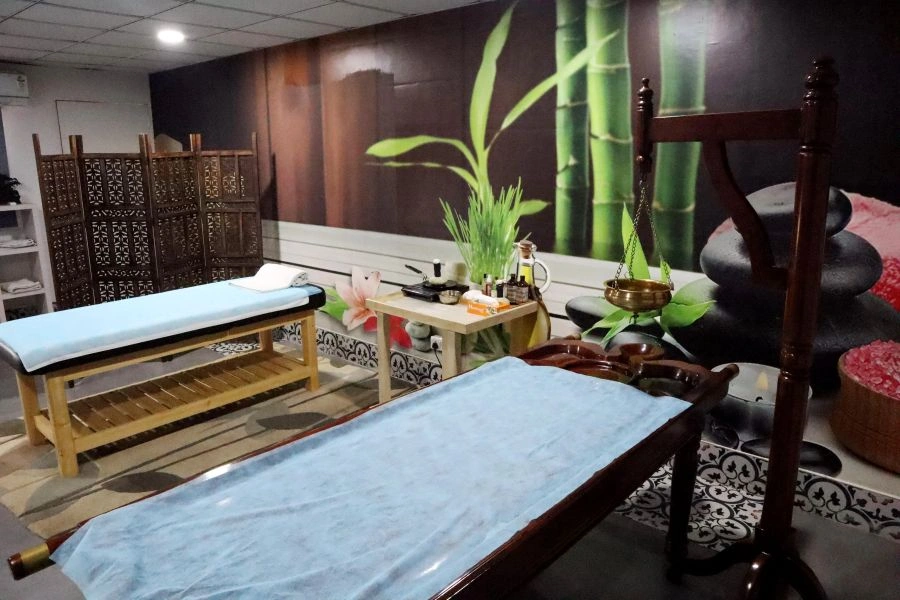
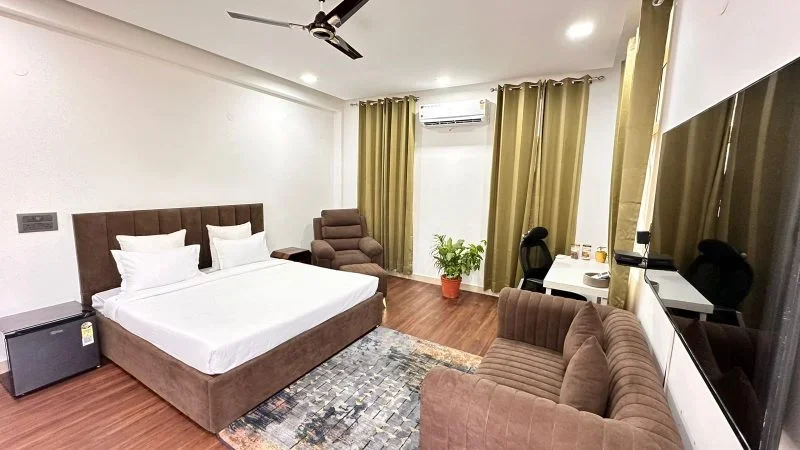
Take a Look Inside Our Delhi Facility






Conditions We Treat















.png)






What Our Patients Say
Frequently Asked Questions
The key symptoms are experiencing anxiety and irritability when you're not holding your smartphone, browsing apps automatically without any particular interest in doing so, sacrificing sleep time for staying on social media, and feeling bad about yourself because of comparing your life to other people's online. If these issues start to affect your everyday life, work, and personal relationships, then you should definitely consider undergoing the evaluation.
Start by booking a consultation for yourself so you understand how the process works and what to expect. Many parents find that their teenager becomes more open to it once they see that a parent has already taken it seriously and gone through the process first.
Sessions are scheduled so patients never run into someone they know, and every consultation happens in a private room. If you'd rather not visit in person at all, online consultations are also available to start the process remotely.
Depends on the duration of the problem and on how quickly the individual responds to treatment in the beginning stages. For some, change occurs quite fast, while others need a little more time, but that's all completely normal.
The specialist will spend one hour learning about the patient's usage patterns, the triggers for the habit of using smartphones excessively, sleep patterns, and the environment (work or domestic). In the case of children or adolescents, this visit is organized by the Child & Adolescent Psychiatry.
It can certainly be treated, and the willpower is rarely sufficient for solving the problem. The issue is often linked to various underlying factors such as the desire to feel validated, make comparisons, or relieve stress by using the app.
No, not usually. Most people are treated through regular outpatient sessions or our Day Care Programme, which offers structured support during the day while you continue living at home. Full admission is only considered in more severe cases.
Not automatically, there's no specific medication for social media addiction on its own. Medication only comes into the picture if there's a related issue like anxiety, depression, or trouble sleeping, and even then, it's reviewed regularly rather than continued indefinitely.
Yes, the program is designed with that in mind; for example, we have a special Day Care Program for those who cannot afford a day off work.
No, follow-up visits continue even after the discharge, since old scrolling patterns may slowly resurface if there are no reminders.
How to reach Athena - Delhi
Athena Luxus, Delhi
Athena Luxus, South Delhi, New Delhi
Landmark: South Delhi
- South Delhi
- Central Delhi
- Gurugram border areas
- Noida border areas
Contact us: +919289086193
Speak to Our Care Team - 24×7 Confidential Support
Confidential help is just a call or chat away. Our team is ready to listen - without judgment, without pressure.
