
Shopping Addiction Treatment in Guwahati
Athena Behavioral Health provides shopping addiction treatment in Guwahati for exactly this, when buying has stopped being about the item itself and started being about a feeling the person keeps reaching for, often without realizing it.
- Confidential assessment within 24 hours
- Financial boundary planning alongside therapy
- One-on-one CBT for compulsive buying
- Family sessions were included where useful
- Private consultation rooms
- Aftercare check-ins post-discharge
Book Your Appointment

Shopping Addiction Treatment in Guwahati: The Bank Statement Tells You Last
Shopping addiction in Guwahati rarely starts with a single dramatic purchase. It builds slowly, through small buys that each feel justified on their own, something to make a dull evening feel better, an item grabbed the moment a sale notification pops up, a purchase made to feel some sense of control during a stressful week. Over time, the actual item stops mattering as much as the brief relief that comes right before it arrives, relief that fades quickly and tends to leave behind clutter, regret, or debt in its place.
The Psychiatric Assessment & Diagnosis at Athena Behavioral Health is what starts online shopping addiction treatment in Guwahati, and not just talking about how much money they have lost through their spending. The psychiatrist tries to figure out why the patient was shopping in the first place, and if it was used as a coping mechanism for something else, like loneliness, anxiety, or anything else. Patients often report that it is the first time they have been asked to explain their reasons for shopping rather than being told about the losses incurred.
"If someone expresses suicidal thoughts connected to shopping debt or the shame surrounding it, treat it as urgent. Contact your local emergency number or the nearest hospital right away. A person's safety always comes before addressing the financial situation."
Meet Our Psychiatrists for Shopping Addiction Treatment in Guwahati

Prof. (Dr.) Nimesh G. Desai

Dr. Sushil Agarwalla

Dr. Sahil Agarwal
Inside Our Guwahati Centre: What the First Conversation Covers
The Feeling Comes First, Not the Cost Factor
Evaluation No. 1 starts with the point at which the buying process turned into a compulsion, the emotional state that precedes the ,purchase, and the extent to which the financial ramifications have actually been felt.
Spending Limits Are Set with the Patient, Not Imposed on Them
Rather than dictating limits that may feel punitive, we set realistic boundaries that fit within the patient's lifestyle.
The Support Level Is Based on the Case
For cases that require more support than weekly meetings but don't yet need residential treatment, the Day Care Programme provides several hours of supervised treatment per day at the facility.
Each Consultation is Strictly Confidential
Timetabling ensures clients to be nearer to anyone they know.
Online Shopping Triggers Get Addressed Head-On
Since apps, flash sales, and constant notifications are common triggers, the plan includes practical steps to manage these digital pressures.
Therapy Targets What's Underneath, Not Just the Behavior
Individual Psychotherapy & Counselling works through the emotional cycle behind the buying, rather than treating the shopping itself as the whole problem.
Clinical Excellence
Doctors Who Treat the Compulsion, Not Just the Consequences
Our psychiatrists and counselors consider shopping addiction as a true behavioral disorder with its own emotional cycle rather than an issue of poor financial management. The difference is important since resolving the problem with money will do little good if one does not address the underlying reasons. Lasting recovery depends on understanding what the buying is meant to relieve.

Each patient requires an individual approach – coping with one's problems with lack of self-confidence requires a different therapy than overcoming one's habits of nighttime browsing in order not to face the difficulties at home. Understanding that difference is where good treatment begins, and it shapes every decision that follows, from therapy methods to the support offered to the family. Working with an experienced therapist in Guwahati helps uncover what the behaviour is really standing in for, so the plan targets the cause and not just the habit.
It's one of the main reasons why patients looking for shopping addiction rehab in Athena Guwahati tend to contact us by referral, as this treatment plan is truly individual and unique. Each patient receives care built around their own triggers, history, and goals, so the treatment feels relevant, practical, and realistic from the very first session.
The work with a patient begins at the initial consultation and continues until discharge, with no repeat consultations with other specialists in between. This continuity builds trust and keeps care consistent, which helps patients stay open, engaged, and committed to recovery, especially during the difficult moments when the urge to shop returns.
Modern Lifetime Challenges
The Local Pressures That Turn Shopping Into a Habit
Exposure to online shopping and promotion through influencers, a culture where visible buying is associated with status, the availability of credit cards and pay-now, later options that make spending without consequences seem easier than ever. Youth and young adults struggling to manage their finances independently all contribute to how easy it is to become addicted to shopping without even realizing it. What begins as an occasional treat or a way to feel included can slowly become the automatic response to stress, boredom, or low mood, often without the person noticing how often it is happening.
It's important to distinguish between a regular shopper and someone who is addicted to shopping. Understanding where that line falls helps individuals and families recognize the problem early, before the financial and emotional consequences become much harder to reverse.
Regular shopper: Does not significantly impact one's finances, relationships, or responsibilities. Purchases are planned, the person stays within a budget, and they feel satisfied with what they buy rather than guilty, anxious, or the need to hide it afterward.
Shopping addiction: Shopping becomes impulsive, there is an accumulation of unused items, debt quietly accumulates, and its full extent is hidden from those close to the person. Over time, unopened packages pile up, savings and relationships come under strain, and the brief relief of buying is quickly replaced by guilt, which often drives the next round of purchases.

The Shopping Cycle: What Happens Before, During and After Each Purchase
Compulsive buying rarely feels chaotic from the inside, it follows a fairly consistent emotional arc each time. This table breaks down that cycle stage by stage, which is exactly what therapy works to interrupt.
| Stage | What's Happening Emotionally | What the Person Usually Tells Themselves | What Therapy Targets Here |
| Before the Purchase | A low mood, boredom, stress, or restlessness builds, often without being clearly named | "I just need something to feel better" or "This one thing won't hurt" | Recognising this state as it's happening, before it turns into a purchase |
| During the Purchase | A genuine rush of excitement or relief, the closest thing to a "high" in the whole cycle | "This is exactly what I needed" | Understanding that this relief is real but temporary, and tied to the act itself, not the item |
| Right After the Purchase | The excitement fades quickly, often within hours, sometimes within minutes | "That felt good" starts to quietly shift toward silence or unease | Building awareness of how fast the relief actually fades, so the pattern becomes visible |
| Hours or Days Later | Guilt, anxiety about money, or shame sets in, often triggering the urge to hide the purchase | "I shouldn't have done that" or "I won't do it again" | Working through the guilt directly, rather than letting it fuel secrecy or another purchase to cope with the shame |
| The Next Trigger | The original low mood, stress, or boredom returns, since it was never actually resolved | "Just this once more" | Building alternative coping tools for this exact moment, so the cycle has somewhere else to go |
What Usually Gets Explained Away Before It's Named
Most families only step in once there's an unmistakable crisis, a maxed-out card, a confrontation over an unopened parcel, when in reality the pattern had usually been building for a long time before that point.
Unwanted Purchases
Things bought on a whim and left untouched in their packages or stashed away in the back of a cupboard, quickly forgotten.
Keeping Purchases a Secret from Others
Deleting emails, hiding bags of shopping, or getting defensive when confronted about a purchase.
Immediate Satisfaction But Later Remorse
Real excitement follows the act of purchasing something, but is replaced just as quickly by regret or worry about the expense.
Becoming Untrustworthy
Making promises that you will never purchase again, but quickly breaking those promises a few days later.
Unexplained Debt in Relation to Your Shopping
Money borrowed, cards maxed out, and debts incurred that don't add up to any visible purchases.
Refusing to Admit There Is a Problem
Not wanting to admit that there is a problem, even when the evidence stares you in the face.
Not Sure If This Is You? Talk to a Specialist
Confidential Support, available 24×7
ABOUT THERAPY AT ATHENA
From First Call to Real Change: How Treatment Unfolds
Step One – Assessment
A psychiatrist performs a comprehensive assessment, which involves examining the patient's shopping behavior, emotions, finances, and any other problems like anxiety or depression.
Step Two – Financial Boundaries Planning
In this step, practical and realistic financial boundaries will be implemented in collaboration with the client. In this way, the patient will find it more comfortable because it is not going to be too restrictive.
Step Three – Individual Therapy
Individual psychotherapy and counselling using cognitive behavioral therapy will address the compulsion-bad purchase-guilt process that the patient experiences directly.
Step Four – Routine Reestablishment
Mindfulness, Yoga, Wellness activities, routine planning, and family support will help the individual cope with stress through healthier means, instead of making another purchase.
Why Choose Us
What Sets Athena's Approach to Compulsive Spending Apart

In all cases, joint evaluation is performed by both the psychiatrist and the therapist operating with the same perception of the situation, rather than two separate approaches that address the financial aspects and the underlying emotional factors in isolation. This is important, especially when shopping addiction coexists with disorders such as anxiety, depression, or low self-esteem, because it is extremely difficult to expect any long-term change in patients who are treated solely for their debt problem. Patients also leave with a clear plan for staying on track and the option to return if a difficult period puts their progress at risk.
We never try to use the same approach for everyone, because a person trying to compensate for an emotional void caused by isolation needs a different treatment from a person who buys things to cope with pressure at work. The strategy always corresponds with the reasons behind the patient's behavior. Understanding what the buying is meant to relieve allows the plan to address the real cause instead of only the spending itself.
Our Day Care Programme is designed especially for those professionals and students who cannot afford to be disturbed by these problems and cannot leave their work or education in order to receive our help. It provides structured, supervised support during the day while the person continues to manage work, studies, and home responsibilities, so recovery does not have to come at the cost of their career or education.
How We Help
Your First Message, and Everything That Follows
Reaching out is usually the hardest part, especially given how much shame tends to come with shopping debt. Here's what follows once you do.
Call our helpline or message us on WhatsApp, and get confirmation of your first appointment the same day.
A psychiatrist reviews shopping history, financial circumstances, and emotional triggers, either in person or through a private video consultation.
Individual therapy, financial boundary planning, and, where appropriate, our Day Care Programme, are combined based on what the specific situation actually calls for.
Scheduled follow-ups continue after discharge, with particular attention to high-spending periods like festive and wedding-season sales.
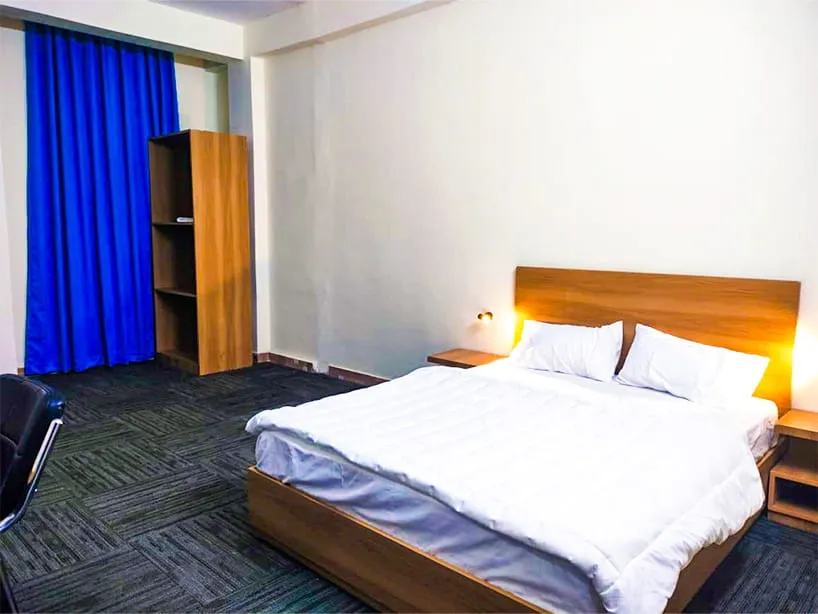
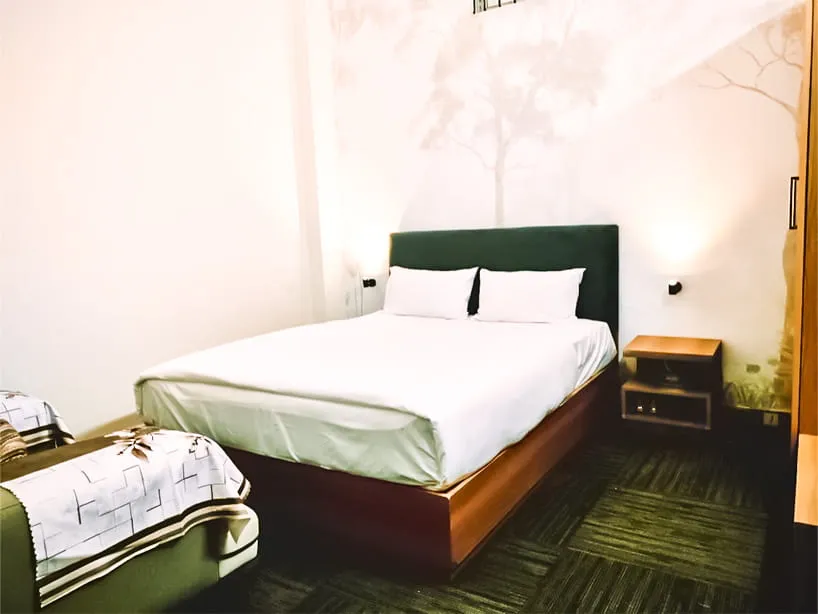
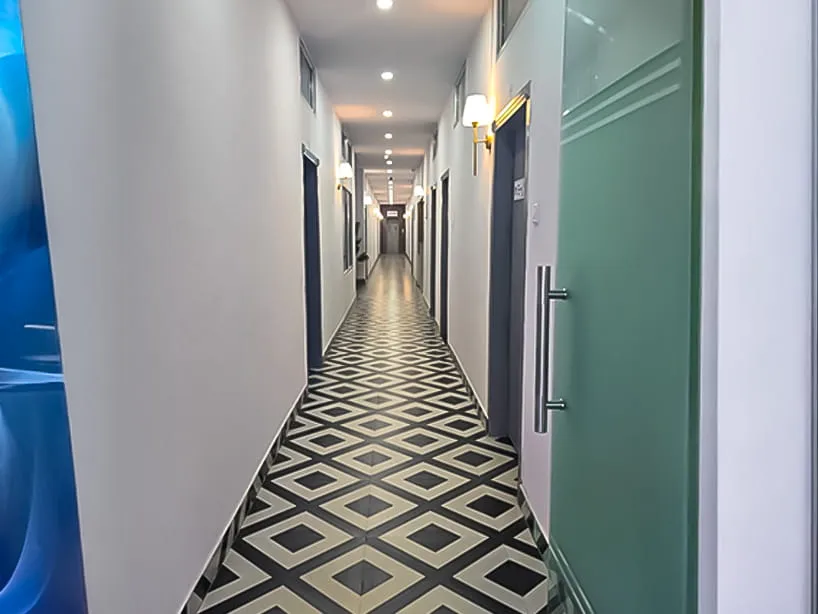
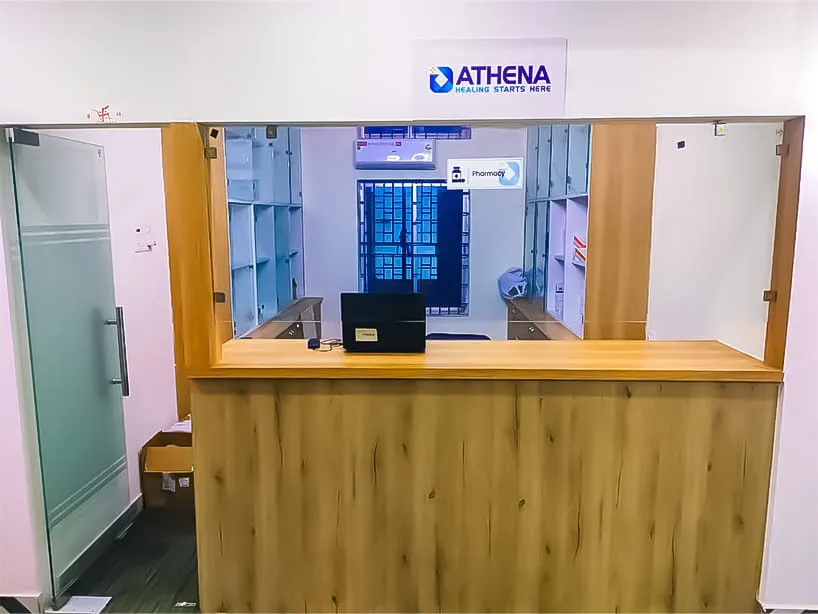
Take a Look Inside Our Guwahati Facility




Conditions We Treat















.png)






What Our Patients Say
Frequently Asked Questions
If you're buying things you don't need, feeling guilty or ashamed right after, and struggling to stop even though it's affecting your money or relationships, that points to something beyond ordinary enjoyment. A proper evaluation can help clarify exactly where things stand.
No, it is never too late. The treatment will cover both the problem of the compulsion and the financial aspect of it, so there is no need to prepare any repayment plan in advance.
In most cases, no. There is no particular medication for shopping addiction as such. In case of co-occurring anxiety disorder, depression, or any other mental problem, it may be treated with medication, but not compulsive shopping addiction itself.
This is extremely common, and it doesn't mean you lack self-control. Without addressing what's actually driving the urge, whether that's stress, boredom, or something else, willpower alone rarely holds, especially during high-exposure periods like festive sales.
It will help to reduce the immediate risk, but this method rarely solves the problem as a whole without any other treatments that target the underlying issues.
It's genuinely treatable, and better budgeting alone rarely fixes it, because the urge to buy is usually tied to something emotional, like stress, low self-worth, or wanting a quick mood lift. Therapy that addresses the underlying cause tends to work far better than financial discipline on its own.
Of course, it is possible. The appointments are always scheduled in such a way that patients don't run into anybody they know. Every consultation takes place in a private room. There is an option to conduct a private online consultation as well.
Start by calling yourself first to understand exactly what the evaluation and treatment process involves. Family members tend to be more open to it once they see someone close to them has already taken it seriously.
It's rare. Most patients receive treatment through normal outpatient consultations or via the Day Care Programme without being required to enter the hospital. It may only be done if there is a crisis situation relating to the patient's mental condition.
The psychiatrist spends roughly one hour interviewing the patient regarding their shopping behavior, financial situation, emotional triggers, and previous experience in trying to restrain from the bad habit.
How to reach Athena - Guwahati
Athena Behavioral Health, Guwahati
Athena Behavioral Health, Guwahati, Assam
Landmark: Guwahati
- Guwahati City
- Northeast India region
Contact us: +919289086193
Speak to Our Care Team - 24×7 Confidential Support
Confidential help is just a call or chat away. Our team is ready to listen - without judgment, without pressure.
