
Shopping Addiction Treatment in Gurgaon
Athena Behavioral Health provides shopping addiction treatment in Gurgaon for exactly this, when buying stops being about the item and starts being about something the person can't quite explain, even to themselves.
- Confidential assessment within 24 hours
- Financial boundary planning alongside therapy
- One-on-one CBT for compulsive buying
- Family sessions were included where useful
- Private consultation rooms
- Aftercare check-ins post-discharge
Book Your Appointment
Accredited, Licensed & Trusted Care
Every aspect of our care is backed by proper accreditation and licensing. From patient safety to treatment protocols, we meet the standards that matter most to your family's trust and wellbeing.
NABH Accredited
Our facility follows nationally recognized healthcare standards and strict safety protocols, ensuring every treatment step meets certified clinical benchmarks for quality care.
Licensed by State Mental Healthcare Act, Haryana
We operate under full authorization from the Haryana State Mental Healthcare Act, meeting all regulatory and legal requirements for safe, ethical treatment.
Govt. Licensed De-Addiction Center
As a government licensed centre, we provide structured, medically supervised de-addiction and rehabilitation programs built for lasting recovery and wellbeing.

Shopping Addiction Treatment in Gurgaon: The Debt Is Usually the Second Problem, Not the First
Shopping addiction in Gurgaon doesn't begin with an irresponsible buy. It is a series of small instances, each time buying one more thing from a shopping bag during a difficult evening in an effort to receive a small kick from a short rush of excitement at the moment when one completes their purchase in order to gain control in case of having a day full of frustration. It's not about the object; it's more about the desire, feeling of euphoria, and shame afterwards.
At Athena Behavioral Health Gurgaon, online Shopping Addiction Treatment starts with a full Psychiatric Assessment & Diagnosis, not a conversation focused only on how much has been spent. A psychiatrist works to understand what buying has been doing emotionally, whether that's escaping stress, boredom, loneliness, or something else entirely, before any plan is built. Many people tell us this is the first time someone actually asked why they kept shopping, instead of simply pointing out how much money had gone missing.
"If someone expresses suicidal thoughts connected to shopping debt or the shame around it, treat it as urgent. Contact your local emergency number or the nearest hospital right away. A person's safety always comes before the financial situation."
Meet Our Psychiatrists for Shopping Addiction Treatment in Gurgaon

Prof. (Dr.) Nimesh G. Desai

Dr. Ashish Mittal

Dr. Rahul Rai

Dr. Supriya Mathur

Dr. Adwitiya Ray

Dr. Mrigakshi Parasor

Dr. Anindo Mitra
What Treatment Actually Looks Like at Our Gurgaon Centre
Not Only What We Spend But Also How We Do It
This assessment focuses on how long it has been going on compulsively, what kind of emotional state makes one buy compulsively, and how far it affects financially.
Financial Boundaries Will Be Set Up for You, by You
Our job will be to make sure that spending barriers are created safely and not as punishment, since we are going to achieve control rather than restriction.
Intensive Support Can Be Arranged Accordingly
If one needs intensive therapy but no need for inpatient treatment, then the Day Care Programme would suit perfectly. It means several hours spent at the center per day, although the patient comes back home in the evening.
Privacy in Any Consultation Is Guaranteed
Patients will be scheduled so that they won't be placed near any other patient whom they may know.
The Digital Triggers Will Be Worked Out Directly
Apps for shopping, flash sales, and late-night browsing are typical triggers, and this is what will be managed during therapy.
Compulsive Buying Therapy Will Focus on the Real Problem
Individual Psychotherapy & Counselling works with the actual buying cycle rather than the behavior itself.
Clinical Excellence
A Team That Treats Compulsive Buying as a Genuine Clinical Pattern
Our psychiatrists and therapists approach shopping addiction as a behavioral condition with its own emotional cycle, not simply a matter of poor budgeting or bad habits. This distinction matters because focusing only on the debt without addressing what's actually driving the urge rarely prevents it from happening again. Lasting recovery depends on understanding what the buying is meant to relieve.

No two cases look the same. Someone using luxury purchases to manage low self-esteem needs a different approach than someone caught in a cycle of late-night app browsing during stressful weeks at work. Understanding that difference is where good treatment begins, and it shapes every decision that follows, from therapy methods to the support offered to the family.
This is part of why people searching for the best shopping addiction treatment in Gurgaon tend to reach us through a referral, because the plan actually reflects the pattern in front of us, not a fixed template. Each patient receives care built around their own triggers, history, and goals, so the treatment feels relevant, practical, and realistic from the very first session.
One clinician follows a patient from the first evaluation through discharge, so the full history doesn't need to be repeated to someone new midway through. This continuity builds trust and keeps care consistent, which helps patients stay open, engaged, and committed to recovery, especially during the difficult moments when the urge to shop returns.
Modern Lifetime Challenges
Why Compulsive Buying Slips Past Notice in a City Like Gurgaon
Frequent exposure to flash sales and mobile notifications, a lifestyle centered around conspicuous consumption, easy availability of credit cards and pay now, later facility, and long and stressful working hours that make online shopping feel like an effortless reward are a few of the many factors that facilitate the quiet transition of shopping from a luxury to an unconscious coping mechanism. What begins as an occasional treat after a hard week can slowly become the automatic response to stress, boredom, or low mood, often without the person noticing how often it is happening.
There is a distinct difference between the behavior pattern of a frequent shopper and a person who has an actual addiction towards shopping. Understanding where that line falls helps individuals and families recognize the problem early, before the financial and emotional consequences become much harder to reverse.
Regular Shopping: Does not impact finances, relationships, or other aspects of life in any significant manner. Purchases are planned, the person stays within a budget, and they feel satisfied with what they buy rather than guilty, anxious, or the need to hide it afterward.
Shopping Addiction: Impulsive purchases, items going to waste, secret accumulation of debt. Over time, unopened packages pile up, relationships and savings come under strain, and the brief relief that comes from buying is quickly replaced by guilt, which often drives the next round of purchases.

What the Purchase Is Actually Standing In For
The item bought is rarely the real story. This table shows the emotional trigger our team most often finds behind a compulsive purchase, and what that means for treatment once the pattern is named.
| Emotional Trigger | What the Shopping Usually Looks Like | What Treatment Focuses On |
| Stress or Overwhelm | Late-night browsing after a demanding day, buying to feel a brief sense of control over something | Building alternative ways to release stress, and recognising the specific moments that trigger the urge |
| Loneliness or Disconnection | Purchases that create a brief sense of comfort or company, often around notifications, deliveries, or unboxing | Addressing the underlying disconnection directly, rather than treating the buying as the actual problem |
| Low Self-Esteem | Buying items, often clothing or appearance-related, tied to a hope of feeling more confident or "put together" | Working on self-worth directly through therapy, so the purchase stops being asked to do that job |
| Boredom or Understimulation | Scrolling shopping apps out of habit, buying things with little thought, often during idle stretches of the day | Structuring the day with alternative activity, so the impulse has less unoccupied space to surface in |
| Anger or Frustration | Impulsive purchases made in the heat of a frustrating moment, often regretted almost immediately | Identifying the frustration early and building a pause between the trigger and the purchase |
The Signs Families Usually Notice Only in Hindsight
Most families only step in once there's a clear financial crisis, a maxed-out card, an unopened parcel that raises questions, when in reality the pattern had usually been building for a long time before that.
Unopened or Unused Purchases Piling Up
Items bought on impulse that are never actually used, worn, or even taken out of their packaging.
Hiding Purchases and Deletions of Order Histories
Skepticism about packages, bills, or shopping applications, particularly under questioning.
Guilt and Shame Immediately Following Purchase
An instant euphoria followed quickly by guilt, anxiety, or self-loathing.
Unkept Promises to Cease the Behavior
Promises not to shop anymore after spending a lot of money, but resumes shortly after.
Inconsistencies Between Financial Burden and Expenditures
Credit card limits, unpaid bills, or borrowed money are not consistent with purchases at home.
Denial in the Face of Hard Evidence
Denial despite the contrary evidence present in bank statements.
Not Sure If This Is You? Talk to a Specialist
Confidential Support, available 24×7
ABOUT THERAPY AT ATHENA
The Actual Path From First Call: Shopping Addiction Treatment in Gurgaon
First Step – Assessment
The patient undergoes a psychiatric assessment and diagnosis by a psychiatrist that covers buying patterns, emotions, finances, and other related problems such as anxiety and depression.
Second Step – Financial Limitations
At this point, there is the introduction of practical spending limits, which are planned together, not as an external imposition, so that the patient feels supported and not controlled.
Third Step – Individual Psychotherapy
Individual Psychotherapy & Counselling in the form of Cognitive Behavioral Therapy aims at the impulse-shop-guilt cycle to give the patient tools to resist the temptation to shop.
Fourth Step – Re-establishing Routines
Through mindfulness, Yoga & Wellness, planned activity, and family support, the person can deal with stress without returning to shopping.
Why Choose Us
Why Families and Individuals Choose Athena Over Other Options

Every case here is looked at jointly by a psychiatrist and a therapist working from the same file, never as two separate processes running side by side. This matters most when compulsive shopping is tangled up with anxiety, depression, or low self-esteem, since addressing the spending alone while ignoring what's underneath rarely leads anywhere lasting. Patients don't walk away believing they'll never struggle again, but they do leave with a clear, written plan for staying on track, along with the option to come back if things start slipping. Families are also guided on what warning signs to watch for, so support at home stays informed and steady.
No single approach works for everyone. Someone buying compulsively to cope with loneliness needs a different plan than someone using late-night purchases to switch off after a stressful day at work, which is why treatment here is shaped around the person's actual triggers rather than a one-size-fits-all programme. Understanding what the buying is meant to relieve allows the plan to address the real cause instead of only the spending itself. As a trusted nasha mukti kendra in Gurgaon, we make sure every plan is built around the individual, not a fixed template.
For professionals who can't have this disrupt their career, we've built in flexible options like our Day Care Programme, so getting help doesn't mean putting everything else on hold. This offers structured, supervised support during the day while the person continues to manage work and personal responsibilities, so recovery does not have to come at the cost of their professional life.
How We Help
What Happens Between Your First Message and Ongoing Recovery
Making contact is normally the most difficult step to take, especially given the stigma that accompanies shopping addiction. What happens next?
Give us a call or drop a message on WhatsApp to get immediate confirmation of your first appointment.
Our psychiatrist evaluates your shopping pattern, financial status, and the triggers associated with emotions, using an in-person visit or a confidential video session.
Therapy, financial boundary-setting, and the Day Care Programme when necessary, depending on what the situation demands.
Follow-up sessions will be scheduled after discharge, focusing specifically on peak spending seasons.
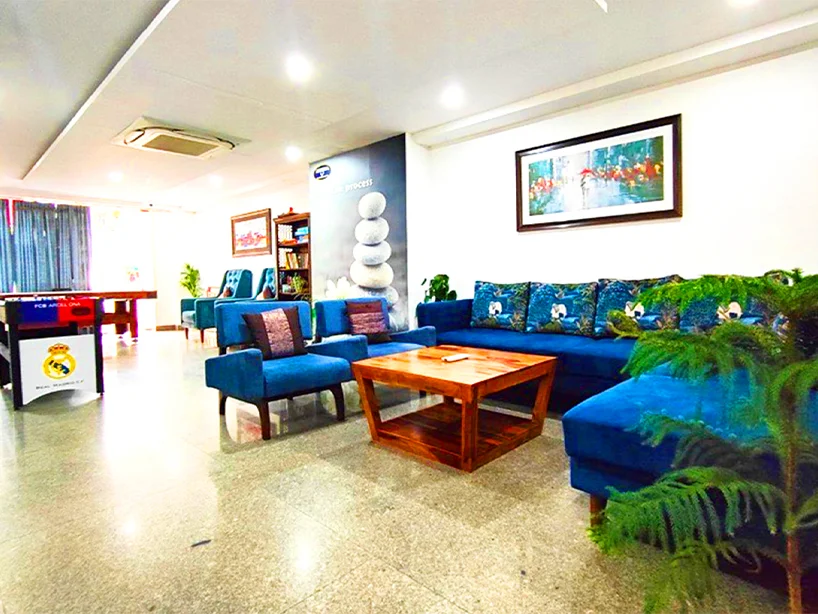
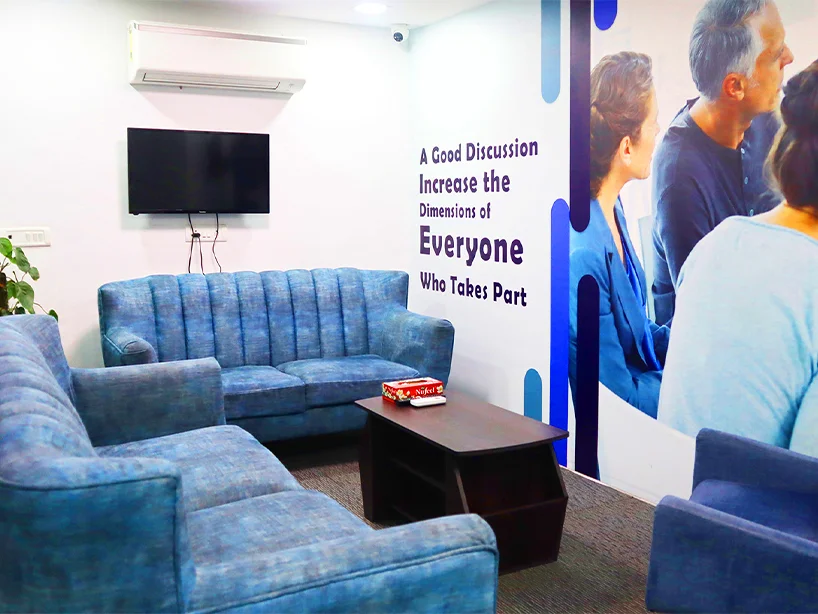
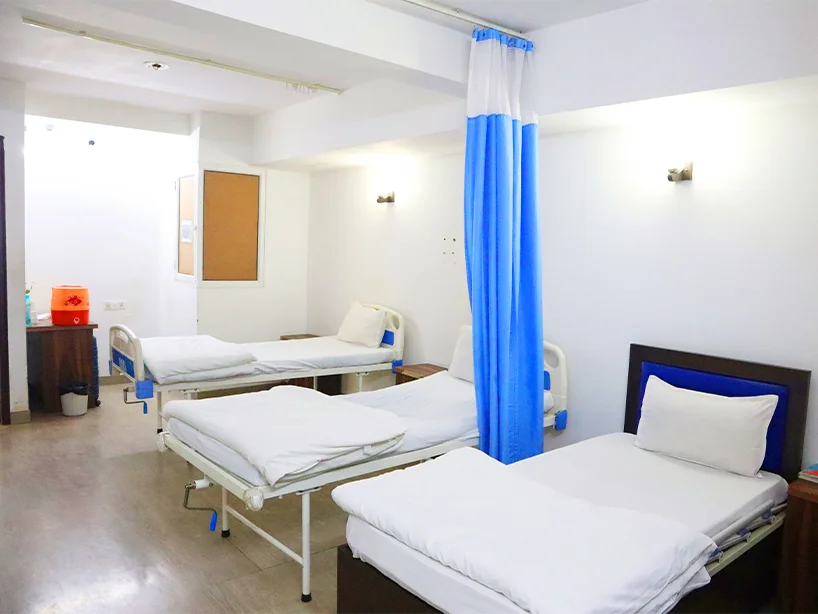
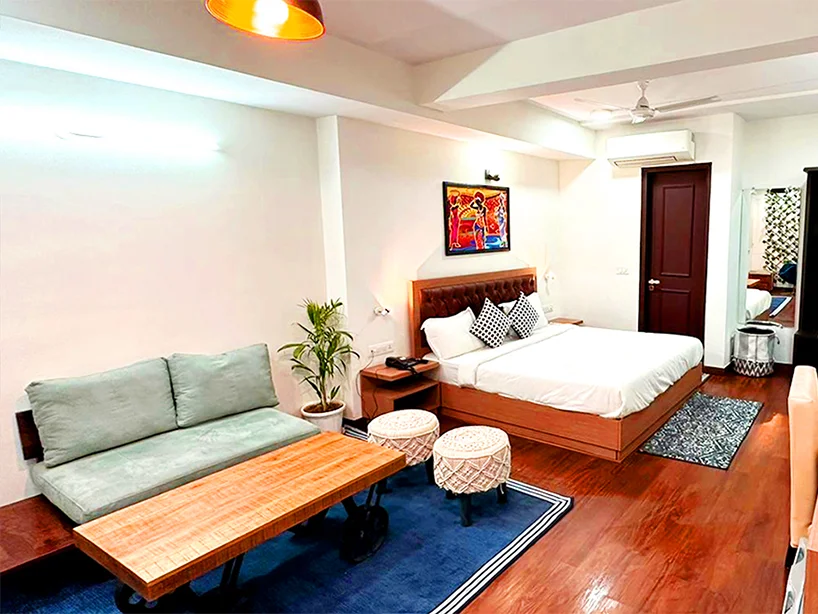
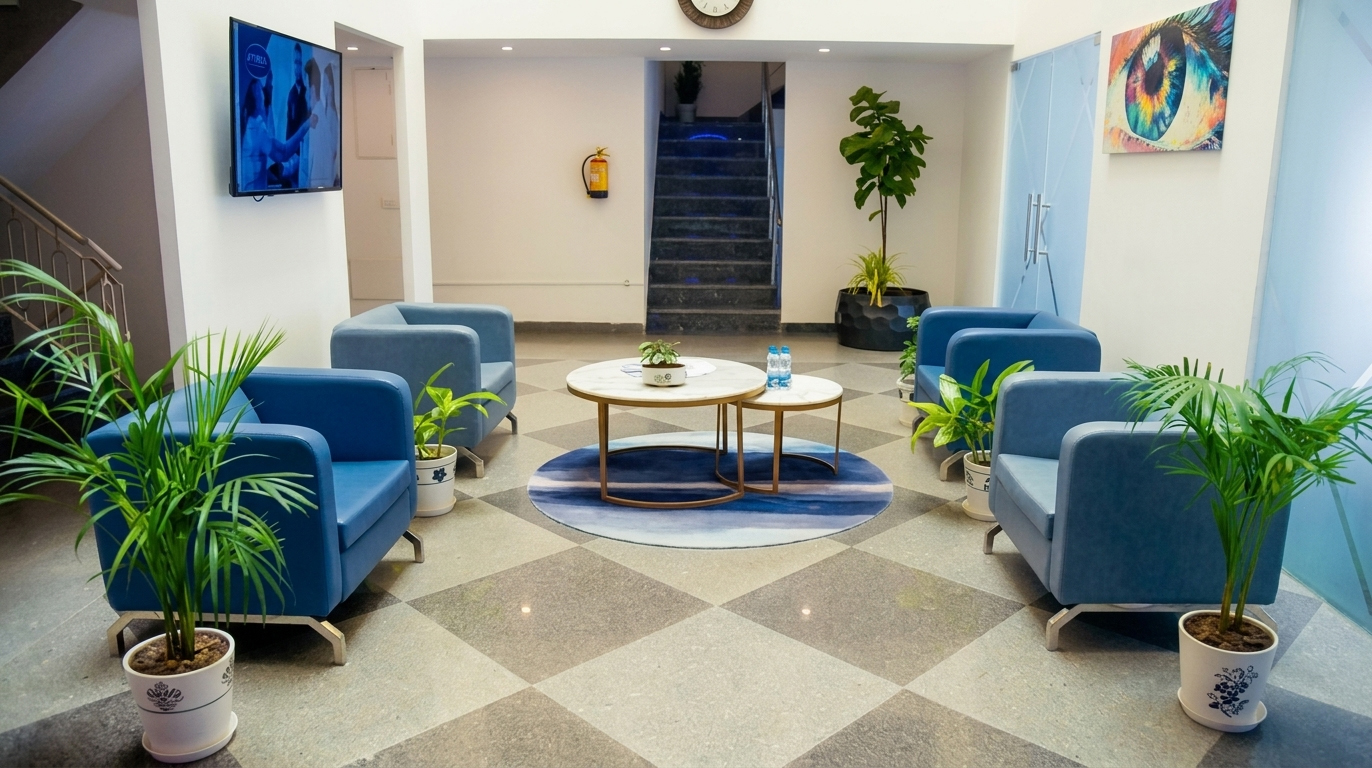
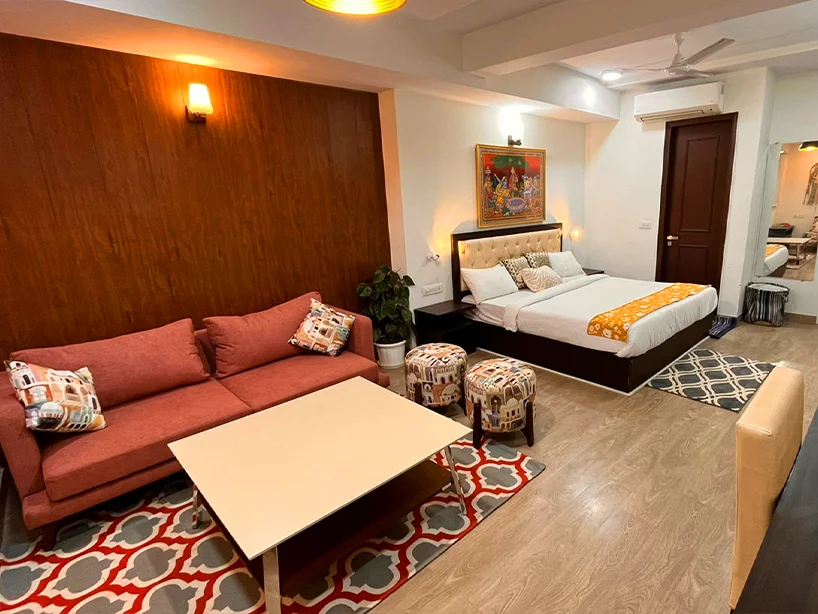
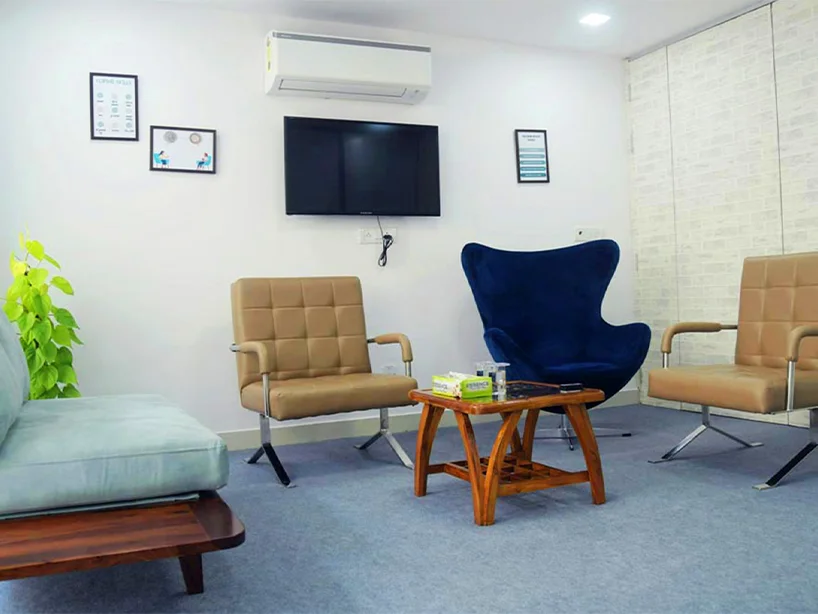
Take a Look Inside Our Gurgaon Facility

Conditions We Treat















.png)






What Our Patients Say
Frequently Asked Questions
If you're buying things you don't need, feeling guilty or ashamed right after, and finding it hard to stop even when it's affecting your finances or relationships, that's a sign it goes beyond casual enjoyment. A proper evaluation can help clarify exactly where things stand.
It's never too late. Treatment addresses the compulsive buying and the financial situation together, so you don't need to have a plan for the debt before reaching out. That gets worked through as part of the process.
No, there is no special drug treatment for shopping addiction specifically. Any other disorders, such as anxiety, depression, and others, are to be treated with drugs when necessary, but under supervision. The majority of patients recover from this disorder with the help of psychotherapy only.
This occurs quite frequently, and it does not necessarily imply that there are any problems with your self-control. Unless the reasons which make you do so are identified and worked out, it will be quite difficult to avoid relapses.
It may help decrease the risk to some extent, but is unlikely to solve the issue in itself. Such measure is usually effective when it goes together with the therapy aimed at solving the reason why the shopping began in the first place.
It's genuinely treatable, and better budgeting alone rarely solves it, because the urge to buy is usually tied to something emotional, like stress, low self-esteem, or the need for a quick mood lift. Therapy that addresses the underlying cause tends to work far better than financial discipline on its own.
Yes, appointments are scheduled so patients never overlap with anyone they might know, and every consultation happens in a private room. A private online consultation is also available if you'd rather start remotely.
First, make sure that you undergo the evaluation yourself to know exactly what it entails. This way, your relatives are likely to follow your example.
In most cases, no. The majority of patients undergo standard outpatient treatment sessions, including those from our Day Care Programme. Hospitalization will only be considered should a severe psychological crisis take place.
During one-hour-long session the psychiatrist goes over your shopping history, your current financial state, triggers and previous attempts to restrict yourself in terms of Psychiatric Assessment & Diagnosis.
How to reach Athena - Gurgaon
Athena Behavioral Health, Gurgaon
202, Near DPS Public School, Sector 47, Gurugram, Haryana 122018
Landmark: Near DPS Public School, Sector 47
- DLF Phase 1, 2, 3, 4, and 5
- Cyber City and Udyog Vihar
- Sohna Road and Golf Course Road
- MG Road and IFFCO Chowk areas
- Sector 14, 22, 23, 29, 31, 45, 57, and 67
- Manesar and Dharuhera (industrial corridor)
Contact us: +919289086193
Speak to Our Care Team - 24×7 Confidential Support
Confidential help is just a call or chat away. Our team is ready to listen - without judgment, without pressure.
