
Shopping Addiction Treatment in Delhi
Athena Behavioral Health provides shopping addiction treatment in Delhi for exactly this, when buying has stopped being about wanting something and started being about a feeling the person is chasing without fully realizing it.
- Confidential assessment within 24 hours
- Financial boundary planning alongside therapy
- One-on-one CBT for compulsive buying
- Family sessions included where useful
- Private consultation rooms
- Aftercare check-ins post-discharge
Book Your Appointment

Shopping Addiction Treatment in Delhi: The Money Is Rarely the Whole Story
Our psychiatrists and therapists treat shopping addiction as a genuine behavioral condition with its own emotional triggers and cycles, not as a simple lack of self-control or financial discipline. This distinction matters, because clearing the debt without addressing what's fueling the compulsion rarely stops the pattern from starting up again. Lasting recovery depends on understanding what the buying is meant to relieve.
At Athena Behavioral Health, shopping addiction treatment centers in Delhi begin with a full Psychiatric Assessment & Diagnosis, not a conversation centered only on the amount spent. A psychiatrist works to understand what the shopping is actually doing for the person emotionally, whether it's numbing stress, filling a sense of emptiness, or reacting to something entirely unrelated to money, before building a treatment plan. Many patients tell us this is the first time anyone asked what was going on underneath the spending, rather than simply pointing out the bills piling up.
"If someone expresses suicidal thoughts connected to shopping debt or the shame surrounding it, treat it as urgent. Contact your local emergency number or the nearest hospital right away. A person's safety always comes before addressing the financial situation."
Meet Our Psychiatrists for Shopping Addiction Treatment in Delhi

Prof. (Dr.) Nimesh G. Desai

Dr. Ashish Mittal

Dr. Rahul Rai
What Happens Once You Reach Out to Our Delhi Centre
Emotional Triggers Identified, Not Financial Statements
The first assessment will identify the moment the purchase became a compulsion, the state of mind or circumstances that initiate it, and the extent of the financial impact of the disorder.
Spend Controls Developed as Partners
Instead of dictating strict controls from the outside, controls will be designed with the patient in a way that is empowering and not controlling.
Intensive Care Is Offered Depending on the Severity
If a patient needs more controls than weekly therapy, yet does not require residential treatment, our Day Care Programme offers several controlled hours at the centre daily with the patient going home in the evening.
Therapy Sessions Are Kept Strictly Confidential
Therapy schedules are adjusted in such a way that the patient will never encounter people they know.
Digital Triggers Will Be Tackled
As shopping applications, flash sales, and notifications often act as an impulse, this particular aspect of the problem will be addressed during the treatment process.
Therapy Addresses the Root, Not Just the Behavior
Individual Psychotherapy & Counselling works through the emotional cycle behind the buying, rather than focusing only on the act of shopping itself.
Clinical Excellence
A Team That Understands This Isn't About Willpower
Our psychiatrists and therapists in Delhi treat shopping addiction as a genuine behavioural condition with its own emotional triggers and cycles, not as a simple lack of self-control or financial discipline. A skilled psychiatrist in Delhi looks beyond the surface behaviour to understand the deeper emotional patterns driving it. This distinction matters, because clearing the debt without addressing what's fuelling the compulsion rarely stops the pattern from starting up again.

Every situation looks different. Someone shopping to manage feelings of inadequacy needs a different approach than someone caught in a habit of late-night app browsing to avoid dealing with a stressful home life. Understanding that difference is where good treatment begins, and it shapes every decision that follows, from therapy methods to the support offered to the family.
This is a big part of why people searching for shopping addiction treatment centers in Delhi tend to arrive through a referral, since the plan genuinely reflects what's actually going on for that person, not a generic template. Each patient receives care built around their own triggers, history, and goals, so the treatment feels relevant, practical, and realistic from the very first session.
One clinician stays with a patient from the first evaluation through to discharge, so nothing has to be explained twice to someone new along the way. This continuity builds trust and keeps care consistent, which helps patients stay open, engaged, and committed to recovery, especially during the difficult moments when the urge to shop returns.
Modern Lifetime Challenges
Why This Habit Grows Quietly in a City Like Delhi
The regular receipt of notifications of sales and shopping recommendations by influencers, a culture where spending is equated with status and the availability of credit and the ability to pay later, making shopping appear consequence-free, and demanding work schedules, which makes shopping online appear easy, help shift shopping from a pastime to a way of coping with stress. What starts as an occasional treat can slowly become the automatic response to a hard day, boredom, or low mood, often without the person noticing how frequently it is happening.
There is a big distinction between a frequent shopper and an addicted one. Understanding where that line falls helps individuals and families recognize the problem early, before the financial and emotional consequences become much harder to reverse.
Frequent shopping: No disruption of financial situation, relationships, and life in general. Purchases are planned, the person stays within a budget, and they feel satisfied with what they buy rather than guilty, anxious, or the need to hide it afterward.
Shopping addiction: Shopping is impulsive, goods remain unused, debts are piling silently, and the problem remains undisclosed to the people close to the person. Over time, unopened packages accumulate, savings and relationships come under strain, and the brief relief of buying is quickly replaced by guilt, which often drives the next round of purchases.

What the Cupboard, the Card Bill and the Calendar Each Reveal
Families and patients often notice pieces of this pattern separately, an unopened bag, a surprising bill, a bad week, without realising how closely they line up. This table shows how these everyday clues typically connect during assessment.
| What Gets Noticed | What It Looks Like on Its Own | What It Often Points to When Connected |
| Unopened Parcels or Unused Purchases | Seen as clutter, forgetfulness, or simply buying more than needed | The purchase itself mattered less than the moment of buying it; the item was never really the point |
| A Card Bill That Doesn't Match Visible Spending | Assumed to be a billing error or a one-off splurge | A pattern of purchases being made and then hidden, avoided, or quietly forgotten |
| A Particularly Stressful Week at Work or Home | Treated as unrelated background stress | Frequently the exact window when buying spikes, used as a way to regain a sense of control |
| Sale Season or a Festive Period | Seen as simply "everyone spends more this time of year" | Often the period with the sharpest spike in compulsive buying, since urgency and social pressure both increase at once |
| A Promise to "Cut Back Starting Monday" | Read as a reasonable, well-intentioned plan | A pattern that tends to repeat without addressing what's driving the urge, rather than a sign of weak willpower |
The Signs Most Families Only Recognize Looking Back
Most families don't step in until there's an unmistakable crisis, a card declined at the counter, a confrontation over a hidden bill, when the truth is the pattern had usually been building for a long stretch before that point.
Purchases That Never Get Used
Items bought impulsively that stay in their packaging or get pushed to the back of a cupboard, forgotten almost immediately.
Concealing Spending From Family
Deleting delivery notifications, hiding bags, or getting defensive when asked about a purchase.
A Quick High Followed by Regret
Genuine excitement right after buying something, replaced almost instantly by guilt or anxiety about the money spent.
Broken Promises to Cut Back
Vowing to stop after a big purchase, only to be back at it within a matter of days.
Debt That Doesn't Match Visible Spending
Loans, maxed-out cards, or unpaid bills that don't line up with anything obviously new at home.
Denial Even When the Evidence Is Clear
Insisting there's no real issue even when bank statements or unopened parcels say otherwise.
Not Sure If This Is You? Talk to a Specialist
Confidential Support, available 24×7
ABOUT THERAPY AT ATHENA
The Actual Path From First Call: Shopping Addiction Treatment in Delhi
Step One – Assessment
This is conducted by a psychiatrist, where a thorough Psychiatric Assessment & Diagnosis is done in relation to the shopping behavior, emotions involved, financial situation, and the presence of any other disorders such as anxiety or depression.
Step Two – Financial Limitation Planning
In this stage, the emphasis is on developing realistic and practical measures against excessive spending together with the patient in question.
Step Three – Individual Therapy
The Psychotherapy & Counseling with regard to Compulsive Disorders is based on Cognitive Behavioral Therapy, which targets the urge-buy-guilt pattern.
Step Four – Re-establishing Routines
This includes mindfulness, yoga, and wellness activities, proper planning of the daily routine, and the participation of the patient’s family members in dealing with stress in a more constructive manner.
Why Choose Us
Why Families and Individuals Choose Athena Over Other Options

Every case is reviewed jointly by a psychiatrist and a therapist working from the same information, never as two separate tracks handling the spending and the emotional cause in isolation. This matters most when shopping addiction is connected to anxiety, depression, or low self-esteem, since focusing on the debt alone while ignoring what's underneath rarely leads to lasting change. Patients don't leave assuming they'll never struggle again, but with a clear, written plan for staying on track and the understanding that they can return if a difficult period puts that progress at risk. Families are also guided on what warning signs to watch for, so support at home stays informed and steady.
Treatment here isn't built on a single fixed approach. Someone shopping to fill an emotional gap left by loneliness needs a different plan than someone using purchases to avoid dealing with pressure at work, which is why the plan is shaped around what's actually driving the behavior in each case. Understanding what the buying is meant to relieve allows the treatment to address the real cause instead of only the spending itself.
For professionals who can't have this interfere with their career, our Day Care Programme offers a way to get consistent, structured support without stepping away from work altogether. It provides supervised hours during the day while the person continues to manage work and home responsibilities, so recovery does not have to come at the cost of their professional life.
How We Help
What Happens Between Your First Message and Ongoing Recovery
Reaching out is usually the hardest part, especially given how much shame tends to surround shopping debt. Here's what follows once you do.
Call our helpline or message us on WhatsApp, and get confirmation of your first appointment the same day.
A psychiatrist reviews shopping history, financial circumstances, and emotional triggers, either in person or through a private video consultation.
Individual therapy, financial boundary planning, and where appropriate, our Day Care Programme, are combined based on what the specific situation actually calls for.
Scheduled follow-ups continue after discharge, with particular attention to high-spending periods like festive sales.
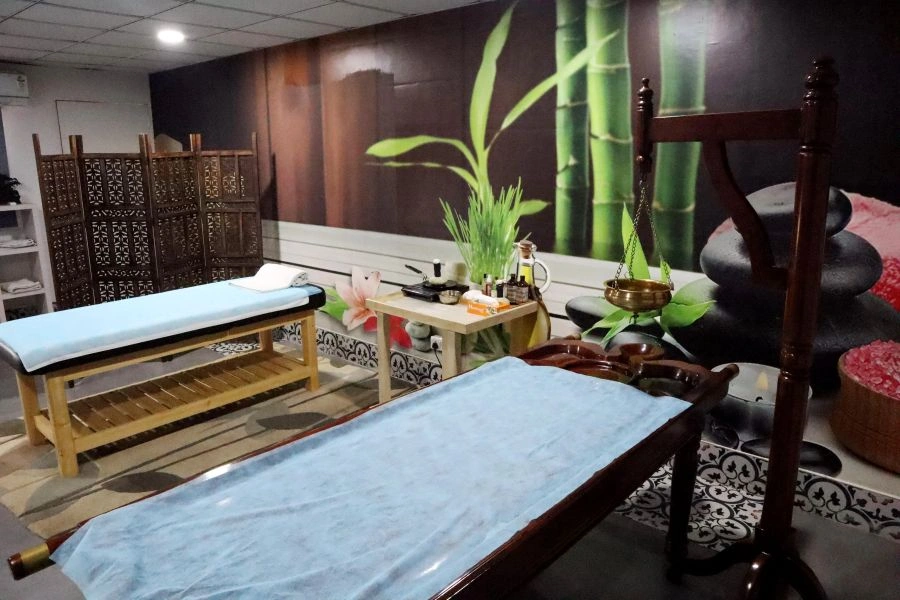
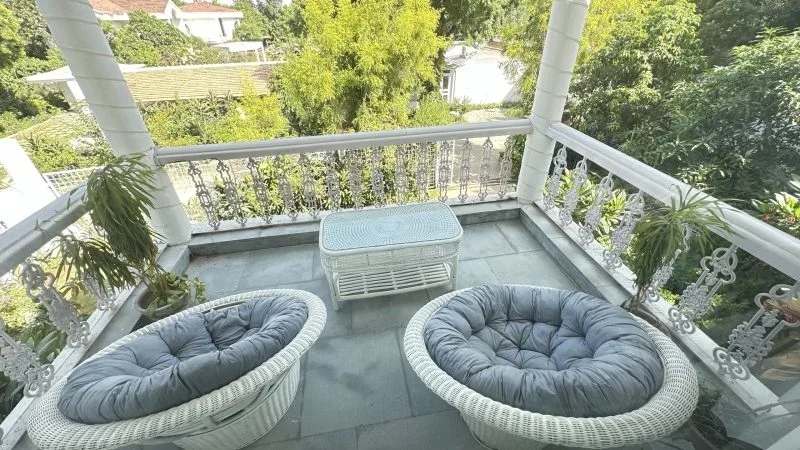
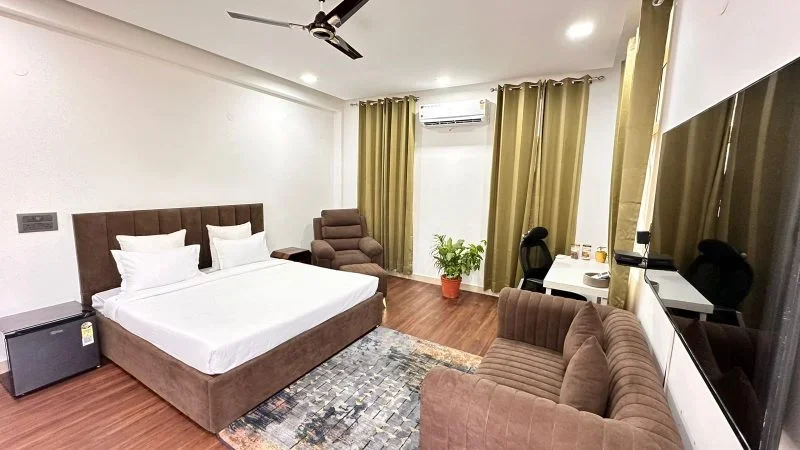
Take a Look Inside Our Delhi Facility





Conditions We Treat















.png)






What Our Patients Say
Frequently Asked Questions
If you're buying things you don't need, feeling regret or shame soon after, and struggling to stop even though it's affecting your money or relationships, that points to something beyond ordinary enjoyment. A proper evaluation can help you understand exactly where things stand.
It's not too late at all. Treatment works on the compulsive buying and the financial reality together, so there's no need to have a repayment plan sorted out before reaching out. That gets addressed as part of the process.
Not necessarily, There's no specific medication for shopping addiction on its own. If anxiety, depression, or another condition happens to be present as well, it might be treated with medication reviewed regularly, but most people recover mainly through therapy.
It happens quite frequently, and it does not mean at all that you are weak-willed. Until the root cause of the issue is addressed, it will reappear once again, especially during such times as the sales period.
Removing easy access to money can reduce immediate risk, but it rarely resolves the underlying compulsion by itself. It tends to work best when combined with therapy addressing why the shopping started in the first place.
It's genuinely treatable, and budgeting alone rarely fixes it, because the urge to buy usually comes from an emotional place, like stress, low self-worth, or wanting a quick mood boost. Therapy that works on that underlying cause tends to be far more effective than financial discipline by itself.
Yes, Appointments are arranged so patients never overlap with anyone they might know, and every consultation takes place in a private room. A private online consultation is also an option if you'd rather begin remotely.
First of all, you should make a call to yourself in order to figure out the exact procedure of your evaluation and treatment. People tend to be much more open to this idea when they observe one of their relatives going through the evaluation and treatment process.
It will happen rarely enough. Most patients deal with the issue on an outpatient basis or within our Day Care Programme. Hospitalization is a consideration only in case of a severe mental disorder related to the problem.
The psychiatrist spends around an hour going over your shopping history, current financial situation, emotional triggers, and any earlier attempts to cut back, as part of a full Psychiatric Assessment & Diagnosis.
How to reach Athena - Delhi
Athena Luxus, Delhi
Athena Luxus, South Delhi, New Delhi
Landmark: South Delhi
- South Delhi
- Central Delhi
- Gurugram border areas
- Noida border areas
Contact us: +919289086193
Speak to Our Care Team - 24×7 Confidential Support
Confidential help is just a call or chat away. Our team is ready to listen - without judgment, without pressure.
