
PTSD Treatment in Greater Noida
Athena Behavioral Health offers PTSD treatment in Noida built specifically around breaking that loop, safely and without rushing you through it.
- Trauma-informed Psychiatric Assessment & Diagnosis
- Trauma-Focused CBT and EMDR-based therapy
- Grounding and stabilisation before deeper trauma work begins
- Paced treatment that respects each patient's readiness
- Confidential, judgment-free environment
- Integrated care for co-occurring anxiety or depression
Book Your Appointment

PTSD Treatment in Greater Noida: Not Every Trauma Comes From One Big Event
People often assume PTSD only follows something catastrophic, war, an assault, a major accident. In reality, plenty of our patients arrive after a slow accumulation of smaller, harder-to-name experiences: a toxic workplace, a controlling relationship, repeated near-misses on the road, or a childhood where feeling safe was never guaranteed. What connects all of these isn't the size of the event, it's whether the nervous system got stuck in survival mode and never fully switched back off.
At Athena Behavioral Health Greater Noida, PTSD center Noida patients turn to for a proper diagnosis, not a guess, starts with a structured Psychiatric Assessment & Diagnosis. This isn't a quick checklist. It's a conversation that maps out what actually happened, how the body and mind have been reacting since, and whether anxiety, depression, or sleep problems have quietly attached themselves to the original issue. From there, and only from there, a plan gets built.
"If someone is expressing suicidal thoughts or is in acute crisis connected to a traumatic memory, this requires immediate attention. Contact your local emergency number or the nearest hospital right away. Safety always comes first, before anything else."
Meet Our Psychiatrists for PTSD Treatment in Greater Noida

Prof. (Dr.) Nimesh G. Desai

Dr. Tanul Jain

Dr. Prachi Jain
What Actually Happens Once You Walk In
Your Story Gets Heard Before Any Label Gets Applied
We map the specific event or pattern of events, when symptoms started, and how they've changed your day-to-day functioning, before deciding on anything.
You Learn to Manage Symptoms Before We Touch the Memory Itself
Jumping straight into trauma work without stabilisation tools can backfire badly. We teach nervous-system regulation and grounding first, always.
EMDR and Trauma-Focused CBT, Chosen Based on What Fits
Not every patient responds the same way to the same technique. We match the therapy method to the person, not the other way around.
A Middle Ground Between Weekly Therapy and Full Admission
Our Day Care Programme gives patients several hours of structured, supervised care each day while they still sleep in their own bed at night.
Medication Plays a Supporting Role, Not the Lead
When anxiety, depression, or insomnia are riding alongside the trauma, medication helps take the edge off so the real therapeutic work can happen.
Movement and Stillness Both Have a Place Here
Mindfulness, Yoga & Wellness sessions aren't an add-on, they're part of how the nervous system practices feeling calm again.
Clinical Excellence
Trauma Work Isn't a Side Skill Here, It's the Whole Job
A lot of therapists dabble in trauma alongside a dozen other specialties. Ours don't. Every clinician on our PTSD Treatment team has trained specifically in trauma-focused modalities, which matters because generic talk therapy can sometimes make trauma symptoms worse if it's not handled with the right structure and pacing.

Whether you are starting therapy with a psychologist in Gurgaon or exploring a rehab centre in Noida for trauma-linked addiction, the right specialist makes recovery safer and steadier. Trauma and substance use often go hand in hand, because many people turn to alcohol or drugs to numb painful memories. Treating only one of the two usually leaves the other unresolved. A trained trauma clinician looks at both together, sets a pace you can handle, and builds coping skills before touching difficult memories. That structure is what helps you feel safe in therapy and keeps the progress lasting.
We also see very different presentations walk through our doors. A delivery rider who's had two near-fatal accidents on the same stretch of road needs something different from a young woman processing years of emotional abuse at home. When trauma intersects with someone's career, our Executive & High-Performance Care and Corporate Wellness & EAP programmes step in. When the patient is a child who's stopped sleeping through the night after something frightening happened, our Child & Adolescent Psychiatry team takes over instead.
You keep the same clinician throughout, from the very first session to the final follow-up call months later.
Modern Lifetime Challenges
Living in a City That Doesn't Leave Room to Process
Noida moves fast. Deadlines don't pause for grief, expressway traffic doesn't slow down because someone's having a hard week, and there's a quiet cultural pressure to just "get back to normal" almost immediately after something bad happens. That pressure is exactly why so many trauma symptoms get buried instead of treated, until they resurface months or years later in ways that feel disconnected from the original event.
Here's the line most people don't know to look for. Before you book, ask one simple question: "Are you specifically trained in trauma-focused therapy, or is it one of many things you offer?" A clear, confident answer tells you a lot, because trained clinicians can name their method, explain how they pace sessions and describe how they keep you feeling safe while you work through difficult memories. Vague answers or a long list of unrelated specialties are a signal to look further. The same applies when medication may be part of your care, since severe sleep problems, flashbacks or constant panic often respond best when a psychologist and a psychiatrist work together. Whether you are searching for a psychiatrist in Greater Noida, choose a team that coordinates your treatment, so therapy and medication support each other instead of running separately.
Normal stress response: Fades within weeks as your brain naturally files away what happened.
PTSD: Symptoms stick around past a month, intensify instead of easing, and start dictating choices, routes taken, relationships avoided, sleep disrupted.

Not Every Trauma Looks Like "Trauma"
Most people picture PTSD as something following a single catastrophic event, but plenty of our patients in Noida arrive after something quieter: a toxic workplace, a controlling relationship, repeated near-misses on the same stretch of road. This table looks at where the trauma actually came from, since the source shapes how treatment gets approached. It reflects how our team generally works through this during an initial evaluation, though the right path for any individual is always confirmed through a complete psychiatric assessment.
| Where It Came From | What It Often Looks Like | Care Approach Generally Recommended |
| A Single Frightening Incident | A serious accident or medical emergency, with sudden flashbacks and hyperawareness afterward | Trauma-informed assessment followed by grounding work before EMDR or Trauma-Focused CBT begins |
| Repeated Near-Misses at Work | A delivery rider, driver or field worker who has had multiple close calls on the same route or job | Grounding and nervous-system regulation, with exposure work paced around real-life routes and routines |
| A Controlling or Abusive Relationship | Hypervigilance, difficulty trusting, and a nervous system that stays braced even in safe company | Complex PTSD-informed treatment addressing identity, trust and emotional regulation alongside the trauma itself |
| A Childhood Where Safety Wasn't Guaranteed | Long-standing patterns of guardedness, numbness or self-doubt that predate any single identifiable event | Structured, longer-paced Complex PTSD treatment, building stabilisation skills before any memory work |
| A Frightening Event in a Child | A child refusing to sleep alone, regressive behaviour, or repetitive play about what happened | Specialized, age-appropriate care through Child & Adolescent Psychiatry, with family guidance built in |
| Symptoms Surfacing Years Later | Reactions that seem to come out of nowhere, often around an anniversary or unrelated stressful period | Evaluation for delayed-onset PTSD, treated with the same evidence-based approaches as recent trauma |
| Emergency Signs | Suicidal thoughts or acute crisis connected to a traumatic memory | Immediate medical attention and urgent psychiatric care, without waiting for a scheduled appointment |
Signs That Rarely Get Connected to the Right Cause
Trauma doesn't always announce itself clearly, it often hides behind symptoms that seem unrelated to what actually happened. Here are the patterns worth paying attention to.
Your Brain Keeps Replaying It
Nightmares or sudden flashbacks that hijack your attention without warning, sometimes years after the event.
You've Built a Life Around Avoiding Certain Things
A specific road, a certain song, a type of person, without consciously realizing how much you're rerouting your life to dodge them.
Your Baseline Mood Has Shifted
A persistent sense of guilt, numbness, or a bleak view of people and the world that wasn't there before.
You're Wired Differently Now
Jumpy, irritable, scanning rooms for exits, sleeping with one eye open, essentially.
Your Sleep and Focus Have Taken a Hit
Struggling to fall asleep, waking up repeatedly, or losing your train of thought mid-conversation more than usual.
Your Body Reacts Before Your Mind Catches Up
Sweating, a racing heart, or tightness in your chest the moment something reminds you of what happened.
Not Sure If This Is You? Talk to a Specialist
Confidential Support, available 24×7
ABOUT THERAPY AT ATHENA
The Four-Stage Map We Follow
Stage One: Understanding What Actually Happened
A full trauma-informed assessment, covering the event, current symptoms, and anything else riding alongside it clinically.
Stage Two: Building Your Toolkit First
Grounding exercises and emotional regulation skills, practiced until they actually work under pressure, before any trauma memory gets touched.
Stage Three: Processing the Memory Itself
Trauma-Focused CBT, sometimes paired with EMDR, works through the memory and the beliefs it created, one manageable piece at a time.
Stage Four: Making Sense of It
The goal isn't forgetting. It's placing the event into your life story in a way that no longer controls your present. A Relapse Prevention & Aftercare plan for the anniversaries, reminders, and rough patches that can bring old symptoms creeping back.
Why Choose Us
The Difference Between Being Heard and Being Treated

A lot of people come to us after already trying to "just get over it" for years, sometimes with help from a well-meaning but generalist therapist who wasn't trained specifically in trauma work. That gap matters more than people realize. Trauma processing done wrong, too fast, without grounding, without the right sequencing, can genuinely make things worse instead of better.
Here, a psychiatrist and a trauma-trained psychologist work from the same file, not two disconnected opinions. If your trauma has quietly triggered anxiety, depression, or insomnia, that gets addressed in the same room, at the same time, instead of being treated as a separate, unrelated issue later.
And healing isn't assumed to be linear. Our Day Care Programme exists specifically for the in-between stage, more support than a weekly session offers, but nowhere near needing to be admitted.
How We Help
From the First Awkward Phone Call to Feeling Like Yourself Again
Getting better isn't complicated once you know what to expect, here's how the process actually works.
Call or message us on WhatsApp. You'll have a confirmed appointment the same day, no waiting weeks to be seen.
A full trauma-informed Psychiatric Assessment & Diagnosis, done in person or over a private video call, at your comfort level.
Trauma-Focused CBT, grounding work, medication if needed, and our Day Care Programme where it fits, combined based on your actual case.
Follow-ups continue, especially around dates or situations we know tend to bring symptoms back.
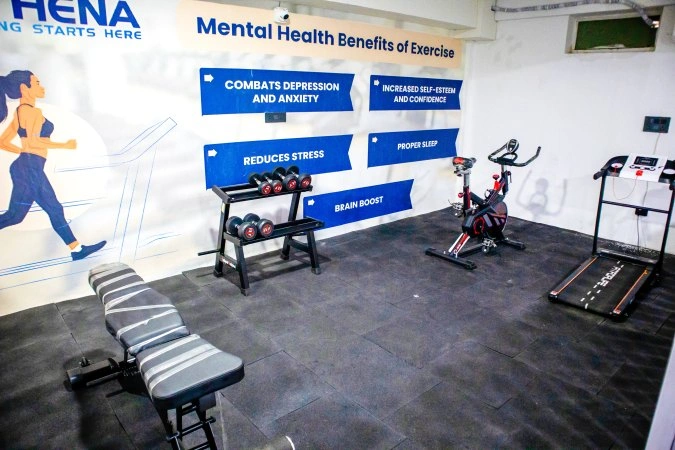
Take a Look Inside Our Noida Facility







Conditions We Treat















.png)






What Our Patients Say
Frequently Asked Questions
No, most people recover naturally within a few weeks as the brain processes the event on its own. PTSD is diagnosed when distress persists beyond a month, intensifies, and starts genuinely disrupting your ability to function day to day.
Absolutely, PTSD can show up immediately or years later, this is well documented and called delayed-onset PTSD. Treatment works just as effectively regardless of how much time has passed.
Not quite. Complex PTSD comes from prolonged or repeated trauma, often starting young, and usually brings extra challenges around identity, trust, and emotional regulation on top of standard PTSD symptoms.
No, Trauma isn't ranked against anyone else's experience. If it's disrupting your life, it deserves treatment, full stop.
Everything relevant: what happened, how it's affected you since, your sleep, your triggers, and anything else going on emotionally, so we can build a plan that's actually yours.
Not at all, Trauma-focused therapy is deliberately paced, and you're never pushed to share more detail than you're ready for at any given stage. The point is reducing the memory's grip on you, not reliving it in full for its own sake.
Yes, children absolutely can develop it, though it often looks different, regressive behavior, repetitive play about the event, clinginess, or separation anxiety rather than adult-style flashbacks.
No, Medication only enters the picture if something like severe anxiety, depression, or insomnia is riding alongside the trauma, and it's used to support therapy, not replace it.
Rarely, Most people are treated through regular outpatient sessions or our Day Care Programme, both of which let you keep living at home throughout.
That's expected, not a failure. Our aftercare plan specifically accounts for anniversaries and high-stress periods that can stir old symptoms back up, with support ready when that happens.
How to reach Athena - Noida
Athena Behavioral Health, Noida
opposite Vaibhav Heritage, near Ek murti chowk, Sector 16B, Roza Yakubpur, Greater Noida, Uttar Pradesh 201318
Landmark: Near Ek murti chowk, Sector 16 B,
- Sector 18, 62, 63, 71
- Greater Noida
- Noida Extension
- Ghaziabad border areas
Contact us: +919289086193
Speak to Our Care Team - 24×7 Confidential Support
Confidential help is just a call or chat away. Our team is ready to listen - without judgment, without pressure.
