
PTSD Treatment in Guwahati
You can know, intellectually, that you're safe right now, sitting in your own home, nothing threatening happening. And still your heart races the moment a door slams too hard. That disconnect between "I'm fine" and "my body disagrees" is the exact space Athena Behavioral Health works in. Our PTSD treatment in Guwahati exists for people whose nervous systems are still fighting a battle that ended a while ago.
- Trauma-informed Psychiatric Assessment & Diagnosis
- Trauma-Focused CBT and EMDR-based therapy
- Grounding and stabilisation before deeper trauma work begins
- Paced treatment that respects each patient's readiness
- Confidential, judgment-free environment
- Integrated care for co-occurring anxiety or depression
Book Your Appointment

PTSD Treatment in Guwahati: The Event Doesn't Have to Be Dramatic for the Damage to Be Real
There's a persistent myth that PTSD Treatment only belongs to soldiers or survivors of headline-worthy disasters. That myth keeps a lot of people from getting help. We regularly see patients whose trauma came from a controlling partner, a medical scare that felt like it might end differently, a childhood spent walking on eggshells, or a single terrifying moment on the road that nobody else even remembers. The common thread isn't how the event would read in a news story, it's whether your nervous system got locked into threat-detection mode and forgot how to stand down.
Getting an accurate diagnosis at Athena's PTSD center in Guwahati starts with real conversation, not a five-minute form. Our Psychiatric Assessment & Diagnosis process walks through what actually happened, how your reactions have evolved since, and whether things like anxiety or disrupted sleep have quietly tagged along for the ride. The treatment plan comes after that picture is complete, never before.
Typed "PTSD treatment near me in Guwahati" hoping for something more than a generic answer? This is built specifically for people who need their trauma treated as one connected story, not isolated symptoms handled separately.
"If someone is expressing suicidal thoughts or is in acute crisis connected to a traumatic memory, this requires immediate attention. Contact your local emergency number or the nearest hospital right away. Safety always comes first, before anything else."
Meet Our Psychiatrists for PTSD Treatment in Guwahati

Prof. (Dr.) Nimesh G. Desai

Dr. Sushil Agarwalla

Dr. Sahil Agarwal
The First Few Sessions Set the Tone for Everything After
Nothing Gets Assumed About Your Experience
We spend real time understanding the specific event, when your symptoms started showing up, and exactly how your daily routine has shifted because of it.
You Get Stable Before We Go Anywhere Near the Memory
Rushing into trauma processing without proper grounding first is a known way to make things worse. So we never do it that way here.
The Therapy Method Bends to Fit You, Not the Reverse
EMDR works beautifully for some people and less so for others. Trauma-Focused CBT is the right call in other cases. We choose based on what you actually respond to.
Something Between "Once a Week" and "Full Admission"
Our Day Care Programme gives you several hours of real, structured support each day, while you still sleep at home every night.
Medication Plays Backup, Never the Lead Role
If anxiety, depression, or insomnia are tagging along with your trauma, medication can quiet that noise enough for the actual therapeutic work to land.
Your Body Gets Trained to Feel Calm Again Too
Mindfulness, Yoga & Wellness sessions are woven directly into treatment, because talking about safety and physically experiencing it are two different skills.
Clinical Excellence
We Don't Dabble in Trauma. It's the Whole Practice

Plenty of general therapists will happily take on a trauma case alongside a dozen unrelated ones. That's a real risk, because trauma work done without specific training and correct sequencing can genuinely deepen the problem instead of resolving it. Every clinician on our team here works in trauma specifically, day in and day out.
The presentations we see vary enormously. A shopkeeper who watched a fire spread through his neighbourhood needs something different from a young woman unpacking years of emotional neglect at home. When trauma starts bleeding into someone's professional life, our Executive & High-Performance Care and Corporate Wellness & EAP programmes step in to support that specifically. When it's a child who's suddenly terrified of the dark after something happened, our Child & Adolescent Psychiatry team takes the lead instead of a general approach.
The same clinician stays with your case from your very first conversation to your last scheduled check-in, however far down the line that is.
Modern Lifetime Challenges
A Fast-Growing City Rarely Slows Down for Grief
Guwahati's pace has picked up considerably in recent years, and with that comes an unspoken expectation to keep functioning no matter what's happened to you internally. Traffic doesn't pause because someone's struggling. Deadlines don't shift because a person is quietly falling apart, and the people around them often have no idea how much is being carried behind a composed exterior.
That environment is precisely why trauma symptoms so often get buried rather than treated, only to resurface later in ways that feel disconnected from their actual origin. A conversation with an experienced psychologist in Guwahati can help trace those symptoms back to their source before they begin shaping work, relationships, and health. Here's the distinction worth knowing.
Ordinary stress reaction: Gradually fades over a few weeks as your brain naturally processes what occurred. Sleep, appetite, and mood slowly return to normal, and the person can talk about the event without feeling overwhelmed or needing to avoid every reminder of it.
PTSD: Symptoms outlast a month, get sharper rather than softer, and begin actively steering your choices, what roads you take, who you avoid, how well you sleep. Nightmares, flashbacks, irritability, and a constant sense of danger often follow, and without professional support these patterns tend to deepen rather than fade on their own.

The Myth vs. What We Actually See
PTSD carries a persistent stereotype: that it only belongs to soldiers or survivors of headline disasters. That myth keeps a lot of people in Guwahati from recognising their own experience. This table sets the common assumption against what we actually see walk through our doors, since believing the myth is often what delays someone from seeking help. It reflects how our team generally approaches this during an initial evaluation, though the right path for any individual is always confirmed through a complete psychiatric assessment.
| The Common Assumption | What We Actually See | Care Approach Generally Recommended |
| "PTSD is only for soldiers or disaster survivors" | A shopkeeper who watched a fire spread through his neighbourhood, or someone who witnessed a single terrifying moment on the road | Trauma-informed assessment, treated with the same seriousness regardless of how the event would read in a news story |
| "It has to be one dramatic event" | Years of a controlling partner, or a childhood spent walking on eggshells, with no single identifiable incident | Complex PTSD-informed treatment addressing trust, identity and emotional regulation alongside the trauma |
| "If it happened years ago, it's too late to matter" | Flashbacks or physical reactions triggered by something ordinary, long after the original event | Evaluation for delayed-onset PTSD, treated with the same evidence-based approaches as recent trauma |
| "Kids don't really get PTSD" | A child suddenly afraid of the dark, refusing to sleep with the lights off, after something frightening happened | Specialized, age-appropriate care through Child & Adolescent Psychiatry, with family guidance included |
| "My situation wasn't serious enough to count" | Genuine, ongoing distress that the person has spent years convincing themselves doesn't deserve treatment | A judgment-free assessment that takes the person's actual distress seriously, not how it compares to someone else's story |
| "Talking to any therapist should be enough" | Symptoms that worsened after well-meaning but generalist therapy without proper trauma sequencing | Trauma-specific treatment with grounding always established before any memory work begins |
| Emergency Signs | Suicidal thoughts or acute crisis connected to a traumatic memory | Immediate medical attention and urgent psychiatric care, without waiting for a scheduled appointment |
The Symptoms People Rarely Trace Back to Their Real Source
Trauma doesn't always announce itself clearly, it often hides behind symptoms that seem unrelated to what actually happened. Here are the patterns worth paying attention to.
A Memory That Won't Stay in the Past
Sudden flashbacks or nightmares that pull you back into the moment without any warning, sometimes years afterward.
A Life Quietly Rebuilt Around Avoidance
A street you never walk down anymore, a sound you flinch at, a topic you steer every conversation away from.
A Mood That's Shifted Permanently
An ongoing sense of guilt, emotional flatness, or a darker view of people than you used to hold.
A Body Stuck in Alert Mode
Startling easily, staying irritable, scanning your surroundings out of habit rather than necessity.
Sleep and Attention Both Suffering
Struggling to fall asleep, waking repeatedly, or losing focus mid-task far more than you used to.
Physical Reactions That Beat You to the Punch
A racing pulse, sweating palms, or a tight chest before you've even consciously registered what triggered it.
Not Sure If This Is You? Talk to a Specialist
Confidential Support, available 24×7
ABOUT THERAPY AT ATHENA
Four Stages, Each One Building on the Last
Stage One: Getting the Full Picture
A trauma-informed assessment covering what happened, your current symptoms, and anything clinically riding alongside them.
Stage Two: Learning to Steady Yourself First
Grounding and emotional regulation practiced repeatedly until it genuinely holds up under real stress, before anything else begins.
Stage Three: Working Through the Memory
Trauma-Focused CBT, sometimes alongside EMDR, breaks the memory and its attached beliefs into manageable, workable pieces.
Stage Four: Finding Where It Fits
Not forgetting, integrating. The event becomes part of your story instead of the thing controlling it. A Relapse Prevention & Aftercare plan for the anniversaries and high-stress stretches that can stir old symptoms back up.
Why Choose Us
Being Listened To and Being Actually Treated Aren't the Same Thing

A large number of people who come to us have already spent years trying to just push through it, often with support from a kind but generalist therapist who wasn't specifically trained in trauma work. That distinction matters more than people expect. Poorly sequenced trauma therapy, rushed or missing the grounding stage, can genuinely leave someone worse off than before they started.
Here, your psychiatrist and your trauma-trained psychologist work from one shared file, not two disconnected perspectives. If anxiety, depression, or sleep issues have attached themselves to your trauma, that's addressed in the same conversation, not treated as some separate problem later.
We also don't pretend healing moves in a straight line. Our Day Care Programme exists exactly for the middle ground, more consistent support than weekly sessions offer, without needing to step away from your life entirely.
How We Help
From That First Hesitant Message to Feeling Steady Again
Getting better isn't complicated once you know what to expect, here's how the process actually works.
Call us or reach out on WhatsApp. Your first appointment gets confirmed the same day, not weeks from now.
A full trauma-informed Psychiatric Assessment & Diagnosis, in person or through a private video call, at whatever pace works for you.
Trauma-Focused CBT, grounding practice, medication if it's needed, and our Day Care Programme where it fits, shaped around your specific case.
Follow-ups continue afterward, especially timed around dates or situations we already know can bring symptoms back.
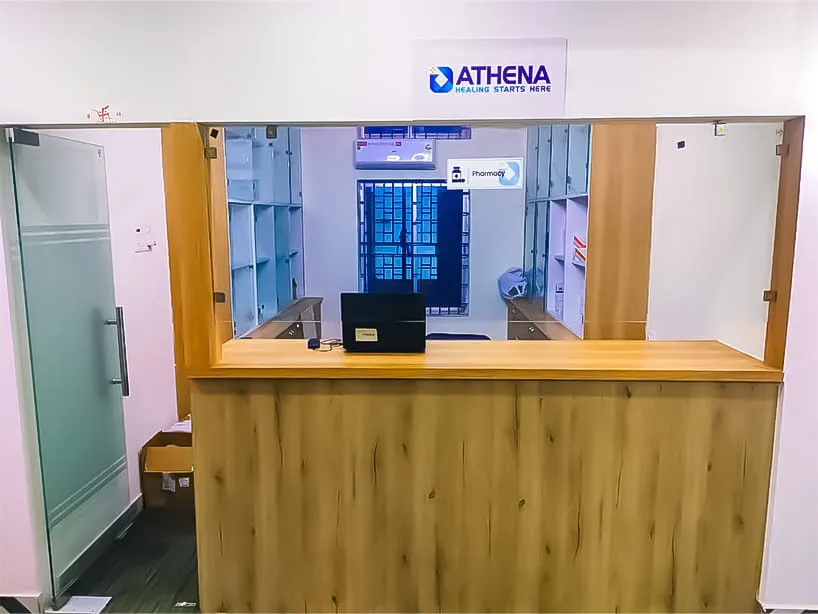
Take a Look Inside Our Guwahati Facility







Conditions We Treat















.png)






What Our Patients Say
Frequently Asked Questions
No, Most people process a hard event naturally within a few weeks without it becoming PTSD. It's specifically diagnosed when distress lasts beyond a month, worsens instead of fading, and genuinely disrupts your ability to function.
Not remotely. Delayed-onset PTSD, where symptoms surface years later, is a recognized and well-understood pattern clinically. Treatment is just as effective regardless of the gap.
Complex PTSD stems from prolonged or repeated trauma, often beginning early in life, and typically comes with extra layers around trust, identity, and emotional regulation beyond standard symptoms.
Yes, Trauma isn't measured against anyone else's story. If it's affecting your life, it's worth addressing, regardless of how it stacks up to someone else's experience.
The full story: what happened, how you've reacted since, your sleep patterns, specific triggers, and anything else going on emotionally, so the plan built afterward is genuinely yours.
No, The pacing is entirely up to you at every stage, and you're never pushed to share more than feels manageable. The point is loosening the memory's grip on you, not reliving it in full for the sake of it.
Children absolutely can develop it, though it often shows up differently, clinginess, regressive behaviour, or repetitive play mimicking the event, rather than classic adult flashbacks.
No, Medication only gets introduced if something like anxiety, depression, or insomnia is riding alongside the trauma, and it supports the therapy rather than substituting for it.
Rarely, Most people manage entirely through outpatient sessions or our Day Care Programme, staying at home throughout their treatment.
That's normal, not a setback. Our aftercare specifically plans around anniversaries and high-stress stretches known to bring symptoms back, with support ready when it does.
How to reach Athena - Guwahati
Athena Behavioral Health, Guwahati
Athena Behavioral Health, Guwahati, Assam
Landmark: Guwahati
- Guwahati City
- Northeast India region
Contact us: +919289086193
Speak to Our Care Team - 24×7 Confidential Support
Confidential help is just a call or chat away. Our team is ready to listen - without judgment, without pressure.
