
PTSD and Addiction Treatment in Guwahati
Athena Behavioral Health offers PTSD and addiction treatment in Guwahati for people whose trauma and substance use have grown so intertwined that addressing one alone keeps falling short.
- Combined trauma and substance use assessment at intake
- Medically supervised detox for alcohol or substance withdrawal
- Psychiatric medication management alongside de-addiction care
- One unified treatment plan from the first session
- Family sessions to explain how trauma and addiction reinforce each other
- Ongoing Relapse Prevention & Aftercare
Book Your Appointment

PTSD and Addiction Treatment in Guwahati: When the Body Won't Stand Down
Unprocessed trauma tends to live in the nervous system long after the event has passed, keeping a person on constant alert. Alcohol or a substance often becomes the fastest way to turn that alertness off, a drink to get through a flashback, a substance to dull the tension of always feeling unsafe. It works, for a while. Then the substance starts working against the very thing it was meant to soothe, disturbing sleep, flattening mood, and making the original trauma harder to face head on. Addressing the substance use alone, without the trauma driving it, rarely holds.
At Athena Behavioral Health in Guwahati, treatment for PTSD and addiction in Guwahati begins with one joint Psychiatric Assessment & Diagnosis, not a psychiatrist working on the trauma in isolation while a separate counsellor manages the substance use with no shared understanding between them. We chart the sequence of events, identify what function the substance has genuinely been serving, and build one treatment plan around that full picture.
"If someone is expressing suicidal thoughts, particularly during a PTSD episode worsened by substance use, this requires immediate attention. Contact your local emergency number or the nearest hospital right away. Safety always comes first, before anything else."
Meet Our Psychiatrists for PTSD and Addiction Treatment in Guwahati

Prof. (Dr.) Nimesh G. Desai

Dr. Sushil Agarwalla

Dr. Sahil Agarwal
A Day at Our Guwahati Centre
One Intake, Two Conditions, No Gaps
The assessment covers trauma exposure, current symptoms, and substance use patterns in a single sitting, so nothing gets missed between one specialist's notes and another's.
Detox That Doesn't Ignore the Trauma Behind It
Where withdrawal management is needed, flashbacks, hyperarousal, and disrupted sleep are tracked closely throughout, since withdrawal can sharply worsen trauma symptoms in the short term.
Trauma Work Starts Alongside Sobriety, Not After It
Patients aren't required to stabilise on the substance use front before trauma therapy begins. Both are addressed from the first week.
Programme Intensity Fits the Person, Not a Fixed Template
For those who need more than a weekly session but not full residential care, our Day Care Programme provides supervised hours at the centre each day.
Medication Choices Weigh Both Conditions Together
Antidepressants and anti-anxiety medications are selected with a full picture of substance use history, since some combinations carry real risk.
Calming the Nervous System, Not Just Talking Through It
Mindfulness, Yoga & Wellness sessions give patients hands-on tools for the restlessness and hyperarousal that often precede relapse.
Clinical Excellence
Why Our Clinicians Treat This as One Diagnosis

Our psychiatrists and clinical psychologists see PTSD and addiction as a single, connected condition, never as two problems assigned to two disconnected specialists. Many people looking for the best PTSD and Addiction Treatment in Guwahati have already been through a de-addiction programme that skipped the trauma entirely, and relapsed the moment flashbacks or hyperarousal came back.
Each case calls for a different plan. Someone processing a single traumatic incident needs a different pathway than someone whose substance use built up gradually across years of ongoing, unaddressed trauma. Working professionals managing this dual diagnosis can access our Corporate Wellness & EAP and Executive & High-Performance Care programmes, and younger patients are supported through Child & Adolescent Psychiatry.
At Athena, the same clinical team, including your therapist in Guwahati, stays on your case from the first appointment through long-term follow-up. This continuity means you never have to retell your history to someone new, making the entire recovery journey feel more personal, consistent, and genuinely understood.
Modern Lifetime Challenges
Why PTSD and Substance Use Go Unnoticed in Guwahati
Being a constantly changing city, with ever-changing job market, relocation being common and the long and erratic work hours make it impossible to process a traumatic experience. Lack of sleep and constantly feeling jittery is dismissed as everyday stress, while being open about a particular incident continuing to have an effect is often seen as stigmatizing. All these contribute to the existence of PTSD and drug abuse without intervention for a long period of time.
There's a clear distinction between coping with stressful events through alcohol use and trauma-related substance abuse. The two may look similar on the surface, but the underlying cause and recovery approach differ significantly, which is why understanding this difference matters for effective treatment.
Temporary substance use is tied to a specific, short-term stressor. Once that stressor passes, the urge to rely on substances usually fades along with it, without leaving behind the deeper, recurring patterns often seen in trauma-related substance use.
Trauma-induced substance abuse works differently. It gradually becomes a regular way of managing flashbacks, hypervigilance, and emotional distress that doesn't resolve on its own. Without proper intervention, it can persist long after the original trauma occurred, often deepening over time rather than easing naturally.

Choosing the Right Level of Care at Our Guwahati Centre
Not sure whether outpatient visits, the Day Care Programme, or a hospital stay is the right fit for your situation? This table lays out the main care options at Athena Behavioral Health's Guwahati centre side by side, so you know what each one actually involves before you call.
| Care Option | Best Suited For | What a Typical Week Looks Like |
| Video Consultation | Patients who want to start the assessment process without visiting the centre in person | Sessions are scheduled from home, and the psychiatrist reviews trauma history and substance use patterns over one or more calls before deciding on next steps |
| Outpatient Visits | Patients who are stable enough to live at home and attend scheduled therapy and medication reviews | Weekly or twice-weekly visits for psychotherapy and medication check-ins, with the rest of the week spent at home and work |
| Day Care Programme | Patients who need more structure than weekly therapy but don't require overnight stay | Several supervised hours at the centre each day, covering therapy, medication management, and Mindfulness, Yoga & Wellness sessions, before returning home each evening |
| Medical Detox (Residential) | Patients going through alcohol or substance withdrawal that needs close monitoring | Round-the-clock supervision at the centre, with sleep, hypervigilance, and withdrawal symptoms tracked daily by the clinical team |
| Full Hospitalization | Patients with a suicide risk or symptoms too severe to manage from home | Continuous inpatient care with daily psychiatric review, until the treatment team determines a step down to Day Care or outpatient support is safe |
Signs That Tend to Go Unnoticed Until It's Serious
Families and patients usually catch one half of this, either the drinking or the anxiety, without realising how tightly the two are actually bound together.
Drinking That Increases With Nightmares or Intrusive Thoughts
Substance use that quietly climbs alongside a growing sense of unease or repeated intrusive memories.
Using to Blunt Feeling, Not to Enjoy Anything
Alcohol or drugs relied on purely to numb emotional reactivity or avoid a specific memory or trigger.
Anger or Startle Responses That Spike After Use
Irritability or an exaggerated startle reflex that grows noticeably sharper in the hours following substance use.
Falling Back Into Old Patterns After Real Progress
Completing a rehabilitation programme, only to relapse once trauma symptoms resurface unaddressed.
Avoiding Certain Places, People, or Conversations
Persistent avoidance of specific settings or topics, often accompanied by a quiet uptick in substance use to manage that avoidance.
Loved Ones Struggling to Name What's Actually Wrong
Family members sensing something is off but unsure whether they're seeing trauma, addiction, or both at once.
Not Sure If This Is You? Talk to a Specialist
Confidential Support, available 24×7
ABOUT THERAPY AT ATHENA
Four Stages of PTSD and Addiction Care in Guwahati
Stage One: Common Diagnostic Assessment
This includes an individual Psychiatric Assessment and Diagnosis, which includes trauma history, symptoms, and substance use patterns as one package.
Stage Two: Detox in the Context of Trauma
If there is need for detoxification, it is done under strict medical care, with hypervigilance and sleep disturbances monitored throughout the process.
Stage Three: Simultaneous Treatments
Psychotherapy and medication management are done simultaneously with addiction-focused cognitive behavior therapy.
Stage Four: Sustained Stability
As symptoms settle, treatment shifts toward Mindfulness, Yoga & Wellness, nervous system regulation, and a Relapse Prevention & Aftercare plan built around both sets of triggers.
Why Choose Us
The Difference One Coordinated Team Makes

A psychiatrist and a Psychologist in Guwahati manage every case together, reading from the same notes instead of working off two separate files that don't talk to each other. This isn't just a nicety, it's the actual reason care here holds up over time. When addiction is treated while trauma stays untouched, or trauma is addressed while substance use continues quietly in the background, both conditions tend to resurface, often faster than before. Treating them together, through one coordinated lens, gives patients a far better chance at lasting stability rather than short-lived relief.
Stability, too, isn't a single moment someone reaches and then forgets about. It doesn't work like that. Stress at work, an anniversary that resurfaces old memories, or even an unexpected reminder from the past can bring both trauma symptoms and cravings rushing back, sometimes well after real, visible progress has been made. That's exactly why ongoing support can't just stop once things start looking better.
For patients who need more than occasional therapy but aren't quite at the point of a full residential stay, our Day Care Programme fills that gap. It offers structured, supervised hours each day, built around therapy and psychiatric care, while the person continues living at home and managing their regular routine alongside treatment.
How We Help
From First Contact to Long-Term Support
Reaching out is often the hardest part, especially when it isn't clear whether to mention the drinking or what's actually behind it first. Here's what happens once you do.
Call our helpline or message us on WhatsApp, and receive confirmation of your first appointment the same day.
A psychiatrist carries out a full Psychiatric Assessment & Diagnosis covering both conditions together, in person or through a private video consultation.
Medical detox where needed, medication management, trauma-focused Psychotherapy & Counselling, family sessions, and our Day Care Programme where appropriate, brought together based on what's actually required.
Our Relapse Prevention & Aftercare programme keeps tracking triggers for both trauma and substance use, since they tend to resurface together.
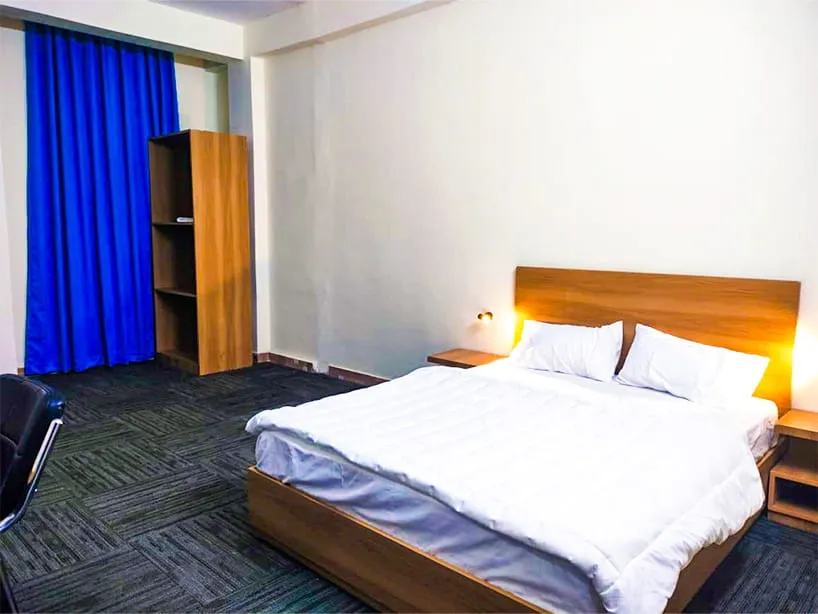
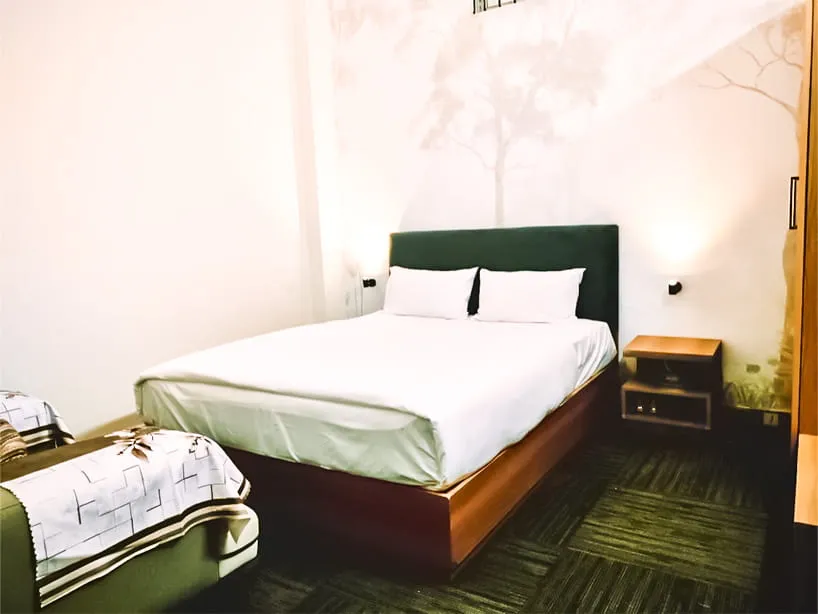
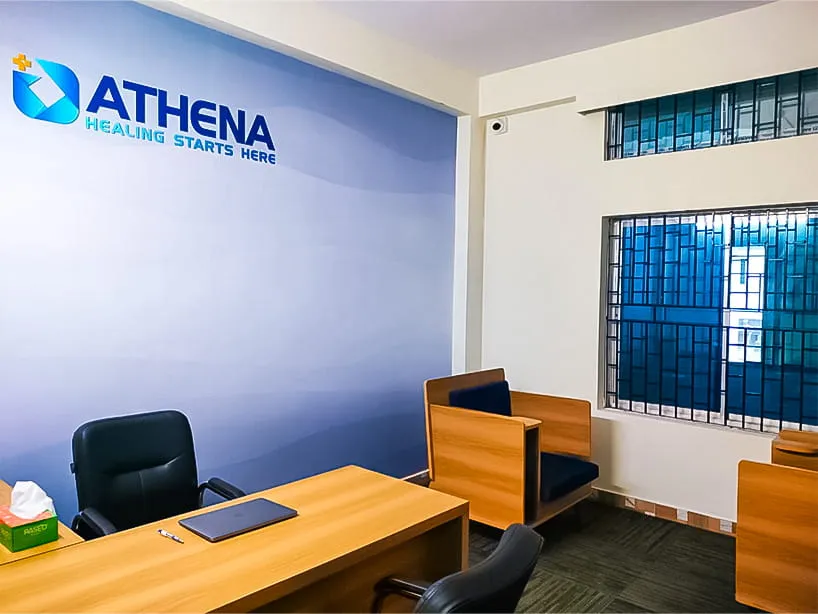
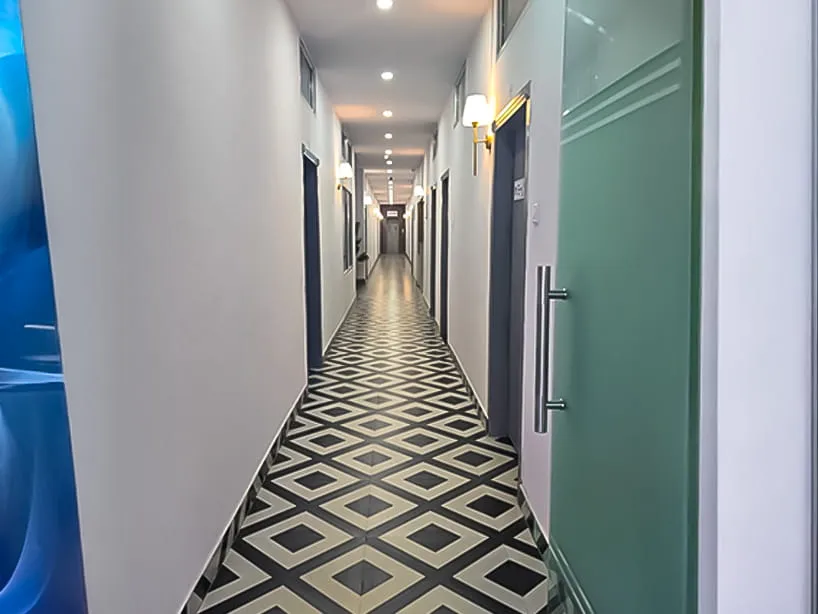
Take a Look Inside Our Guwahati Facility



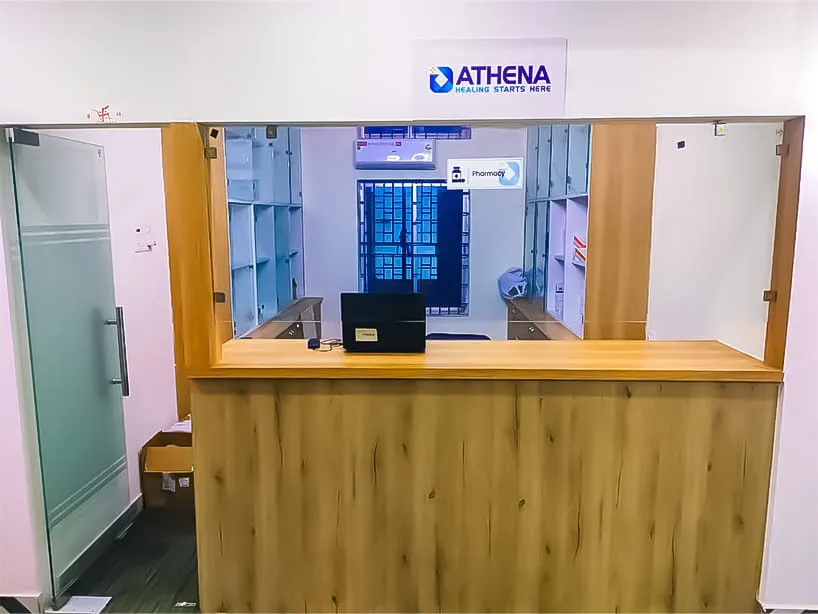
Conditions We Treat















.png)






WHAT OUR PATIENTS SAY
Frequently Asked Questions
Substance use often starts as a way to dull flashbacks or hypervigilance linked to trauma. It may feel like relief early on, but it tends to worsen PTSD symptoms over time, so the two end up reinforcing each other.
This is evaluated carefully during intake, since certain drug combinations need specific attention. Medication choice and monitoring are adjusted around that history.
Where withdrawal management is medically necessary, it comes first, under close supervision, with trauma symptoms tracked throughout. Trauma treatment then continues alongside ongoing addiction care rather than waiting for a separate phase.
Not necessarily. In many cases, treatment is carried out on an outpatient basis or in the Day Care Programme. In other, especially in case of a suicide risk, hospitalization for some time might be necessary.
Absolutely, Long-term and coordinated treatment with the combination of medications, trauma therapy, and family assistance yields better results than treatment of each problem separately.
Neither comes first. Both are addressed at the same time, since treating one while the other goes unaddressed reliably leads to relapse in whichever condition was left out.
Look at what's driving it. If it's used specifically to numb flashbacks or avoid triggers rather than for enjoyment, that's a strong sign the two are connected, and a full assessment can confirm it either way.
Much more than people expect. Family therapy allows relatives to see how the interaction between trauma and drug abuse is playing out, and therefore change their response.
There is no set timeframe – much depends on the severity of the problem and further treatment. This is not a fixed program.
Patient’s traumatic background, his/her present-day symptoms of PTSD, pattern of substance abuse, and particularly interaction of both problems in order to work out a single treatment plan at once.
How to reach Athena - Guwahati
Athena Behavioral Health, Guwahati
Athena Behavioral Health, Guwahati, Assam
Landmark: Guwahati
- Guwahati City
- Northeast India region
Contact us: +919289086193
Speak to Our Care Team - 24×7 Confidential Support
Confidential help is just a call or chat away. Our team is ready to listen - without judgment, without pressure.
