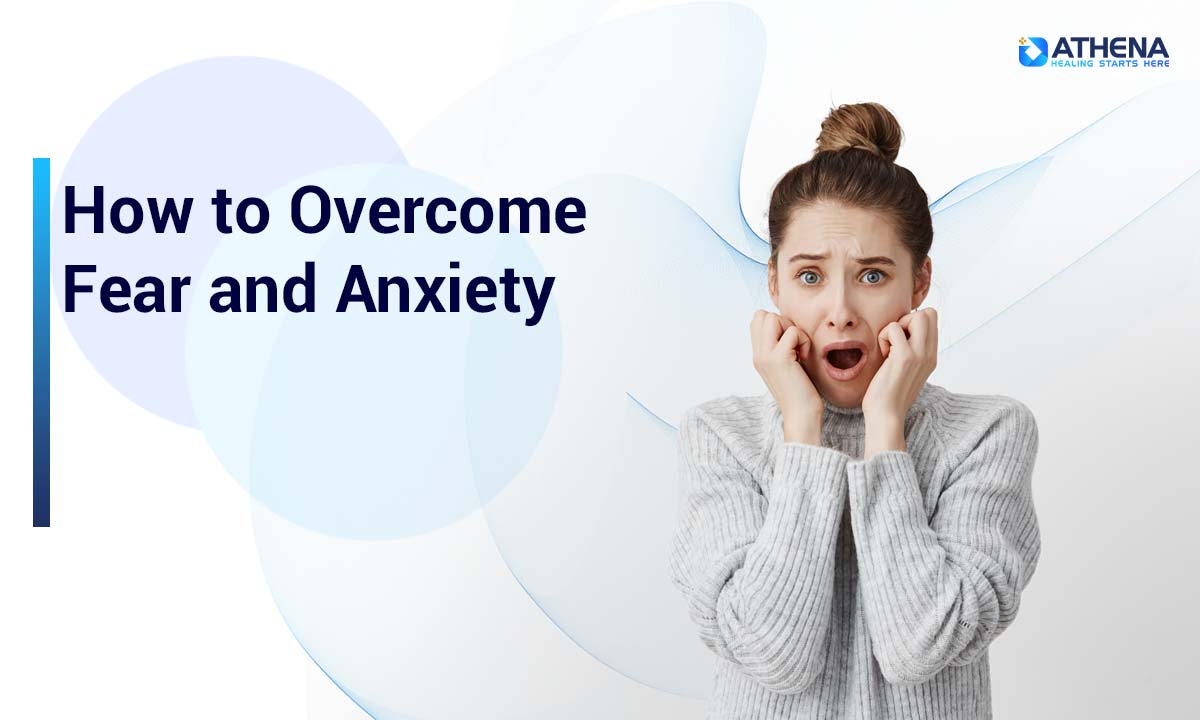
In today’s fast-paced world, our modern lifestyle choices are more than just a matter of convenience; they have a profound impact on our mental health. Whether it’s the constant pressure to perform, the rise of technology, or the demands of daily life, these factors can contribute to an increase in stress, anxiety, and other mental health challenges.
At Athena BHS, we understand how modern living influences mental wellness and the importance of recognizing the hidden effects of lifestyle choices. By understanding these impacts, individuals can take proactive steps to improve their mental health and overall well-being.
What is Modern Lifestyle?
Modern lifestyle encompasses the habits, behaviors, and daily routines shaped by current societal, technological, and cultural trends. It includes work routines, technology use, sleep patterns, diets, social interactions, and leisure activities. In many cases, modern lifestyles are centered around fast-paced environments, constant connectivity, and demands for instant gratification. While these conveniences and advancements can provide many benefits, they also come with unintended consequences that directly affect our mental health.
The Hidden Impact of Modern Lifestyle Choices on Mental Health
Our modern lifestyle can significantly impact mental health in both direct and indirect ways. From the stress associated with work-life balance to the increasing reliance on technology, here’s a closer look at how these choices affect mental wellness.
1. Stress from Work-Life Imbalance
One of the biggest contributors to mental health issues today is work-related stress. The pressure to be constantly productive and the inability to switch off from work can lead to burnout, anxiety, and depression. Long working hours, unrealistic expectations, and lack of downtime are characteristics of modern society that lead to chronic stress.
- Impact: Chronic stress affects our bodies physically, causing symptoms like headaches, digestive issues, and a weakened immune system. Mentally, it can lead to anxiety, insomnia, and feelings of helplessness.
2. Sedentary Lifestyle and Mental Health
In our modern world, many of us spend hours sitting at desks, in front of screens, or driving. This sedentary lifestyle has been linked to a number of mental health concerns, including anxiety, depression, and decreased cognitive function.
- Impact: Lack of physical activity leads to the release of fewer endorphins, chemicals in the brain that help boost mood and reduce stress. Over time, this can lead to mental fatigue and mood disorders.
3. Overuse of Technology
While technology has made life more convenient, it has also made it more difficult to disconnect. The constant barrage of notifications, social media comparison, and the pressures of always being "on" can contribute to anxiety, stress, and depression.
- Impact: Studies have shown that excessive use of smartphones and social media can negatively impact mental health. It leads to poor sleep quality, decreased social interaction, and increased feelings of isolation.
4. Poor Sleep Habits
Modern lifestyle often leads to poor sleep habits. Late nights spent working, using electronic devices, or worrying about the next day’s tasks can significantly disrupt sleep patterns. Chronic sleep deprivation can have serious effects on mental health.
- Impact: Sleep deprivation has been linked to irritability, anxiety, and depression. It affects cognitive function, memory, and the ability to handle stress. Over time, inadequate sleep can increase the risk of developing mental health disorders.
5. Unhealthy Diet and Mental Health
Our modern diets are often high in processed foods, sugars, and fats, which can negatively impact our brain chemistry and overall mental well-being. Nutritional deficiencies, such as lack of omega-3 fatty acids or vitamin D, have been linked to increased rates of depression and anxiety.
- Impact: A poor diet can lead to mood swings, fatigue, and irritability. It can also reduce the body's ability to cope with stress, making individuals more susceptible to mental health issues.
6. Social Isolation
Despite being more connected than ever through technology, many people feel increasingly isolated. In modern society, face-to-face interactions are often replaced by digital communication, which lacks the emotional depth of real human connection.
- Impact: Social isolation can lead to feelings of loneliness, depression, and anxiety. Human connection is essential for mental health, and without it, emotional distress can worsen.
How Can We Combat the Negative Impact of Modern Lifestyles on Mental Health?
Improving mental wellness in modern society requires a shift in lifestyle choices. Here are some effective tips for mitigating the impact of modern living on mental health:
- Prioritize Physical Activity
Incorporate regular exercise into your routine. Physical activity is proven to reduce symptoms of depression and anxiety, improve mood, and promote better sleep.
- Limit Screen Time
Take regular breaks from screens, especially before bedtime, to improve sleep quality. Set boundaries on social media use to reduce anxiety and stress caused by comparisons.
- Practice Mindfulness and Meditation
Mindfulness practices like meditation and deep breathing exercises help calm the mind and reduce the effects of stress. They are proven to improve mental clarity and emotional resilience.
- Create Work-Life Balance
Set boundaries between work and personal life. Designate time for relaxation and hobbies to reduce stress and prevent burnout.
- Improve Sleep Hygiene
Create a bedtime routine that promotes relaxation, such as limiting screen time, reducing caffeine intake, and practicing relaxation techniques before bed.
- Follow a Healthy Diet
A balanced diet rich in nutrients, such as fruits, vegetables, lean proteins, and omega-3 fatty acids, can have a profound impact on mental health. Avoid excessive processed foods and sugar.
- Foster Social Connections
Make time for face-to-face interactions and engage in meaningful relationships. Strong social support is vital for mental well-being.
The Role of Professional Help: Best Rehabilitation Centre in Gurgaon
For those struggling with the mental health impacts of modern lifestyle choices, seeking professional help is crucial. At Athena BHS, we specialize in providing holistic treatment plans tailored to individual needs. As one of the best rehabilitation centre in Gurgaon, we offer evidence-based therapies, including cognitive-behavioral therapy (CBT), mindfulness training, and lifestyle counseling to help individuals regain balance and improve their mental health.
Our dedicated team of mental health professionals understands the complexities of modern life and its effects on mental wellness. We work with you to identify lifestyle changes that can help improve your mental health and provide support along the way.
Conclusion: Taking Control of Your Mental Wellness
The impact of modern lifestyle choices on mental health is undeniable. However, by taking proactive steps to adjust daily habits, prioritize self-care, and seek professional help when needed, we can mitigate the negative effects of modern living. At Athena BHS, we are committed to guiding individuals on their journey to mental wellness through holistic and personalized treatment plans. Understanding the hidden impact of lifestyle choices on mental health is the first step toward making positive changes that lead to a healthier mind and body.