
 WhatsApp
 Emergency
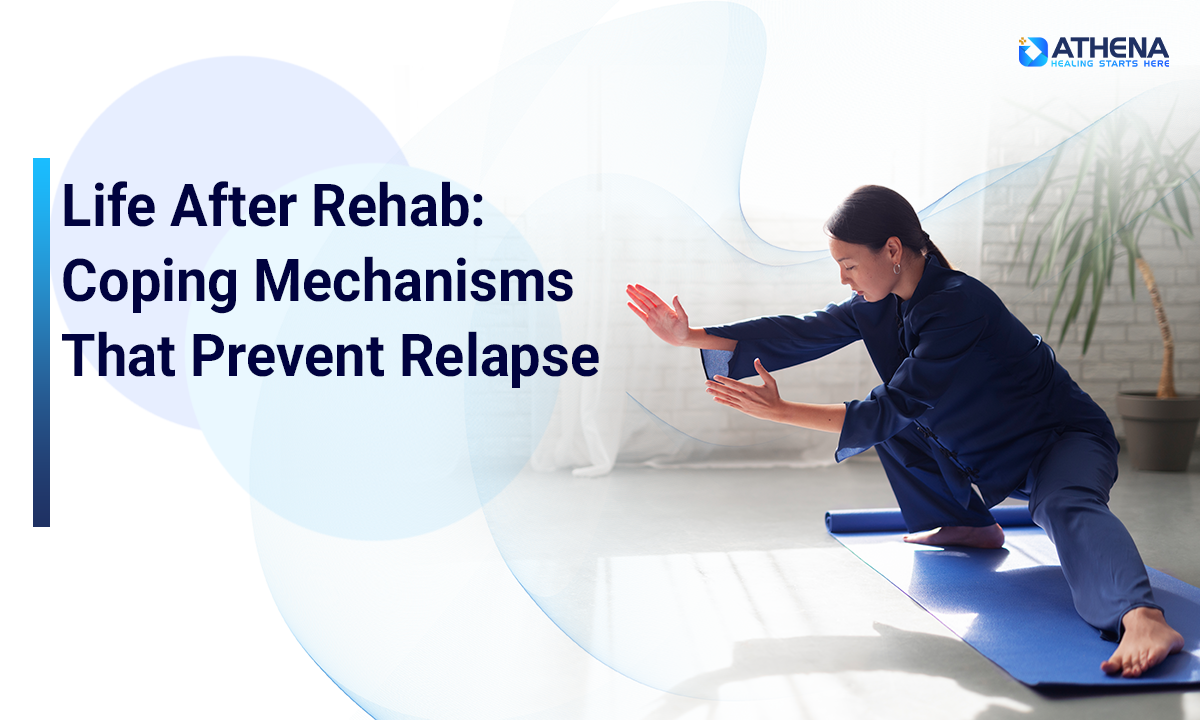
Life After Rehabilitation: Building Stability, Purpose, and Long-Term Recovery
 Share
Share
Completing a rehabilitation program is a major achievement, but it is not the end. Post-rehab life is the place where everyday recovery is put to the test, molded, and hardened. Without the framework of a treatment centre in place, people need to find the way to live a sober life in the real world, cope with one of the triggers, restore relationships, and avoid a relapse.
It is a stage that may be both too big, optimistic, disheartening, and empowering. Knowledge of the next step and appropriate aftercare support can be key to both long-term recovery and prevent relapse.
The Impact of Life After Rehab: Why is It Important Than Treatment?
Rehab drags an individual out of drugs and normalizes their body and mind. The only way to avoid relapse is to strive hard after discharge. The relapses occur in the majority of cases, not due to treatment failure. They happen because:
- Emotional triggers return
- Old social circles reappear
- Stress accumulates in the absence of coping mechanisms.
- Aftercare is missing or inconsistent
That’s why the rehabilitation models today, particularly those applied by the well-known rehab centre in Gurgaon, do not see aftercare as a bonus to treatment: it is an extension of it.
Types of Aftercare Programs
Aftercare programs are aimed at helping people return to their regular lives. These programs vary in intensity and structure depending on the needs of the individuals.
1. Outpatient Counseling and Therapy.
Frequent consultations with a therapist or counselor assist people:
- Post-rehab process emotions.
- Enhance relapse prevention skills.
- Treat anxiety, depression, or trauma.
The sessions can be weekly or biweekly and are essential for relapse prevention.
2. Peer Recovery Programs and Support Groups.
Groups such as 12-step programs or non-12-step recovery groups provide:
- Accountability
- Shared experiences
- Emotional safety
Conversations about cravings and setbacks by other people make the recovery struggle normal and prevent a relapse.
3. Sober Living Homes
The sober living setting also provides:
- Substance‑free housing
- Peer accountability
- Gradual independence
They are particularly applied to those who are going back to high-risk surroundings.
For the family unit, the family needs to be educated to better understand how their family members can best manage the illness and improve their quality.
The whole family structure is affected by addiction. Aftercare often includes:
- Rebuilding trust
- Setting healthy boundaries
- Educating families on how to facilitate recovery without facilitating.
4. Ongoing Medical and Psychiatric Care.
In patients with dual diagnoses, treatment and psychiatric appointments are crucial relapse prevention tools.
Sobriety Stepping Stones: What Recovery Looks Like Over Time
The process of recovery does not occur overnight. It is presented in steps, and every step is significant.
Early Sobriety (0–3 Months)
- Managing cravings
- Emotional ups and downs
- Learning new routines
- Dependence on support systems.
This is the stage that is most prone to relapse, hence relapse prevention is very important.
Stabilization Phase (3–12 Months)
- Reduced emotional dysregulation.
- Recreation of work or academic life.
- Health and sleeping habits are normalized.
- Triggers are made easier to handle.
Long-term recovery (1 year and above)
- Strong coping mechanisms
- Stable relationships
- Increased self‑confidence
- Purpose beyond sobriety
Authentic healing has nothing to do with never having any thoughts about substances. It is about how to react when thoughts come.
Practical Relapse Prevention Strategies for Life After Rehab
Good relapse prevention plans are centred on daily practices, not just power of will.
Identify Personal Triggers
Triggers may include:
- Stress
- Loneliness
- Celebrations
- Certain people or places
The initial step towards preventing relapse is awareness.
Build a Structured Routine
Unplanned time makes one more susceptible. Daily time regimes help regulate moods and curb impulsive actions.
Engage in Emotional Control.
Recovery teaches individuals how to experience a lack of escapism. Tools include:
- Mindfulness
- Journaling
- Physical activity
- Grounding techniques
Stay Connected to Support
One of the largest threats to relapse is isolation. A constant relationship with therapists, peer groups, or alumni programs is essential.
Redefine “Fun” and Reward
Sustainable recovery teaches how to be happy without drugs.
How a Rehab Centre in Gurgaon Helps Life after Rehab.
A quality rehab centre in Gurgaon doesn’t stop care at discharge. The best centres offer:
- Individualized post-discharge strategies.
- Long‑term follow‑ups
- Family involvement
- Alumni networks
- Relapse risk crisis support.
This continuity highly enhances long-term recovery outcomes.
Conclusion
Life post-rehab is not about not using substances, but creating a life that does not require them. Long-term recovery is not only possible, but it can be sustained through the appropriate aftercare programs, good relapse prevention, and additional emotional work.
The favourable environment, which is offered by a reputable Athena Behavioral Health rehab centre in Gurgaon, self-motivation, and scheduled aftercare can help people to live sober instead of surviving.