
Internet & Mobile Addiction Treatment in Greater Noida
Athena Behavioral Health provides internet & mobile addiction treatment in Noida for exactly these moments, when the phone stops being background noise and starts shaping the whole day.
- Confidential evaluation within 24 hours
- Digital detox built around daily life
- One-on-one CBT for compulsive use
- Family sessions included
- Private consultation rooms
- Structured follow-ups post-discharge
Book Your Appointment

You Don't Need to Wait for a Breaking Point
In Noida, internet addiction treatment is not one single incident but something like the teenager asking for five more minutes for the tenth time during one day, the parent being unaware of the hours spent by their kid gaming, or the professional checking the phone as soon as the meeting is over, even though there is no reason to do so. There is no point in talking about an excessive use of a computer on a lazy Sunday afternoon, but about what takes place after a person cannot go through an hour without using some sort of device.
The approach to mobile addiction at Athena Behavioral Health begins with the assessment of the complete situation, and only then with the development of the treatment plan. The psychiatrist analyses the habits of the person, the reasons behind them, and everything else that may be involved - stress, boredom, depression, etc. In case the patient is a child or teenager, the evaluation will be performed by the specialists from our Department of Child & Adolescent Psychiatry, as the addiction among kids and teens usually has some relation to education, peer relationships, or family conflicts that are often missed when the therapy is adult-centric.
"If someone shows signs of severe distress, panic, or thoughts of self-harm connected to their phone or internet access being restricted, treat it as urgent. Contact your local emergency number or the nearest hospital right away. A person's safety always comes first."
Meet Our Psychiatrists for Internet & Mobile Addiction Treatment in Greater Noida

Prof. (Dr.) Nimesh G. Desai

Dr. Tanul Jain

Dr. Prachi Jain
What Internet & Mobile Addiction Treatment in Noida Looks Like in the First Few Sessions
We Don't Recommend Solutions Before Understanding The Whole Picture
Prior to recommending any solutions, we discuss the actual usage of the screen, changes in mood/behavior, and whether there is another issue behind the excessive screen use, like anxiety or sleep problems.
Detoxification From Technology Is Thought Out
Instead of getting rid of the phone instantly, we plan screen time limitations, notifications, and phone-free zones that a person can live with.
Treatment Level Is Adjusted to the Severity of the Condition
For the patients requiring more than one hour of therapy per week but not requiring round-the-clock supervision, our Day Care Programme offers the possibility to spend several hours in the center under the supervision of the specialists while staying overnight at home.
Double Booking Is Prohibited
Scheduling takes into account such details as patients won't be seated near a person that they can recognize.
Medications Are Prescribed Rarely and individually
There is no universal remedy for internet or mobile addiction; however, if it is accompanied by anxiety, depression, or sleep disturbances, these conditions will be taken into account during treatment.
The Approach Is Holistic
We offer patients different Mindfulness, Yoga & Wellness workshops, which help patients to deal with stress and restlessness without screens, especially in the beginning when the temptation to take the phone is strong.
Clinical Excellence
Specialists in Behavioral Addiction, Not a Line Item in a Broader Practice
Our psychiatrists, psychologists, and therapists treat compulsive phone and internet use as a core focus, not something handled between other unrelated cases. Mobile phone addiction treatment in Noida gets waved off too often as "just a habit," which is exactly why so many people, teenagers especially, go without help for years. Left unaddressed, the pattern slowly wears down sleep, concentration, mood, and relationships, and what began as a way to relax turns into something very hard to break alone. Our team treats these concerns as a genuine health matter from the very first conversation.

No two cases look the same. A student pulled into gaming to escape social anxiety needs a different plan than a working adult who has lost hours to compulsive scrolling as a way of avoiding stress at home. Others struggle with gambling apps, endless streaming, or late-night browsing that leaves them exhausted the next morning. Each pattern has its own triggers and its own emotional reward, so every plan begins with a careful assessment of what the screen is actually doing for the person, whether that is easing loneliness, numbing stress, or filling unstructured time.
For younger patients, our Child & Adolescent Psychiatry team leads the assessment and treatment directly, since adolescent screen dependency often looks and responds differently than it does in adults. It is frequently tied to academic pressure, peer dynamics, or tension at home, and parents are involved early with practical guidance on setting boundaries without turning every evening into a conflict. This is a large part of why people searching for an internet addiction treatment center in Noida tend to arrive through a referral, because the plan is genuinely built around the person and not a fixed, one-size-fits-all program.
This continuity builds trust, which matters most when a person is discussing habits they may feel embarrassed or defensive about. It also means changes in mood, sleep, or behavior are noticed early, and the plan can be adjusted before a small setback becomes a full relapse. Patients and families alike tend to feel more supported when the person guiding their care already knows their story.
Modern Lifetime Challenges
Why Noida's Routine Makes This Easy to Miss
Long commutes along the expressway leave little to do but stare at a screen, and a work culture that expects availability well past office hours means the workday rarely ends when people leave the building. Students juggle academic pressure alongside unlimited access to gaming and social apps, while unreliable air quality keeps many people indoors and online for longer stretches, particularly in the harsher months. Because all of this feels ordinary, excessive use is quietly normalized, and it often goes unnoticed until it has already become dependency.
There is a real difference between someone who uses their phone heavily and someone who has become dependent on it. Heavy use is usually tied to a job, a course, or a demanding phase of life, and the person can still step back when they choose to. Dependency looks different: the habit begins to run the person instead of the other way around. Telling the two apart early is what makes timely and effective help possible, and it is often the step that individuals and families find hardest to take on their own.
Regular Use: Screen time does not interfere with sleep, relationships, work, or studies in any noticeable way. The person can put the phone down during meals, conversations, or family time without feeling restless or anxious. They can go a few hours, or even a full day, without it and still feel fine. Use stays a tool or a source of entertainment, and it is not the main way of coping with stress, boredom, or difficult emotions.
Dependency: Use has become something the person cannot function normally without, and being away from it brings real distress. Sleep, work performance, grades, and relationships begin to suffer, yet the person keeps returning to the screen despite wanting to cut down. Irritability, restlessness, or low mood often appear when access is limited, and many people hide how much time they spend online or feel guilty afterwards. This is usually the point where professional support makes the biggest difference.

Reclaiming the Hours the Screen Took Over: Treatment in Greater Noida
Recovery from excessive phone or internet use isn't about a hard stop; it's about slowly handing the day back to the person, one part at a time, starting with what's driving the habit and ending with a routine that doesn't need a screen to feel manageable.
| What's Being Addressed | How It's Handled | Why It Matters |
| The Usage Pattern Itself | A detailed look at when, how, and why the phone gets picked up, before any plan is set | A plan built without this understanding rarely holds beyond the first few weeks |
| Underlying Restlessness & Stress | Mindfulness, yoga, and wellness sessions alongside therapy, to manage the urge to reach for a screen | Removing access without giving the person something else to do with that restlessness usually backfires |
| Compulsive Thought Patterns | Individual CBT sessions targeting the automatic behaviours driving continued use | The habit loop needs retraining, not just resisting through willpower |
| Family Communication | Joint sessions to rebuild conversations that had quietly been replaced by screen time | Recovery holds better when the people at home understand the shift, not just a new house rule |
| Staying on Track Long-Term | Scheduled follow-ups after discharge, since old patterns tend to resurface quietly | A single course of treatment rarely holds without continued check-ins |
The Signs Families Usually Catch Last
Most families wait for something obvious, like a failed exam or a serious argument, before stepping in, when the pattern has usually been building quietly for a while already. Here's what tends to go unnoticed the longest.
Agitation Without the Phone Nearby
Real irritability or restlessness the moment a device isn't within reach.
Sleep Pushed Later and Later
Staying up well past midnight, scrolling, gaming, or watching videos with no natural stopping point.
Withdrawing From In-Person Time
Skipping family dinners or turning down plans with friends to stay online instead.
Repeated Attempts to Cut Back That Don't Hold
Promising to reduce screen time and not managing to follow through, more than once.
A Drop in Grades or Work Output
Missed deadlines or falling performance that starts lining up with heavier use.
Brushing Off the Concern
Insisting it's under control while everyone around them can see otherwise.
Not Sure If This Is You? Talk to a Specialist
Confidential Support, available 24×7
ABOUT THERAPY AT ATHENA
The Actual Path From First Call: Best Internet & Mobile Addiction Treatment in Noida
Step One - Assessment
A psychiatric assessment is conducted to understand digital behavior, screen time, emotions and triggers, family dynamics, and any other related mental issues before developing a treatment plan. If the patient is a child or adolescent, the assessment is carried out by our team in Child & Adolescent Psychiatry.
Step Two - Digital Detox
Not an abrupt withdrawal of access but a process that involves defining screen limits, creating phone-free periods, and reducing gaming, scrolling, and browsing.
Step Three - Therapy and Wellness
CBT targets the compulsions driving the behavior, and Mindfulness, Yoga & Wellness therapy helps the patient cope with the anxiety and restlessness due to limiting screen time. For patients who require a structured approach, it is done through the Day Care Programme and not only through the outpatient service, with weekly visits.
Step Four - Reworking the Structure
Introducing real-life activities, exercises, and family interactions to reclaim the territory lost to screen use.
Why Choose Us
We Look at the Whole Person, Not Just the Hours on the Screen

Every case is worked on jointly by a psychiatrist and a therapist using one shared source of information, not two parallel tracks that never quite meet. This matters most when internet or mobile addiction shows up alongside anxiety, depression, or insomnia, since addressing only one of those rarely gets the other to budge. Recovery doesn't end at discharge either. Patients and families leave with clear guidelines for maintaining healthy technology boundaries, along with the understanding that they can always come back if things start slipping again.
We also don't treat every case the same way. A student gaming to escape social anxiety needs a different plan than a working adult scrolling to avoid stress at home, which is why younger patients are assessed separately from the start by our Child & Adolescent Psychiatry team.
For professionals who can't afford disruption to their work, the program is built to fit their schedule, including the Day Care option and Mindfulness, Yoga & Wellness sessions for anyone who needs more structure than weekly outpatient visits without stepping away from daily life entirely.
How We Help
What Happens Between Your First Message and Ongoing Recovery
Contacting us is typically the hardest part. This is what happens when you do.
Contact our helpline or WhatsApp, and you will get confirmation of your first appointment within that very day.
A psychiatrist evaluates your digital behavior, your emotions, and your personal context via a face-to-face meeting or a private video consultation.
Our digital detox program, therapy sessions, family counseling, health activities, and the Day Care Program, where needed, all come together in accordance with your real-life situation.
Follow-up visits post-discharge ensure that healthy practices remain once normal routines have been resumed.
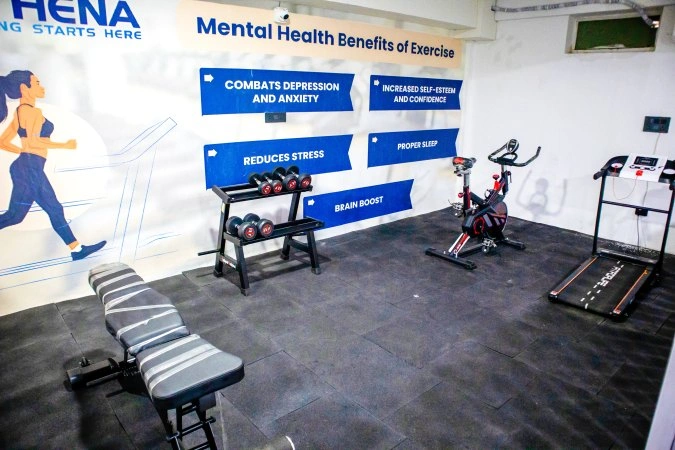
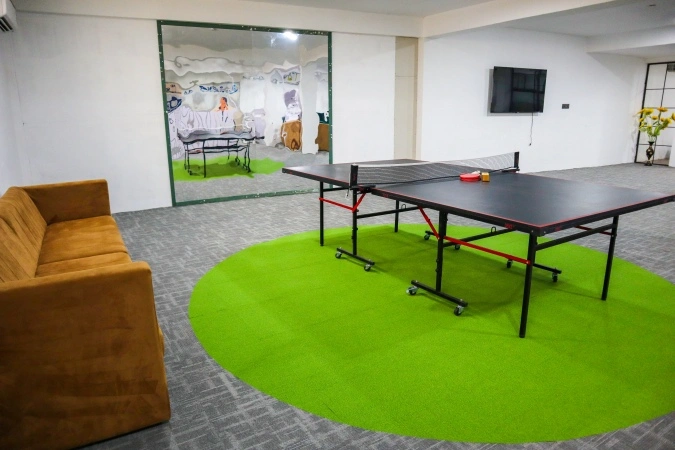
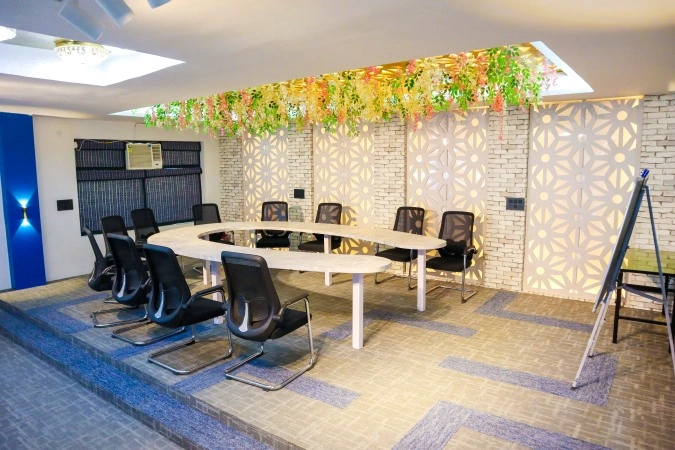
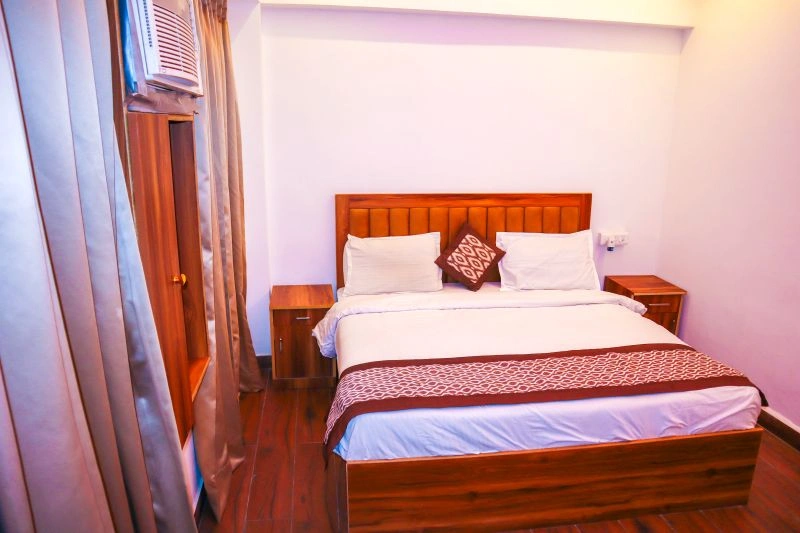
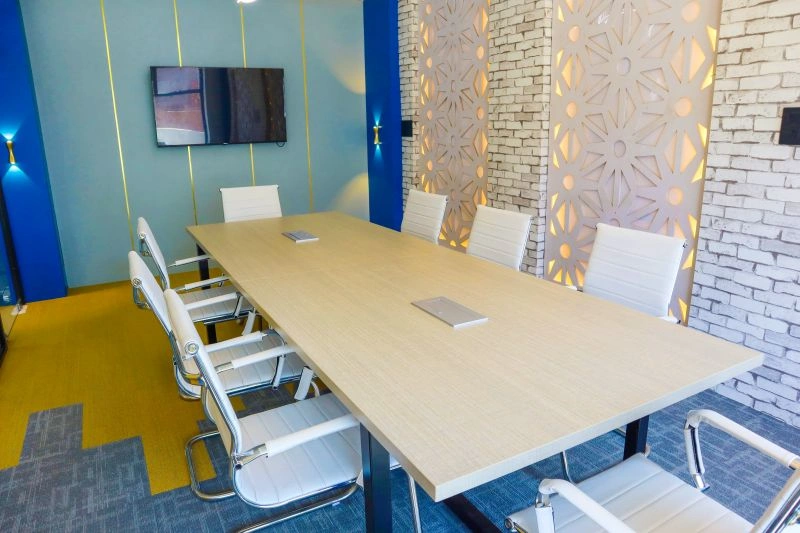
Take a Look Inside Our Noida Facility



Conditions We Treat















.png)






What Our Patients Say
Frequently Asked Questions
A structured process combining psychiatric assessment, individual therapy, and family involvement, where needed, tends to work far better than repeated willpower-based attempts. Professional support addresses the emotional triggers that self-imposed screen-time limits usually can't resolve on their own.
Yes, A private online consultation is available for anyone who wants to start the process before committing to an in-person visit.
No, there's no single medication for internet or mobile addiction on its own. Where anxiety, depression, ADHD, or sleep issues are also present, medication may be used as part of the broader plan and reviewed regularly, not continued by default.
Yes, our Day Care Programme is meant for such cases where therapy hours, supervision, and Mindfulness, Yoga, and Wellness classes are provided in a structured format each day, along with the patient remaining at his/her own residence.
Structuring helps, but may not be sufficient in such cases. The best way is to use boundaries in conjunction with therapy for treating the root cause.
Yes, Severe distress connected to reduced device access, along with any co-occurring anxiety or depression, is stabilized and managed clinically. Our team remains reachable around the clock for exactly this kind of situation.
Appointments are scheduled so patients never overlap, and every consultation takes place in a private room by default. This is standard practice here, not something you need to request specially.
Call yourself first to know what the consultation process would mean. Family members are likely to participate once a close relative goes through the same process.
Depends on the duration of this pattern and how the individual reacts to the therapy sessions during the initial stages. A delayed reaction in the first couple of weeks is totally fine.
The psychiatrist conducts a one-hour-long session covering digital usage patterns, trigger points, family dynamics, pressures of education or profession, and previous efforts to cut down. In case of a child or teenager, this session is conducted by our Child & Adolescent Psychiatry team.
How to reach Athena - Noida
Athena Behavioral Health, Noida
opposite Vaibhav Heritage, near Ek murti chowk, Sector 16B, Roza Yakubpur, Greater Noida, Uttar Pradesh 201318
Landmark: Near Ek murti chowk, Sector 16 B,
- Sector 18, 62, 63, 71
- Greater Noida
- Noida Extension
- Ghaziabad border areas
Contact us: +919289086193
Speak to Our Care Team - 24×7 Confidential Support
Confidential help is just a call or chat away. Our team is ready to listen - without judgment, without pressure.
