
Best Internet & Mobile Addiction Treatment in Guwahati
Athena Behavioral Health provides internet & mobile addiction treatment in Guwahati for exactly these moments, when the phone stops being a small habit and starts shaping the whole day.
- Confidential evaluation within 24 hours
- Digital detox built around real life
- One-on-one CBT for compulsive use
- Family sessions included
- Private consultation rooms
- Structured follow-ups post-discharge
Book Your Appointment

You Don't Need a Crisis Moment to Reach Out
Typically, internet addiction in Guwahati does not manifest itself in a single event but rather a student who claims he is "almost done with one more level" for the fifth time this evening, a parent who has quit keeping track of how much time the kid spends on the computer, or a working professional who immediately picks up his phone after making a call, even if there is nothing pressing.
At Athena Behavioral Health, mobile addiction treatment in Guwahati starts with a comprehensive understanding of the problem rather than the number of hours one is online. The doctor conducts the assessment and considers all the related factors and issues, such as behavioral patterns, emotional motivation behind them, and anything else, such as stress, isolation, depression, that contribute to this issue. For children and teenagers, the evaluation is conducted by our Child & Adolescent Psychiatry specialists, as it is typically linked to school-related or family stress or friendship problems that cannot be considered with an adult-oriented approach. Usually, families come to us as the first ones to explain the behavior of the young person.
"If someone shows signs of severe distress, panic, or thoughts of self-harm connected to their phone or internet access being restricted, treat it as urgent. Contact your local emergency number or the nearest hospital right away. A person's safety always comes first."
Meet Our Psychiatrists for Internet & Mobile Addiction Treatment in Guwahati

Prof. (Dr.) Nimesh G. Desai

Dr. Sushil Agarwalla

Dr. Sahil Agarwal
What Internet & Mobile Addiction Treatment in Guwahati Looks Like in the First Few Sessions
We Begin with Curiosity, Not Criticism
Prior to making any recommendations, we explore what daily use entails, changes in mood or behavior, and what other factors, such as anxiety or sleep disturbances, may underlie the screen time.
Detoxification from Digital Devices Is Deliberate, Not Abrupt
Rather than abruptly depriving the individual from his/her smartphone, we set up realistic boundaries of screen time, notification use, and phone-free times and spaces.
The Right Amount of Structure Is Provided
For those patients who would benefit from more intensive treatment than weekly outpatient appointments but do not require complete residential care, our Day Care Programme provides several hours of structured treatment at the center every day while the patient remains at home in the evenings.
No Duplicate Appointments
The schedule is planned so that the patient never has to be seated near someone he/she might know.
Medications Are Used Conservatively
While there is no drug addiction treatment for either internet addiction or mobile phone dependency, when there is an anxiety disorder, depression, or sleep disturbances accompanying the problem, they are managed as part of the treatment plan and monitored regularly.
Physical Health Is Considered Part of Recovery
Through our Mindfulness, Yoga & Wellness program, the patient gets access to healthy practices for coping with stress and restless periods, particularly valuable in the beginning phases of treatment when the urge to use a gadget is strong.
Clinical Excellence
Specialists in Behavioral Addiction, Not a Line Item in a Broader Practice
Our psychiatrists, psychologists, and therapists treat compulsive phone and internet use as a core focus, not something squeezed between unrelated cases. Internet addiction treatment in Guwahati gets brushed off too often as "just how young people are now," which is exactly why so many people go years without any real help. Left unaddressed, the habit quietly affects sleep, concentration, mood, and relationships, and what began as a way to unwind becomes a pattern that is hard to break alone. Our team takes these concerns seriously from the first conversation and treats them as a genuine health issue.

The struggle with gambling apps, endless streaming, or late-night browsing. Each pattern has its own triggers and emotional payoff, so every plan begins with an assessment of what the screen is actually doing for the person, whether easing loneliness, numbing stress, or filling empty time.
For younger patients, our Child & Adolescent Psychiatry team leads the assessment and treatment directly, since adolescent screen dependency often looks and responds differently than it does in adults. Parents are brought in early with practical guidance on setting boundaries without constant conflict. This is a large part of why people searching for an internet addiction treatment center in Guwahati tend to arrive through a referral, because the plan is built around the person, not a fixed program.
One clinician follows a case from the first evaluation through discharge, so nothing has to be repeated to someone new midway through. Changes in mood, sleep, or behavior are noticed early, so the plan can be adjusted before a small setback becomes a full relapse. Working with an experienced psychiatrist in Guwahati who already knows their story helps patients and families feel supported.
Modern Lifetime Challenges
Why Guwahati's Routine Makes This Easy to Miss
Long commutes on increasingly congested stretches near GS Road and Six Mile, monsoon months that push people indoors for weeks at a time, students living away from home for the first time in hostels and PGs, and a growing work culture that expects availability well past office hours all quietly normalize excessive screen use until it's already become dependency.
Together, these factors quietly normalize excessive screen use until it's already become dependency, often without a single moment where it was obvious enough to name. There's a real difference between someone who uses their phone heavily and someone who has become dependent on it.
Regular use: Doesn't interfere with sleep, relationships, work, or studies in any noticeable way. Time spent online happens alongside a functioning routine, without displacing sleep, in-person plans, or responsibilities in any way that others would notice or that the person themselves finds concerning.
Dependency: Use has become something the person can't function normally without, and being away from it brings real distress, restlessness, irritability, or genuine anxiety, rather than simple boredom or mild inconvenience.

What the Screen Is Standing In For, by Age Group
Compulsive phone or internet use looks different depending on the stage of life someone is in, and what it's actually helping them avoid changes just as much. This table reflects the patterns our team commonly sees during assessment across age groups.
| Age Group | What Excessive Use Often Looks Like | What It's Commonly Standing In For | What Treatment Focuses On |
| School-Age Children & Early Teens | Gaming for hours, resistance to stopping, meltdowns when access is restricted | Difficulty managing boredom, social anxiety, or trouble fitting in at school | Building offline coping skills, with the Child & Adolescent Psychiatry team leading the assessment |
| Older Teens & College Students | Late-night scrolling, gaming, or messaging that pushes sleep later and later, especially in hostels and PGs | Loneliness from being away from home, academic pressure, or avoidance of a specific stressor | Structured routines, peer connection, and therapy that addresses the underlying stress directly |
| Working Professionals | Compulsively checking the phone after every call or notification, even when nothing urgent is pending | Work-related anxiety, difficulty switching off after hours, or avoidance of stress at home | Realistic digital boundaries built around actual work demands, alongside therapy for the underlying stress |
| Parents & Caregivers | Losing track of how much time is actually spent online, often while also monitoring a child's use | Exhaustion, a need for a mental break from constant caregiving responsibility | Family sessions that address the pattern at a household level, not just for one individual |
The Signs Families Usually Catch Last
Most families wait for something obvious, like a failed exam or a serious argument, before stepping in, when the pattern has usually been building quietly for a while already. Here's what tends to go unnoticed the longest.
Agitation Without the Phone Nearby
Real irritability or restlessness the moment a device isn't within reach.
Sleep Pushed Later and Later
Staying up well past midnight, scrolling, gaming, or watching videos with no natural stopping point.
Withdrawing From In-Person Time
Skipping family dinners or turning down plans with friends to stay online instead.
Repeated Attempts to Cut Back That Don't Hold
Promising to reduce screen time and not managing to follow through, more than once.
A Drop in Grades or Work Output
Missed deadlines or falling performance that starts lining up with heavier use.
Brushing Off the Concern
Insisting it's under control while everyone around them can see otherwise.
Not Sure If This Is You? Talk to a Specialist
Confidential Support, available 24×7
ABOUT THERAPY AT ATHENA
The Actual Path From First Call: Best Internet & Mobile Addiction Treatment in Guwahati
Step One: Assessment
The assessment takes into account the digital use habits, patterns of screen time, emotions and triggers involved, the family situation, and any other co-existing issues related to mental health before designing a treatment plan. In case the patient is a child or a teenager, this task is taken care of by our team specializing in Child & Adolescent Psychiatry.
Step Two: Digital Detox Plan
As opposed to simply switching off the digital source, here, we create fixed boundaries of screen time, implement no phone periods, and reduce the number of games, scrolls, or browsing.
Step Three: Therapy and Wellness
CBT deals with the problem directly, i.e., compulsive behavior associated with the use of screens, whereas mindfulness, yoga, and wellness classes provide the patient with the necessary tools to cope with stress, anxiety, and restlessness arising after reducing screen time. For those who need extra structure in their lives, it is done through our Day Care Program.
Step Four: Establishing Structure Offline
Bringing back offline activities, physical activity, and family time.
Why Choose Us
We Look at the Whole Person, Not Just the Hours on the Screen

Every case here is worked through jointly by a psychiatrist and a therapist reading from the same information, not two separate tracks running side by side. This matters especially when internet or mobile addiction is tangled up with anxiety, depression, or disrupted sleep, since treating one and ignoring the other rarely works. Recovery doesn't end at discharge either. Patients and families leave with a written plan for maintaining healthy digital boundaries, along with the understanding that they can return if old patterns start creeping back in.
We also don't treat every case the same way. A student gaming to escape social anxiety needs a different plan than a working adult scrolling to avoid stress at home, which is why younger patients are assessed separately from the start by our Child & Adolescent Psychiatry team.
For busy professionals who can't have this interfere with their career, the program is built to work around real schedules, including the Day Care option and Mindfulness, Yoga & Wellness sessions for anyone who needs more structure than weekly visits without stepping away from work or family entirely.
How We Help
What Happens Between Your First Message and Ongoing Recovery
Reaching out is usually the hardest part. What then?
Get in touch via phone or WhatsApp, and you'll get your first appointment confirmation on the very same day.
Your digital behavior, your psychological background, and your unique circumstances are evaluated by a psychiatrist either in person or in a confidential video consultation.
This includes components such as detox from digital devices, therapy, family therapy, wellness activities, and the Day Care Programme whenever necessary, depending on the case.
The follow-up appointments after discharge make sure the new behaviors remain once you go back to your daily routine.
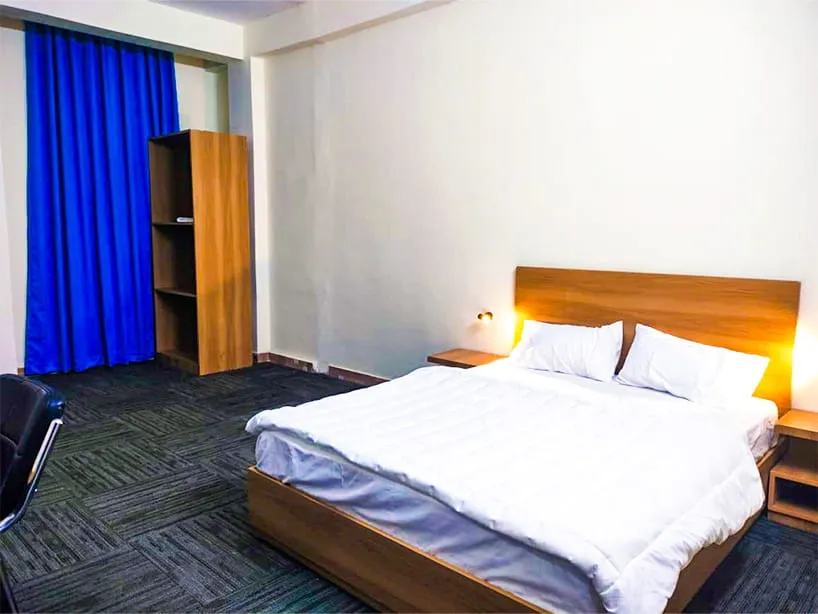
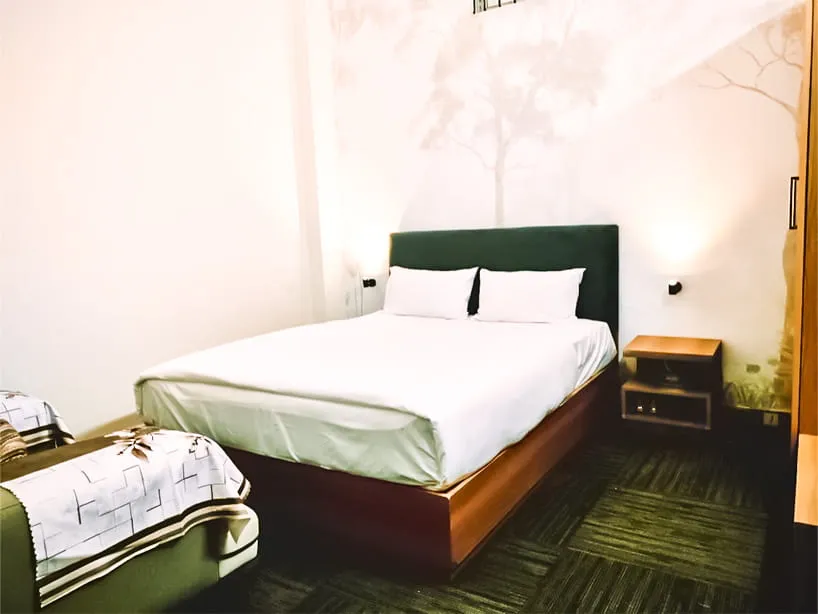
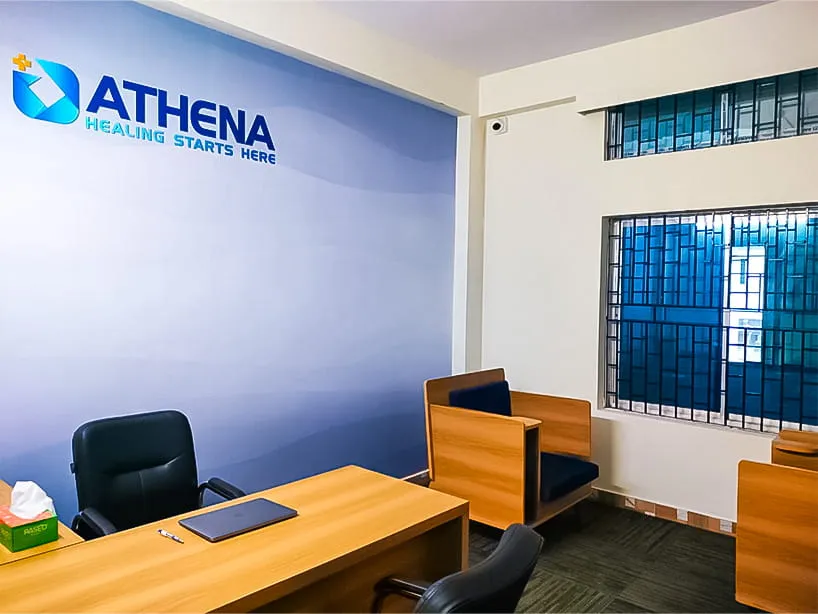
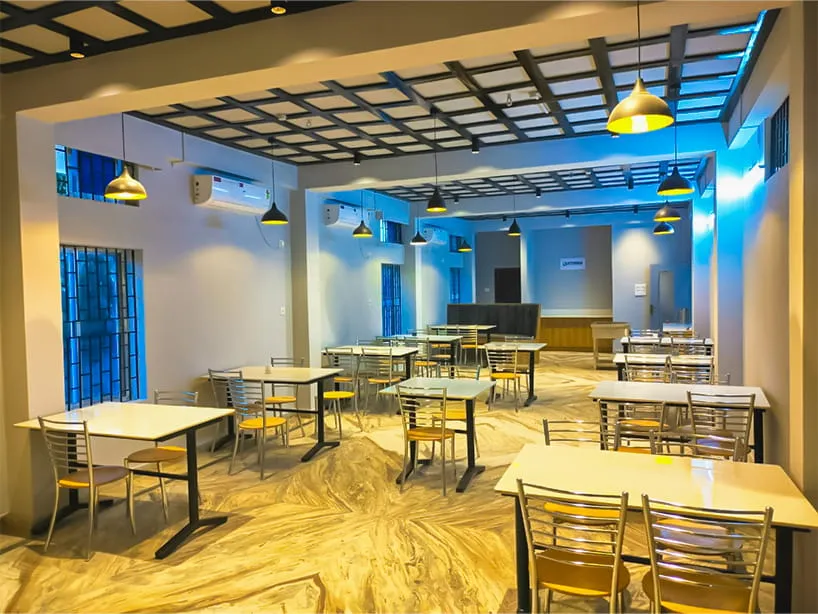
Take a Look Inside Our Guwahati Facility

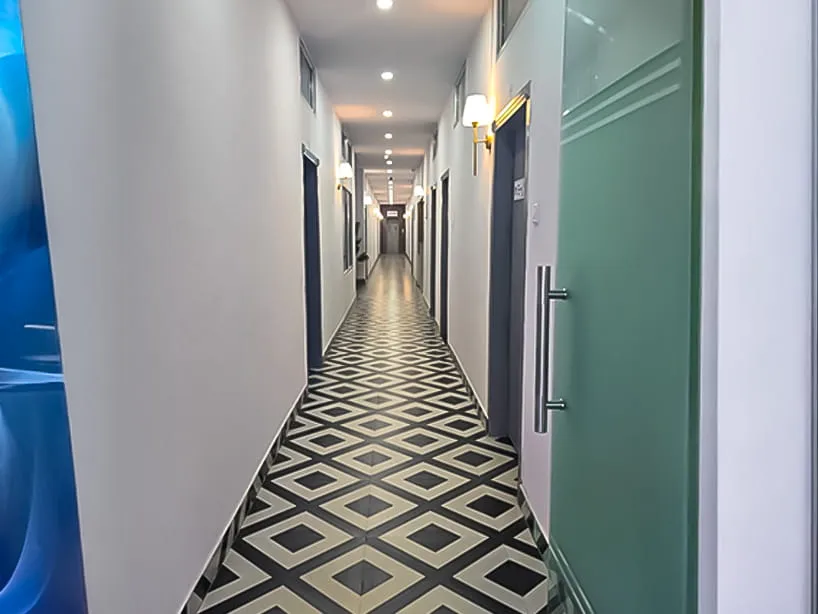

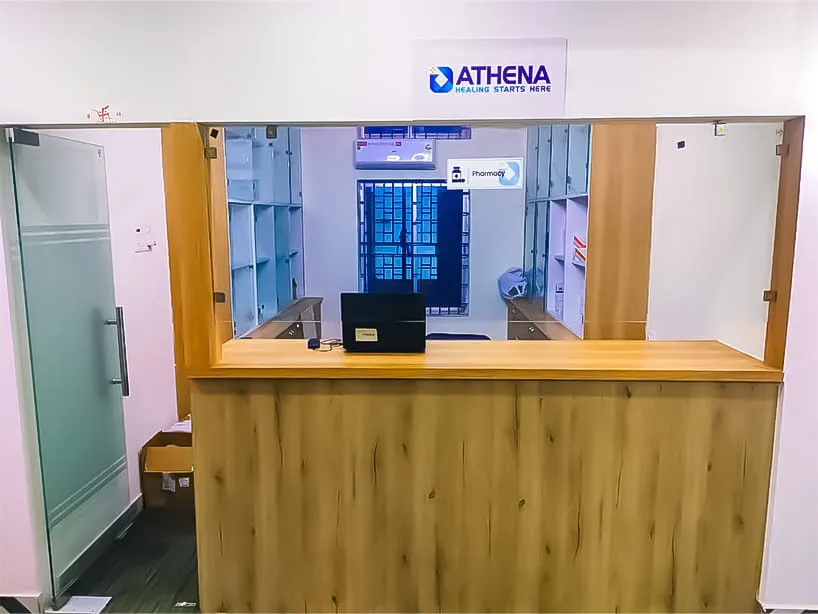
Conditions We Treat















.png)






What Our Patients Say
Frequently Asked Questions
A structured process combining psychiatric assessment, individual therapy, and family involvement, where needed, tends to work far better than repeated willpower-based attempts. Professional support addresses the emotional triggers that self-imposed screen-time limits usually can't resolve on their own.
Yes, A private online consultation is available for anyone who wants to start the process before committing to an in-person visit.
No, there is no medicine for internet or mobile addiction. In case there are other problems like anxiety, depression, ADHD, or sleep disorders, medication will be prescribed and discussed, but not continued automatically.
Yes, the Day Care Programme is intended exactly for that matter: the patient will spend certain hours each day on therapy, supervision, and Mindfulness, Yoga & Wellness classes while staying at home.
Structure will help, but it will never be enough if the behavior becomes compulsive. This strategy works best if combined with therapy for the underlying causes.
Yes, Severe distress connected to reduced device access, along with any co-occurring anxiety or depression, is stabilized and managed clinically. Our team remains reachable around the clock for exactly this kind of situation.
Appointments are scheduled so patients never overlap, and every consultation takes place in a private room by default. This is standard practice here, not something you need to request specially.
Begin by calling yourself to get familiar with the process of consultation. It would be easier to discuss treatment for family members after you have undergone it yourself.
Depends on the duration of the pattern and the individual's response to the early stages of treatment. A slow beginning is quite common within the first two weeks of treatment.
The psychiatrist will spend an hour discussing digital habits, triggers, family atmosphere, stress factors (study/work), attempts to limit screen usage, etc. In case of a child or teenager, consultation is conducted by the Child & Adolescent Psychiatry team.
How to reach Athena - Guwahati
Athena Behavioral Health, Guwahati
Athena Behavioral Health, Guwahati, Assam
Landmark: Guwahati
- Guwahati City
- Northeast India region
Contact us: +919289086193
Speak to Our Care Team - 24×7 Confidential Support
Confidential help is just a call or chat away. Our team is ready to listen - without judgment, without pressure.
