
Best Internet & Mobile Addiction Treatment in Delhi
Athena Behavioral Health offers internet & mobile addiction treatment in Delhi for people who've reached the point where the excuses have run out.
- Confidential evaluation within 24 hours
- Digital detox plans built around real life
- One-on-one CBT for compulsive use
- Family sessions included
- Private rooms, no shared waiting areas
- Aftercare calls post-discharge
Book Your Appointment

You Don't Need to Hit Rock Bottom Before You Call
Internet addiction in Delhi rarely announces itself with a single dramatic incident. It shows up as a teenager who's stopped hanging out with friends in person, a spouse whose mood visibly changes when the WiFi is down, or a professional who can't remember the last time they finished a meal without checking their phone.
At Athena Behavioral Health, mobile addiction in Delhi is approached by first understanding what the screen is actually doing for the person, not just measuring how many hours it's used. A psychiatrist looks at the digital habits, the emotional patterns underneath them, and whatever else, stress, isolation, and low mood might be part of the picture, before any plan gets written. When the patient is a child or teenager, this assessment is carried out by our Child & Adolescent Psychiatry specialists, since screen dependency in younger patients usually connects to school pressure, friendships, or family dynamics in ways adult-focused treatment can overlook.
"If someone shows signs of severe panic, distress, or thoughts of self-harm connected to being away from their phone or the internet, treat it as urgent. Contact your local emergency number or the nearest hospital immediately. A person's safety always comes first."
Meet Our Psychiatrists for Internet & Mobile Addiction Treatment in Delhi

Prof. (Dr.) Nimesh G. Desai

Dr. Ashish Mittal

Dr. Rahul Rai
Inside Internet & Mobile Addiction Treatment in Delhi: What the First Few Sessions Actually Involve
Nothing Assumed Until Analysis
Prior to recommending a treatment plan, we examine the history of the development of the problem, changes in the individual's daily routine, and whether there are other problems like anxiety or insomnia involved.
A Structured Approach Is Better Than Digital Fast
Rather than confiscating devices, we create a sustainable treatment plan that includes the restriction on screen-time, management of notifications, and implementation of phone-free activities.
Different Levels of Care
To cater to the needs of the patients who require something between the weekly outpatient visits and full-fledged residential care, our clinic offers the Day Care Programme that allows the patients to come for several hours to the center daily, going back home at night.
No Chance of Run-Ins
The appointments are scheduled in a way that would ensure patients do not meet people they know during their visit.
Narrow Use of Medications Only When Needed
There is no one-size-fits-all medication for compulsive use of the Internet or mobile phones, but if the patients suffer from anxiety, depression, ADHD, or sleep disruptions, medications are used as part of the treatment plan and reviewed regularly.
We Address the Cause, Not the Manifestation
Whether the trigger is school-related, personal life issues, or problems at work, the therapy will be focused on the underlying reasons.
Clinical Excellence
Specialists in Behavioral Addiction, Not Generalists Fitting It In
Our psychiatrists, psychologists, and therapists treat compulsive phone and internet use as a primary area of focus, not something handled alongside a dozen unrelated conditions. Mobile phone addiction treatment in Delhi gets dismissed too often as a lifestyle issue rather than a clinical one, which is exactly why so many people, especially teenagers, go without help for years.

Working with the right therapist in Delhi makes a significant difference when it comes to prescription drug addiction, since recovery here isn't just about stopping the substance, but understanding why it became necessary in the first place, whether due to chronic pain, anxiety, insomnia, or another underlying condition. A skilled therapist helps patients navigate this complexity alongside psychiatric support, addressing both the medical and emotional layers of dependence for care that genuinely lasts.
For younger patients, our Child & Adolescent Psychiatry team leads the evaluation and treatment directly, since adolescent screen dependency often carries a different clinical picture than it does in adults. This is a large part of why people searching for an internet addiction treatment center in Delhi tend to arrive through a referral, because the plan actually reflects the person in front of us and not a fixed, one-size-fits-all program.
One clinician stays with a patient from the first evaluation through discharge, so nothing has to be re-explained to someone new midway through. This continuity builds trust, which matters most when a person is discussing habits they may feel embarrassed or defensive about.
Modern Lifetime Challenges
Why Delhi's Pace Makes This Easy to Overlook
Long commutes leave little to do but stare at a phone, and a work culture that expects round-the-clock availability over email and chat means the office follows people home every evening. Students juggle academic pressure alongside unlimited access to gaming and social platforms, while poor air quality keeps many people indoors and on their screens for longer stretches, especially during the worst months of the year. Because all of this feels ordinary, excessive use is quietly normalized, and it often goes unnoticed until it has already become dependency
There is a meaningful difference between someone who uses their phone heavily and someone who has actually become dependent on it. Heavy use is usually tied to a job, a course, or a demanding phase of life, and the person can still step back when they choose to. Dependency looks different: the habit begins to run the person instead of the other way around. Telling the two apart early is what makes timely and effective help possible, and a professional psychiatric assessment and diagnosis can make that clear, which is often the step families and individuals find hardest to take on their own.
Regular Use: Screen time does not get in the way of sleep, relationships, work, or studies in any real sense. The person can put the phone down during meals, conversations, or family time without feeling restless or anxious.
Dependency: Use has become something the person needs just to feel normal, and being without it brings real distress. Sleep, work performance, grades, and relationships begin to suffer, yet the person keeps returning to the screen despite wanting to cut down.

From First Screen Check to Lasting Change: How Treatment Actually Unfolds in Delhi
Nobody ends up dependent on their phone overnight, and nobody recovers from it overnight either. The process at Athena works by peeling back the habit one layer at a time, starting with what the person is actually doing on their screen, moving through why they're doing it, and ending with what their day looks like once the screen stops being the default answer to every quiet moment.
| What's Being Addressed | How It's Handled | Why It Matters |
| The Usage Pattern Itself | A private assessment mapping out when, how often, and in response to what the phone gets picked up | Nothing gets fixed until the actual pattern, not just the hours, is understood |
| Underlying Emotional Triggers | Individual CBT sessions addressing stress, loneliness, or low mood sitting beneath the behaviour | Taking the phone away without treating the trigger usually just pushes it elsewhere |
| Sleep and Daily Structure | Rebuilding routine with offline activities, exercise, and consistent sleep timing | Screen dependency and disrupted sleep tend to reinforce each other |
| Family or Relationship Strain | Joint family sessions to rebuild connection that's been crowded out by screen time | Recovery holds better when the people at home understand the shift, not just a new rule |
| Long-Term Stability | Scheduled follow-up calls after discharge, since old patterns tend to creep back | A single course of therapy rarely holds without continued check-ins |
The Signs That Get Missed the Longest
Most families wait for something obvious, like a failed exam or a serious fight, before stepping in, when the truth is the pattern has usually been visible for a while already. Here's what tends to go unnoticed the longest.
Agitation the Moment the Phone Isn't There
Real irritability or restlessness when a device isn't within reach.
Sleep Steadily Pushed Later
Staying up well past midnight scrolling, gaming, or watching videos, with no natural stopping point.
Pulling Away From In-Person Connection
Skipping family dinners or turning down plans with friends to stay online instead.
Repeated Attempts to Cut Back That Don't Stick
Promising to reduce screen time more than once and not managing to follow through.
Slipping Grades or Missed Deadlines
A drop in academic or work performance that starts lining up with heavier use.
Downplaying It Even When It's Obvious
Insisting it's under control while everyone around them can see it clearly isn't.
Not Sure If This Is You? Talk to a Specialist
Confidential Support, available 24×7
ABOUT THERAPY AT ATHENA
The Actual Path From First Call: Best Internet & Mobile Addiction Treatment in Delhi
First Step - Assessment
There will be an evaluation of your or your child's digital behavior, screen usage patterns, emotions that trigger the use, home environment, and any other mental health problems you might have. In case the patient is below 18 years of age, this process is conducted by the Child and Adolescent psychiatry specialists.
Second Step - Digital Detox Plan
Unlike other approaches, here the patient will get clear limits about the time spent on using devices, phone-free practices, as well as the gradual decrease of playing games, surfing the Internet, or scrolling.
Third Step – Individual Therapy
The CBT will address the patient's compulsion issues, teach them some coping strategies for when they are not in therapy. For those patients who require a more structured approach, this therapy is usually provided in our Day Care Programme rather than the weekly outpatient appointment.
Fourth Step - Building Real-Life Routine
Returning to real life by introducing various activities and hobbies to replace screen time.
Why Choose Us
We Treat the Person Behind the Screen Time, Not Just the Numbers

Every plan here is developed jointly by a psychiatrist and a therapist working off the same information, not two separate processes that happen to run in parallel. This matters most when internet or mobile addiction is tangled up with anxiety, depression, or disrupted sleep, since treating one and ignoring the other rarely holds up. Recovery doesn't stop at discharge either. Patients and families leave with a written plan for maintaining healthy digital boundaries, along with the understanding that they can come back if old habits start resurfacing, rather than treating a single relapse as a failure of the whole process.
We also don't apply a single template to every case. A college student gaming to escape social anxiety needs a different plan than a working parent scrolling to avoid stress at home, which is why younger patients are evaluated separately by our Child & Adolescent Psychiatry team from the very first session.
For professionals who can't have this affect their career, the program is built to work around real schedules, including the yoga and wellness for anyone who needs more than weekly sessions without stepping away from work or family entirely.
How We Help
What Happens Between Your First Message and Ongoing Recovery
Contacting can be quite difficult. But then there's all this once you have gotten in contact.
Reach out to us via phone call or WhatsApp and receive confirmation of your first visit on the same day.
The psychiatrist examines your history of internet use, emotional and psychological background, and other factors, whether in-person or through a private video consultation.
Internet detox, therapy, family sessions, and Day Care Programme, when required, are integrated according to the actual needs of the patient.
Follow-ups post-discharge ensure that the new healthy habits will stick around even after the routine starts again.
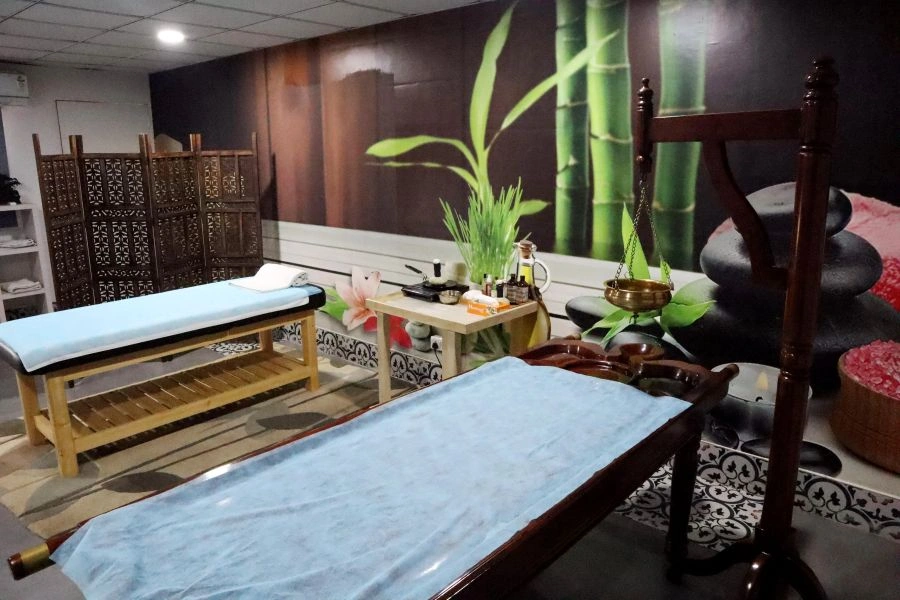
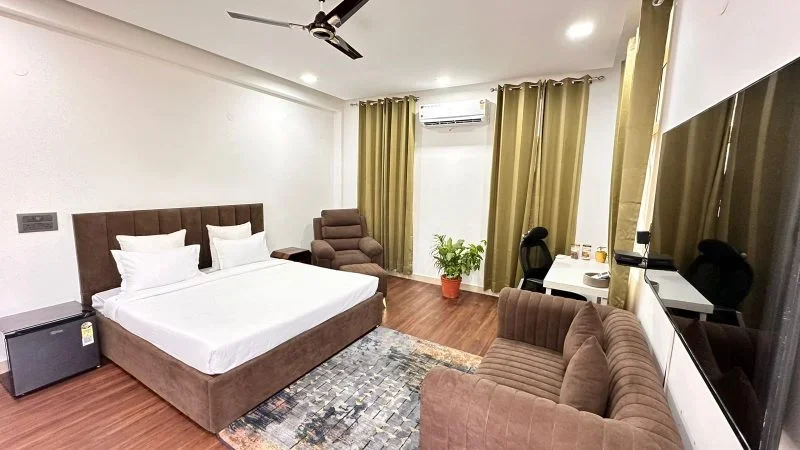
Take a Look Inside Our Delhi Facility






Conditions We Treat















.png)






What Our Patients Say
Frequently Asked Questions
A structured approach combining psychiatric assessment, individual therapy, and family involvement, where needed, tends to work far better than repeated willpower-only attempts. Professional support addresses the emotional triggers that self-imposed limits usually can't resolve alone.
Yes, A private online consultation is available for anyone who wants to start the process before committing to an in-person visit.
No, there's no single medication for internet or mobile addiction on its own. Where anxiety, depression, ADHD, or sleep issues are also present, medication may be used as part of the broader plan and reviewed regularly rather than continued indefinitely.
Yes, this is why our Day Care Programme was developed for such cases where hours of therapy and supervision are needed every day without having to reside elsewhere.
It will definitely help, but it is rarely sufficient to stop the use when the person has developed an obsession with it. It works best together with the therapeutic sessions dealing with the underlying causes of the problem.
Yes, Severe distress connected to restricted device access, along with any co-occurring anxiety or depression, is managed clinically and treated with urgency. Our team remains reachable around the clock for exactly this kind of situation.
Appointments are scheduled so patients never overlap, and every consultation takes place in a private room by default. This is standard practice here, not something you need to request separately.
Begin by giving a call to yourself to understand how the consultation process goes. The other members of the family will be more receptive after one of them has undergone the same.
It depends on the length of the habit and the response of the person undergoing therapy during the first few weeks. It is absolutely normal if there is a slow start during the first few weeks.
The psychiatrist spends about an hour discussing the digital habits, possible emotional reasons, family background, educational/academic/work stress, and previous reduction attempts. For children and teenagers, this process is held with the participation of our Child & Adolescent Psychiatry specialists.
How to reach Athena - Delhi
Athena Luxus, Delhi
Athena Luxus, South Delhi, New Delhi
Landmark: South Delhi
- South Delhi
- Central Delhi
- Gurugram border areas
- Noida border areas
Contact us: +919289086193
Speak to Our Care Team - 24×7 Confidential Support
Confidential help is just a call or chat away. Our team is ready to listen - without judgment, without pressure.
