 WhatsApp
 Emergency
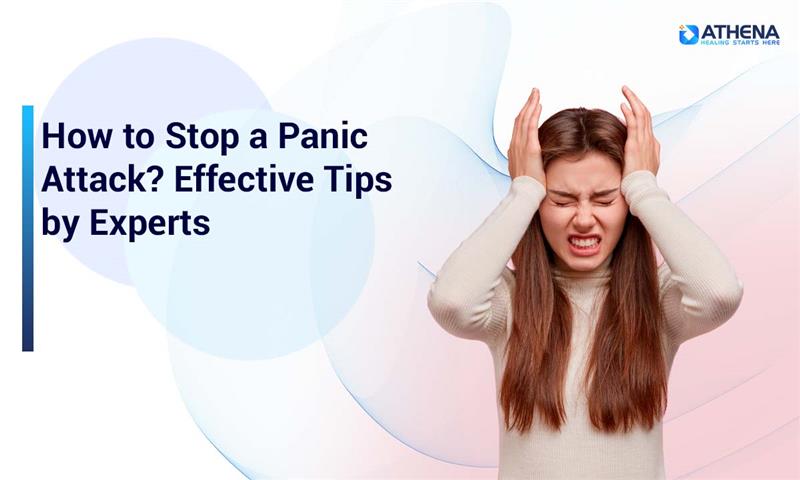
How to Stop Panic Attack? Effective Tips by Experts
 Share
Share
Panic attacks can be overwhelming, leaving you feeling like you're losing control. These sudden bursts of intense fear can affect both your body and mind. However, there are strategies that you can use to stop a panic attack and prevent it from escalating further. At Athena Behavioral Health, we focus on providing you with expert-backed tips to help you regain control and reduce panic symptoms quickly.
In this blog, we will walk you through some effective ways to manage and stop a panic attack, and explain how you can prevent future episodes from occurring.
What is a Panic Attack?
A panic attack is a sudden surge of overwhelming fear or anxiety that typically peaks within minutes. It can feel as though your heart is racing, your chest is tight, and you’re struggling to breathe. While panic attacks are common, they are also frightening and can sometimes mimic more serious health issues like a heart attack.
Common symptoms of a panic attack include:
- Rapid heartbeat or palpitations
- Sweating
- Difficulty breathing or a feeling of choking
- Chest pain or discomfort
- Dizziness or lightheadedness
- Nausea or upset stomach
- Shaking or trembling
- A sense of unreality or detachment
How to Stop a Panic Attack Fast: Expert Tips
When you feel a panic attack coming on, you need quick ways to manage it before it intensifies. Here are several techniques that experts recommend for stopping panic attacks:
1. Control Your Breathing
One of the most effective ways to stop a panic attack is to focus on your breathing. Panic attacks often cause rapid, shallow breathing. By practicing deep, slow breaths, you can calm your nervous system and reduce symptoms of the attack.
- How to Breathe Deeply:
- Breathe in slowly through your nose for a count of 4.
- Hold your breath for 4 seconds.
- Exhale slowly through your mouth for 4 seconds.
- Repeat this process several times until you feel calm.
This method helps regulate your breathing and signals to your brain that it’s safe to relax.
2. Ground Yourself with the 5-4-3-2-1 Method
Grounding exercises are an excellent way to stop a panic attack. The 5-4-3-2-1 technique helps you focus on the present moment and away from the overwhelming sensations of a panic attack.
- How it Works:
- 5 things you can see around you.
- 4 things you can touch.
- 3 things you can hear.
- 2 things you can smell.
- 1 thing you can taste.
This exercise helps refocus your attention and can reduce the intensity of the panic attack.
3. Challenge Your Thoughts
Panic attacks are often fueled by irrational thoughts. Reminding yourself that the panic attack isn’t life-threatening can help reduce fear and calm your mind.
- Example Thought Challenge:
- “I feel like I’m having a heart attack” → “This is just a panic attack, and it will pass.”
By challenging these irrational thoughts, you stop your mind from escalating the fear.
4. Progressive Muscle Relaxation (PMR)
Progressive muscle relaxation is a technique where you tense and then relax different muscle groups in your body. This helps release physical tension and reduces the anxiety that comes with a panic attack.
- How to Practice PMR:
- Start by tensing the muscles in your feet for 5 seconds, then relax them for 10 seconds.
- Move on to your calves, thighs, abdomen, and work your way up the body, repeating the process for each muscle group.
By focusing on relaxing your muscles, you signal to your brain that it’s time to calm down.
Long-Term Solutions for Panic Attacks
While quick techniques can help you stop panic attacks, long-term panic disorder treatment is essential for reducing their frequency and intensity. Here's how you can manage panic attacks over time:
1. Cognitive Behavioral Therapy (CBT)
CBT is one of the most effective treatments for panic disorder. It helps you recognize negative thought patterns that contribute to panic attacks. With the help of a therapist, you can learn how to reframe these thoughts, reducing anxiety and preventing future attacks.
2. Medication
In some cases, medication may be prescribed to help manage panic attacks. Common medications include:
- SSRIs (Selective Serotonin Reuptake Inhibitors) like sertraline (Zoloft), which are often used to treat anxiety disorders.
- Benzodiazepines, such as alprazolam (Xanax), which are used for short-term relief of panic attacks.
Medication should be combined with therapy for the best long-term results.
3. Exposure Therapy
Exposure therapy helps you gradually face the situations or triggers that cause panic attacks. Over time, you’ll become desensitized to these triggers, reducing the likelihood of future attacks.
Read Also: How to Stay Happy?
Prevention: How to Avoid Panic Attacks in the Future
While panic attacks may not always be preventable, there are steps you can take to reduce the likelihood of experiencing them in the future:
1. Exercise Regularly
Physical activity reduces stress and anxiety, which are common triggers for panic attacks. Regular exercise, such as walking, swimming, or yoga, helps improve your mood and can make it easier to cope with anxiety.
2. Limit Caffeine and Alcohol
Caffeine and alcohol can both contribute to heightened anxiety and trigger panic attacks. Try reducing or eliminating these substances from your routine to decrease the likelihood of an attack.
3. Practice Mindfulness and Meditation
Mindfulness practices, such as meditation, help you manage stress and stay calm. By regularly practicing mindfulness, you can reduce overall anxiety, which may help prevent panic attacks from occurring.
Read Also: Yoga, Breathwork and Meditation Support Mental Recovery
When to Seek Help for Panic Attacks
If your panic attacks are frequent, intense, or interfering with your daily life, it may be time to seek professional help. At Athena Behavioral Health, we offer a range of therapeutic treatments for managing and treating panic attacks. Our team of mental health professionals can work with you to develop a personalized treatment plan that may include CBT, medication, and lifestyle changes.
Conclusion
Panic attacks are challenging, but with the right techniques and support, you can manage and stop them. Whether you’re using deep breathing exercises, grounding techniques, or seeking professional treatment, you can regain control of your life. At Athena Behavioral Health, we are dedicated to helping you find relief from panic attacks with expert care and support. Contact us today to learn more about our panic disorder treatment options and take the first step toward feeling better.
If you're struggling with panic attacks or anxiety, don't wait. Reach out to Athena Behavioral Health today to schedule a consultation with our experienced therapists and start your journey toward lasting relief.