
Best Gaming Addiction Treatment in Guwahati
At Athena Behavioral Health Guwahati, we treat gaming disorder every week, not as a moral failing, not as laziness, but as a condition with a clinical explanation and a clinical pathway out. If you're searching for gaming addiction treatment in Guwahati, you don't need another lecture about screen time. You need a team that has actually done this before.
- Psychiatric Evaluation & Dual Diagnosis
- Structured Digital Detox Protocols
- Cognitive Behavioral Therapy (CBT)
- Family Counseling & Support
Book Your Appointment

Why Guwahati Needs Its Own Gaming Addiction Treatment Center
For many years, families in Assam and the rest of the Northeast had little recourse to internet gaming addiction treatment to match what was offered in Delhi or Mumbai. Parents would travel for hours or fly their children to another state to get them assessed. This gap is being closed.
Athena Behavioral Health in Guwahati is the largest psychiatric and addiction treatment hospital of Northeast India. It was established in Garchuk to provide specialist-level care for Assam and the other seven states in the region, so that no family needs to leave the region for treatment. Our clinicians are fluent in Assamese, Bengali, and Hindi, which is critically important because a teenager needs to be able to explain to us himself why it is hard for him to stop playing.
Gaming disorder in Guwahati is not a replica of that elsewhere. Fantasy cricket mobile applications blend with gambling. Free-to-play battle royale games generate escalating in-game spend, which makes quitting difficult to rationalize. And in the region where there is a lot of stigma around mental disorders, many families wait far too long before contacting anyone. We created this program to show that waiting does not help the situation with video game addiction in Guwahati.
Our Dedicated Treatment Team for Gaming Addiction

Prof. (Dr.) Nimesh G. Desai

Dr. Sushil Agarwalla

Dr. Sahil Agarwal
Why Families Choose Athena's Guwahati Centre
Separate Facilities for Men and Women
Males and females are housed in separate buildings, so no one has to navigate the presence of the opposite gender during such an intense period of recovery.
Structured Screen Access, Not Cold Turkey
We follow a managed screen program with supervised, gradual access instead of sudden withdrawal, which is easier on the nervous system and far more sustainable.
Age-Specific Clinical Programs
Adolescents, young adults, and professionals each follow a program built on its own clinical understanding of how the addiction developed at that life stage.
Care in Your Own Language
Our multilingual clinicians speak Assamese, Bengali, and Hindi, so patients can express themselves in the language they think and feel in.
Round-the-Clock Medical Support
A team of doctors is on premises 24x7 to manage related conditions like anxiety, depression, or disrupted sleep, alongside the addiction itself.
Strict Confidentiality
Nothing is shared with employers, schools, or extended family without the patient's explicit written permission. Privacy stays protected throughout.
Clinical Excellence
Led by Psychiatrists Who've Seen This Before

At all our Athena Behavioral Health facilities, including Guwahati, Clinical Governance is led by Dr. Nimesh G. Desai, a former Director at IHBAS and a faculty member at NIMHANS and AIIMS. This implies that the family entering one of our Garchuk facilities can expect the same level of clinical expertise as a patient entering one of our Delhi NCR facilities.
All of our psychiatrists and therapists, employed in our gaming addiction center in Guwahati, have had the opportunity to work with real-life examples of the problems you will be bringing us. They are not theoretical: a teen who lies about the duration of his gaming, an adult who assures that work is going well but misses deadlines all the time, a desperate parent who has done everything and has no more ideas.
Our previous experience will shape our approach during the first consultation. We are not meeting your family at the moment of crisis for the first time. We know what kind of situation we are dealing with.
Modern Lifetime Challenges
Why Gaming Addiction Is Harder to Escape Than It Looks
Video game addiction isn't a willpower problem, and treating it like one is usually what delays real recovery. Modern games are engineered by teams of behavioural designers whose entire job is to keep players engaged: achievement systems, loot mechanics, social pressure from squads, and the low, constant cost of Indian mobile data that removes almost every practical barrier to playing for hours on end. Daily login rewards, limited-time events, and ranking ladders make stepping away feel like falling behind, which is why many players keep going long after the enjoyment has faded.
Add to that a free-to-play model where a player has already spent money on skins, characters, or battle passes, and stopping feels like wasting an investment. Fantasy cricket apps sit in an even murkier space, technically gaming, functionally gambling, and increasingly common among young men across Assam. For many of them, gaming didn't just become a habit. It became the primary place they felt competent and connected, and taking the game away without addressing loneliness, anxiety, or low self-worth usually leaves a gap that something else rushes to fill.
Unwinding that takes more than a confiscated phone. It takes a structured, clinical gaming addiction rehab in India that treats the whole person, not just the symptom. A detailed evaluation with an experienced psychiatrist in Guwahati can separate ordinary heavy gaming from a genuine disorder, identify co-occurring conditions such as depression or ADHD, and shape a plan that rebuilds sleep, routine, and real-world connection step by step.

Stages of Gaming Addiction: From Habit to Dependence
| Stage | What It Looks Like | Risk Level |
| Casual Play | Gaming for enjoyment, stops when other responsibilities call | Low |
| Preoccupation | Thinking about the game even when not playing; planning next session | Moderate |
| Escalation | Longer sessions, skipped meals or sleep to keep playing | Moderate-High |
| Loss of Control | Repeated failed attempts to cut back; irritability when stopped | High |
| Dependence | Gaming overtakes work, school, and relationships; distress without it | Severe |
Signs a Loved One Needs Gaming Addiction Treatment
Addiction and compulsive behaviour patterns rarely improve without intervention. They usually progress quietly until a crisis forces the issue.
Late-Night Gaming Sessions
Gaming sessions that consistently run past midnight, disrupting sleep and next-day functioning.
Disproportionate Reactions to Device Removal
Aggression or extreme distress when a device is taken away, disproportionate to the situation.
Neglect of Basic Self-Care
Skipping meals, showers, or basic self-care to continue playing.
Declining Academic or Work Performance
Falling grades or missed work deadlines are attributed to "not caring" rather than to gaming.
Withdrawal from Offline Life
Withdrawal from friends, family, and offline activities that the person once enjoyed.
Secrecy Around Gaming Habits
Lying about how much time is spent gaming, or hiding devices.
Not Sure If This Is You? Talk to a Specialist
Confidential Support, available 24×7
About Therapy At Athena
What Gaming Addiction Treatment Actually Looks Like at Athena
Full Psychiatric Assessment
We assess gaming patterns, sleep, mood, and performance, plus what's underneath: anxiety, depression, ADHD, or family conflict. Co-occurring conditions are treated alongside the addiction from day one.
Therapy That Targets the Root Cause
CBT interrupts the thought patterns driving compulsive play, while family sessions rebuild communication. We also screen for broader internet and mobile addiction patterns, not just gaming in isolation.
Mindfulness and Wellness-Based Recovery
Mindfulness, yoga, and wellness sessions help patients, especially teenagers, find calm that doesn't depend on in-game validation.
Specialised Care for Younger Patients
Our child and adolescent psychiatry team separates normal developmental behavior from patterns that need real clinical intervention.
Why Choose Us
What Makes Us Different From Just "Taking the Phone Away"
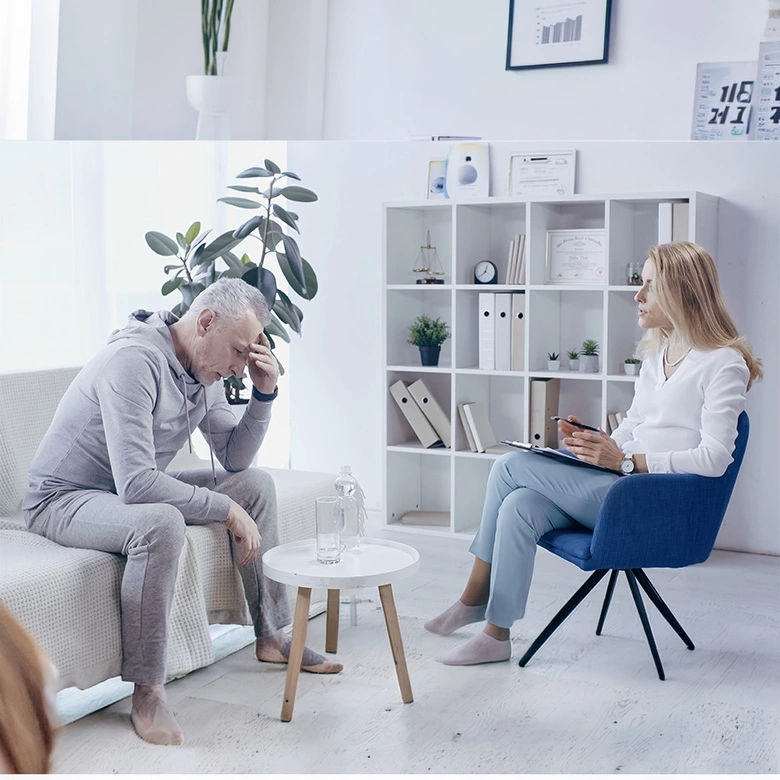
Every effort made to deal with video game addiction at home tends to have the same pattern: take away the device, watch the aggressiveness increase, give up after several days, and try again. This doesn't help because it never gets to the root of the problem and solves it. The professional treatment with our experienced therapists in Guwahati involves an approach different from that.
We create an offline structure and coping mechanisms before reducing the time spent playing; in the first two weeks, patients feel bored, restless, and socially anxious and are drawn to the game. Our team is prepared to address this situation and help them get through it without having to stop treatment.
Gaming should not be eliminated during recovery. In fact, most people who are in the process of recovery do continue gaming, but only at selected times and in controlled ways. The difference is that gaming is no longer the focus of identity, not the whole social world, and not the main tool for escaping unpleasant feelings.
How We Help
The Journey Back From Gaming Addiction
That first call to Athena is where things start to feel manageable again. It leads to a real conversation, a clinical assessment, and a treatment plan built around your family's actual situation.
Reach out to our confidential care team. You don't need a diagnosis ready; we'll ask the right questions and help you understand what's happening.
Based on the assessment, our psychiatrists recommend outpatient sessions, day-care, or residential gaming addiction rehab, depending on severity.
Individual therapy, family counselling, structured routines, and practical strategies for managing screen time and triggers.
Rebuilding sleep, relationships, performance, and healthier ways of handling stress.
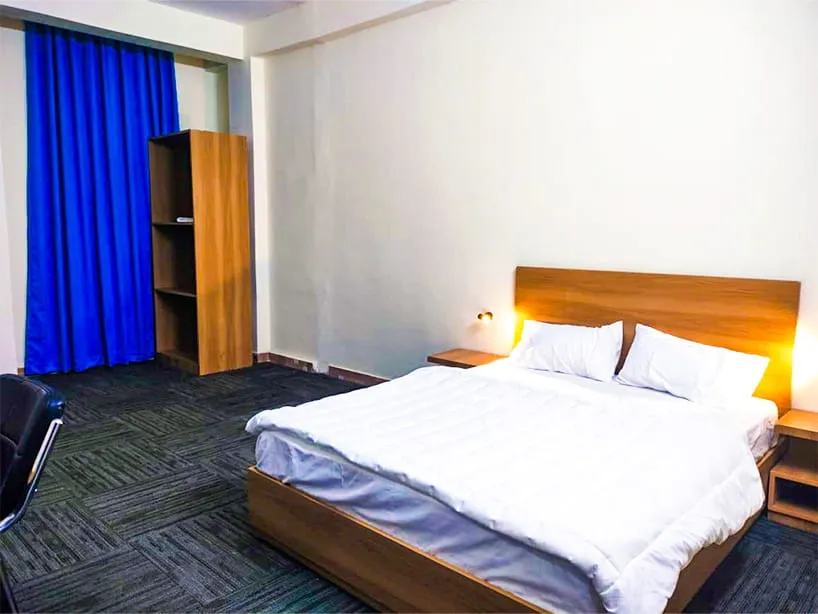
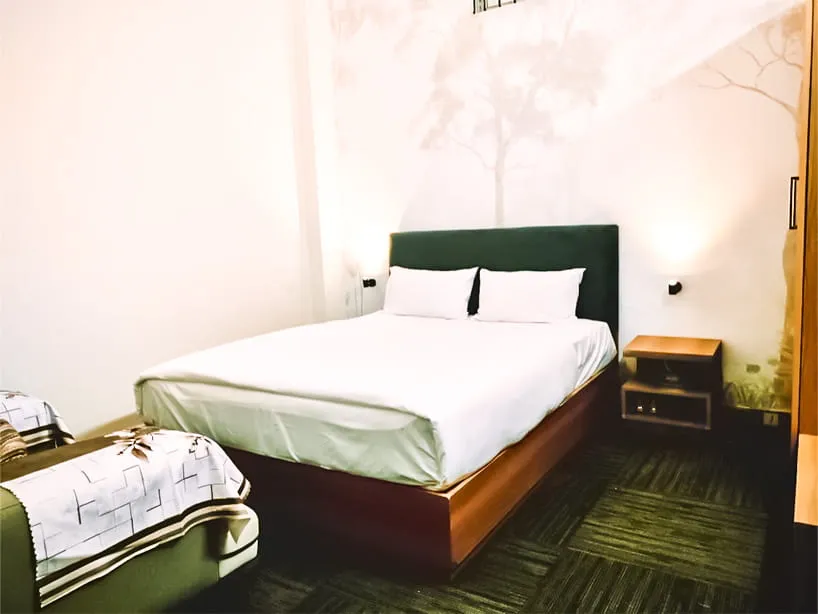
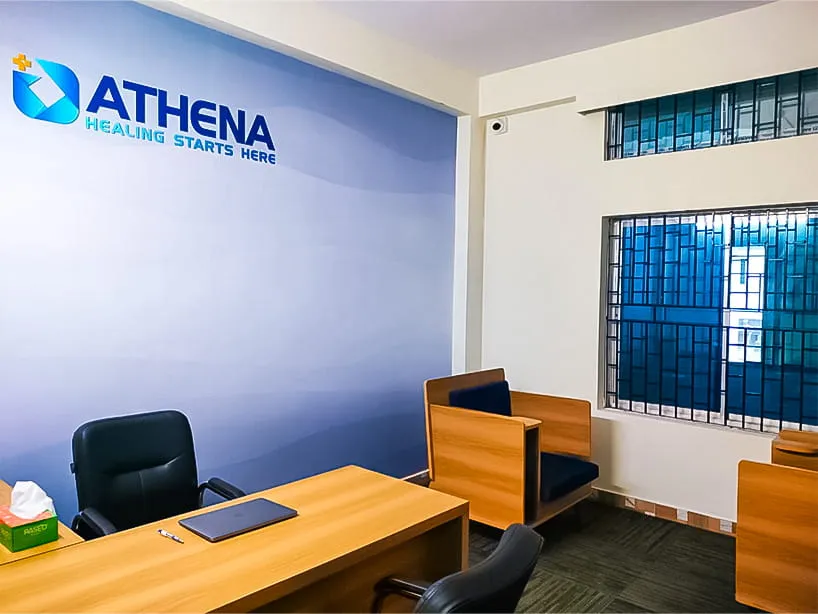
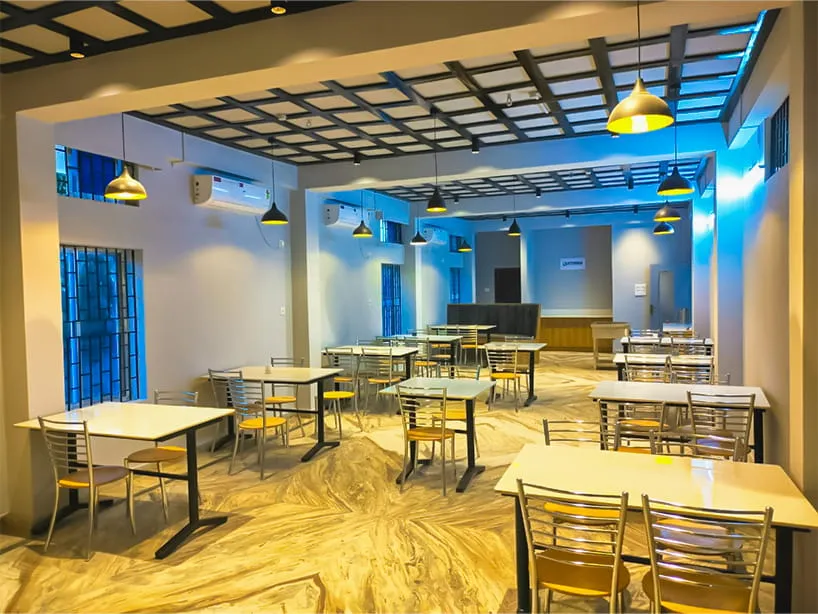
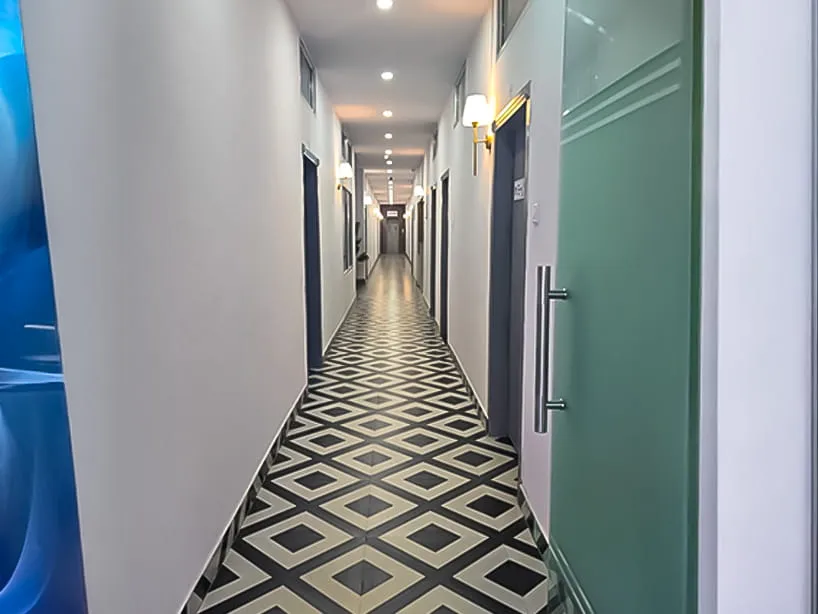
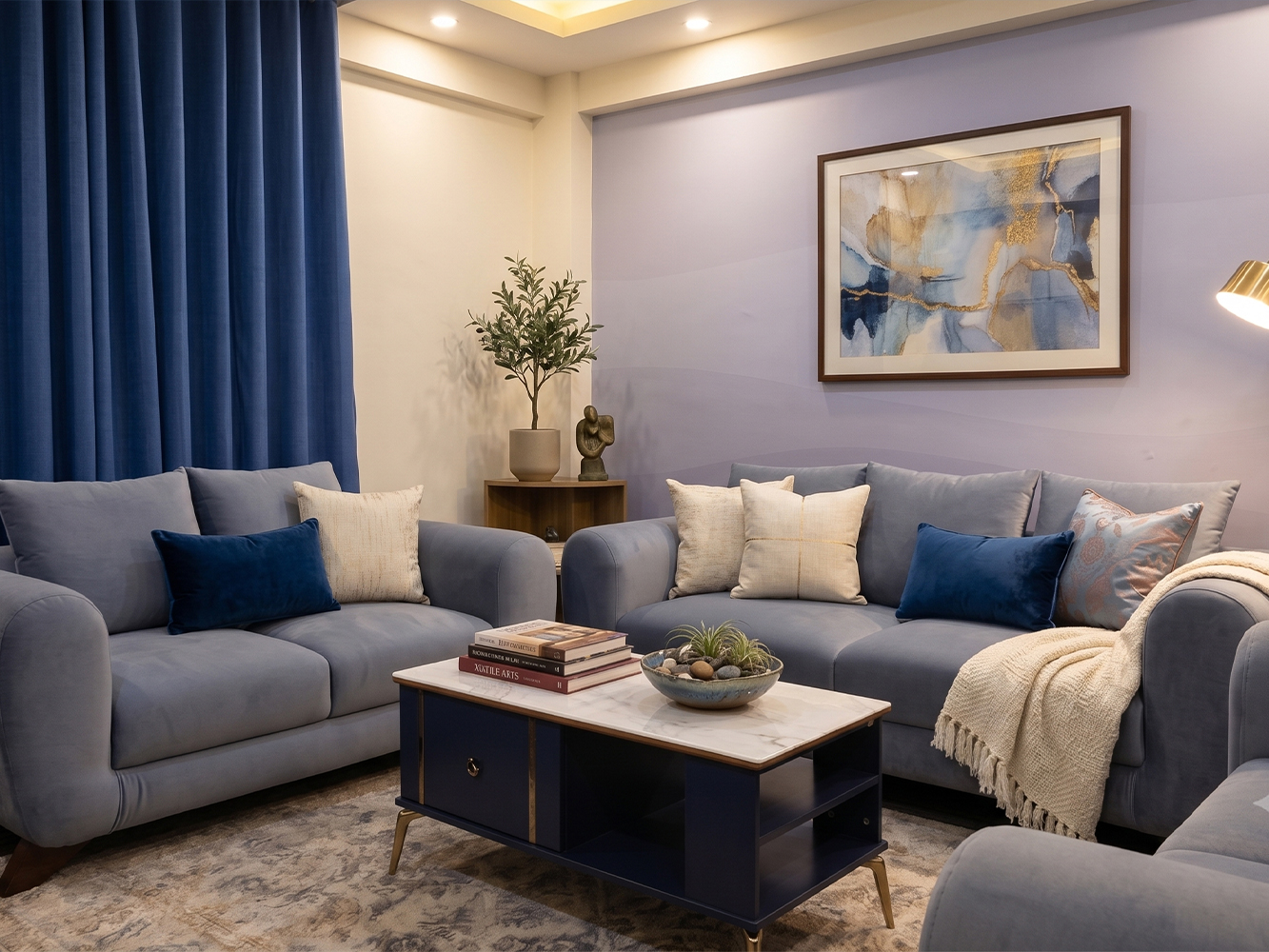
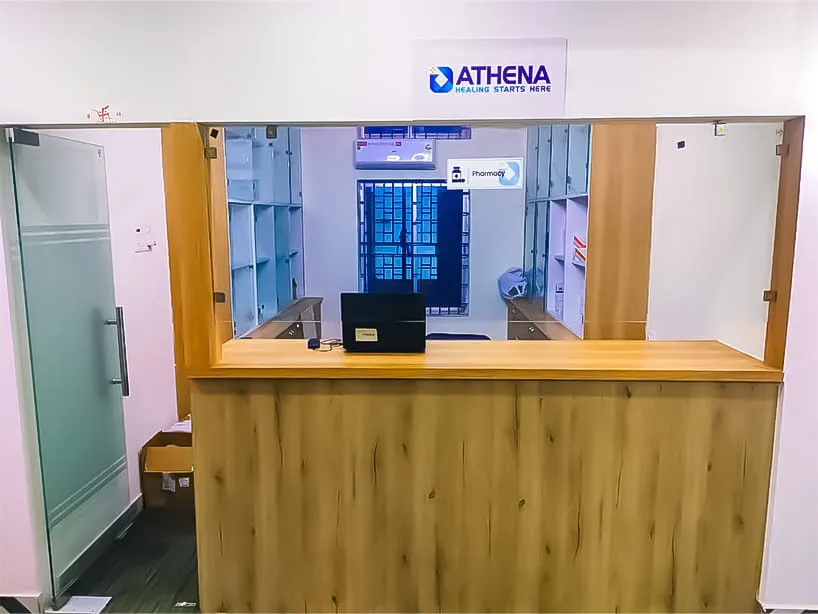
Take a Look Inside Our Guwahati Facility

Conditions We Treat















.png)






What Our Patients Say
Frequently Asked Questions
This is not about the game itself, but about the lack of control over playing it, and the person continues to play even when they are actually suffering from it. It is not about the game, but about a lack of control over playing it, and the person continues to play even when they are suffering from it.
Yes, it's a recognised problem in ICD-11 and is clinically equal to other behavioural addictions.
The symptoms vary in severity, although most people experience real results within a couple of months of regular treatment.
Gaming is often used as a way of managing anxiety, depression, and/or the symptoms of ADHD – we treat both of these together.
Be specific and concerned, not blaming, and consult our clinical team if you're unsure how to proceed.
Excessive lying about playtime, being irritated when stopped, poor grades or performance, poor sleep, and withdrawal from family and friends.
Yes, it can be successful in a stable home environment, but if the situation is more difficult, it's more suited for residential therapy.
Games are a real source of status and friendship, so quitting is like giving up something real, not a habit.
Recovery is usually about getting back in control, and many people return to play in controlled amounts.
Completely, nothing is shared with anyone without your explicit written consent.
How to reach Athena - Guwahati
Athena Behavioral Health, Guwahati
Athena Behavioral Health, Guwahati, Assam
Landmark: Guwahati
- Guwahati City
- Northeast India region
Contact us: +919289086193
Speak to Our Care Team - 24×7 Confidential Support
Confidential help is just a call or chat away. Our team is ready to listen - without judgment, without pressure.
