
Best Gaming Addiction Treatment in Delhi
Gaming addiction is a real, diagnosable condition, and it is treatable. At Athena Behavioral Health, we provide structured gaming addiction treatment in Delhi for children, teenagers, working professionals, and families who need a way back to normal life.
- Psychiatric Evaluation & Dual Diagnosis
- Structured Digital Detox Protocols
- Cognitive Behavioral Therapy (CBT)
- Relapse Prevention & Aftercare
- Family Counseling & Support
- Residential & Outpatient Care
Book Your Appointment

You Don't Have to Figure This Out Alone
All families who have called our addiction centre have attempted to handle this on their own for many months prior: hiding the router during the nighttime, confiscating phones, reaching a deal regarding how much time can be spent playing games, which only lasts for three days and then collapses. The method of treating gaming addiction implemented at our facility is centered on discovering what triggers the condition and coming up with solutions.
The clinicians at Athena Behavioral Health provide same-day, confidential evaluations of clients' situations at all centers in the Delhi-NCR region. The senior clinician will talk to you (or your loved one) personally and will assess the extent of the problem and decide where the patient should receive care - in an outpatient counseling program, in the day care program, or in the residential program, in case of serious problems with gaming addiction.
"If you're looking to treat gaming addiction or find the right programme or residential care centre, the first step is understanding the full situation, how severe it is, what's driving it, and what kind of support would genuinely help before deciding on the right path forward."
Our Dedicated Treatment Team for Gaming Addiction

Prof. (Dr.) Nimesh G. Desai

Dr. Ashish Mittal

Dr. Rahul Rai
Where Recovery From Gaming Addiction Actually Happens
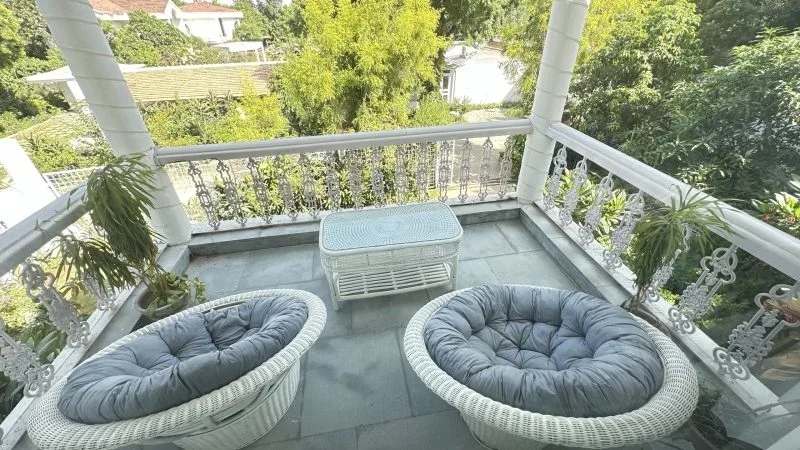
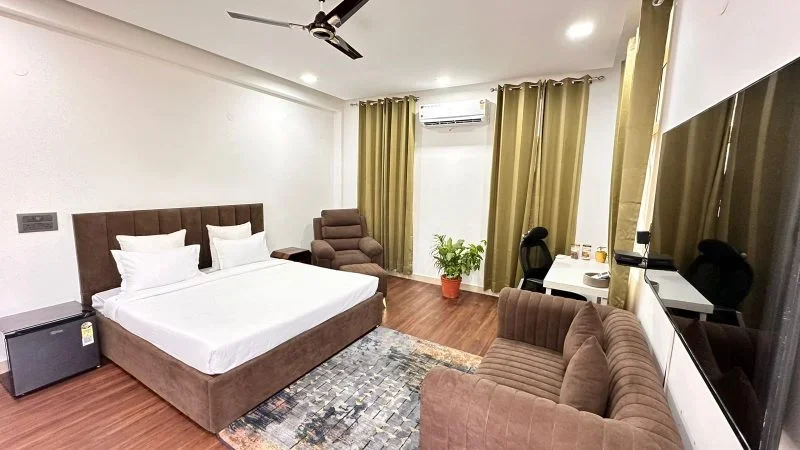
Private, single-occupancy rooms
so residents aren't sharing space with strangers during a vulnerable period.
Screen-managed environment
with structured, supervised access rather than sudden, jarring removal.
Separate wings and age-appropriate programming
for adolescents, young adults, and working professionals.
Chef-curated meals
that support sleep and mood regulation, both of which are usually disrupted by prolonged gaming.
On-site doctors around the clock
so any co-occurring anxiety, depression, or sleep disorder is caught and treated alongside the gaming pattern.
Complete confidentiality
is particularly important for corporate executives and public-facing professionals.
Clinical Excellence
Treatment Built by Psychiatrists, Not Just Counsellors

At Athena Behavioral Health, video game addiction treatment is not just any routine "detoxification program" for gamers that you will find in a wellness center. This treatment is administered by psychiatrists trained at AIIMS and NIMHANS, in collaboration with clinical psychologists who understand the ins and outs of the psychological aspects of today's gaming environment.
A comprehensive psychiatric and psychological evaluation of the individual to determine the underlying factors behind the gaming habit - be it academic stress, social anxiety, workplace stress, or some underlying mood disorder.
For severe cases involving extreme sleep disruption, aggression, or self-neglect, a short stabilization period in a calm, supervised setting is recommended. Individual therapy, family sessions, and, where relevant, group work with others going through similar struggles. We use evidence-based approaches like cognitive behavioral therapy and motivational interviewing rather than simply removing access and hoping the urge disappears. The clinical framework supports our internet and mobile addiction treatment programme, since gaming disorder and broader internet overuse frequently overlap and need to be assessed together.
Modern Lifetime Challenges
Why Gaming Addiction Is a Growing Crisis in Delhi
India has emerged as one of the largest mobile game-playing countries, and Delhi-NCR, which has many students, young professionals, and office-goers, is the epicenter of this development. Affordable mobile internet and free-to-play games make extended gaming very convenient, while in-game transactions might build up a psychological resistance to quitting. This scenario has led to an increasing requirement for professional gaming addiction rehabilitation facilities in India.
Games like BGMI are designed with features that encourage continuous gameplay and social engagement through teamwork, making them especially difficult to step away from. Identifying this behavior early is essential for families who wish to help their loved ones with internet gaming disorder, ideally before it starts impacting studies, work, relationships, or other important areas of life. Consulting an experienced psychiatrist in Delhi at this stage can make a meaningful difference, ensuring timely intervention and a structured path toward recovery.
The COVID-19 outbreak has further worsened the online dependency issue among many adolescents. Added to it are frequent exposure to gaming influencers and esports content, which makes heavy gaming look natural.
If someone in your family is also struggling with excessive phone use beyond gaming specifically, our social media addiction treatment programme addresses the wider pattern of screen dependency.
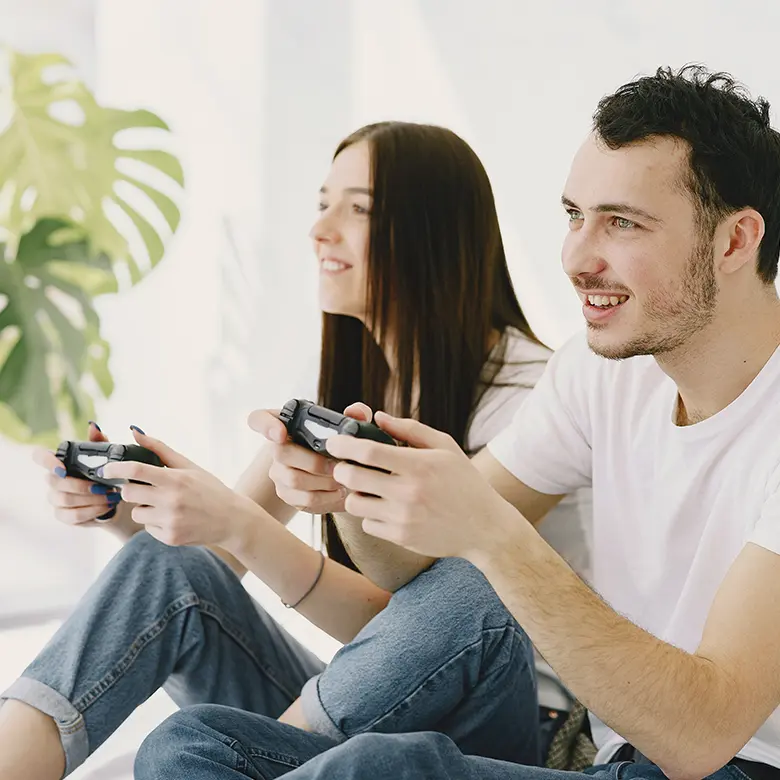
Where Gaming Addiction Shows Up First
| Area of Life | Early Warning Sign | Why Families Often Miss It |
| Sleep | Consistently gaming until 2-3 AM, then struggling to wake for school or work | Mistaken for normal teenage sleep habits or exam-season stress |
| Money | Repeated in-game purchases, borrowing cash, or secrecy around spending | Assumed to be a one-off splurge rather than a recurring pattern |
| Mood | Irritability or restlessness that appears specifically when access is cut off | Chalked up to a "bad mood" or general moodiness of the age group |
| Hygiene & Meals | Skipping showers or meals to avoid stepping away from a session | Seen as laziness rather than a sign of compulsive behaviour |
| Relationships | Turning down plans with friends or family in favour of gaming | Read as introversion or a passing phase, not withdrawal |
Signs It's Time to Call, Not Wait
Addiction and compulsive behaviour patterns rarely improve without intervention. They usually progress quietly until a crisis forces the issue.
Gaming Late Into the Night
Gaming sessions regularly continue past midnight, disrupting sleep and leaving the person tired, unfocused, or unable to function normally the following day.
Extreme Distress When Gaming Stops
Becoming unusually angry, aggressive, restless, or highly distressed when a phone, computer, or gaming device is taken away.
Neglecting Personal Care
Skipping meals, showers, hygiene, exercise, or other basic self-care because continuing to play feels more important.
Declining Academic or Work Performance
Grades begin to fall or work deadlines are missed, while the person may dismiss the changes as a lack of interest rather than recognising the role gaming is playing.
Withdrawing From Offline Life
Losing interest in friends, family, hobbies, sports, and other offline activities that were previously enjoyable or important.
Hiding or Lying About Gaming
Lying about how long they have been playing, minimising their gaming time, deleting activity records, or hiding gaming devices from others.
Not Sure If This Is You? Talk to a Specialist
Confidential Support, available 24×7
About Therapy At Athena
What Actually Happens in Treatment
Restoring What Gaming Has Replaced
Internet gaming addiction treatment at Athena Behavioral Health does not focus only on eliminating gaming. The goal is to understand what gaming has replaced in a person's life and rebuild those areas. For a teenager, this may mean addressing self-worth that has become tied to in-game rankings or achievements. For a working professional, it may involve developing healthier ways to manage stress, burnout, or emotional pressure that previously led them to play.
Individual Therapy & Family Counselling
Gaming addiction Treatment sessions may include individual psychotherapy, family counselling, and structured daily routines. Patients work on improving emotional regulation, relationships, and coping skills while gradually rebuilding healthy routines around sleep, meals, exercise, work, education, and activities outside gaming.
Managing the Early Challenges of Recovery
The first few weeks after significantly reducing gaming can be difficult. Boredom, irritability, restlessness, and strong urges to return to gaming may occur as the person adjusts to a different routine. The Athena Behavioral Health clinical team helps patients and families understand these challenges and develop practical strategies to manage them.
Support for Children & Adolescents
For younger patients, our child and adolescent psychiatry specialists work closely with parents to establish consistent and sustainable device boundaries at home. Parents are guided on how to set clear expectations and maintain them consistently, rather than relying on repeated restrictions that are difficult to sustain.
Why Choose Us
What Makes Athena a Trusted Gaming Addiction Treatment Center in India
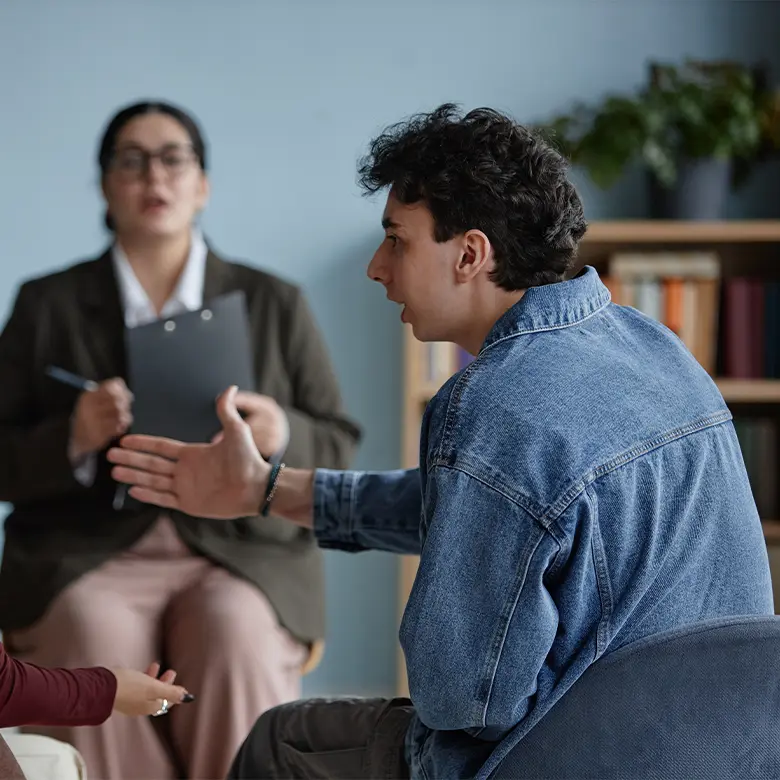
Not every person needs to stay in a facility. For those whose symptoms are manageable and whose home environment is stable, Athena Behavioral Health's day care programme offers structured therapy and clinical supervision during the day, while the person continues to sleep at home and stay close to family. It works well for students and working professionals who need strong support without a complete break from daily routine.
Treatment is tailored to age and individual needs, recognising that a child, teenager, and working professional may require very different forms of support. Family involvement is built into the process because lasting recovery often requires changes within the home environment. Athena also prioritises complete discretion, which can be particularly important for corporate professionals and public-facing individuals.
Recovery does not end when a person leaves the centre. Athena provides structured aftercare to support long-term progress and help prevent setbacks. The programme reports a 91% completion rate, while 98% of families report that they would recommend us to others, reflecting the importance placed on consistent, personalised, and family-focused care.
How We Help
Support for Every Stage of the Family's Journey
Recovery looks different depending on who's asking for help, so our approach adjusts accordingly.
We help you tell normal teenage gaming apart from a pattern needing clinical attention, and coach the first conversation so it doesn't become a shouting match.
We address the isolation and resentment that builds when someone disappears into a screen nightly, while treating the compulsion directly.
Confidential outpatient options, in most cases, mean treatment fits around a career rather than derailing it.
Reaching out yourself is often the fastest path to change. No family pressure required.
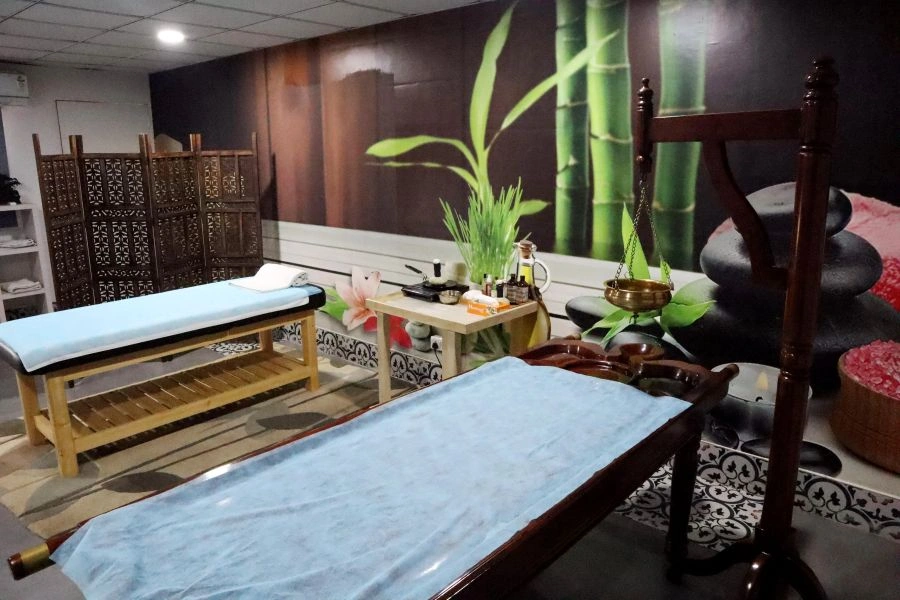
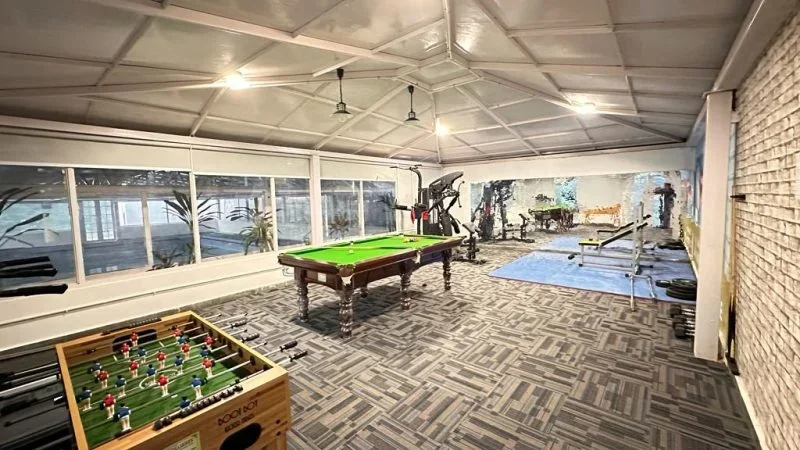
Take a Look Inside Our Delhi Facility




Conditions We Treat















.png)






What Our Patients Say
Frequently Asked Questions
Internet Gaming Disorder is recognized as a legitimate behavioral health disorder and not a mere disciplinary issue. It uses similar reward and compulsion mechanisms found in addiction, which is why it is hard to overcome using just willpower.
It depends on the extent of the problem. Most cases are treated through outpatient counseling and family sessions. The more severe cases, including violent behavior and total functional disruption, might require an inpatient admission.
We provide same-day and next-day evaluations. You can call our helpline, and we will assist you instantly with all the next steps.
Too much time spent playing games, lack of sleep, dropping grades, isolation from others, lack of attention to personal hygiene, and getting irritated while being asked to stop playing.
Family therapy improves communication within the family and helps to set consistent and realistic limits for gaming.
The hallmark is loss of control: the person wishes to stop or reduce gaming, tries to do so, but cannot maintain it, as sleep, relationships, education, and occupation suffer as a result.
Sure. Addiction treatment aims at regaining control over the behavior, not lifelong abstinence. Many recovering patients continue to play games in controlled, moderate amounts.
Yes. Evaluations, admissions, and all records are handled confidentially, especially for corporate individuals and personalities.
Yes. Gaming disorders can accompany anxiety, depression, sleep disorders, or other mental conditions.
In the case of gaming that influences sleep, studying, working, social life, and family responsibilities.
How to reach Athena - Delhi
Athena Luxus, Delhi
Athena Luxus, South Delhi, New Delhi
Landmark: South Delhi
- South Delhi
- Central Delhi
- Gurugram border areas
- Noida border areas
Contact us: +919289086193
Speak to Our Care Team - 24×7 Confidential Support
Confidential help is just a call or chat away. Our team is ready to listen - without judgment, without pressure.
