
Best Gambling Addiction Treatment in Greater Noida
Athena Behavioral Health provides gambling addiction treatment in Noida for exactly this point, when the debt has stopped being explainable, and there's no version of events that holds up anymore.
- Confidential Psychiatric Evaluation Within 24 Hours
- Combined Support for the Addiction and the Financial Fallout
- One-on-One Psychotherapy & Counselling for Gambling Disorder
- Family Sessions Focused on Rebuilding Trust, Not Assigning Blame
- Private Consultation Rooms, No Shared Waiting Areas
- Relapse Planning Built Around High-Risk Periods Like Cricket Season
Book Your Appointment

Most Families Reach Out Once the Debt Has Already Outgrown the Excuses
Gambling disorder treatment in Noida usually comes up at one of two points: right after a loss that's too big to absorb quietly, or right after a family member finally uncovers how deep it actually goes. Neither point is too late to act. The pattern almost always begins with a few early wins that feel like proof of skill, wins that quietly become the justification for continuing even as losses start piling up. Savings go first, then credit, then money borrowed from people who trust whatever story is being told. By the time the borrowing turns into actively hiding where it went, the gambling has stopped being about winning and become about something else entirely.
At Athena Behavioral Health, gambling addiction treatment centers in Noida begin with a full Psychiatric Assessment & Diagnosis, not a conversation centered only on how much has been lost. A psychiatrist works to understand what's actually driving the behavior, whether it's the thrill of the bet, financial pressure that spiraled out of control, or an emotional strain the gambling has been masking, before a treatment plan is built. Families often tell us this is the first time someone has treated the compulsion itself as the real problem, rather than just the money.
"If someone expresses suicidal thoughts tied to unmanageable gambling debt, treat it as a medical emergency. Contact your local emergency number or the nearest hospital right away. A person's safety comes before the financial situation, always."
Our Dedicated Treatment Team for Gambling Addiction

Prof. (Dr.) Nimesh G. Desai

Dr. Tanul Jain

Dr. Prachi Jain
What Gambling Addiction Treatment in Greater Noida Looks Like From the First Session
We Start With the Full Story, Not Just the Losses
The first evaluation covers how the gambling began, how it escalated, and what emotional or financial pressures have kept it going.
The Debt Gets Faced, Not Managed Alone
We support patients and families in engaging honestly with the financial reality, since continued concealment tends to block real recovery just as much as the gambling itself.
No Waiting Room Exposure
Scheduling is arranged so patients never have to sit near someone they might recognize.
Therapy Targets the Actual Urge
Individual Psychotherapy & Counselling works through the compulsion to chase losses and the thinking patterns that sustain it, not just the surface behavior.
Family Sessions Focus on What Comes Next
Sessions begin once the patient is ready and are centered on honesty going forward, rather than reliving every past deception in one sitting.
Aftercare Accounts for High-Risk Periods
Cricket season and major tournaments are known relapse risks, so the aftercare plan includes specific steps for those periods rather than a generic follow-up schedule.
Clinical Excellence
A Team That Treats Gambling as a Behavioral Disorder, Not a Money Management Problem
Gambling disorder, in our view, is not merely an issue of lack of financial self-discipline; it is a condition with its own patterns and triggers that can be treated with outpatient care. It is important to understand that tackling one's debt without getting to the bottom of their gambling problem will hardly help to avoid repeating the same mistake in the future. Lasting change begins with understanding what drives the behavior.

Each case is unique, and a client lured into gambling by the appeal of sports betting during a major competition cannot be handled the same way as another person playing rummy or casino games online as a form of escape from problems in his family life. Recognizing this difference early allows the treatment plan to address the real cause instead of only the visible symptoms.
This is largely the reason why patients looking for gambling addiction treatment centers in Noida come to see us by referral, as our program is tailored to the specific pattern, not a standard protocol. Every patient receives care built around their own triggers, history, and goals, which keeps the treatment practical, relevant, and realistic from the very first session.
There is only one doctor who handles the client from the initial assessment through discharge. This means the patient never has to repeat their story to someone new, and the same clinician who understands their journey stays involved at every stage. Such continuity builds trust, encourages honesty, and makes lasting recovery far more likely.
Modern Lifetime Challenges
Why Gambling Slips Past Notice in a City Like Noida
Easy, constant access to betting apps, heavy exposure to gambling advertising during cricket season, and a growing corporate and student population under real financial and academic pressure all make it simple for gambling to take hold before anyone around notices. What looks like a casual bet placed during a match can, for some people, quietly turn into a pattern that consumes far more time, money, and attention than anyone realizes. Over time, the thrill of a small win and the urge to win back a loss can start replacing healthier ways of dealing with stress, boredom, or pressure, and when this begins in the teenage years, early support from child and adolescent psychiatry can stop the pattern from settling in.
There's a real difference between someone who gambles occasionally and someone who has developed a disorder around it. Understanding where that line falls helps individuals and families recognize the problem early, before the financial and emotional damage becomes much harder to undo.
Occasional Gambling: Doesn't affect finances, relationships, or daily responsibilities in any serious way. The person sticks to clear limits on time and money, can walk away whenever they choose, and doesn't feel restless, guilty, or distressed when they stop betting.
Gambling Disorder: Losses get chased with money meant for other things, debt accumulates, and the extent of it is hidden from the people closest to the person. Over time, work or study performance, trust in relationships, and emotional health begin to suffer, and attempts to cut back or quit often end in repeated relapse.

What Kind of Gambling Are We Actually Talking About?
Two people in Noida can both be described as "gambling too much" and still be dealing with entirely different problems underneath, one might be caught up in tournament-season betting that flares up and fades, another might be quietly placing bets every night as a way of coping with something that has nothing to do with cricket at all. Treating both the same way rarely works, which is why the first consultation focuses less on how much has been lost and more on what the gambling is actually doing for the person.
| How It Shows Up | What It Often Looks Like | Care Approach Generally Recommended |
| Event-Driven Betting | Activity spikes around cricket tournaments or specific matches, then largely settles down afterward | Brief consultation focused on building awareness before the next season, plus practical safeguards |
| Stress-Coping Gambling | Regular use of rummy or casino apps to manage stress, boredom, or a difficult period at home | Individual psychotherapy addressing the emotional trigger, not just the betting itself |
| Chasing-Loss Cycle | Repeated bets placed specifically to recover money already lost, with limits set and broken | Structured weekly therapy targeting the chasing pattern and the thinking that drives it |
| Concealed Debt Pattern | Borrowing across multiple sources, hidden spending, financial deception discovered by family | Combined therapy and financial-disclosure support, with family sessions introduced gradually |
| Crisis-Level Distress | Panic, hopelessness, or suicidal thoughts tied directly to the scale of the debt | Immediate stabilisation with round-the-clock psychiatric support |
The Signs Families Usually Notice Only in Hindsight
By the time the majority of families get involved, the point of breakdown has already occurred, and there is already an incident where the spouse has discovered the betting, a phone call from a creditor to the home, when in fact what had been occurring for many months or even years before that.
Money That Does Not Add Up
Unexplained shortages in the joint checking account, maxed-out credit cards, or loans that do not make sense in relation to anything that can be seen.
Frequent Borrowing with Variable Explanations
Begging for money frequently from friends and relatives, and each time the explanation is that the loan is temporary.
Cautiousness with Cell Phone and Banking Applications
Defensive reaction or secretive behavior when questions are asked about expenditures or banking application use.
Mood Fluctuation with Winning/Losing
High mood after winning, then irritability or withdrawal after losing.
Repeated Pledges to Stop Betting That Are Unfulfilled
Pledges to stop betting following a large loss and return to betting soon after.
Denial When Evidence is in Their Face
Claiming that there is no problem despite evidence in their own bank statements or betting application messages.
Not Sure If This Is You? Talk to a Specialist
Confidential Support, available 24×7
About Therapy At Athena
The Actual Path From First Call: Gambling Addiction Treatment in Noida
Step One, Full Evaluation
A psychiatrist conducts a complete Psychiatric Assessment & Diagnosis, covering gambling history, emotional triggers, financial circumstances, and any co-occurring concerns like anxiety or depression.
Step Two, Structured Therapy
Individual Psychotherapy & Counselling targets the urges and thought patterns behind the gambling, helping the patient build real tools for resisting the pull to chase losses.
Step Three: Facing the Financial Reality
Patients are supported in engaging honestly with the debt instead of continuing to hide it, often alongside family involvement once the patient is ready for that step.
Step Four, Rebuilding Trust and Routine
Family sessions, a structured daily routine, and Mindfulness, Yoga & Wellness practices help the person manage stress without returning to gambling, while relationships strained by the deception are rebuilt gradually.
Why Choose Us
We Address the Compulsion and the Fallout as One Process

In all plans developed at our clinic, both the psychiatrist and the therapist develop a plan based on the same assessment of the patient's condition and do not consider addiction and finances as two distinct issues. Working from one shared picture keeps the treatment consistent, so the patient never receives conflicting advice about what to focus on first.
The process of overcoming an addiction doesn't end when the initial crisis is overcome. For patients who require a more frequent routine than just once a week, there is the Day Care Programme, which provides a few supervised hours at the clinic daily while the person lives at home, especially during the early weeks of rehabilitation, which are the most delicate. This structure offers steady support and accountability without taking the person away from family life.
For those professionals who started developing their gambling due to problems in their professional life, we collaborate with their employer through corporate wellness programmes. This allows support to be arranged discreetly and sensibly, so the patient can focus on recovery without the constant worry of risking their career.
How We Help
What Happens Between Your First Message and Ongoing Recovery
Reaching out is usually the hardest part, especially with the shame that tends to come with gambling debt. Here's what follows once you do.
Call or message us on WhatsApp to get a same-day reply confirming your first appointment.
A psychiatrist reviews gambling history, financial circumstances, and emotional triggers, either in person or through a private video consultation.
Individual therapy, family sessions, and, where appropriate, our Day Care Programme, are combined based on what the specific situation actually calls for.
Scheduled follow-ups continue after discharge, with particular attention to high-risk periods, such as major cricket tournaments.
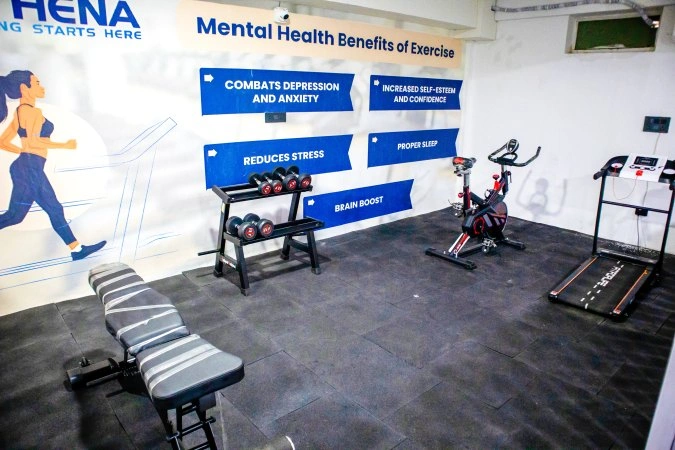
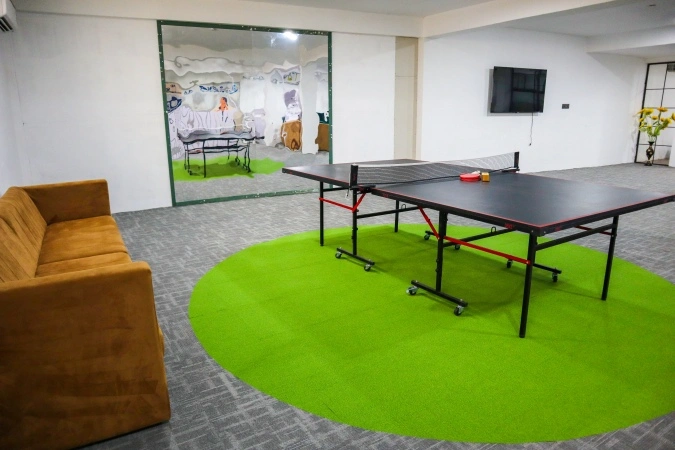
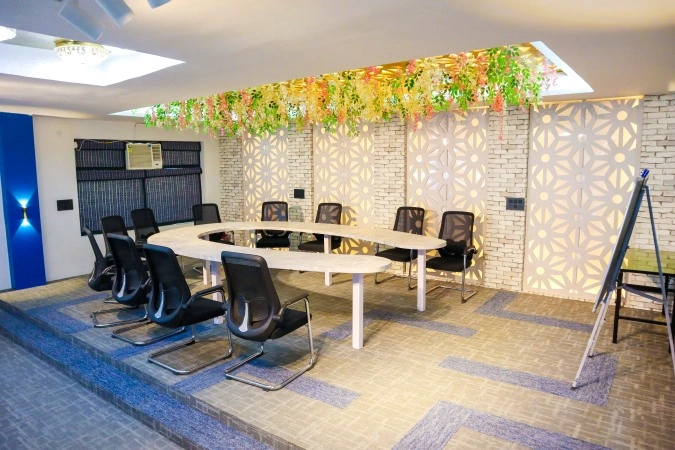
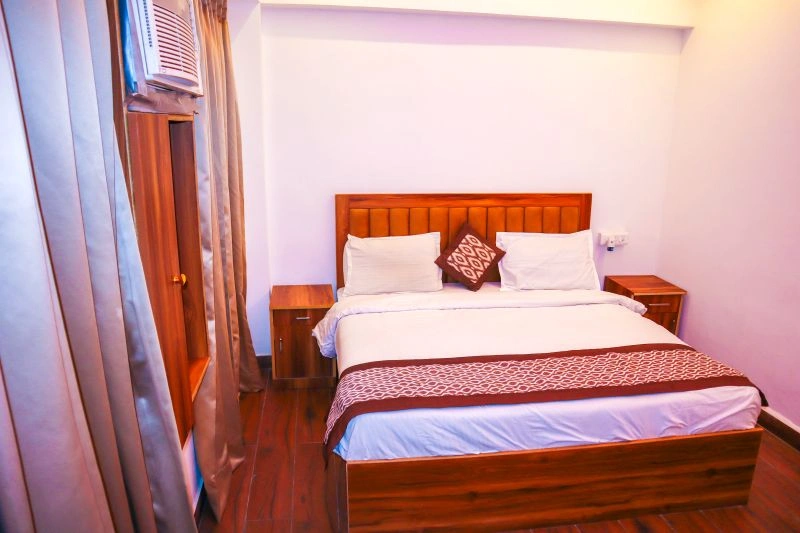
Take a Look Inside Our Noida Facility




Conditions We Treat















.png)






What Our Patients Say
Frequently Asked Questions
Treatment addresses the compulsive behavior and the financial crisis together, since continued concealment of debt tends to feed further gambling. A structured, realistic repayment plan, often developed with a trusted family member, runs alongside individual therapy targeting the addiction itself.
Yes, A private video consultation is available to anyone who wants to begin the process before committing to an in-person visit.
Not necessarily, Where anxiety, depression, or another co-occurring condition is present, it may be addressed as part of the broader plan and reviewed regularly. Many patients complete treatment primarily through psychotherapy and counselling.
The period of major tournaments implies increased exposure to advertisements and social pressure, and therefore, it is often mentioned as one of the high-risk periods in case of relapse. The aftercare program at Athena takes that into consideration as well, instead of expecting recovery to neutralize it.
It is helpful in reducing the risk; however, it does not solve the problem of gambling by itself. Such a method works best when it is combined with psychological therapy that treats the reasons for gambling.
The clinical work on the underlying compulsion is largely the same. Still, the practical safeguards differ: app and device restrictions on online platforms versus addressing social circles and cash access for offline betting.
Appointments are scheduled so patients never overlap, and every consultation happens in a private room by default. This is standard practice here, not something you need to request specially.
Start by calling yourself first to understand exactly what the evaluation and treatment process involves. Families tend to be more effective at encouraging a loved one once they know what's actually being offered.
It is not required in most cases; however, in some cases, it might be used in case of an acute mental condition caused by a financial situation. Most patients get treatment using outpatient and day care treatment methods.
An hour-long discussion of gambling history, financial circumstances, emotional triggers, and previous attempts to stop it is conducted by a psychiatrist within the Psychiatric Assessment & Diagnosis procedure.
How to reach Athena - Noida
Athena Behavioral Health, Noida
opposite Vaibhav Heritage, near Ek murti chowk, Sector 16B, Roza Yakubpur, Greater Noida, Uttar Pradesh 201318
Landmark: Near Ek murti chowk, Sector 16 B,
- Sector 18, 62, 63, 71
- Greater Noida
- Noida Extension
- Ghaziabad border areas
Contact us: +919289086193
Speak to Our Care Team - 24×7 Confidential Support
Confidential help is just a call or chat away. Our team is ready to listen - without judgment, without pressure.
