
Best Gambling Addiction Treatment in Guwahati
Athena Behavioral Health's gambling addiction treatment in Guwahati begins right here, once the debt can no longer be explained away.
- Same-day confidential evaluation
- Debt and addiction addressed together
- 1:1 psychotherapy for gambling disorder
- Trust-focused family sessions
- Fully private consultations
- Aftercare timed to high-risk seasons
Book Your Appointment

Most Families Reach Out Once the Debt Has Already Outgrown the Excuses
Gambling disorder treatment in Guwahati typically presents itself during one of two times: immediately following a loss that is large enough to not be absorbed easily, or following the discovery by someone within the family just how bad it actually is. Neither of these is necessarily too late a stage to seek help. It all invariably starts with a couple of small wins that make the person believe that he/she is an accomplished gambler, with those initial wins being the very reason why he or she continues despite accumulating losses. Money saved, money earned, and money borrowed from those willing to listen to him or her lie come next.
At Athena Behavioral Health, gambling addiction treatment centers in Guwahati begin with a full Psychiatric Assessment & Diagnosis, not a conversation centered only on how much has been lost. A psychiatrist works to understand what's actually driving the behavior, whether it's the thrill of the bet, financial pressure that spiraled out of control, or an emotional strain the gambling has been masking, before a treatment plan is built. Families often tell us this is the first time someone treated the compulsion itself as the real problem, instead of just the money.
"If someone expresses suicidal thoughts tied to unmanageable gambling debt, treat it as a medical emergency. Contact your local emergency number or the nearest hospital right away. A person's safety comes before the financial situation, always."
Our Dedicated Treatment Team for Gambling Addiction

Prof. (Dr.) Nimesh G. Desai

Dr. Sushil Agarwalla

Dr. Sahil Agarwal
What Gambling Addiction Treatment in Guwahati Looks Like From the First Session
Full Story First, Then the Bad Parts
Evaluation one deals with where the gambling originated from, how it progressed, and any emotional or financial stressors keeping it alive.
Dealing With the Debt, Not Dealing With It In Secret
We encourage our patients and their families to come face-to-face with their finances because continued secrecy can prevent recovery in the same way that gambling does.
No Public Sitting Areas
Patients will not be scheduled to wait in rooms where they may run into someone they know.
Therapy Tackles the Compulsion
Individual Psychotherapy & Counseling targets the urge to gamble in order to regain lost money as well as the mental thought process behind it.
Family Therapy Talks About the Future
Family sessions start once the patient is ready to go forward in an honest manner, without spending the session dwelling on every past lie.
Aftercare Takes Into Account Risk Factors
Cricket tournaments are times of higher risk for relapse, so the aftercare plan is made accordingly.
Clinical Excellence
A Team That Treats Gambling as a Behavioral Disorder, Not a Money Management Problem
Our psychiatrists and therapists approach gambling disorder as a clinical condition with its own distinct patterns and triggers, not simply as a matter of poor financial discipline. This distinction matters because addressing the debt without treating the underlying compulsion rarely stops it from happening again. Lasting recovery depends on understanding why the behavior began and what keeps it going.

No two cases look the same. Someone who is pulled in through sports betting during a big tournament needs a different approach than someone using online rummy or casino apps as an escape from stress at home. Understanding that difference is where good treatment begins, and it shapes every decision that follows in the plan, from therapy methods to family support.
This is a large part of why people searching for gambling addiction treatment centers in Guwahati tend to reach us through a referral, because the plan reflects the actual pattern, not a fixed template. Each patient receives care built around their own triggers, history, and goals, so the treatment feels relevant, practical, and realistic from the very first session.
The same clinician follows a patient from the first evaluation through discharge, so the full history doesn't need to be repeated to someone new midway through. This continuity builds trust and keeps care consistent, which helps patients stay open, engaged, and committed to recovery, especially during the difficult moments when the urge to gamble returns.
Modern Lifetime Challenges
Why Gambling Slips Past Notice in a City Like Guwahati
Easy and consistent access to betting apps, frequent gambling ads in the cricket season, an increase in student population living away from their homes for the first time, as well as financial pressure associated with a rapidly changing job market, make it easy for gambling to occur before anyone even realizes what is going on. The seemingly harmless wagering activity during the game can, for some individuals, quietly become a habit that takes up much more time, money, and focus than anyone thinks. Over time, the excitement of a small win and the urge to recover a loss can begin to replace healthier ways of coping with loneliness, stress, or uncertainty.
There is an important distinction between occasional gambling and having a gambling disorder. Understanding where that line falls helps individuals and families notice the problem early, before the financial and emotional damage becomes much harder to reverse. Warning signs such as chasing losses, borrowing money to play, hiding bets from family, and feeling restless or irritable when trying to stop often appear well before the full extent of the debt is known. A detailed evaluation with an experienced psychiatrist in Guwahati can separate casual betting from a genuine disorder, identify co-occurring conditions such as anxiety or depression, and shape a plan around what is actually driving the behavior.
Occasional Gambling: Does not impact finances, relationships, or responsibilities in any meaningful way. The person sticks to clear limits on time and money, can stop whenever they choose, and does not feel restless, guilty, or distressed when they step away from betting.
Gambling Disorder: Losing money is attempted to be compensated with money set aside for something else, debts accumulate, and the extent of them is concealed from those close to the individual. Over time, work or study performance, trust in relationships, and emotional wellbeing begin to suffer, and attempts to cut back or quit often end in repeated relapse.

Every Gambling Story Doesn't Start the Same Way
In Guwahati, we see gambling take hold through very different routes, a student new to hostel life turning to a rummy app out of loneliness, a working professional pulled into betting circles during match season, someone using online gambling to cope with a stressful job market. The right response depends heavily on which of these is actually happening.
| What's Driving It | What It Often Looks Like | Care Approach Generally Recommended |
| Social or Peer-Led Betting | Gambling tied to friend circles or hostel life, often starting as a way to fit in or stay connected | A focused consultation addressing the social trigger, with practical boundaries around access |
| Season-Linked Betting | Activity rises sharply during cricket tournaments and settles down once the season ends | Brief structured guidance ahead of high-risk periods, with relapse planning built in |
| Escape-Driven Gambling | Regular use of betting or rummy apps to manage loneliness, stress, or pressure from a new job or city | Individual psychotherapy focused on the underlying emotional driver, not just the betting |
| Loss-Chasing Pattern | Bets placed specifically to recover money already lost, with self-set limits repeatedly broken | Structured weekly therapy targeting the chasing cycle and the thinking behind it |
| Debt-Concealment Stage | Borrowing from multiple sources, hidden transactions, deception uncovered by family or employer | Combined therapy and financial-disclosure support, with family sessions introduced gradually |
| Crisis-Level Distress | Suicidal thoughts or severe distress tied directly to the scale of the debt | Immediate clinical stabilisation with round-the-clock psychiatric support |
The Signs Families Usually Notice Only in Hindsight
Most families only step in once there's a clear breaking point, a spouse finding the statements, a lender calling the house directly, when in reality the pattern had usually been building for a long time before that.
Money That Doesn't Add Up
Gaps in joint accounts, maxed-out credit cards, or loans that don't correspond to anything visible.
Frequent Borrowing With Shifting Explanations
Repeated requests for money from friends or family, always framed as short-term and urgent.
Guarded Behavior Around Phones and Banking Apps
Defensiveness or secrecy the moment questions come up about spending or app activity.
Mood That Swings With Wins and Losses
Noticeable highs after a win, followed by irritability or withdrawal after a loss.
Repeated Promises to Quit That Don't Hold
Swearing off betting after a big loss, then returning to it within days or weeks.
Denial Even With Evidence in Front of Them
Insisting there's no real issue even when bank statements or betting app messages say otherwise.
Not Sure If This Is You? Talk to a Specialist
Confidential Support, available 24×7
About Therapy At Athena
The Actual Path From First Call: Gambling Addiction Treatment in Guwahati
First Step, Full Evaluation
The psychiatrist does the Psychiatric Assessment & Diagnosis, including gambling experience, emotional causes, financial situation, and any additional problems, such as anxiety or depression.
Second Step, Structured Therapy
Individual Psychotherapy & Counselling helps a patient deal with his impulses and psychological patterns behind gambling in order to develop coping strategies.
Third Step, Facing the Debt
Patients get the chance to start dealing with their debts openly rather than hiding from them, and this step is also accompanied by family therapy when patients are ready for it.
Fourth Step, Building Trust & Daily Routines
Family sessions, daily structure, and Mindfulness, Yoga & Wellness will help a person to deal with stress without going back to gambling, and broken relationships because of lying will be rebuilt slowly.
Why Choose Us
We Address the Compulsion and the Fallout as One Process

Most places treat the money and the mind as separate cases handled by separate people. Here, one clinician carries the full picture from evaluation through discharge, so the debt conversation and the therapy actually inform each other instead of running on parallel tracks that never meet. Recovery has a timeline that extends past the crisis point. Patients don't just walk away with a discharge summary; they get a specific plan for the weeks around major tournaments, since that's when old habits are most likely to resurface, not a vague reminder to "stay careful." Families are also guided on what warning signs to watch for, so support at home stays informed and steady.
No two patients arrive with the same trigger. A student new to hostel life turning to a rummy app for connection needs something different from a working adult pulled in through match-day betting circles, so the plan follows what's actually driving the person, not a shared template. Understanding that starting point is what allows the treatment to address the real cause rather than only the visible habit, and it keeps the conversation honest and free of blame.
When someone's job is genuinely at risk because of this, we can also work directly with an employer through a corporate wellness arrangement, so getting treated doesn't automatically mean losing the paycheck too. This keeps the process discreet and sensible, and allows the patient to focus on recovery without the constant fear of losing their livelihood while they rebuild stability in their work and finances.
How We Help
What Happens Between Your First Message and Ongoing Recovery
Initiating the process may be the most difficult step, given the usual embarrassment one feels about their gambling addiction. The following is what happens after that.
Make a call or send a message to us via WhatsApp to receive an acknowledgement of the booking of your very first session on the same day.
An evaluation conducted by a psychiatrist regarding gambling history, financial status, and emotional triggers, done in-person or through video consultation.
Individual therapy, family therapy, and, depending on the situation, also our Day Care Program, all put together in accordance with your needs.
Follow-up sessions are scheduled even after you have been discharged from the program, specifically focusing on high-risk periods, such as big cricket matches.
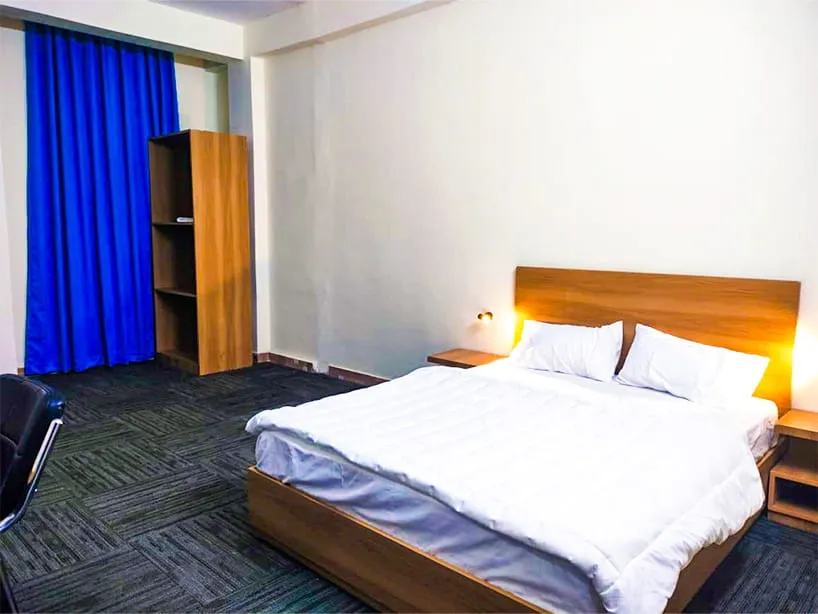
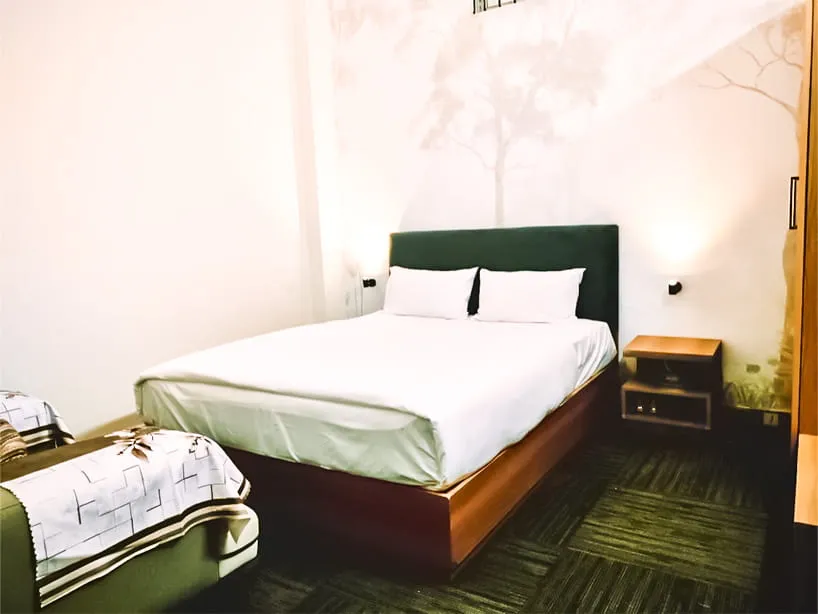
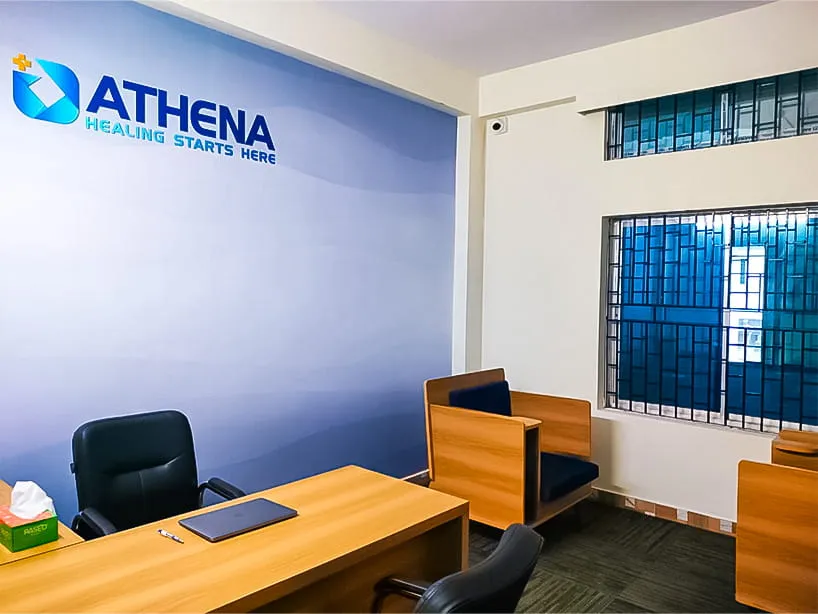
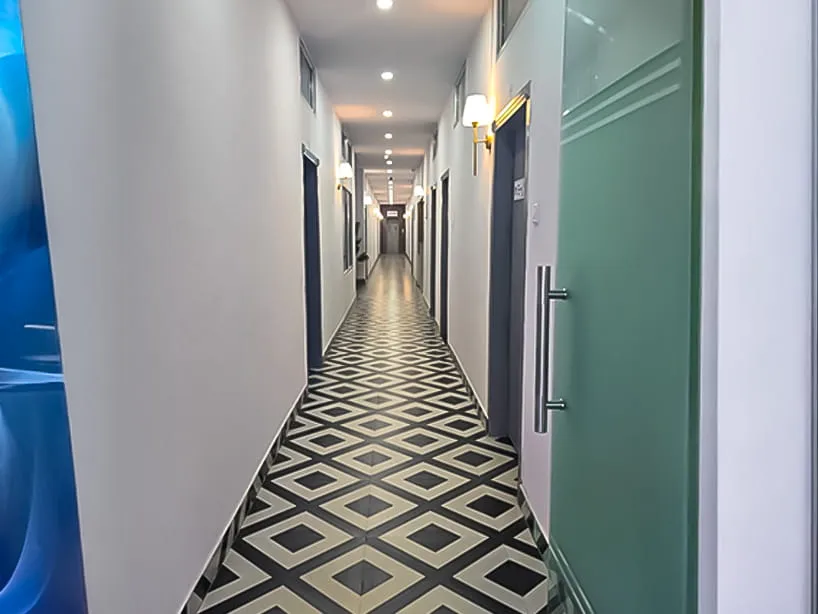
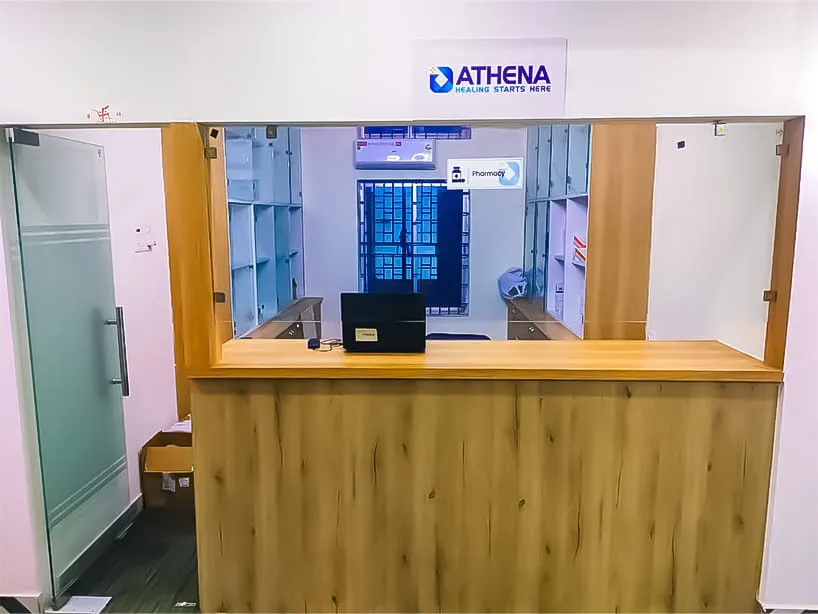
Take a Look Inside Our Guwahati Facility



Conditions We Treat















.png)






What Our Patients Say
Frequently Asked Questions
Gambling addiction is an acknowledged disorder that can be successfully treated. However, the vast majority of people who try to get rid of gambling without any special treatment eventually go back to it, even if only during difficult times, since the urge itself is never really tackled. Treatment must consist of therapy and financial assistance since it is a major issue, so professional gambling addiction treatment in Guwahati is generally more effective than quitting on one's own again and again.
Occasional gambling doesn't interfere with someone's finances, relationships, or daily responsibilities. It becomes a disorder when the person starts chasing losses with money meant for other things, hides the extent of it from family, and keeps going back to it even after promising to stop.
Yes, Appointments are scheduled so patients never cross paths with one another, and all consultations happen in private rooms. Many people also start with a private online consultation before deciding whether to visit in person, which keeps the whole process discreet from the very beginning.
This is one of the most common and least understood parts of gambling addiction. The promise to stop is usually genuine in the moment, but without addressing the actual compulsion and what's driving it, willpower alone rarely holds, especially during high-stress periods or major sporting events like IPL season.
It depends both on the time of gambling addiction and the reaction of the patient to the initial treatment sessions. Usually, patients start noticing the changes within the first weeks. However, in case there is a significant amount of financial problems caused by the disease, treatment can last longer.
The first thing you should do is have a private talk with a psychiatrist. It can take place both with your relative being present or without them if you feel like they are not yet prepared for this. This consultation will determine the nature and severity of the problem and the kind of help needed.
Try not to make any major financial decisions in the heat of the moment. The debt itself doesn't need to be solved before reaching out for help. In fact, treatment usually addresses the gambling behavior and the financial situation together, so getting professional support early is more useful than trying to fix the money problem first.
Not usually, There's no specific medication for gambling addiction itself. If there's an underlying issue like anxiety or depression contributing to it, medication might be used for that specifically, and it's reviewed regularly rather than continued indefinitely. Most people get better mainly through therapy and counseling.
No, People usually receive treatment through ordinary therapy or a special day program, without hospitalizing the patient. However, in cases when there is a mental disorder, and, for example, suicide attempts connected with debts, it might be necessary to hospitalize the patient.
During the first visit, the psychiatrist tries to find out all about the gambling experience, its causes, the financial situation at the moment, and also the possible presence of additional factors that affect this problem.
How to reach Athena - Guwahati
Athena Behavioral Health, Guwahati
Athena Behavioral Health, Guwahati, Assam
Landmark: Guwahati
- Guwahati City
- Northeast India region
Contact us: +919289086193
Speak to Our Care Team - 24×7 Confidential Support
Confidential help is just a call or chat away. Our team is ready to listen - without judgment, without pressure.
