
Best Gambling Addiction Treatment in Delhi
Athena Behavioral Health provides gambling addiction treatment in Delhi for exactly this point, when the numbers stop adding up and there's no story left that holds.
- Confidential evaluation within 24 hours
- Combined support for addiction and debt
- One-on-one psychotherapy for gambling disorder
- Family sessions focused on rebuilding trust
- Private consultation rooms
- Relapse planning for high-risk periods
Book Your Appointment

Most Families Call Once the Debt Has Already Outgrown the Excuses
Treatment for gambling disorder in Delhi typically presents itself in one of two scenarios: immediately after the person has lost more than he can manage to deal with in one go, or immediately after a loved one has found out just how bad it really was. Neither is it too late for action. Typically, it all begins with a few wins, which seem to be a sign of skill and soon become the motivation to continue despite losing. First come the savings, then come the credit cards, and finally, money borrowed under the pretense of whatever story there may be.
At Athena Behavioral Health, a gambling addiction treatment center in Delhi, the process begins with a thorough Psychiatric Assessment & Diagnosis, and not with a discussion about the amount that the gambler lost. It is essential for the psychiatrist to identify the source of the problem – the excitement of placing bets, the pressure of debt, and the stress that the gambler tried to escape through this activity. Only then can a proper plan be created, one that addresses the real triggers instead of just the visible consequences.
"If someone expresses suicidal thoughts tied to unmanageable gambling debt, treat it as a medical emergency. Contact your local emergency number or the nearest hospital right away. A person's safety comes before addressing the financial situation, always."
Our Dedicated Treatment Team for Gambling Addiction

Prof. (Dr.) Nimesh G. Desai

Dr. Ashish Mittal

Dr. Rahul Rai
What Gambling Addiction Treatment in Delhi Looks Like From the First Session
Not Partially but Holistically
The first assessment addresses how the problem gambling started, how it developed, and what emotions and economic pressures have maintained it.
We Don't Turn Our Back on the Problem or Try to Handle It Alone
We assist the client and his family in addressing their economic situation head-on, because denial in that area usually hinders progress as much as the problem gambling itself.
No Chance of a Run-In in the Waiting Room
The scheduling process ensures that clients will never have to wait next to people they know.
Treatment Targets the True Compulsion, Not Just the Behavior
Individual Psychotherapy & Counselling targets the compulsion to chase the loss and the cognitive patterns maintaining it.
Family Therapy is Future-Oriented
The sessions start once the client feels ready and address future honesty without reviewing every past lie in a single session.
Aftercare Considers Problem Gambling High-Risk Times
Knowing that the cricket season is a high-risk time for relapses, our aftercare program plans accordingly.
Clinical Excellence
A Team That Treats Gambling as a Behavioral Disorder, Not a Budgeting Failure
Our psychiatrists and therapists approach gambling disorder as a clinical condition with distinct patterns and triggers, not simply a matter of financial carelessness. That distinction matters because addressing the debt without treating the underlying compulsion rarely stops it from happening again. Lasting recovery depends on understanding why the behavior started and what keeps it going long after the losses begin.

Every case is different. Someone drawn in through sports betting during a big tournament needs a different approach than someone using online rummy or casino apps to escape stress at home. Understanding that difference is where good treatment begins, and it shapes every decision that follows in the plan, from therapy methods to the support offered to the family.
This is a large part of why people searching for gambling addiction treatment centres in Delhi, often guided to us by a trusted psychiatrist in Delhi, tend to reach us through referral, because the plan actually matches the pattern in front of us, not a fixed template. Each patient receives care built around their own triggers, history, and goals, so the treatment feels relevant, practical, and realistic from the very first session.
The same clinician follows a patient from the first evaluation through discharge, so the full history doesn't need to be repeated to someone new halfway through. This continuity builds trust and keeps care consistent, which helps patients stay open, engaged, and committed to recovery, especially during the difficult moments when the urge to gamble returns.
Modern Lifetime Challenges
Why Gambling Slips Past Notice in a City Like Delhi
Constant access to betting apps, heavy exposure to gambling advertising, and peer pressure during cricket season, and a fast, high-pressure work culture where financial stress and long hours can push people toward an easy escape, all make it simple for gambling addiction to take hold before anyone around notices. What looks like a casual bet during a match can, for some people, quietly turn into a habit that consumes far more time, money, and attention than anyone realizes. Over time, the thrill of a small win and the urge to win back a loss can start replacing healthier ways of handling stress.
There's a real difference between someone who gambles occasionally and someone who has developed a disorder around it. Recognizing where that line falls helps individuals and families spot the problem early, before the financial and emotional damage becomes much harder to undo.
Occasional Gambling: Doesn't affect finances, relationships, or daily responsibilities in any serious way. The person sticks to clear limits on time and money, can walk away whenever they choose, and doesn't feel restless, guilty, or distressed when they stop betting.
Gambling Disorder: Losses get chased with money meant for other things, debt piles up, and the extent of it is hidden from people closest to the person. Over time, work performance, trust in relationships, and emotional health begin to suffer, and attempts to cut back or quit often end in repeated relapse.

Recognising Which Stage You're Dealing With
A question we hear often from families in Delhi is how to tell whether gambling has crossed from a habit into something that needs clinical attention, and what kind of support actually fits at that stage. There isn't one clear moment that marks the shift, and it genuinely depends on how far the financial and emotional pattern has already progressed. This table reflects how our team generally approaches that question during an initial consultation, though the actual path forward is always confirmed through a complete evaluation.
| Stage of Concern | What It Often Looks Like | Care Approach Generally Recommended |
| Casual, Event-Based Betting | Bets placed only around specific matches or tournaments, with no visible strain on money or relationships | A single consultation to review the pattern, with early guidance on setting limits |
| Early Loss-Chasing | Losses are being chased with small, repeated bets, and self-imposed limits are starting to slip | Weekly outpatient psychotherapy focused on the compulsion and its triggers |
| Mounting Debt and Concealment | Borrowing has become frequent, spending is hidden, and explanations no longer add up | Structured therapy combined with support for confronting the debt honestly |
| Breakdown in Trust or Function | Discovery by family, missed work or financial obligations, repeated broken promises to stop | Day Care Programme with closer psychiatric monitoring and gradual family involvement |
| Acute Crisis | Suicidal thoughts or severe distress connected to unmanageable debt | Immediate clinical stabilisation with continuous psychiatric support |
The Signs Families Usually Notice Only in Hindsight
Most families only step in once there's a clear breaking point, a spouse finding the statements, a lender calling the house, when in reality the pattern had been building for a long time before that moment.
Money That Doesn't Add Up
Gaps in joint accounts, maxed-out cards, or loans that don't correspond to anything visible at home.
Frequent Borrowing With Shifting Explanations
Repeated requests for money from friends or family, always framed as short-term and urgent.
Guarded Behavior Around Phones and Banking Apps
Defensiveness or secrecy the moment questions come up about spending or app activity.
Mood That Swings With Wins and Losses
Noticeable highs after a win, followed by irritability or withdrawal after a loss.
Repeated Promises to Quit That Don't Hold
Swearing off betting after a big loss, then returning to it within days or weeks.
Denial Even With Evidence in Front of Them
Insisting there's no real issue even when bank statements or betting app messages say otherwise.
Not Sure If This Is You? Talk to a Specialist
Confidential Support, available 24×7
About Therapy At Athena
The Actual Path From First Call: Gambling Addiction Treatment in Delhi
Step One, Full Evaluation
The Psychiatrist does a full Psychiatric Assessment & Diagnosis involving the gambling behavior, triggering factors, financial situation, and other conditions like anxiety or depression.
Step Two, Structured Therapy
Psychotherapy & Counseling works on the compulsions and thoughts involved in the gambling habit so that the patient can get equipped to resist their urge to gamble.
Step Three: Facing the Financial Situation
The patients are helped in coming to terms with their debts and not keeping them hidden from everyone else, sometimes even along with family intervention when the patient is ready for it.
Step Four: Restoring Relationships and Establishing a Structure
Family therapy, establishment of a daily schedule, and Mindfulness, Yoga & Wellness techniques help the person cope with the stress in his life without turning to gambling again.
Why Choose Us
We Address the Compulsion and the Fallout as One Process

Our psychiatrists and therapists don't split a case into "the money problem" and "the addiction." One clinician holds the full picture, so the therapy plan and the financial conversation are pulling in the same direction instead of working against each other. Discharge isn't where our involvement ends. Every patient walks out with a concrete plan for the weeks that tend to be hardest, tournament season especially, so relapse risk isn't something they're left to figure out on instinct, and families know what warning signs to watch for.
We also don't assume gambling looks the same for everyone who walks in. Someone chasing losses on a cricket bet needs a different conversation than someone using rummy apps to numb out after a bad day at work, so the plan follows how the person actually got here, not a standard script. Understanding that path is what allows us to address the real triggers rather than only the visible habit.
And when a career is on the line, we can loop in an employer through a corporate wellness arrangement where it makes sense, so getting help doesn't have to mean choosing between recovery and the job. This keeps the process confidential and supportive, and lets the patient focus on getting better without the constant fear of losing their livelihood.
How We Help
What Happens Between Your First Message and Ongoing Recovery
Making contact is often the toughest step to take, particularly given the embarrassment that comes with owing money because of gambling. Below is what comes after reaching out to us.
You call or send us a message on WhatsApp, and receive an appointment confirmation on the same day.
This is done by a psychiatrist who looks at your gambling history, financial status, and any psychological triggers, either face-to-face or via a confidential video session.
Therapy, family meetings, and, where necessary, the Day Care Programme, are all used as per the needs of the individual case.
Follow-up sessions continue even after discharge, especially during high-risk times such as cricket tournaments.
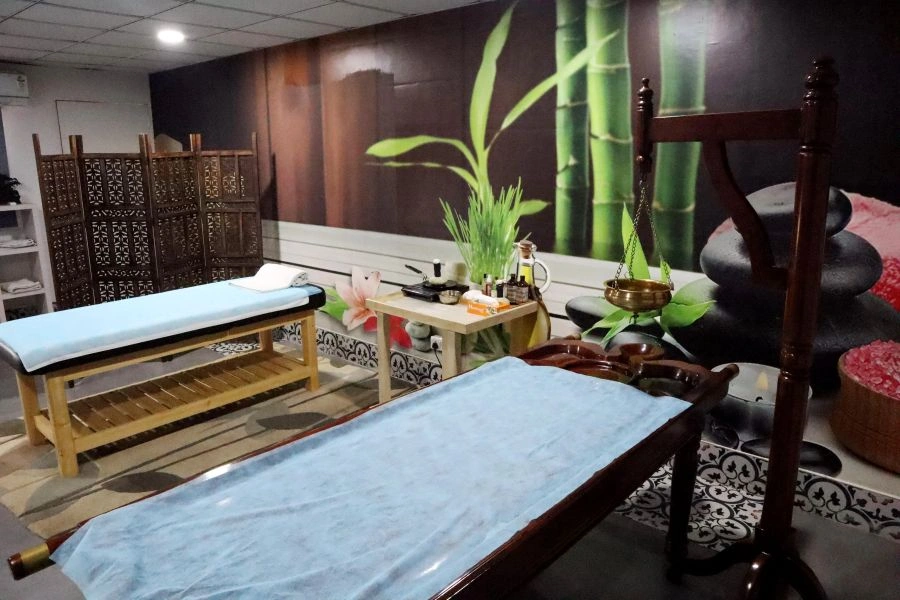
Take a Look Inside Our Delhi Facility







Conditions We Treat















.png)






What Our Patients Say
Frequently Asked Questions
Treatment addresses the compulsive behavior and the financial crisis together, since continued concealment of debt tends to feed further gambling. A structured, realistic repayment plan, often developed with a trusted family member, runs alongside individual therapy targeting the addiction itself.
Yes, A private video consultation is available for anyone who wants to begin the process before committing to a visit in person.
Not necessarily. Where anxiety, depression, or another co-occurring condition is present, it may be addressed as part of the broader plan and reviewed regularly. Many patients complete treatment primarily through psychotherapy and counselling.
Big tournaments involve lots of exposure to betting-related ads and social pressures, which make it one of the most relapse-provoking situations well-known among gambling addicts. The aftercare program at Athena takes this into account specifically.
It may prevent the relapse in the short term; however, it will hardly be enough to cope with the addiction on its own. It may be helpful only in connection with the therapy, which will address the reasons behind the development of the addiction.
The clinical work on the underlying compulsion is largely the same, but the practical safeguards differ, such as app and device restrictions for online platforms versus addressing social circles and cash access for offline betting.
Appointments are scheduled so patients never overlap, and every consultation happens in a private room by default. This is standard practice here, not something you need to request specially.
Start by calling yourself first to understand exactly what the evaluation and treatment process involves. Families tend to be more effective at encouraging a loved one once they know what's actually being offered.
This is a rare case on its own; however, hospitalization might be recommended in cases where there is an acute crisis in the patient's mental state because of financial problems. Most clients are hospitalized as an outpatient or day care client.
The psychiatrist spends about one hour conducting an extensive Psychiatric Assessment & Diagnosis covering the history of gambling, the financial situation, emotional triggers, as well as previous attempts to quit.
How to reach Athena - Delhi
Athena Luxus, Delhi
Athena Luxus, South Delhi, New Delhi
Landmark: South Delhi
- South Delhi
- Central Delhi
- Gurugram border areas
- Noida border areas
Contact us: +919289086193
Speak to Our Care Team - 24×7 Confidential Support
Confidential help is just a call or chat away. Our team is ready to listen - without judgment, without pressure.
