
Best Eating Disorder Treatment Centre in Guwahati
Athena Behavioral Health provides confidential, clinically guided food addiction treatment in Guwahati for people struggling with compulsive eating, binge eating, unhealthy food patterns, and related emotional concerns. Treatment is built around the person, not just the food, with psychiatric assessment, psychological therapy, nutritional support, and structured recovery care.
- Psychological Assessment & Diagnosis
- Cognitive Behavioral Therapy (CBT)
- Nutritional Counselling & Meal Support
- Anxiety, Depression & Emotional Health Support
- Family Counselling & Recovery Support
- Inpatient & Outpatient Treatment Options
Book Your Appointment

Take Back Control of Your Relationship With Food
Food problems can be difficult to talk about. A person may know they are eating differently but feel embarrassed explaining how often they binge, what they eat, or why they cannot seem to stop. Parents may notice changes in their child's eating. A spouse may see the secrecy and emotional distress. An executive may realise that stress at work is increasingly being managed through food.
Compulsive eating is not simply a matter of poor discipline. Repeated binge eating can involve emotional triggers, restrictive dieting, negative body image, anxiety, depression and addiction, stress, and deeply established behavioral patterns. That is why effective Eating Disorder Treatment looks at the person as a whole.
Athena Behavioral Health's approach to Eating Disorder Treatment in India begins with a detailed assessment of eating behavior, emotional triggers, mental health symptoms, lifestyle, family environment, and other factors that may be maintaining the problem. Treatment may include CBT, nutritional counselling, emotional regulation work, family therapy, psychiatric support, and relapse prevention.
“If you are looking for food addiction/eating disorder treatment in Guwahati, you do not need to wait until the problem has taken over every part of daily life.”
Meet Our Psychiatrists for Eating Disorder Treatment in Guwahati

Prof. (Dr.) Nimesh G. Desai

Dr. Sushil Agarwalla

Dr. Sahil Agarwal
A Guwahati Facility Designed for Structured Mental Health Care
Separate Male & Female Buildings
Athena Behavioral Health in Guwahati has separate buildings for male and female patients, supporting privacy and a more focused treatment environment.
24×7 Clinical Support
The Guwahati facility provides round-the-clock admission and clinical support for people who require structured care.
Evidence-Based Psychological Therapies
Treatment can include structured psychotherapy and CBT, depending on the patient's assessment and treatment goals.
Integrated Mental Health Care
Food-related difficulties can exist alongside anxiety, depression, stress, trauma, or other psychiatric concerns. These issues can be assessed as part of an integrated treatment plan.
Privacy and Confidentiality
Eating disorders and compulsive eating can involve considerable shame. Treatment is provided in a setting where patients can discuss sensitive concerns privately and without unnecessary judgment.
Continued Recovery Support
Recovery does not stop when the intensive phase of treatment ends. Follow-up care, relapse prevention, family support, and outpatient treatment can help patients maintain progress.
Clinical Excellence
A More Complete Approach to Food Addiction Treatment
The question is not simply, "Why can't you stop eating?" A more useful question is: What happens before you eat? What are you feeling? What thoughts are present? Are you restricting food during the day and then bingeing later? Are you eating to manage stress? Are anxiety or depression involved? These details matter because the same behavior can have very different causes.

Athena Behavioral Health's food addiction treatment begins with a clinical assessment rather than assumptions. The team looks at eating patterns, binge frequency, emotional triggers, body-image concerns, mental health symptoms, family circumstances, medical history, and lifestyle. This full picture helps separate emotional or compulsive eating from other medical or psychological causes, so the plan targets what is actually driving the behavior. Working with an experienced therapist in Guwahati helps uncover what the eating is really standing in for, whether stress, loneliness, or low self-worth, so the plan is reviewed regularly and stays practical, realistic, and free of judgment.
For people experiencing binge eating, Binge Eating Disorder Treatment may involve CBT, nutritional counselling, behavioral interventions, emotional regulation, family therapy, and psychiatric support when clinically indicated. The aim is to reduce the cycle of loss of control, guilt, restriction, and repeated bingeing.
For someone searching for junk food addiction treatment, treatment also needs to go beyond simply banning certain foods. The clinical focus should be on the person's relationship with eating, their triggers, their ability to regulate emotions, and the impact the behavior is having on their life.
Modern Lifetime Challenges
Why Compulsive Eating Can Become Part of Everyday Life
Modern life can make unhealthy eating patterns easier to maintain. Long working hours, academic pressure, family responsibilities, poor sleep, stress, food delivery, social occasions, and easy access to highly palatable foods can all influence eating behaviour.
For some people, food becomes a quick way to change how they feel. A stressful day can lead to overeating. Loneliness can trigger a late-night binge. Anxiety can create constant cravings. A strict diet can create intense hunger and eventually lead to loss of control.
Then comes guilt. The person decides to compensate by restricting food again. The cycle repeats. Occasional overeating does not automatically mean someone has an eating disorder. Enjoying fast food or sweets does not mean a person needs treatment either.
The concern is when eating becomes difficult to control and begins to cause significant distress or affect physical health, relationships, work, studies, sleep, or everyday functioning. Recognising that difference is an important reason to seek professional assessment rather than relying on another restrictive diet.

Understanding Food Addiction Beyond the Basics
| Aspect | What It Involves | Why It Matters |
| Physical Health Impact | Compulsive eating patterns can affect digestion, weight regulation, energy levels, and sleep quality over time | Untreated patterns can lead to physical health complications alongside emotional distress |
| Difference from Occasional Overeating | A holiday meal or festive indulgence is not the same as a recurring cycle of loss of control | Helps individuals and families distinguish normal eating variation from a pattern needing clinical attention |
| Role of Sleep & Routine | Irregular sleep and disrupted daily routines can intensify cravings and reduce a person's ability to regulate eating impulses | Addressing sleep and lifestyle structure is often part of a complete recovery plan |
| Digital Convenience & Food Delivery | Round-the-clock food delivery access can make impulsive, late-night, or stress-driven eating easier to act on | Understanding environmental triggers helps in building practical coping strategies, not just willpower-based solutions |
| When to Involve a Physician | Some patients may need a general physical health check alongside psychological treatment, especially if eating patterns have been long-standing | Ensures treatment addresses both the psychological and physical dimensions of recovery |
Recognising the Signs That Eating Has Become a Problem
Admitting that food has become difficult to control can be uncomfortable. People often hide what they eat because they fear criticism or believe they should be able to control it themselves.
Look for repeated patterns rather than one difficult day.
Eating Large Amounts in a Short Period
Repeatedly eating unusually large quantities of food, particularly with a feeling that you cannot stop, can be an important warning sign.
Feeling Unable to Control Eating
You may begin eating with the intention of having a small amount, but end up eating far more than you planned.
Eating When You Are Not Hungry
Food may become a response to sadness, anxiety, boredom, anger, loneliness, or stress rather than physical hunger.
Strong Guilt After Eating
Feeling ashamed, distressed, or disappointed in yourself after eating may keep the cycle going and make it harder to develop healthier habits.
Repeated Failed Attempts to Stop
You may repeatedly decide to stop overeating, eliminate certain foods, or follow strict diets, only to return to the same pattern.
Eating Affects Daily Life
If concerns about food begin interfering with work, relationships, sleep, social activities, physical health, or emotional well-being, professional support may be appropriate.
Not Sure If This Is You? Talk to a Specialist
Confidential Support, available 24×7
ABOUT THERAPY AT ATHENA
Therapy That Works on the Thoughts, Emotions, and Behaviours Behind Eating
Cognitive Behavioural Therapy
CBT helps patients identify unhelpful thoughts, emotional triggers, restrictive behaviours, and patterns that contribute to binge eating. It can also help break the connection between difficult emotions and automatic eating responses.
Emotional Regulation
Patients learn to recognise emotions that trigger overeating and develop alternative ways of handling stress, frustration, loneliness, and anxiety.
Nutritional Counselling
A structured approach to food can help patients move away from extreme restriction and irregular eating patterns that may contribute to repeated binge episodes.
Family Therapy
Eating difficulties affect families, too. When appropriate, family involvement can improve communication, reduce blame, and help relatives understand how to provide useful support.
Psychiatric Support
If a patient is also experiencing depression, anxiety, severe distress, or another psychiatric condition, those concerns can be assessed and treated alongside the eating problem.
Why Choose Us
Best Food Addiction Treatment in Guwahati Starts With the Right Assessment

When families search for the best food addiction treatment in Guwahati, they are usually not looking for another diet plan. They want a place where their loved one will be taken seriously.
Athena Behavioral Health combines psychiatric care, clinical psychology, psychotherapy, nutritional support, and structured recovery services. The treatment plan is based on the patient's actual symptoms and level of need.
For people comparing eating disorder treatment centres in India, the quality of assessment matters. A good programme should look at what is driving the behavior, identify co-occurring mental health concerns, and provide practical support for life after intensive treatment.
Athena Behavioral Health Guwahati serves patients from Assam and across the Northeast. The centre has separate male and female buildings and provides 24×7 admission and clinical support.
For families searching for an eating disorder treatment centre in Guwahati, that means access to structured psychiatric and psychological care closer to home.
How We Help
A Clearer Path From the First Call to Recovery
Reaching out for eating disorder treatment in Guwahati is a smooth, welcoming experience from the very first call.
Call or message the care team and explain what has been happening. You do not need a diagnosis before reaching out.
A clinician assesses eating patterns, emotional symptoms, mental health, family circumstances, and the level of support required.
Based on the assessment, the team recommends an appropriate treatment setting and combination of therapies.
Treatment can include psychotherapy, nutritional counselling, psychiatric care, family support, behavioural strategies, and relapse prevention. Follow-up care helps maintain progress after the initial treatment period.
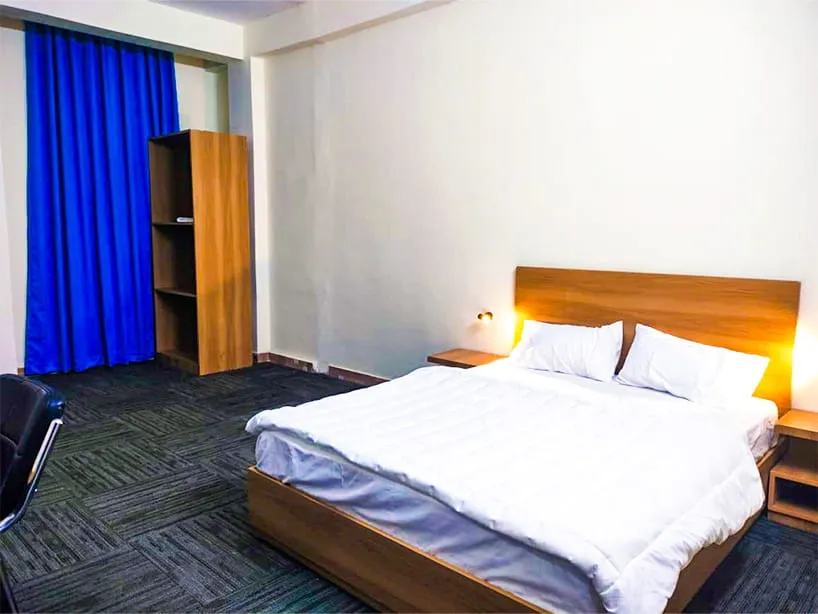
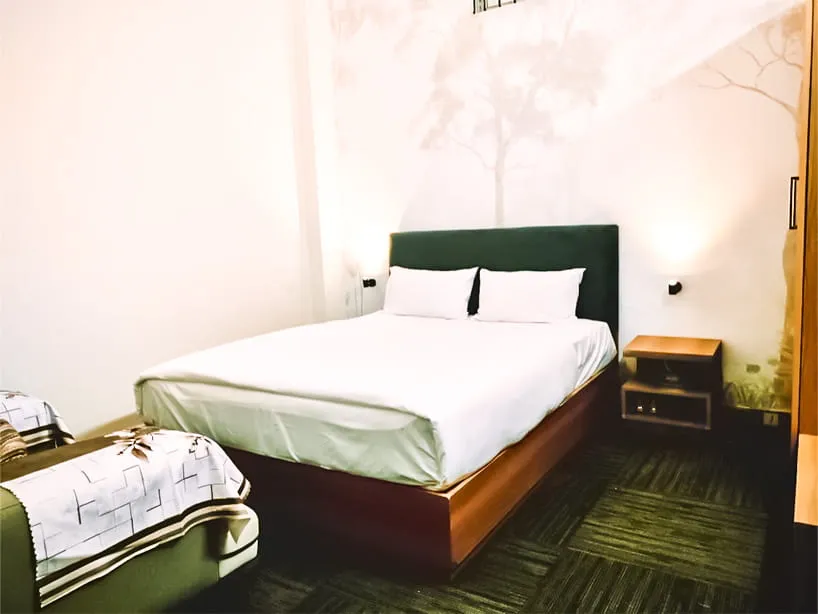
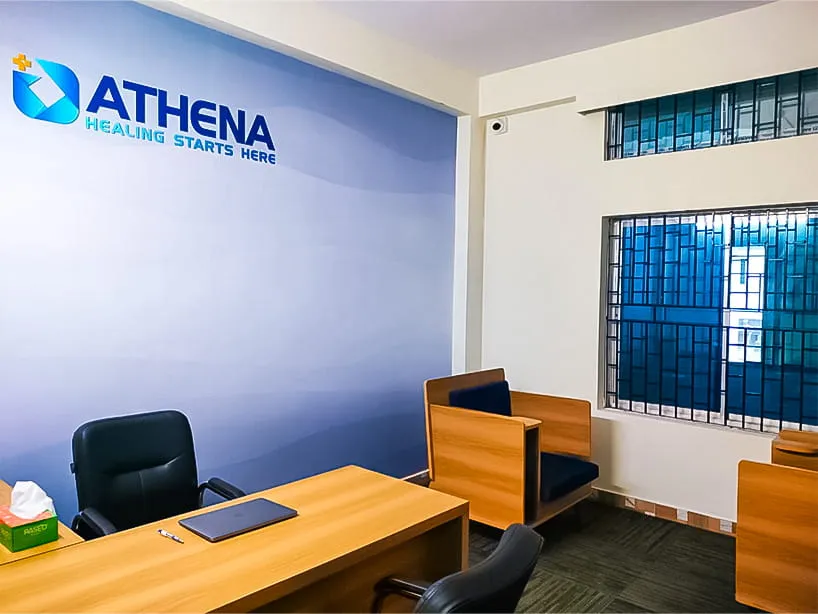
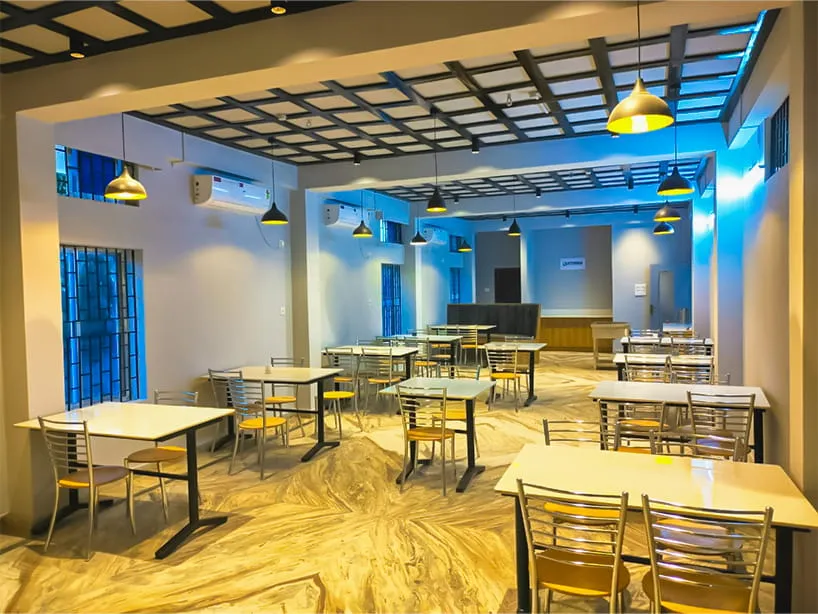
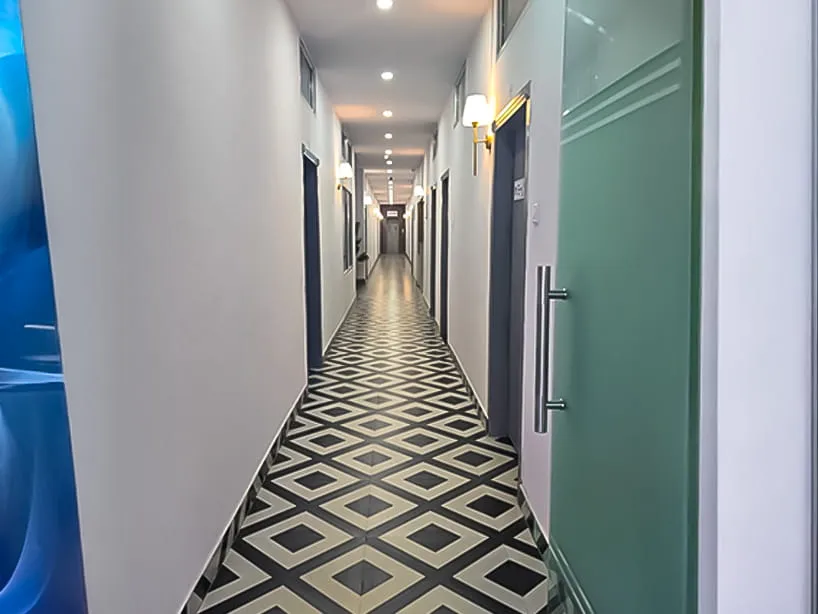
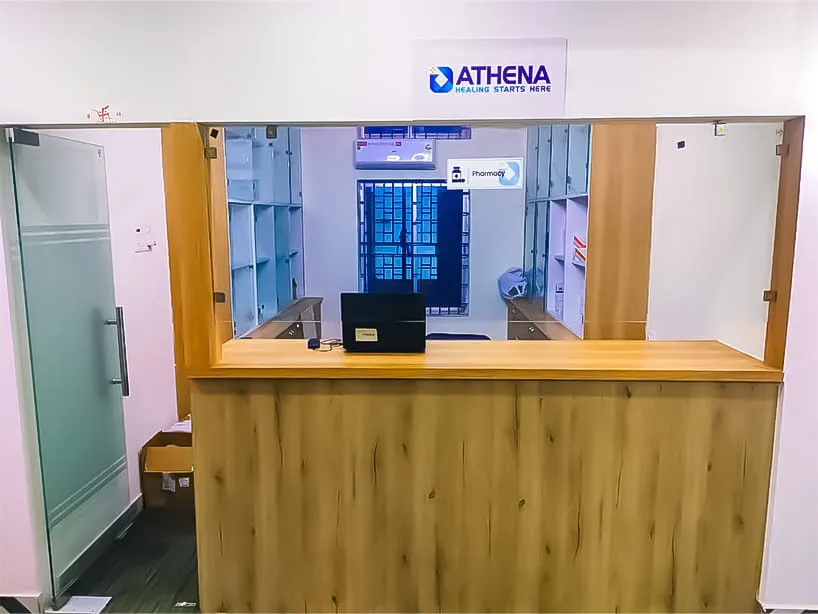
Take a Look Inside Our Guwahati Facility


Conditions We Treat















.png)






What Our Patients Say
Frequently Asked Questions
Food addiction treatment in Guwahati provides professional support for people experiencing compulsive eating, loss of control around food, binge eating, or other problematic eating patterns. Treatment may include psychological assessment, therapy, nutritional counselling, psychiatric care, family support, and relapse prevention.
Yes. Binge Eating Disorder is a recognised eating disorder. It involves recurrent episodes of binge eating accompanied by a sense of loss of control and can affect emotional health, physical health, relationships, and daily functioning.
Athena Behavioral Health can assess people looking for junk food addiction treatment in Guwahati. Instead of focusing solely on eliminating specific foods, clinicians assess the person's eating behaviour, emotional triggers, loss of control, mental health, and the impact on daily life.
Yes. Anxiety, depression, stress, and other mental health concerns can occur alongside problematic eating. When clinically appropriate, these conditions can be assessed and addressed as part of the same treatment plan.
Look for a centre that provides proper clinical assessment, qualified mental health professionals, evidence-based therapy, nutritional support where required, family involvement when appropriate, and follow-up care.
Eating disorder treatment in Guwahati focuses on understanding and treating problematic eating patterns and the psychological factors that may maintain them. Depending on the person, treatment may involve CBT, psychotherapy, nutritional counselling, psychiatric support, and family therapy.
Binge Eating Disorder Treatment usually begins with an assessment of eating behaviour, emotional triggers, mental health, and related concerns. Treatment may then include psychotherapy, CBT, nutritional guidance, behavioural strategies, and psychiatric support when required.
There is no single treatment that is best for everyone. The Best eating disorder treatment in India should be based on the person's symptoms, diagnosis, physical and psychological needs, level of risk, and appropriate treatment setting.
Not necessarily. Some people can receive outpatient treatment, while others may require a more structured setting. The appropriate level of care depends on clinical assessment, severity, safety concerns, functioning, and available support.
Athena Behavioural Health provides eating disorder treatment centre services as part of its psychiatric and behavioural health care. Its Guwahati facility provides 24×7 clinical support and serves patients from Assam and across Northeast India.
How to reach Athena - Guwahati
Athena Behavioral Health, Guwahati
Athena Behavioral Health, Guwahati, Assam
Landmark: Guwahati
- Guwahati City
- Northeast India region
Contact us: +919289086193
Speak to Our Care Team - 24×7 Confidential Support
Confidential help is just a call or chat away. Our team is ready to listen - without judgment, without pressure.
