
Best Depression Treatment in Greater Noida
Athena Behavioral Health provides depression treatment in Noida for exactly this, when low mood has stopped being a passing phase and started shaping how someone functions, sleeps, and sees themselves.
- Full Psychiatric Assessment & Diagnosis
- Evidence-based combination of medication and therapy
- One-on-one CBT and Psychotherapy & Counselling
- Family sessions available where useful
- Private, judgment-free consultation rooms
- Structured Relapse Prevention & Aftercare
Book Your Appointment

Depression Treatment in Noida: Why This Isn't Something You Should Have to Push Through Alone
Depression in Noida, like everywhere else, is often mistaken for something a person should simply be able to push through. It isn't. It's a persistent, neurobiological state that stays present regardless of what's actually going on in someone's life, doesn't lift just because something good happens, and can't be resolved through willpower or a change in attitude. It looks like a loss of interest in things that used to matter, a heaviness that doesn't go away with rest, or in a lot of cases in India, physical complaints, body pain, fatigue, headaches, digestive issues, that show up long before anyone identifies low mood as the actual cause.
At Athena Behavioral Health, best depression treatment in Noida starts with a full Psychiatric Assessment & Diagnosis, typically 60 to 90 minutes, covering symptom history, previous episodes, family history, physical health, and current functioning, before any medication or therapy plan is put together. Part of this evaluation also rules out medical causes like thyroid issues or vitamin deficiencies, and checks specifically for any history of manic or hypomanic episodes, since treating bipolar depression the same way as regular depression can actually make things worse. Many patients tell us this is the first time someone actually explained what was happening to them clinically, instead of being told to just think positively.
"If someone expresses thoughts of death, passive suicidal thinking, or an active plan with intent, this needs immediate attention. Contact your local emergency number or the nearest hospital right away. Safety always comes before anything else."
Our Dedicated Team for Depression Treatment in Greater Noida

Prof. (Dr.) Nimesh G. Desai

Dr. Tanul Jain

Dr. Prachi Jain
Inside Our Greater Noida Centre: What the First Sessions Actually Cover
A Full Clinical Picture Comes Before Any Treatment Decision
The evaluation covers symptom onset, duration, severity, previous treatment history, and current level of functioning, using standardized tools like the PHQ-9 alongside clinical judgment.
Medical Causes Are Ruled Out First
Conditions like hypothyroidism, anaemia, or vitamin B12 and D deficiency can produce depressive symptoms, so these are checked before a primary diagnosis is confirmed.
Treatment Is Matched to Severity
Mild depression is typically treated with structured Psychotherapy & Counselling first, while moderate to severe depression responds better to combined medication and therapy started together rather than one after the other.
Support Is Scaled to the Case
For patients who need more structure than weekly outpatient sessions but don't require full residential care, our Day Care Programme offers several supervised hours at the centre each day while the patient continues living at home.
Every Session Stays Completely Private
Scheduling is arranged so patients are never seated next to someone they might recognize.
Recovery Includes the Body, Not Just the Mind
Mindfulness, Yoga & Wellness sessions, structured sleep hygiene, and physical activity are built into the plan, since these have measurable, evidence-based effects on depression severity, not as alternatives to clinical care but alongside it.
Clinical Excellence
Doctors Who Lead With Diagnosis, Not Just Conversation
Our psychiatrists and clinical psychologists treat depression as the medical condition it is, following evidence-based protocols rather than a generic wellness approach. Depression doctors in Noida searches often come from people who've already tried general counselling or self-help without real improvement, because depression, particularly moderate to severe depression, usually needs more than conversation alone. Recognising this early saves months of struggling with approaches that were never designed to be enough.

No two cases look the same. Someone experiencing their first depressive episode after a major life change needs a different approach than someone with treatment-resistant depression who hasn't responded to previous medication trials. Understanding exactly where a patient stands, including their history, symptoms, and earlier treatments, is where an effective plan begins, and it shapes every decision that follows, from medication choices to the type of therapy offered.
Where the case is more complex, involving co-occurring anxiety, past addiction, or a possible bipolar pattern, our team draws on Corporate Wellness & EAP support for working professionals, or Child & Adolescent Psychiatry when the patient is a minor, so the treatment plan actually reflects the person in front of us. This ensures that nothing is overlooked and that every layer of the condition is addressed together rather than in isolation.
One psychiatrist follows a case from the first evaluation through to sustained remission, so nothing has to be re-explained to someone new along the way. This continuity builds trust and keeps treatment consistent, which helps patients stay open, engaged, and committed to recovery, especially during the difficult stretches when progress feels slow and old patterns try to return.
Modern Lifetime Challenges
The Local Pressures That Let Depression Go Unnoticed
Long commutes and unpredictable traffic that eat into rest and personal time, a corporate culture that often treats burnout as a badge of honor rather than a warning sign, unreliable air quality that keeps people indoors and disconnected for stretches at a time, and a broader cultural tendency to describe emotional distress through physical complaints instead of naming it directly, all make depression easy to overlook until it's already significantly affecting daily life. Over time, many people begin to assume that constant tiredness, irritability, or emotional flatness is simply the price of a demanding routine, and the people around them rarely notice how much is being carried quietly.
There's a meaningful difference between a difficult stretch and clinical depression. Knowing where that line falls helps individuals and families recognise the problem early, before it begins to affect work, relationships, and physical health. Early recognition also makes treatment more effective and shortens the time spent struggling in silence.
A hard period: Low mood that's proportionate to a specific cause, and it lifts as circumstances improve. The person can still enjoy things they usually like, stays connected with the people around them, and sleep and appetite return to normal once the pressure eases and daily routines settle again.
Depression: A persistent low mood or loss of interest present most of the day for at least two weeks, regardless of what's actually happening, along with changes in sleep, appetite, energy, or concentration that interfere with daily functioning. Over time, self-worth declines, everyday tasks feel overwhelming, and withdrawal from family and friends often follows, which is why professional support becomes important rather than waiting for it to pass on its own.

When Depression Wears a Physical Disguise
In Noida, depression often reaches a doctor's office looking like something else entirely: months of body pain, headaches, stomach trouble or fatigue that no test can explain. The low mood itself may go unmentioned, sometimes even unnoticed, until someone finally asks about sleep and interest in life. Instead of asking who is affected or how long it has lasted, this table looks at how depression presents, since the way it shows up shapes the kind of assessment and care that fits. It reflects how our team generally thinks it through during an initial evaluation, though the right approach for any individual is always confirmed through a complete psychiatric assessment.
| How It Presents | What It Often Looks Like | Care Approach Generally Recommended |
| Physical Complaints First | Persistent headaches, body pain, digestive issues or fatigue that don't respond to standard treatment, with mood never mentioned | A full psychiatric assessment alongside checks for thyroid, anaemia and vitamin B12 or D deficiency, so physical causes are ruled out first |
| Exhaustion That Rest Doesn't Fix | Waking at 3 or 4 a.m., or sleeping far more than usual, and still feeling drained through the day | Structured sleep hygiene and Mindfulness, Yoga & Wellness sessions, with therapy or medication chosen by severity |
| Irritability and Anger | Short temper and constant edginess, often mistaken for stress or a bad mood, especially in men | Assessment that looks beyond sadness, followed by CBT or Interpersonal Therapy targeting stress and withdrawal |
| Willpower Has Stopped Working | Months of "trying harder" without relief, with interest, appetite and concentration steadily fading | Combined medication and Psychotherapy & Counselling started together for moderate to severe depression |
| Switching Off From Daily Life | Neglecting personal care and responsibilities, and pulling away from family and friends | Day Care Programme with several supervised hours daily, while the person continues living at home |
| Changes in a Teenager or New Mother | A teen avoiding friends and dismissed as moody, or a mother struggling after childbirth | Specialist assessment through Child & Adolescent Psychiatry, or a postpartum-focused evaluation, with family involved where useful |
| Possible Bipolar Pattern | Depression alongside past spells of unusually high energy, reduced need for sleep or impulsive behaviour | Careful screening for manic or hypomanic history before any medication is chosen, since treatment differs from standard depression |
| Emergency Signs | Thoughts of death, passive suicidal thinking, or a plan with intent | Immediate medical attention and urgent psychiatric care, without waiting for a scheduled appointment |
What Depression Actually Looks Like, Beyond the Stereotype
Depression frequently shows up differently than people expect, which is part of why it goes unaddressed for so long.
Persistent Low Mood or Emptiness
Present most of the day, most days, for two weeks or more, not tied to any single cause.
Loss of Interest in Things That Used to Matter
Hobbies, socializing, food, or intimacy stop bringing any real pleasure.
Physical Complaints With No Clear Medical Cause
Persistent headaches, body pain, fatigue, or digestive issues that don't respond to standard treatment
Sleep and Energy Changes
Waking at 3 or 4 a.m. and being unable to fall back asleep, or sleeping far more than usual, alongside fatigue that doesn't improve with rest.
Irritability and Anger, Especially in Men
A presentation that's often mistaken for stress or a bad mood rather than recognized as depression.
Withdrawal and Neglect of Responsibilities
Pulling away from family and friends, and letting personal care or daily obligations slip.
Not Sure If This Is You? Talk to a Specialist
Confidential Support, available 24×7
ABOUT THERAPY AT ATHENA
From Diagnosis to Sustained Remission: The Full Treatment Pathway
Step One, Psychiatric Assessment & Diagnosis
A structured 60 to 90 minute evaluation covers the full symptom picture, rules out medical causes, and specifically checks for any bipolar history before treatment begins.
Step Two, Matching Treatment to Severity
Mild depression typically starts with CBT alone; moderate to severe depression is treated with combined medication and Psychotherapy & Counselling started together for a faster response.
Step Three, Structured Therapy
Cognitive Behavioural Therapy, Interpersonal Therapy, or Mindfulness-Based Cognitive Therapy is used depending on what's driving the depression, whether that's negative thought patterns, a specific life transition, or a history of recurrent episodes.
Step Four, Relapse Prevention & Long-Term Stability
Sleep hygiene, structured physical activity, Mindfulness, Yoga & Wellness practices, and ongoing follow-up through our Relapse Prevention & Aftercare programme help sustain recovery well beyond the acute treatment phase.
Why Choose Us
What Sets Athena Apart From General Counselling Services

Every case is managed jointly by a psychiatrist and a clinical psychologist working from the same clinical picture, not a therapist working in isolation from medical oversight. This matters enormously in depression care, because moderate to severe cases genuinely need both medication and therapy together, and missing either half of that equation tends to produce partial, short-lived improvement rather than real recovery. Working from one shared picture also means the patient never receives conflicting advice, and the plan is reviewed regularly so it keeps pace with how they are actually responding.
Treatment here isn't generic. A postpartum mother needs a different approach than a teenager navigating their first depressive episode, which is why younger patients are handled through our Child & Adolescent Psychiatry team, and working professionals dealing with high-pressure roles can access support through our Executive & High-Performance Care and Corporate Wellness & EAP programmes without having to step away from their careers. Understanding what is truly driving the depression in each person is what allows the plan to address the real cause rather than only the visible symptoms.
For patients who need more consistent structure than a weekly session but not full residential admission, our Day Care Programme bridges that gap with several supervised hours each day while the person continues living at home. This offers steady support during the most fragile early weeks of recovery, without pulling the person away from family routines or work. Patients also leave with a clear, written plan for staying well, along with the option to return if a difficult period puts their progress at risk.
How We Help
From First Contact to Ongoing Stability
Reaching out is often the hardest part, especially when depression itself makes even small tasks feel overwhelming. Here's what follows once you do.
Call our helpline or message us on WhatsApp, and get confirmation of your first appointment the same day.
A psychiatrist carries out a complete Psychiatric Assessment & Diagnosis, either in person or through a private video consultation.
Medication where needed, Psychotherapy & Counselling, and where appropriate, our Day Care Programme, are combined based on the severity and specifics of the case.
Our Relapse Prevention & Aftercare programme continues well past the acute treatment phase, since depression tends to recur if maintenance care is dropped too early.
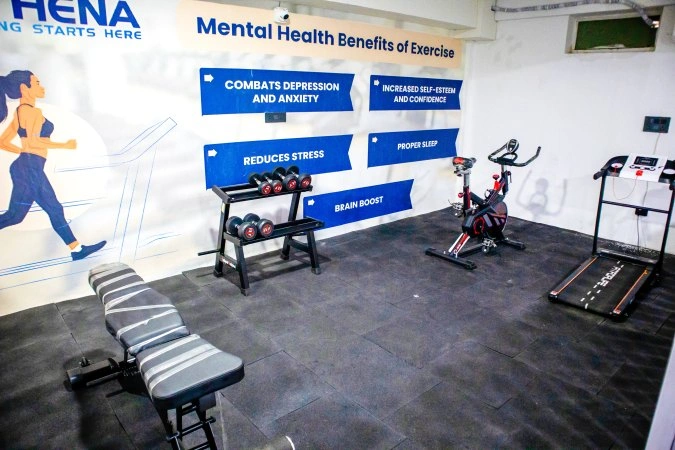
Take a Look Inside Our Noida Facility







Conditions We Treat















.png)






What Our Patients Say
Frequently Asked Questions
Sadness is proportional to a specific cause and lifts as circumstances change. Depression is a persistent state that's present most of the day for at least two weeks, doesn't respond to positive events, and comes with changes in sleep, appetite, energy, or concentration that interfere with daily life.
No. Antidepressants aren't designed to create a new personality or artificially elevate mood. They work to restore your baseline functioning, the way you felt before depression disrupted it. Most people describe feeling more like themselves again, not different.
If low mood, loss of interest, or physical symptoms like fatigue and body pain have lasted two weeks or more and are affecting your daily functioning, it's worth getting a proper psychiatric evaluation rather than continuing to treat it as ordinary stress.
It's possible, and this is specifically checked for during the initial assessment by asking about any history of unusually elevated energy or impulsive behavior. Treating bipolar depression the same way as regular depression can actually trigger a manic episode, so this distinction matters clinically.
Consistent, non-pressuring support tends to work better than pushing. Being available without demanding a change in mood, and gently encouraging a first evaluation, is often more effective than insisting they "snap out of it," which usually reinforces feelings of failure instead.
Mild depression can often be treated with structured therapy alone, particularly CBT. Moderate to severe depression tends to respond much better to a combination of medication and therapy together than to either one on its own, though this is always decided individually after a proper assessment.
An acute episode of moderate depression typically responds to 6 to 12 weeks of combined treatment. Guidelines recommend continuing medication for at least 6 to 12 months after symptoms improve to reduce the risk of relapse, and longer for people with recurrent episodes.
Yes, particularly with recurrent depression. This is exactly why ongoing Relapse Prevention & Aftercare matters, recognizing early warning signs and staying engaged with follow-up care significantly reduces the risk of a full relapse.
Not usually. Most depression is managed through outpatient care or our Day Care Programme. Residential treatment is only considered in more serious situations, such as active suicidal risk or when depression is severe enough to affect basic self-care.
The psychiatrist spends 60 to 90 minutes covering your full symptom history, previous episodes, family history, physical health, and current functioning, using tools like the PHQ-9 alongside clinical judgment to establish a clear treatment plan.
How to reach Athena - Noida
Athena Behavioral Health, Noida
opposite Vaibhav Heritage, near Ek murti chowk, Sector 16B, Roza Yakubpur, Greater Noida, Uttar Pradesh 201318
Landmark: Near Ek murti chowk, Sector 16 B,
- Sector 18, 62, 63, 71
- Greater Noida
- Noida Extension
- Ghaziabad border areas
Contact us: +919289086193
Speak to Our Care Team - 24×7 Confidential Support
Confidential help is just a call or chat away. Our team is ready to listen - without judgment, without pressure.
