
De-Addiction Centre in Delhi
Athena Behavioral Health provides de-addiction treatment in Delhi that is built around one person's history, health and home life, not a standard plan handed to everyone.
- Psychiatric Evaluation Before Any Decision
- Doctor-Supervised Detox When Required
- CBT and Motivational Therapy Sessions
- Medicines for Specific Symptoms Only
- Family Counselling Alongside Treatment
- Planned Follow-Up After You Go Home
Book Your Appointment

De-Addiction Centre in Delhi: Reaching Out Early Is Easier Than Waiting for a Breaking Point
Addiction rarely arrives all at once. It starts as a drink to relax after a long day, a tablet to sleep before an early meeting, or a habit that was supposed to stay at weekends. Over time the body adjusts, the amount creeps up, and the person begins to need the substance to feel steady. By then, work, health and relationships are often already under strain.
At Athena BHS, drug addiction treatment in Delhi and alcohol care both begin with a psychiatrist who takes time to understand what is physical, what is habitual and what is emotional. Most families say it was the first time anyone explained the pattern clearly instead of only listing symptoms. The plan that follows is designed to hold after discharge, not to give a few good weeks followed by a relapse.
"If someone has seizures, hallucinations, severe confusion, chest pain, repeated vomiting or very slow breathing, treat it as an emergency. Call 112 or go to the nearest hospital immediately. People who drink heavily every day, or take sedative tablets regularly, should not stop suddenly without medical advice. "
Our Dedicated Treatment Team for De-addiction Centre in Delhi

Prof. (Dr.) Nimesh G. Desai

Dr. Ashish Mittal

Dr. Rahul Rai
What to Expect on Your First Day at Our De-addiction Centre in Delhi
We Hear Your Story First
Intake covers how long and how much you have used, how it has changed your routine, any physical symptoms, and low mood or anxiety, without blame or assumptions.
Detox Is Medically Watched
If your body needs help to settle, doctors and nurses monitor you round the clock, so the early days are safe and not spent alone.
Therapy Targets the Root
Cognitive behavioural therapy and motivational counselling work on the reasons behind the habit, not just the habit itself.
Discretion Is Built In
Staggered appointment times and closed consultation rooms mean patients are not seen waiting by others.
Medicines Are Used Carefully
Doctors prescribe only for specific symptoms such as withdrawal, anxiety or disturbed sleep, and review them regularly.
Support Does Not End at Discharge
Scheduled check-ins continue after the programme, to track progress and spot early slips.
Clinical Excellence
Why Addiction-Trained Doctors Make Recovery Smoother
Our psychiatrists and psychotherapists work with dependence as a core part of their practice, not as an occasional case. They know how withdrawal unfolds, how cravings behave and what tends to trigger relapse, so your appointments move forward instead of starting from the basics each time.

Dependence is rarely caused by one thing. Pressure at work, strain at home, unresolved anxiety or years of using to cope can all contribute, and each feeds the others. That is why your doctor looks at your whole situation, not only the substance you use.
People also tend to do better when one doctor follows them through. A steady relationship builds trust, and trust makes it easier to talk honestly about cravings and slips. Being passed between doctors at each stage would only slow that down.
Where possible, the same lead doctor assesses and treats you from first visit to discharge, so nothing is lost between stages. This continuity is what families look for in a rehab centre in Delhi, and it gives every patient a clear route to lasting recovery.
Modern Lifetime Challenges
How Delhi's Pace Hides a Problem Until It Is Hard to Ignore
Delhi never really slows down. Long commutes, demanding jobs, competitive exams and late nights leave little room to rest, and a drink, a pill or something stronger can quietly become the way people switch off. Office parties, hostel evenings, weekend gatherings and easy access make heavy use look ordinary, so it often goes unnoticed for years, whether in a Connaught Place office, a university hostel or a family home.
What begins as relaxation or fitting in can slowly turn into a routine the person no longer chooses. The slide from occasional use to needing it to relax, sleep or get through the day is usually gradual, and families often see it only after a health scare, a lost job or a serious argument.
Social Use: Use that is occasional and tied to specific settings, with no effect on sleep, work, health or relationships.
Dependence: Repeated failed attempts to cut down, cravings, needing more for the same effect, and withdrawal such as shaking, poor sleep, anxiety or irritability when use stops.

Treatment Pathways at Athena BHS, Delhi
The right route depends on how long and how heavily someone has used, their physical health, and how steady their home life is. Your doctor will suggest a starting point after assessment, and the plan can change as you improve.
| Pathway | Time Needed | Right If |
| Admitted Detox Stay | About 1 to 2 weeks | Withdrawal could bring shaking, seizures or confusion, or earlier attempts to stop alone have failed |
| Full Residential Recovery | 1 to 3 months | You need distance from daily triggers, or earlier attempts at recovery did not hold |
| Attend-by-Day Programme | 1 to 2 months | You can sleep at home but need regular therapy and doctor reviews |
| Scheduled Clinic Sessions (OPD) | Weekly or fortnightly visits | Use is early or stable and you must keep working or studying |
| Long-Haul Support After Treatment | Up to a year | You have finished a programme and want regular check-ins to stay on track |
Warning Signs That Use Has Moved Beyond Occasional
Many families wait longer than they should, often explaining the signs away as stress or a phase. If several of these sound familiar, for someone you love or for yourself, book an assessment rather than hoping it passes.
Shaky Mornings
Trembling, sweating or nausea soon after waking up. This can mean the body has come to depend on the substance, so speak to a doctor before stopping suddenly.
Broken Sleep and Appetite
Odd sleeping hours, skipped meals or sudden weight change. Poor sleep and irregular eating also make cravings and low mood harder to handle.
Hiding and Half-Truths
Concealed bottles or tablets, and explanations that keep shrinking. This is often driven by shame and fear of judgement, not simple dishonesty.
Slipping at Work or College
Missed deadlines, falling grades or a manager asking questions. A visible dip usually means the problem has been building for longer than it looks.
Money Going Missing
Unexplained withdrawals, borrowing or belongings disappearing. Raise it gently and without accusation, especially when other signs are also present.
Anger When It Is Raised
Defensiveness or denial, even when the signs are plain to everyone. Denial is often part of dependence, so choose a calm, private moment and try again if needed.
Not Sure If This Is You? Talk to a Specialist
Confidential Support, available 24×7
ABOUT THERAPY AT ATHENA
How Your Recovery Is Planned at Our Nasha Mukti Kendra in Delhi
Step One: Evaluation by a Psychiatrist
A full review of your use history, physical health, mental health and likely causes sets the base for every later decision.
Step Two: Safe, Supervised Withdrawal
When use has been heavy or long, detox is managed under medical supervision so it stays safe rather than dangerous.
Step Three: Therapy That Builds Skills
CBT and motivational counselling replace old coping habits with ones that work, and prepare you for cravings and triggers.
Step Four: Routine, Family and Aftercare
A regular sleep pattern, a structured day and family sessions rebuild normal life, backed by a written relapse-prevention plan.
Why Choose Us
Medical and Emotional Care Work Together Here

At every stage, your psychiatrist and therapist plan together, weighing the medical side of withdrawal alongside triggers, thoughts and emotions. They are not handled as separate processes, because each shapes the other. When both professionals share one picture of your progress, a change in sleep, mood or cravings is acted on that week.
Discharge is not the end of care. Every patient leaves with a written relapse-prevention plan, their own coping strategies on paper, and an open door if a hard stretch threatens progress. Asking for help again never means starting from zero.
If you work or study, our fast and confidential care is built around exactly that need. We know even a few days away can feel risky, so privacy and speed are treated as priorities.
How We Help
From Your First Call to Long-Term Support
Making the call is usually the hardest part. Here is what comes next.
Call or WhatsApp our care line. Emergencies get an immediate response, and the first appointment can usually be arranged the same day.
A psychiatrist reviews your use, symptoms and history in person, or in a private online session if travel is difficult.
The plan combines detox, therapy and family involvement, shaped around your situation.
Follow-up sessions and stronger coping skills keep progress going after the first phase of treatment.
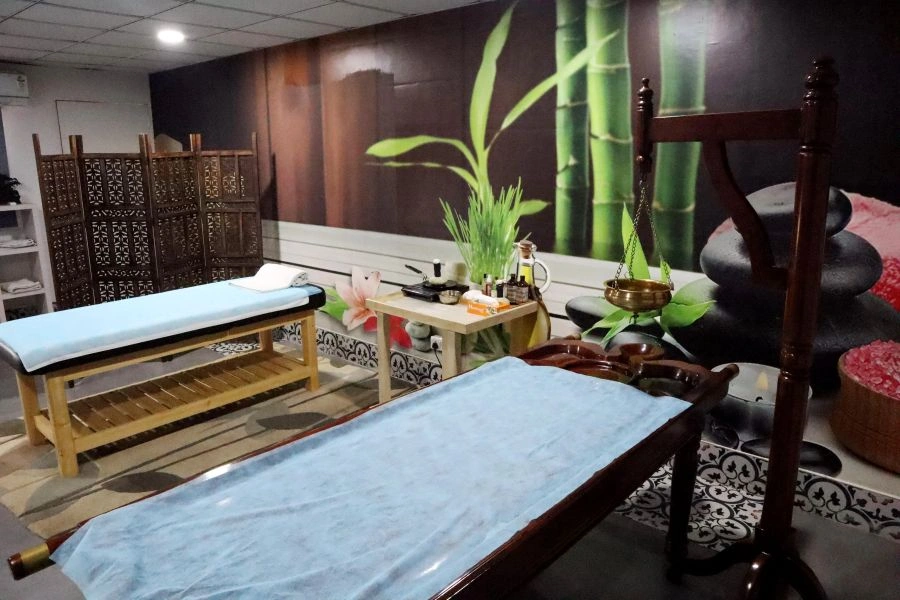
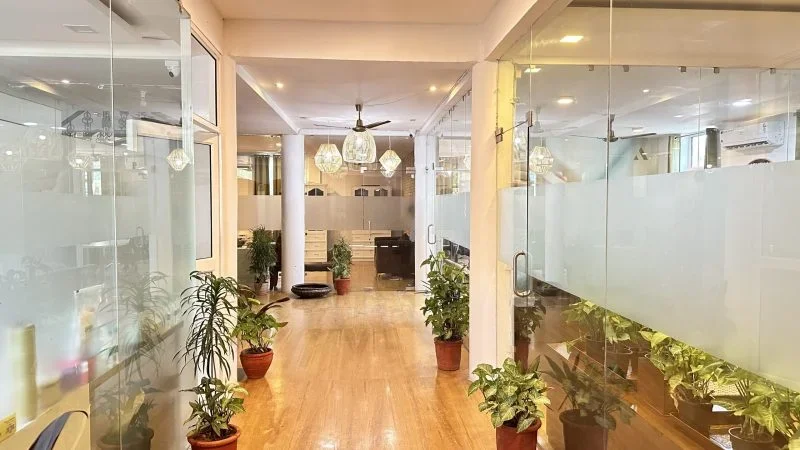
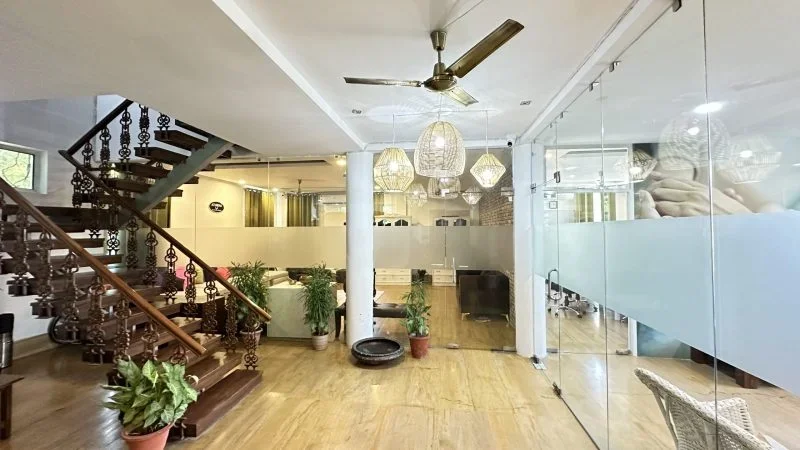
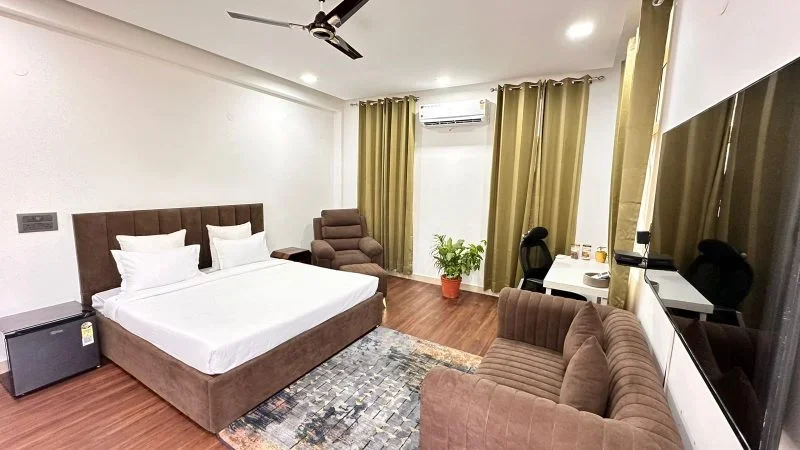
Take a Look Inside Our Delhi Facility




Conditions We Treat















.png)






WHAT OUR PATIENTS SAY
Frequently Asked Questions
Judge on facts, not slogans: registration under the Mental Healthcare Act, doctor-led treatment, overnight medical cover, supervised detox, family involvement, written aftercare and clear costs. Visit if you can and ask to see the registration certificate.
A psychiatric assessment, supervised detox if needed, therapy such as CBT, family sessions and a written aftercare plan. The mix depends on the substance, how long it has been used and any anxiety or depression alongside it.
Not safely after heavy, regular use. Sudden withdrawal from alcohol or sedative tablets can cause seizures and confusion, so please speak to a doctor first.
Appointments follow a set schedule and consultations are held in closed rooms, so discretion is routine, not a special request. Details are not shared without your consent.
Call us yourself first and ask what the first consultation involves. People are often more willing once someone close can describe it, instead of guessing.
Mostly yes, Nasha mukti kendra is the common Hindi term. What matters is that the centre is licensed and doctor-led, with medical detox and therapy, not just a place to stay.
Several government hospitals, including AIIMS, Lady Harding Medical College, Ram Manohar Lohia Hospital and IHBAS, are listed as Ministry of Health drug treatment centres. A private centre may suit you better if you want private rooms, flexible timings or a bed without a wait.
Yes, a private video or phone consultation is a good first step if you cannot travel straight away.
Only when a doctor decides they are needed, such as for withdrawal, anxiety or poor sleep. Medicines support therapy and never replace it.
The psychiatrist spends time on your history, current use, health, mood and daily life. You leave with a clear recommendation, and you are never obliged to be admitted.
How to reach Athena - Delhi
Athena Luxus, Delhi
Athena Luxus, South Delhi, New Delhi
Landmark: South Delhi
- South Delhi
- Central Delhi
- Gurugram border areas
- Noida border areas
Contact us: +919289086193
Speak to Our Care Team - 24×7 Confidential Support
Confidential help is just a call or chat away. Our team is ready to listen - without judgment, without pressure.
