
Best Cannabis Addiction Treatment in Greater Noida
Athena Behavioral Health provides cannabis addiction treatment in Greater Noida that starts with the person in front of us, not a template everyone gets run through.
- Confidential Evaluation Within 24 Hours
- Medically Supervised Detox When Required
- Individual and Group CBT for Cannabis Use
- Family Involved at the Right Stages, Not All at Once
- Separate Consultation Rooms for Privacy
- Structured Check-Ins for Months After Discharge
Book Your Appointment

You Don't Need Certainty Before You Reach Out
Cannabis dependency has a way of hiding in plain sight until someone finally says something out loud. It looks like glassy eyes are explained away as tiredness, a temper that flares over nothing, or plans that keep getting canceled for reasons that don't quite add up. None of this is really about the occasional smoke session. It's about what happens once a person can't get through a normal day without it anymore.
At Athena Behavioral Health, cannabis addiction drug treatment in Noida begins with a psychiatrist working through what's medical, what's behavioral, and what's underneath both, before writing a single line of a treatment plan. Families often tell us this is the first real explanation they've gotten, not just a list of symptoms repeated back to them. The plan that follows is built to hold up over time, not just get someone through a rough week.
"If someone is showing severe panic, vomiting, disorientation, or a racing heartbeat after cannabis use, treat it as an emergency. Contact your local emergency number or the nearest hospital right away. Ruling out a medical crisis always comes before anything else."
Our Dedicated Treatment Team for Cannabis Addiction

Prof. (Dr.) Nimesh G. Desai

Dr. Tanul Jain

Dr. Prachi Jain
How Cannabis Addiction Treatment in Guwahati Actually Begins?
We Start With Questions, Not Assumptions
Before anything is recommended, we go through how long this has been going on, what's changed in daily behavior, and whether something else, like stress or untreated anxiety, is sitting underneath it.
Detox Happens Under Supervision
Withdrawal symptoms like irritability, poor sleep, or nausea are managed by medical staff, not left for the family to handle at home.
Appointments Don't Overlap
Scheduling is deliberately staggered so patients never run into each other in a waiting room.
Medication Is Targeted, Not Routine
When it's used, it's specifically for withdrawal symptoms, reviewed regularly, and tapered once therapy is doing the heavier work.
Therapy Goes After the Root Cause
Whether the trigger is boredom, social pressure, or work burnout, sessions focus on what's actually driving the use.
Aftercare isn't an Afterthought
Scheduled follow-ups continue well past discharge, because the risk of relapse doesn't end when the program does.
Clinical Excellence
Clinicians Who Treat Substance Dependency as Their Core Focus
Our psychiatrists and therapists work specifically with substance use disorders, not as one category among many. Cannabis, in particular, is underestimated so often that people go years without treatment because someone assumed it wasn't serious. Our team doesn't operate on that assumption, and every patient is assessed with the care the condition deserves, whether the use began recently or has been going on for a decade.

Every case has its own shape. A student using cannabis to manage social anxiety needs a different plan than a professional using it to wind down after impossible hours. The triggers, daily routines, sleep patterns, and underlying conditions are never the same, so the treatment shouldn't be either. Each plan is built after a detailed evaluation and adjusted as the person progresses, an approach reflected in how Athena's Nasha Mukti Kendra in Noida structures its own treatment programmes.
That's the thinking behind why people searching for the best cannabis addiction treatment in Noida tend to find us through referrals rather than advertising. The plan actually fits the person, and families and former patients recommend us because they have seen that difference in real recovery. Their trust is something we work to earn with every patient, and it shapes how we run the program every day.
One clinician follows each case from the first evaluation through discharge. You won't have to start over with a new doctor partway through, or explain your history again at every visit. This continuity builds trust, helps the clinician notice small changes early, and keeps your treatment consistent from start to finish, so progress is never lost in handovers.
Modern Lifetime Challenges
Why Noida's Routine Makes It Easy to Miss the Signs
Commute times over long distances via expressways, unreliable air quality that forces people indoors, and a workplace environment in which one is expected to be accessible at all times all contribute to increasing stress levels in a subtle fashion. Evenings get shorter, sleep gets pushed later, and there is little time left to switch off. There is no question as to how easily cannabis can fit into such gaps and become a substance needed by those affected, often before they realise it has happened.
It should be noted that there is a significant difference between occasional users and those individuals who have developed a dependency on cannabis. The first group can usually take it or leave it, while the second group finds that cutting back is harder than expected, and that the effects of use begin to show in mood, energy, and daily routine.
Occasional Use: Does not disrupt sleep, work, or social relationships in any significant manner. The person can skip a few days or weeks without discomfort, and use stays limited to specific occasions or company.
Dependency: Use has become indispensable for feeling normal, and cessation results in significant distress. Irritability, anxiety, poor sleep, and low appetite often appear within days of stopping, and higher amounts are needed to get the same effect.

Treatment Options for Cannabis Dependency in Greater Noida
Getting past cannabis dependency isn't about a single fix; it's about finding the right level of support at the right time and adjusting as things change. Someone who has just started noticing the habit tightening its grip needs a very different starting point than someone who has been using it heavily for years and has a job or family relying on them. Rehab centres in Noida generally offer a range of options so people aren't forced into more intensity than they need, or left without enough support to actually make progress.
| Option | Time Commitment | Fits Best When |
| Detox & Medical Evaluation | 3–5 days | Withdrawal symptoms need to be managed safely first |
| Inpatient Program | 4–6 weeks | Daily use has taken over most of the person's routine |
| Partial Hospitalization (Day Program) | 3–5 weeks | Support is needed but a stable home environment already exists |
| Outpatient Therapy | Ongoing, flexible | Work, college, or family commitments can't be paused |
| Relapse Prevention & Aftercare | Ongoing | The initial program is done and long-term stability is the goal |
The Signs Families Usually Notice Last
Most people wait for a single obvious moment before acting, when the truth is the pattern has usually been visible for a while already. Here's what tends to get missed the longest.
Sudden Shifts in Temperament
Irritability or withdrawal from conversations that weren't part of who they were before.
Sleep and Appetite Out of Sync
Staying up unusually late, sleeping through mornings, or eating erratically.
Unexplained Financial Gaps
Small amounts of money or belongings that line up with periods of heavier use.
Discomfort
When They Try to Stop Restlessness or anxiety that shows up within a day or two of not using.
A Noticeable Dip in Performance
Falling grades, missed deadlines, or a manager who's started asking direct questions.
Flat Denial in the Face of Evidence
Insisting nothing is wrong, even when the changes are obvious to everyone else.
Not Sure If This Is You? Talk to a Specialist
Confidential Support, available 24×7
About Therapy At Athena
How Treatment Actually Progresses, Step by Step
Step One: Complete Evaluation
The patient's drug history, physical symptoms, and any additional information, such as family history or presence of other mental disorders, are evaluated by a psychiatrist before developing any treatment program.
Step Two: Medical Detoxification
If detoxification is needed, it occurs under medical supervision, and the physical symptoms can be addressed as they arise, not forced aside.
Step Three: Treatment
The therapy that includes CBT and motivational interviewing works on the triggers that led the person to drug abuse and gives them tools that can be used in real life.
Step Four: Establishing the Rhythm
Correcting sleep schedule, scheduling activities, and family counseling help the individual return to a healthy life routine.
Why Choose Us
Understanding the Person Comes Before Treating the Symptom

Every plan developed here is done in collaboration between a psychiatrist and a therapist based on common data, not two independent processes. They review progress together, share notes after every session, and adjust the plan as a team whenever something changes. This keeps physical symptoms like poor sleep, irritability, and cravings connected to psychological triggers like stress, anxiety, and old habits, so neither side of the problem is treated in isolation.
The process doesn't stop at discharge. The patient goes home with a written relapse prevention plan that lists personal triggers, daily routines, and clear steps to follow if cravings return. They also know that they can come back if a hard period jeopardizes all their efforts, without judgment or delay, and that follow-up support stays available well after the formal program ends.
If you are a professional who needs this process to be done quietly and fast, we have a cannabis rehab in Noida that will do just that from the moment you make the first phone call. Assessments are handled discreetly, communication remains strictly confidential, and scheduling is planned around your work commitments wherever possible. Your time off work will be kept to a minimum, limited to what is genuinely necessary, so you can return to your responsibilities with confidence.
How We Help
What Happens From Your First Message Onward
Making the first move is usually the hardest part of this whole process. Here's what follows once you do.
Call our care line or message us on WhatsApp, and expect a response confirming your first appointment the same day.
A psychiatrist goes through symptoms, history, and specific circumstances, either in person or through a private video consultation.
Detox where needed, therapy, and family sessions get combined based on what this particular situation calls for.
Scheduled check-ins after discharge keep the progress from the program from slipping once daily life resumes.
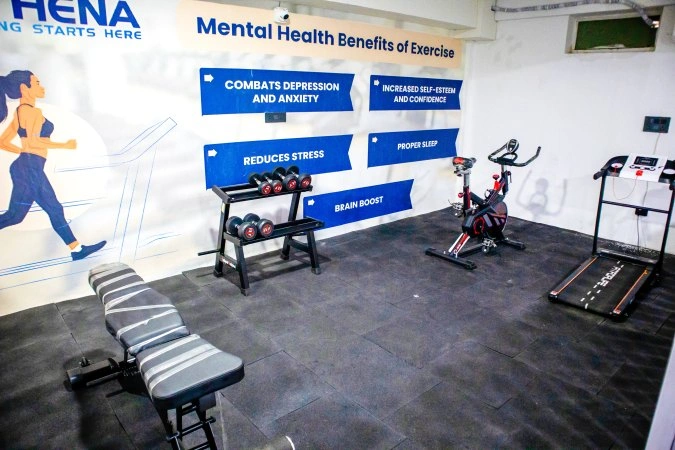
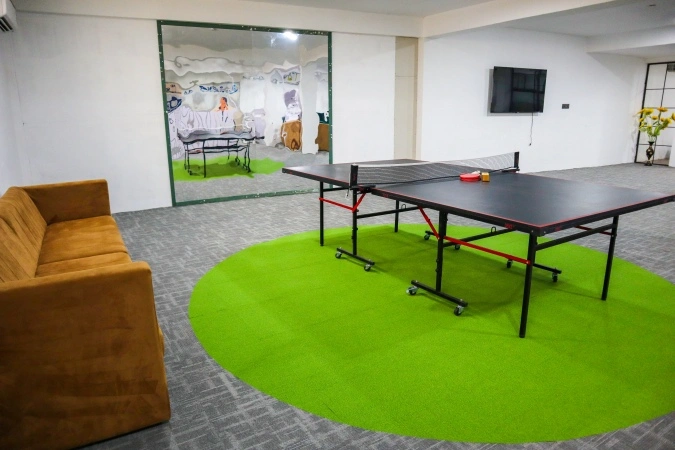
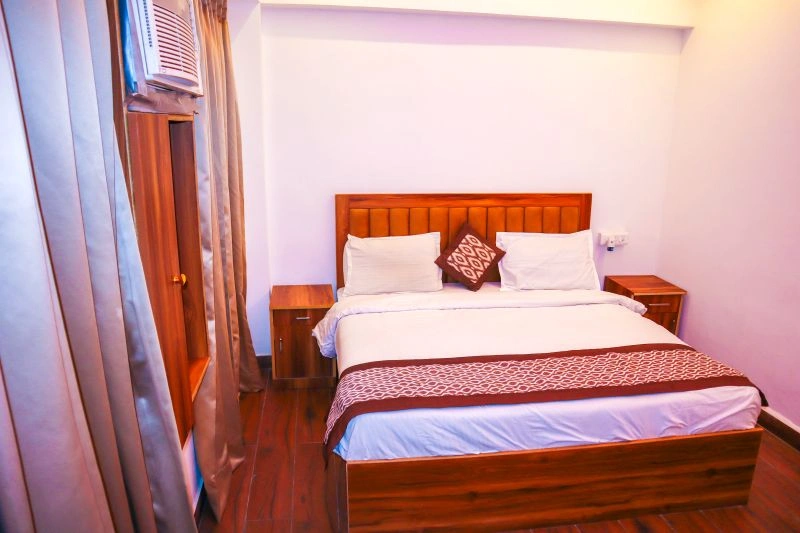
Take a Look Inside Our Noida Facility





Conditions We Treat















.png)






What Our Patients Say
Frequently Asked Questions
An organized system of psychiatric evaluation, individual counseling, and detoxification under supervision whenever necessary usually works better than multiple attempts to quit alone. Professional assistance deals with the root causes that a self-help approach normally fails to tackle.
Yes, an initial private video consultation is available for those not ready yet to come to our clinic. It is typically the most convenient starting point for the whole procedure.
No, Medication is used narrowly to manage specific withdrawal symptoms and is reviewed regularly rather than continued indefinitely. Many patients complete treatment primarily through therapy.
This depends on the duration of the problem and the reaction of the patient to early consultations. The fact that the initial period passes slowly is quite natural.
Sleep and other improvements certainly help, but this is rarely enough to solve the problem. They usually are more effective when combined with therapy than in its absence.
This is usually stabilization of acute symptoms like intense panic, palpitations, or confusion in the clinical environment until they resolve. We consider such cases critical and are accessible round-the-clock.
Consultations are scheduled so that appointments do not overlap, and consultations take place in a private room as a rule of thumb. No need to make any special requests.
Call yourself up first and find out the exact nature of the consultation process in order not to imagine something else. People are generally more willing to participate after someone familiar with them has gone through this process.
This is rare and generally reserved only for extreme cases. In most cases, patients complete the program without any stays in hospitals.
During the first consultation, the psychiatrist spends about an hour discussing the use history, symptoms, and background of the patient, previous quitting attempts, etc.
How to reach Athena - Noida
Athena Behavioral Health, Noida
opposite Vaibhav Heritage, near Ek murti chowk, Sector 16B, Roza Yakubpur, Greater Noida, Uttar Pradesh 201318
Landmark: Near Ek murti chowk, Sector 16 B,
- Sector 18, 62, 63, 71
- Greater Noida
- Noida Extension
- Ghaziabad border areas
Contact us: +919289086193
Speak to Our Care Team - 24×7 Confidential Support
Confidential help is just a call or chat away. Our team is ready to listen - without judgment, without pressure.
