
Best Borderline Personality Disorder Treatment in Delhi
Athena Behavioral Health provides Borderline Personality Disorder treatment in Delhi for exactly this, when intense emotional shifts and a shaky sense of identity have become the pattern rather than the exception.
- Comprehensive Psychiatric Assessment & Diagnosis
- Dialectical Behaviour Therapy, the gold-standard treatment for BPD
- Structured crisis and safety planning where needed
- Family coaching built into the treatment plan
- Confidential care for a condition surrounded by unfair stigma
- Long-term relapse prevention, not just crisis management
Book Your Appointment

BPD Treatment in Delhi: A Condition That's Frequently Misunderstood, and Genuinely Treatable
Borderline personality disorder gets mistaken for mood swings, being "dramatic," or even bipolar disorder far too often, when it's actually a distinct condition involving significant difficulty regulating emotions, an intense fear of abandonment that shapes relationships, and a sense of identity that can feel like it's constantly in flux. The key difference from bipolar disorder is that BPD symptoms are almost always triggered by specific interpersonal events, a delayed text, a perceived slight, and resolve within hours to a day or two, rather than lasting for days or weeks independent of any trigger.
At Athena Behavioral Health, best borderline personality disorder treatment in Delhi starts with a comprehensive Psychiatric Assessment & Diagnosis that evaluates symptom severity, relationship history, and any self-harm risk before a treatment plan is built. Where self-harm or suicidal ideation is present, establishing safety through structured crisis planning always comes first.
"If someone is engaging in self-harm or expressing suicidal thoughts with intent or a plan, this requires immediate attention. Contact your local emergency number or the nearest hospital right away. Safety always comes first, before anything else."
Our Dedicated Team for Borderline Personality Disorder Treatment in Delhi

Prof. (Dr.) Nimesh G. Desai

Dr. Ashish Mittal

Dr. Rahul Rai
Walking Into Our Delhi Centre: What the First Sessions Cover
We Start With a Full Clinical Picture, Not Assumptions
The evaluation covers symptom severity, relationship patterns, identity instability, and any self-harm or safety concerns, forming the basis of an individualized treatment and safety plan.
Safety Comes First When It's Needed
Where self-harm or suicidal ideation is present, stabilization through structured crisis planning takes priority, with inpatient support available where necessary.
DBT Is Taught as a Structured Skills Programme
Patients work through the four core Dialectical Behaviour Therapy modules, mindfulness, distress tolerance, emotional regulation, and interpersonal effectiveness, through individual and group-style sessions.
Care Is Scaled to What the Case Needs
For patients needing more structure than weekly outpatient sessions but not full residential care, our Day Care Programme offers several supervised hours at the centre each day.
Medication Targets What Comes Alongside BPD
There's no specific medication for BPD on its own, but co-occurring symptoms such as depression, anxiety, or mood instability are treated where clinically appropriate.
The Body Is Part of Recovery Too
Mindfulness, Yoga & Wellness sessions reinforce the mindfulness component of DBT, giving patients a practical, ongoing way to manage emotional intensity outside of formal sessions.
Clinical Excellence
Doctors Trained in DBT Specifically, Not General Counselling Adapted for BPD
Our psychiatrists and clinical psychologists are trained specifically in Dialectical Behaviour Therapy, the most clinically validated approach for BPD, rather than adapting general talk-therapy methods to a condition that requires a distinctly structured programme. This specialised training means treatment follows a proven framework with clear skills and goals, instead of open-ended conversation that often leaves patients and families feeling stuck.

Best BPD treatment in Delhi searches often come from families who've already tried general therapy without meaningful change, since BPD responds specifically to DBT's skills-based framework rather than open-ended conversation alone. A psychiatrist in Delhi can help identify this early, as learning practical skills for managing emotions, tolerating distress, and handling relationships is what helps patients feel more stable and in control of their daily lives.
Every case is different. Someone whose main struggle is chronic emptiness and shifting identity needs a different emphasis than someone whose primary challenge is intense anger or impulsive, risky behavior. Understanding what is truly driving a patient's difficulties allows the plan to address the real cause, and it shapes every decision that follows, from the focus of therapy sessions to the support offered to the family.
For patients managing demanding careers alongside BPD, our team can draw on Executive & High-Performance Care and Corporate Wellness & EAP, and younger patients are supported through our Child & Adolescent Psychiatry programme.
Modern Lifetime Challenges
Why BPD Frequently Goes Unnamed in Delhi
A high-pressure, competitive environment where emotional intensity is often suppressed publicly while building up privately, relationships strained by demanding work schedules and constant relocation for career opportunities, and a general tendency to label emotional intensity as "just her nature" or "just his temper" rather than a treatable condition all contribute to BPD staying unrecognized for years, frequently misdiagnosed as depression, anxiety, or bipolar disorder instead. Over time, the person and the people around them can be left exhausted by repeated cycles of conflict, regret, and reconciliation, without ever understanding what is actually driving them.
There's a real difference between BPD and bipolar disorder, despite how frequently they're confused with each other. Knowing where that line falls matters because the two conditions are treated very differently, and the right diagnosis is what makes effective treatment possible. An accurate assessment also helps families replace blame and confusion with understanding and practical support.
BPD: Mood shifts are usually triggered by interpersonal events, last hours to a day or two, and center on emotional regulation, identity, and relationships. The person may fear abandonment, feel an intense sense of emptiness, and swing quickly between closeness and anger in relationships, often followed by deep guilt or shame afterward.
Bipolar disorder: Mood episodes often occur independent of any trigger, last days to weeks, and involve distinct episodes of mania and depression. During these episodes, sleep needs, energy, and behavior change noticeably, and the person may return to a fairly stable baseline between episodes, unlike the ongoing emotional sensitivity seen in BPD.

Getting the Diagnosis Right: BPD or Something Else?
BPD is one of the most frequently misdiagnosed conditions in psychiatry, often mistaken for bipolar disorder, dismissed as "just her nature," or labelled depression or anxiety instead. Since treatment depends entirely on getting this distinction right, this table looks at how BPD is commonly confused with other conditions, and what actually separates them. It reflects how our clinical team generally works through this during an initial evaluation, though the right diagnosis for any individual is always confirmed through a complete psychiatric assessment.
| Often Mistaken For | What Actually Sets BPD Apart | Care Approach Generally Recommended |
| Bipolar Disorder | Mood shifts triggered by a specific interpersonal event (a delayed text, a perceived slight) and resolving within hours to a day or two, rather than lasting independently for days or weeks | Careful diagnostic screening for trigger pattern and duration, since treating BPD as bipolar disorder can lead to the wrong medication approach |
| Just a "Difficult Personality" or Temper | Genuine difficulty regulating emotion and identity, not a fixed character trait, with real potential for change through structured treatment | Comprehensive assessment followed by DBT, the evidence-based approach for BPD specifically |
| Depression | Emptiness and low mood that shift rapidly with relationship events, rather than a flat, persistent state lasting weeks regardless of circumstance | Assessment distinguishing mood reactivity and relational triggers from a standalone depressive episode |
| Anxiety Disorder | Fear centered specifically on abandonment and relationship instability, rather than generalized worry across unrelated areas of life | DBT with a focus on interpersonal effectiveness and distress tolerance, alongside treatment for any co-occurring anxiety |
| Ordinary Relationship Conflict | Relationships swinging between idealizing someone and feeling completely betrayed by them, often within the same relationship and same week | Individual DBT plus family coaching, so both the patient and those close to them build the same communication skills |
| A Crisis Requiring Immediate Safety | Active self-harm or suicidal thoughts with intent or a plan, alongside the broader BPD pattern | Structured crisis planning and stabilisation first, with inpatient support where necessary, before skills-based therapy begins |
Patterns That Get Labeled as Personality Instead of a Condition
BPD symptoms tend to be dismissed as dramatic behavior or relationship instability long before anyone considers there might be a clinical explanation.
Intense Fear of Abandonment
Real or even imagined signs of someone pulling away trigger disproportionate panic or desperate attempts to hold on.
Relationships Swinging Between Extremes
Rapidly alternating between idealizing someone and feeling completely betrayed by them, often within the same relationship.
Sudden, Intense Mood Shifts
Emotional states change dramatically within hours, almost always tied to a specific interpersonal trigger.
A Persistent Sense of Emptiness
A hollow, disconnected feeling that doesn't lift even during genuinely good periods.
Impulsive or Risky Behavior
Reckless spending, substance use, or impulsive decisions made in moments of heightened emotion.
Self-Harm or Recurring Suicidal Thoughts
In more severe cases, these require immediate clinical attention and structured safety planning.
Not Sure If This Is You? Talk to a Specialist
Confidential Support, available 24×7
ABOUT THERAPY AT ATHENA
Phase by Phase: How BPD Treatment Unfolds in Delhi
Phase One, Assessment & Safety Planning
A comprehensive clinical assessment evaluates symptom severity, relationship patterns, and any safety concerns, forming the basis of an individualized plan.
Phase Two, Stabilisation Where Needed
Where self-harm or suicidal ideation is present, establishing safety through structured crisis planning and inpatient support, if required, comes first.
Phase Three, Core DBT Skills Training
Patients learn mindfulness, distress tolerance, emotional regulation, and interpersonal effectiveness through structured Psychotherapy & Counselling, delivered both individually and in group settings.
Phase Four, Applying Skills to Real Relationships
As emotional regulation improves, therapy shifts toward applying these skills to actual relationship dynamics and building a steadier, more consistent sense of identity. Patients continue reinforcing DBT skills with reduced session frequency, supported by a Relapse Prevention & Aftercare plan for managing future emotional crises.
Why Choose Us
How Our Approach to BPD Differs From General Therapy

Every case is managed jointly by a psychiatrist and a clinical psychologist trained specifically in DBT, not a general therapist applying broad talk-therapy techniques to a condition that genuinely needs structured, skills-based treatment. This distinction matters significantly, since BPD has one of the most positive long-term outlooks among personality disorders when treated correctly, and a meaningful proportion of patients no longer meet full diagnostic criteria after sustained DBT treatment.
Treatment here goes beyond reactive crisis management. It's a structured, long-term process moving a patient from safety and stabilization through to applying emotional regulation skills in real relationships and, eventually, sustained maintenance. Family coaching is woven into this from early on, since validation-based communication at home meaningfully reinforces what's being learned in sessions.
For patients who need more consistent structure than weekly therapy but not full residential admission, our Day Care Programme bridges that gap with several supervised hours each day while the person continues living at home. It offers steady support during the most vulnerable early weeks, without pulling the person away from family routines or work.
How We Help
Your First Step, and Everything That Follows
Reaching out is often difficult, especially given the stigma that still surrounds BPD. Here's what follows once you do.
Call our helpline or message us on WhatsApp, and get confirmation of your first appointment the same day.
A psychiatrist carries out a comprehensive Psychiatric Assessment & Diagnosis, including a specific safety assessment, either in person or through a private video consultation.
DBT-based Psychotherapy & Counselling, family coaching, and where appropriate, our Day Care Programme, are combined based on the severity and specifics of the case.
Our Relapse Prevention & Aftercare programme continues with reduced session frequency well into maintenance, since BPD recovery is built through consistent skill reinforcement over time, not a single course of therapy.
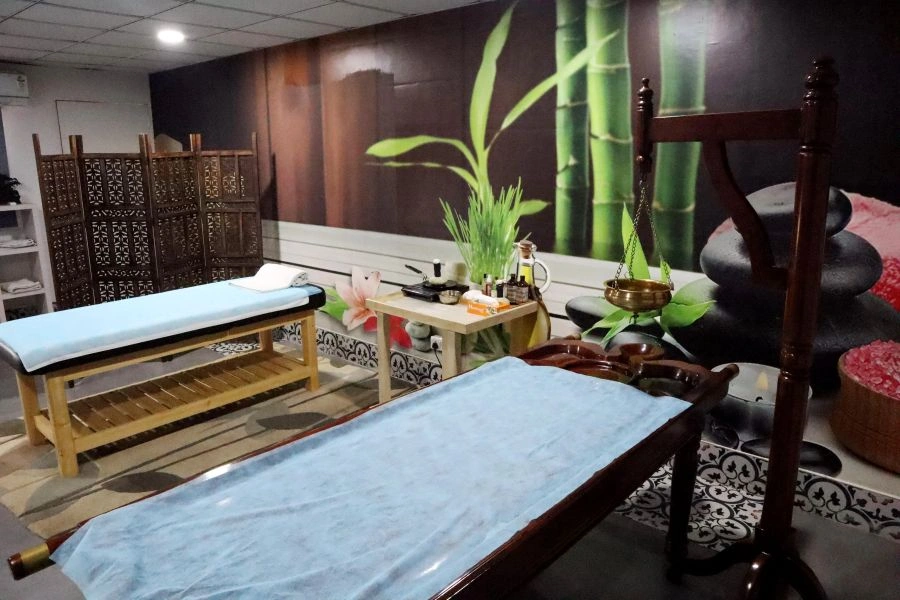
Take a Look Inside Our Delhi Facility







Conditions We Treat















.png)






What Our Patients Say
Frequently Asked Questions
No, and this confusion is extremely common. Bipolar disorder involves distinct mood episodes lasting days to weeks that often occur without any specific trigger. BPD involves rapid emotional shifts usually triggered by interpersonal events, lasting hours to a day or two, along with patterns affecting identity and relationships. Getting the diagnosis right matters, since treatment approaches for the two are quite different.
No. There's no specific medication for BPD itself. Medication may be used to manage co-occurring symptoms like depression, anxiety, or mood instability where clinically appropriate, but DBT-based therapy remains the core treatment.
Validating their emotional experience without necessarily agreeing with every reaction, maintaining consistent boundaries, and encouraging continued engagement in therapy tend to help the most. Our family coaching sessions provide structured guidance specifically for this.
No, While BPD is diagnosed more frequently in women, this is partly due to differences in how symptoms present and get recognized clinically. Men experience BPD too, sometimes with symptoms that go under-identified or get misdiagnosed as something else.
Only where self-harm or suicidal ideation with intent or a plan is present, in which case stabilization and inpatient support come first. Most BPD treatment is managed through outpatient therapy or our Day Care Programme.
It's genuinely treatable. With consistent DBT-based treatment, many people experience substantial improvement in emotional regulation and relationship stability, and a meaningful number no longer meet full diagnostic criteria after sustained treatment.
Standard DBT programmes are often structured over six months to a year for full skills training, though many patients notice meaningful improvement in crisis management and emotional regulation within just the first few months.
No single cause explains BPD. While invalidating or unstable early environments can be a contributing factor, BPD develops from a combination of genetic, biological, and environmental factors. Placing sole blame on parenting isn't accurate and doesn't help move treatment forward.
Yes, With sustained DBT treatment, many people develop the emotional regulation and interpersonal skills needed to build and maintain stable, fulfilling relationships over the long term.
The clinical team evaluates symptom severity, relationship patterns, identity stability, and any safety concerns tied to self-harm, using this full picture to build an individualized treatment and, where necessary, safety plan.
How to reach Athena - Delhi
Athena Luxus, Delhi
Athena Luxus, South Delhi, New Delhi
Landmark: South Delhi
- South Delhi
- Central Delhi
- Gurugram border areas
- Noida border areas
Contact us: +919289086193
Speak to Our Care Team - 24×7 Confidential Support
Confidential help is just a call or chat away. Our team is ready to listen - without judgment, without pressure.
