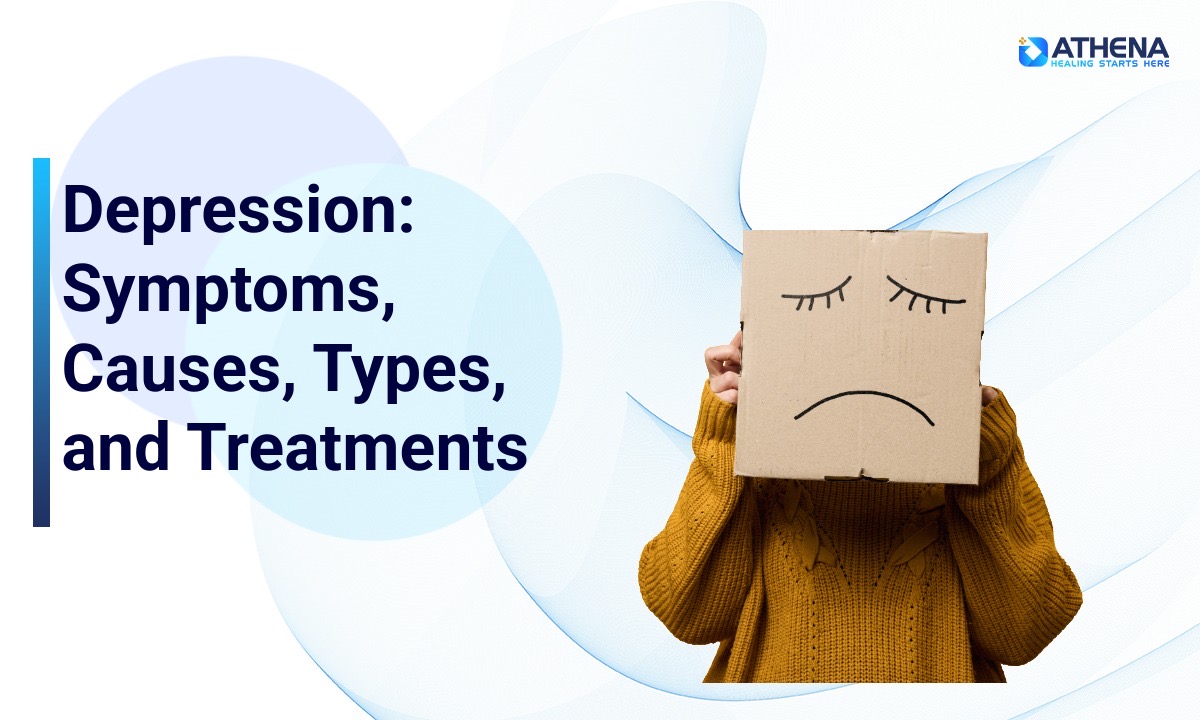

Depression is a common but treatable mental health condition that affects emotions, thoughts, physical health, and daily life. Recognizing symptoms early and seeking professional care can improve recovery outcomes. This guide explains the symptoms, causes, types, diagnosis, and evidence-based options for depression treatment in India, helping you make informed decisions about mental health care.
Depression is more than feeling sad or having a difficult day—it is a medical condition that can affect every aspect of life. If symptoms persist for more than two weeks or begin interfering with work, relationships, or daily activities, seeking professional help is important.
At
What Is Depression?
Depression, also known as major depressive disorder, is a mental health condition characterized by persistent feelings of sadness, hopelessness, and a loss of interest in activities that were once enjoyable. Unlike temporary emotional lows, depression lasts for weeks or months and can affect how a person thinks, feels, behaves, and functions in everyday life.
Depression is not a sign of weakness or a lack of willpower. It is a recognized medical condition influenced by biological, psychological, and environmental factors. With the right diagnosis and treatment, most people experience significant improvement and can regain control over their lives.
Mental health awareness has grown considerably in recent years, encouraging more people to seek support without fear of judgment. Early recognition remains one of the most important steps toward recovery.
How Common Is Depression in India?
Depression affects people of all ages, backgrounds, and professions. Students, working professionals, parents, older adults, and even adolescents may experience depressive disorders at different stages of life.
Rapid lifestyle changes, workplace stress, academic pressure, financial responsibilities, social isolation, chronic illnesses, and major life transitions have contributed to increasing awareness of depression across India.
It is also important to differentiate emotional burnout from clinical mood disorders, learning the
Although conversations around mental health have become more open, many individuals still delay seeking treatment because they mistake depression for temporary stress or believe they should simply "push through" their feelings.
Understanding that depression is a medical condition, not a personal failure, helps reduce stigma and encourages timely intervention.
Common Symptoms of Depression
Depression affects far more than mood. Symptoms can appear emotionally, physically, mentally, and behaviorally. While everyone experiences depression differently, symptoms that continue for two weeks or longer should be evaluated by a qualified mental health professional.
Emotional Symptoms
Many people first notice emotional changes that gradually become more intense over time.
Common emotional symptoms include:
Persistent sadness
Feeling empty or numb
Hopelessness about the future
Excessive guilt
Irritability
Frequent crying
Loss of confidence
Feeling overwhelmed by simple tasks
These emotions often persist even when circumstances improve, making it difficult to experience joy or motivation.
Cognitive Symptoms
Depression also affects thinking patterns and concentration.
People may experience:
Difficulty concentrating
Poor memory
Trouble making decisions
Constant self-criticism
Negative thinking
Reduced problem-solving ability
Feeling mentally "slowed down"
Many individuals mistakenly believe they are becoming less productive or less capable, when these cognitive difficulties are actually symptoms of depression.
Physical Symptoms
Although depression is a mental health condition, physical symptoms are extremely common. In fact, medical research highlights how severe emotional strain affects the body, such as investigating
These may include:
Constant fatigue
Low energy
Headaches
Muscle aches
Digestive discomfort
Changes in appetite
Weight gain or weight loss
Sleeping too much
Difficulty falling asleep
Waking up frequently during the night
These physical symptoms often lead people to seek medical care before recognizing that depression may be the underlying cause.
Behavioural Symptoms
Depression gradually changes daily habits and routines.
Behavioural signs include:
Withdrawing from family and friends
Avoiding social situations
Reduced work or academic performance
Losing interest in hobbies
Neglecting personal hygiene
Increased procrastination
Difficulty completing everyday responsibilities
As symptoms worsen, even simple activities such as getting out of bed or preparing meals may begin to feel overwhelming.
Warning Signs That Require Immediate Attention
Some symptoms indicate the need for urgent professional support.
Seek immediate help if someone experiences:
Thoughts of self-harm
Suicidal thoughts
Talking about feeling hopeless
Giving away belongings unexpectedly
Severe emotional distress
Complete inability to function in daily life
Prompt intervention can make a significant difference and may prevent a mental health crisis.
What Causes Depression?
Depression rarely develops because of a single reason. Instead, it usually results from a combination of biological, psychological, social, and environmental factors.
Understanding these contributing factors helps individuals recognize that depression is a medical condition with multiple influences rather than something caused by personal weakness.
Biological Causes
Brain function plays an important role in regulating mood.
Researchers believe depression may involve changes in neurotransmitters—chemical messengers such as serotonin, dopamine, and norepinephrine—that help regulate emotions, motivation, and stress responses.
Genetics can also increase the likelihood of developing depression. Individuals with close family members who have experienced depression may have a higher risk, although genetics alone do not determine whether someone will develop the condition. (Note: In biology, genetic concepts like heterosis and inbreeding depression illustrate how genetic diversity affects organism vigor, though clinical human depression involves a broader set of medical factors).
Hormonal changes, chronic inflammation, neurological disorders, and certain medical conditions may also contribute.
Psychological Causes
Mental and emotional experiences significantly influence the development of depression.
Psychological risk factors include:
Childhood trauma
Emotional neglect
Physical or emotional abuse
Low self-esteem
Persistent anxiety
Chronic stress
Perfectionism
Negative thinking patterns
These experiences can affect how individuals respond to future stress and emotional challenges.
Lifestyle and Environmental Factors
Modern lifestyles often expose people to prolonged stress, which may contribute to depression.
Common environmental triggers include:
High-pressure work environments
Academic stress
Financial difficulties
Relationship conflicts
Divorce or separation
Loss of a loved one
Loneliness
Social isolation
Poor work-life balance
Long-term exposure to these stressors may gradually increase emotional exhaustion and vulnerability to depression.
Medical Conditions Linked to Depression
Depression sometimes develops alongside physical illnesses.
Certain health conditions associated with depression include:
Diabetes
Heart disease
Thyroid disorders
Cancer
Parkinson's disease
Chronic pain conditions
Stroke
Hormonal disorders
Some medications may also contribute to depressive symptoms, making comprehensive medical evaluation important during diagnosis.
Risk Factors for Depression
Although anyone can develop depression, certain factors may increase vulnerability.
These include:
Family history of depression
Previous episodes of depression
Chronic stress
Anxiety disorders
Substance misuse
Major life transitions
Serious physical illness
Limited social support
Traumatic experiences
Sleep disorders
Having one or more risk factors does not mean someone will definitely develop depression. However, recognizing these factors can encourage earlier intervention and preventive care.
Why Early Treatment Matters
Many people wait months, or even years, before seeking help because they believe their symptoms will disappear on their own. Unfortunately, untreated depression can become more severe over time, affecting physical health, relationships, careers, education, and overall quality of life.
Seeking depression treatment India at the earliest signs of persistent symptoms can improve recovery outcomes and reduce the likelihood of complications. Modern mental health care combines psychological therapies, medication when appropriate, lifestyle interventions, and ongoing support to help individuals regain emotional well-being.
Types of Depression
Depression is not the same for everyone. Symptoms, severity, duration, and treatment needs can vary from person to person. Understanding the different types of depression helps ensure that individuals receive the most appropriate care and support.
Major Depressive Disorder (MDD)
Major Depressive Disorder is the most common form of depression. It involves persistent symptoms that interfere with work, relationships, studies, and daily activities.
People with MDD may experience:
Persistent sadness
Loss of interest in activities
Fatigue
Changes in sleep or appetite
Difficulty concentrating
Feelings of guilt or worthlessness
Without treatment, symptoms may continue for weeks or months.
Persistent Depressive Disorder (Dysthymia)
Persistent Depressive Disorder is a long-lasting form of depression. Symptoms are often less severe than MDD but continue for two years or longer.
Individuals may appear to function normally while constantly feeling:
Low mood
Reduced energy
Poor self-esteem
Lack of motivation
Difficulty enjoying life
Because symptoms develop gradually, many people do not realize they have a treatable condition.
Bipolar Depression
People with bipolar disorder experience episodes of depression along with periods of unusually elevated mood, known as mania or hypomania.
During depressive episodes, symptoms resemble major depression, including:
Persistent sadness
Loss of interest
Fatigue
Difficulty concentrating
Changes in sleep and appetite
Accurate diagnosis is essential because treatment differs from other depressive disorders.
Postpartum Depression
Postpartum depression affects some women after childbirth. It is more severe and longer-lasting than the temporary emotional changes commonly experienced after delivery.
Symptoms may include:
Persistent sadness
Anxiety
Difficulty bonding with the baby
Sleep disturbances
Loss of appetite
Feelings of guilt or hopelessness
Early treatment supports both the mother's well-being and the baby's development.
Seasonal Affective Disorder (SAD)
Seasonal Affective Disorder is linked to seasonal changes, most commonly during winter months when daylight hours decrease.
People may experience:
Low energy
Increased sleep
Difficulty concentrating
Weight gain
Social withdrawal
Symptoms usually improve as seasons change.
Premenstrual Dysphoric Disorder (PMDD)
PMDD is a severe form of premenstrual syndrome that causes significant emotional and physical symptoms before menstruation.
Common symptoms include:
Mood swings
Irritability
Anxiety
Depression
Fatigue
Difficulty concentrating
Professional evaluation can help distinguish PMDD from other mood disorders.
Psychotic Depression
In rare cases, severe depression may occur alongside psychotic symptoms such as:
Delusions
Hallucinations
Extreme hopelessness
Confusion
This condition requires immediate psychiatric evaluation and specialized treatment.
Treatment-Resistant Depression
Some individuals do not respond adequately to initial medications or therapy.
Treatment-resistant depression may require:
Medication adjustments
Combination therapies
Advanced psychiatric interventions
Structured rehabilitation programs
A personalized treatment plan often improves outcomes.
How Is Depression Diagnosed?
There is no single blood test or scan that confirms depression. Diagnosis involves a comprehensive evaluation by a qualified mental health professional.
Early assessment helps identify the type and severity of depression and guides the most effective treatment approach.
Clinical Assessment
The first step involves a detailed discussion about:
Current symptoms
Medical history
Family history
Emotional well-being
Lifestyle factors
Recent life events
Mental health professionals also assess how symptoms affect daily functioning.
Psychological Screening
Standardized screening tools may be used to better understand symptom severity.
These assessments evaluate:
Mood changes
Sleep patterns
Appetite
Energy levels
Concentration
Emotional health
They support, but do not replace, a clinical diagnosis.
Medical Evaluation
Sometimes physical health conditions can contribute to symptoms similar to depression.
A healthcare provider may recommend tests to rule out conditions such as:
Thyroid disorders
Vitamin deficiencies
Hormonal imbalances
Neurological conditions
Identifying underlying medical issues ensures accurate diagnosis.
Why Early Diagnosis Matters
Seeking help early often leads to better recovery.
Early diagnosis can:
Prevent symptoms from worsening
Improve quality of life
Reduce emotional distress
Support healthier relationships
Improve work and academic performance
Most importantly, early intervention allows treatment to begin before depression significantly affects daily life.
Depression Treatment in India
There is no one-size-fits-all approach to treating depression. The most effective treatment depends on symptom severity, medical history, lifestyle, and individual needs.
Today, clinical support includes evidence-based therapies, medication, lifestyle interventions, and specialized care such as integrated depression and addiction treatment for co-occurring conditions, focusing on long-term recovery rather than temporary symptom relief.
Can Depression Be Treated Successfully?
Yes. Most people improve significantly with timely and appropriate care.
Recovery depends on factors such as:
Early diagnosis
Personalized treatment
Consistency with therapy
Family support
Healthy lifestyle habits
Every recovery journey is unique, and progress may take time.
Psychotherapy
Talk therapy is one of the most effective treatments for depression.
Common approaches include:
Cognitive Behavioural Therapy (CBT)
CBT helps individuals identify and change unhelpful thought patterns that contribute to depression.
It focuses on:
Managing negative thinking
Building coping skills
Improving emotional resilience
Developing healthier behaviours
Interpersonal Therapy (IPT)
IPT focuses on improving relationships and communication.
It may help individuals experiencing depression related to:
Grief
Relationship conflicts
Life transitions
Social isolation
Mindfulness-Based Therapy
Mindfulness techniques help individuals become more aware of their thoughts and emotions without becoming overwhelmed by them.
Benefits include:
Better emotional regulation
Reduced stress
Improved self-awareness
Lower risk of relapse
Medication
For moderate to severe depression, medication may be recommended alongside therapy.
Treatment plans are carefully monitored by psychiatrists to ensure:
Appropriate dosage
Symptom improvement
Minimal side effects
Safe long-term use
Medication should always be taken under medical supervision.
Lifestyle Changes That Support Recovery
Healthy daily habits complement professional treatment and improve overall well-being.
Helpful lifestyle practices include:
Regular physical activity
Balanced nutrition
Consistent sleep schedule
Stress management
Mindfulness or meditation
Limiting alcohol and substance use
Staying socially connected
Small, sustainable changes often make a meaningful difference over time.
Family Support and Counselling
Recovery is often easier when family members understand depression and provide encouragement.
Family counselling can help by:
Improving communication
Reducing misunderstandings
Building emotional support
Encouraging healthy coping strategies
Supportive relationships play an important role in long-term recovery.
Inpatient vs Outpatient Treatment
Treatment recommendations depend on symptom severity.
Outpatient Care
Suitable for individuals who can continue daily routines while attending scheduled therapy sessions and medical appointments.
Inpatient or Residential Care
May be recommended for individuals experiencing:
Severe depression
High suicide risk
Treatment-resistant depression
Significant difficulty managing daily life
Residential programs provide structured care in a safe and supportive environment.
Personalized Depression Care
Because depression affects everyone differently, treatment should always be individualized.
Leading providers of depression treatment India develop personalized care plans that may combine psychotherapy, medication, family counselling, wellness programs, and ongoing follow-up to support lasting recovery rather than short-term symptom management.
When Should You Seek Professional Help?
Everyone experiences sadness from time to time. However, if low mood continues for more than two weeks or begins affecting your daily life, it is important to seek professional support.
Early intervention often leads to better recovery and reduces the risk of complications.
Signs You Should Consult a Mental Health Professional
Consider seeking help if you experience:
Persistent sadness or emptiness
Loss of interest in activities you once enjoyed
Difficulty concentrating
Changes in sleep or appetite
Constant fatigue
Feelings of hopelessness or guilt
Difficulty managing work, studies, or relationships
Increased anxiety or irritability
These symptoms should not be ignored, especially if they continue despite self-care efforts.
When Immediate Help Is Needed
Some situations require urgent medical attention.
Seek immediate support if you or someone you know experiences:
Thoughts of self-harm
Suicidal thoughts
Extreme emotional distress
Hallucinations or delusions
Complete withdrawal from daily life
Inability to care for basic needs
Prompt treatment can be lifesaving and provide the support needed during a mental health crisis.
Can Depression Be Prevented?
Depression cannot always be prevented, but healthy habits can lower the risk and improve emotional resilience.
Small, consistent lifestyle changes also support recovery and help reduce the chances of future episodes.
Build Healthy Daily Habits
Maintaining a balanced routine can positively affect mental well-being.
Focus on:
Regular physical activity
Nutritious meals
Consistent sleep
Limiting alcohol and substance use
Taking breaks from work-related stress
Healthy habits support both physical and emotional health.
Manage Stress Effectively
Stress is a normal part of life, but chronic stress can affect mental health.
Helpful stress-management techniques include:
Deep breathing exercises
Meditation
Yoga
Journaling
Time management
Spending time outdoors
Even a few minutes of relaxation each day can make a difference.
Stay Connected
Strong relationships provide emotional support during difficult times.
Try to:
Stay in touch with family and friends
Join support groups
Participate in community activities
Talk openly about your feelings
Seeking support is a sign of strength, not weakness.
Prioritize Mental Well-being
Just as regular health check-ups are important for physical health, paying attention to emotional well-being is equally valuable.
Consider speaking with a mental health professional if you notice ongoing emotional changes, even if symptoms seem mild.
Early guidance can prevent symptoms from becoming more severe.
Why Choose Athena Behavioral Health for Depression Treatment in India?
Living with depression can feel overwhelming, but recovery is possible with the right support. At Athena Behavioral Health, every treatment plan is designed around the individual's unique needs, symptoms, and recovery goals.
Athena combines evidence-based therapies with compassionate care to help individuals regain emotional balance and improve their quality of life.
What Makes Athena Different?
Individualized treatment plans
Experienced psychiatrists, psychologists, and therapists
Evidence-based psychotherapy and medication management
Family counselling and holistic wellness support
Safe, confidential, and compassionate environment
Structured care for mild, moderate, severe, and treatment-resistant depression
Continued follow-up and relapse prevention planning
Whether you are experiencing depression for the first time or have struggled with symptoms for years, Athena provides comprehensive support at every stage of recovery.
Take the First Step Toward Recovery
Depression is a medical condition—not a personal weakness—and effective treatment is available. Seeking help early can improve your emotional well-being, strengthen relationships, and restore confidence in daily life.
If you or someone you care about is experiencing symptoms of depression, don't wait for them to become overwhelming. Athena Behavioral Health offers depression treatment India through personalized care, evidence-based therapies, expert mental health professionals, and ongoing support tailored to your recovery journey.
Reach out to Athena Behavioral Health today and take the first step toward a healthier, more hopeful future.