
Bhang has been part of Indian culture for centuries, yet confusion around its safety continues. Many people search for what bhang is, whether it’s legal, and how it affects mental health. At Athena Behavioral Health, we regularly speak with individuals who underestimate its impact because it is culturally accepted.
This page provides evidence-based information on bhang, including its meaning, effects on the brain and body, legal status, and potential risks. Our goal is to help you make informed health decisions grounded in medical facts, not myths.
What Is Bhang?
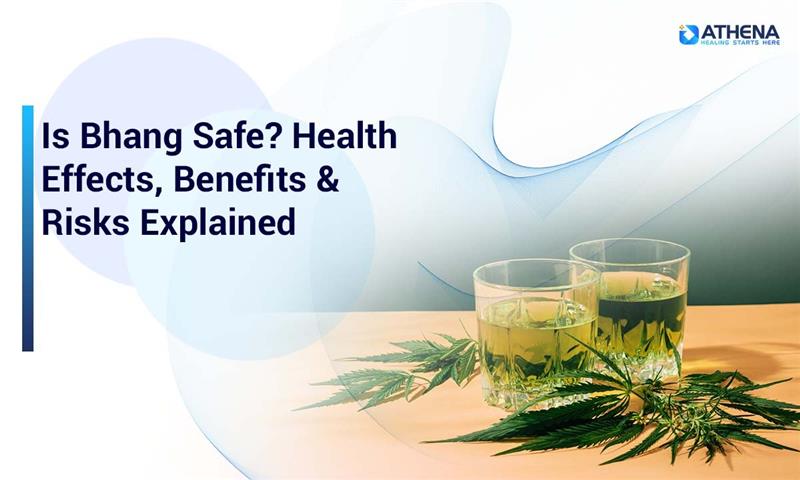
When people ask what is bhang, they are referring to an edible cannabis preparation traditionally used in India. Bhang is typically mixed into drinks like thandai or lassi, especially during festivals such as Holi and Shivratri.
In simple terms, bhang meaning refers to a paste or mixture made from parts of the cannabis plant. Unlike smoking marijuana, bhang is consumed orally, which changes how it affects the body and brain.
Because it is eaten or drunk rather than smoked, its onset is slower but often more intense and longer-lasting. This difference leads many people to underestimate its strength.
What Is Bhang Made Of?
To clearly define what bhang is, we must examine its ingredients.
Bhang is made from:
- Leaves and sometimes buds of the cannabis plant
- Milk or yogurt
- Spices like cardamom, fennel, and black pepper
- Sugar or sweeteners
The active compound in bhang is THC (tetrahydrocannabinol). THC is responsible for the psychoactive effects. Even though bhang traditionally uses leaves (which may contain lower THC than flowering tops), the concentration can vary widely.
Because preparation methods differ, dosage becomes unpredictable. This unpredictability increases the risk of unwanted bhang side effects, particularly for first-time users.
How Is Bhang Different from Ganja?
Many people compare bhang vs ganja, assuming they are identical. They both come from cannabis, but they differ in preparation and potency.
Here’s the key distinction:
Bhang
- Made mainly from cannabis leaves
- Consumed orally (drink or edible)
- Slower onset (30–90 minutes)
- Longer-lasting effects
Ganja
- Made from dried cannabis flowers
- Typically smoked
- Rapid onset (minutes)
- Shorter duration
Because bhang is metabolized through the liver, it converts THC into 11-hydroxy-THC, a more potent compound. This process explains why edible cannabis products can feel stronger than smoked forms.
Understanding bhang vs ganja is important for safety. Edibles often lead to accidental overconsumption because users assume they are not feeling anything and take more.
Effects of Bhang
The bhang effects on the brain and body depend on dosage, frequency, and individual sensitivity. Since it acts as a psychoactive substance, it alters perception, mood, and cognition.
Short-Term Effects
Common short-term effects include:
- Euphoria or relaxation
- Altered perception of time
- Increased appetite
- Impaired coordination
- Slowed reaction time
Some individuals may also experience:
- Anxiety or panic
- Paranoia
- Hallucinations
- Confusion
The intensity varies. First-time users are more vulnerable to distressing reactions.
Read Also: What is Charas?
Impact of Bhang on Brain and Body
We often evaluate how substances influence mental health. The bhang effects on the brain can be particularly significant in certain groups. People experiencing ongoing psychological symptoms can also explore professional mental health support when substance use begins affecting their daily life.
Brain Impact
THC interacts with cannabinoid receptors in the brain. These receptors influence:
- Memory
- Mood regulation
- Attention
- Decision-making
Repeated exposure may affect:
- Short-term memory
- Motivation
- Emotional stability
Adolescents and young adults face higher risks because their brains are still developing. Regular use may increase vulnerability to anxiety disorders or psychosis in predisposed individuals.
Body Impact
Physical bhang side effects may include:
- Dry mouth
- Increased heart rate
- Dizziness
- Nausea
- Low blood pressure
In high doses, people may experience severe anxiety, vomiting, or disorientation requiring medical attention.
For individuals with heart conditions, mental health disorders, or a substance use history, risks increase significantly.
How Long Does Bhang Last?
One of the most common questions is how long bhang lasts.
Because bhang is consumed orally:
- Effects usually begin within 30 to 90 minutes
- Peak effects occur around 2 to 4 hours
- Total duration can last 6 to 8 hours
- Residual effects may persist up to 24 hours
This long duration increases risk, especially when taken in social settings. People may consume more before the first dose has fully taken effect.
Understanding how long bhang lasts is essential for preventing accidental overdose.
Is Bhang Legal in India?
Another frequent search query is that bhang is legal in India.
Under the Narcotic Drugs and Psychotropic Substances (NDPS) Act, cannabis resin and flowers are illegal. However, the law does not explicitly ban cannabis leaves. Because bhang is traditionally made from leaves, it occupies a legal grey area.
In several states:
- Government-licensed shops sell bhang
- It is permitted during religious festivals
- Regulations vary by region
However, legality does not equal safety. Even if someone asks, “Is bhang legal in India,” the more important question remains: Is it medically safe for you?
Tourists and residents should always check local laws before purchasing. Possession rules differ across states.
Is Bhang Safe?
The safety of bhang depends on multiple factors:
- Dose
- Frequency
- Mental health history
- Medical conditions
- Age
Occasional, low-dose use in healthy adults may not cause long-term harm. However, repeated or heavy use increases the risk of:
- Dependence
- Cognitive changes
- Anxiety disorders
- Psychotic episodes
- Accidents due to impaired judgment
From a mental health perspective, bhang is not risk-free. Individuals with depression, bipolar disorder, schizophrenia, or substance use disorder should avoid it. If you notice persistent mood changes, anxiety, memory problems, or difficulty controlling use, professional evaluation is important.
If cannabis or another substance has become difficult to control, specialized addiction treatment can provide structured assessment and support.
At Athena Behavioral Health, we provide confidential assessments and evidence-based treatment for substance use and co-occurring mental health conditions.
Warning Signs of Problematic Use
Seek professional support if you experience:
- Needing larger amounts to feel the same effect
- Using despite negative consequences
- Difficulty stopping
- Withdrawal symptoms like irritability or sleep disturbance
- Decline in academic or work performance
Early intervention improves outcomes significantly.
When to Seek Immediate Help
Emergency care may be necessary if someone experiences:
- Severe panic or hallucinations
- Chest pain
- Uncontrollable vomiting
- Loss of consciousness
Substance-induced psychosis can require urgent psychiatric evaluation.
For people seeking care in specific locations, rehabilitation services in Delhi, Nasha Mukti Kendra in Gurgaon, or Nasha Mukti Kendra in Noida may provide additional options.
If mental health symptoms are also present, consulting a qualified psychiatrist in Noida or psychiatrist in Gurgaon can help determine whether co-occurring mental health conditions require attention.
If you or someone you care about is struggling with cannabis-related concerns, contact Athena Behavioral Health today. Our team of licensed psychiatrists, psychologists, and addiction specialists provides personalized care in a safe, confidential environment.
Early support prevents long-term complications.
Final Thoughts
Understanding what is bhang and its health implications is essential in today’s context. Cultural acceptance does not eliminate medical risks. The growing interest in cannabis products makes accurate, evidence-based information more important than ever.
If you have questions about bhang side effects, mental health concerns, or substance use patterns, Athena Behavioral Health is here to help. Professional guidance ensures safety, clarity, and long-term well-being.