
Best Anxiety Disorder Treatment in Delhi
Athena Behavioral Health delivers anxiety disorder treatment in Delhi that starts with a real clinical picture of the patient, not a template applied to everyone who walks in.
- Comprehensive Psychiatric Assessment
- CBT and Talk Therapy for Anxiety
- Structured Exposure-Based Sessions
- Psychiatric Medication Only Where Indicated
- Breathwork, Yoga, and Daily Wellness Routines
- Post-Treatment Follow-Up and Relapse Support
Book Your Appointment

Anxiety Disorder Treatment in Delhi: When Something Feels Off
Anxiety disorder doesn't make its presence known most politely. The patient will experience a racing heart during an ordinary discussion, a lack of ability to remain still, insomnia, and circling of the same worrisome thoughts round and round in one's head. But the difference is that once the initial cause of concern no longer exists, the patient continues feeling anxious and starts making choices based on it, completely ignoring everything else.
The philosophy of our clinic, Athena Behavioral Health, includes an attitude towards the treatment of anxiety as a condition that has specific causes, and not just a list of symptoms that need to be sedated. Before starting the therapy, a psychiatrist establishes what is physiological, what is situational, and what is psychological, which is the main reason that many of our patients say they have never before understood what was going on in their mind. After that, structured therapy sessions are aimed at making long-lasting changes, not providing a temporary relief for a week.
"If you're currently experiencing chest pain, severe breathlessness, or thoughts of harming yourself, please contact your local emergency number or reach the nearest hospital immediately. Anxiety symptoms can sometimes resemble a serious medical event, and ruling that out comes first, always."
Meet Our Psychiatrists for Anxiety Disorder Treatment in Delhi

Prof. (Dr.) Nimesh G. Desai

Dr. Ashish Mittal

Dr. Rahul Rai
What a Patient Actually Experiences Here
No Guesswork Before Treatment
Every case opens with a structured intake covering symptom timeline, physical complaints, sleep quality, and any overlapping issues like panic attacks or low mood.
Talk Therapy Takes the Lead
Individual sessions are built primarily on Cognitive Behavioral Therapy, targeting the specific thought patterns keeping a patient stuck in the anxiety cycle.
Privacy Built Into the Design
Staggered appointment slots, private waiting areas, and consultation rooms set up specifically so professionals and public figures aren't seen coming or going.
Medication Treated as a Tool, Not a Habit
SSRIs, SNRIs, or short-course anti-anxiety medication are used only where a psychiatrist determines it's genuinely necessary, with regular review to taper off as therapy progresses.
Practical Wellness Add-Ons
Guided breathing exercises, structured yoga sessions, and sleep-correction guidance are integrated into clinical care rather than offered as an afterthought.
Support Doesn't End at Discharge
Patients keep access to follow-up check-ins and relapse-prevention planning for months after their formal program concludes.
Clinical Excellence
Specialists Who Focus Specifically on Anxiety, Not General Psychiatry
Each psychiatrist and therapist at Athena Behavioral Health specializes in anxiety disorders. This means there is no need to explain your symptoms from scratch; rather, you can work with them directly from the very first session. Their focused experience helps them recognize patterns quickly, respond with confidence, and avoid the trial-and-error that often leaves patients feeling frustrated and unheard after months of searching for the right help.

Anxiety patients do not have a one-type-fits-all problem. In most cases, issues related to career, family life, and personal history contribute to the problem. Our psychiatrists develop an individual treatment plan that takes into account all factors contributing to the condition, rather than treating only the symptoms. Understanding what is truly driving the anxiety is what makes lasting change possible, and it shapes every decision that follows, from therapy methods to the support offered to the family.
That is the reason why patients looking for the best psychiatrist in Delhi for anxiety choose us as their provider and do not want to switch doctors in the middle of the process. Staying with the same team builds trust, encourages honesty, and helps patients feel safe, heard, and supported, especially during the difficult moments when anxiety returns and old patterns of worry, avoidance, and sleepless nights try to pull them back in.
Treatment case continuity is a priority for our facility. The psychiatrist and therapist are responsible for the patient from beginning to end, which helps save time and ensures the treatment plan evolves and remains effective. Athena Behavioral Health's standing as a serious anxiety disorder treatment centre in India comes from this consistency, not from the volume of patients alone, and it is why patients leave with practical coping tools and the confidence to manage life beyond treatment.
Modern Lifetime Challenges
What's Different About Anxiety in a City Like Delhi
Delhi adds friction to almost everything. Commute times that eat into sleep, air quality that limits outdoor recovery time, and a work culture where being constantly "on" is treated as normal all quietly raise the baseline stress level most people are operating from. This is often when consulting a psychologist in Delhi becomes genuinely valuable, not because something is drastically wrong, but because an outside perspective can help identify stress patterns that have quietly become the norm, long before they escalate into something more serious.
An anxiety disorder is a clinically recognized condition where fear or worry becomes disproportionate and persistent, continuing even when there's no immediate threat, and it's typically accompanied by physical symptoms such as a racing pulse, tense muscles, or fragmented sleep. Unlike situational stress, it doesn't resolve on its own once the surrounding circumstances improve. Recognizing this difference early makes it far easier to treat and far less likely to disrupt work, relationships, and confidence.
Situational Stress: A short-term reaction tied to a specific event, one that fades once that event is resolved. The person can settle down fairly quickly, return to normal routines, and doesn't carry a lingering fear of the feeling coming back.
Anxiety Disorder: A persistent pattern of fear and physical tension that continues regardless of whether the original stressor is still present, and typically requires structured clinical treatment to shift. Over time, the person may begin avoiding situations, sleep and concentration suffer, and the constant worry starts to affect daily confidence, relationships, and performance at work.

What Is Anxiety Doing to Your Day in Delhi?
Anxiety in Delhi rarely arrives as one big moment. It builds through a long commute that eats into sleep, a smoggy week that keeps you indoors, and a work culture where being "on" all the time is treated as normal, until the worry starts making decisions for you. Instead of asking how severe the anxiety feels, this table looks at which part of daily life it has begun to run. It reflects how our team generally thinks it through during an initial evaluation, though the right approach for any individual is always confirmed through a complete psychiatric assessment.
| Part of Life It Has Reached | What It Often Looks Like | Care Approach Generally Recommended |
| Your Thoughts | Circling the same worst-case scenarios, even about things that should feel manageable | A consultation to map the worry pattern, with early guidance on thought-management and stress reduction |
| Your Body | Racing pulse, chest tightness, nausea, dizzy spells or tense muscles, with no cause found in basic tests | A medical check to rule out physical causes, followed by CBT and breathwork or yoga support |
| Your Nights | Insomnia, waking at 3 a.m. with dread, and starting the day already drained | Weekly CBT with sleep correction, reduced stimulants and a calming evening routine |
| Your Career | Fear of a public misstep, over-preparing, avoiding presentations, or slipping standards at work | Structured therapy with fast, discreet scheduling designed for executives and professionals |
| Your Social Circle | Declining invitations, missing appointments, or avoiding situations for fear of being judged | CBT with graded exposure to rebuild tolerance and confidence, one situation at a time |
| Your Home and Family | A teenager withdrawing into their room, or a partner becoming irritable and distant | Family-inclusive sessions, with a clinician working directly with the young person and keeping parents informed |
| Anxiety Mixed With Other Conditions | Worry alongside panic attacks, low mood or a long history of untreated stress | Comprehensive psychiatric assessment with combined therapy and carefully reviewed medication where indicated |
| Emergency Signs | Severe chest pain or breathlessness, or overwhelming distress with thoughts of self-harm | Immediate medical attention first, followed by urgent psychiatric stabilisation |
Patterns That Suggest It's Time to Talk to a Professional
Most people take much longer than they need to reach out for help. When several of the items below apply to you or someone you know, an evaluation may be in order, rather than just trying to cope on your own.
Excessive Worry About Everything
An inclination to go off into worst-case scenarios about things that might be expected to be more manageable.
Living With Anxiety Between Episodes
The experience of a persistent underlying state of tension, even when calm, connected to worry about the next bout of anxiety.
Mysterious Physical Symptoms
Symptoms such as chest pain, trouble breathing, nausea, or dizzy spells without any medical cause identified through preliminary examinations.
Gradual Withdrawal from Life
Declining social invitations, missing appointments, or refusing situations to avoid becoming overwhelmed.
Being Obsessed with the Opinion of Others
The ongoing fear of embarrassment and judgment influences day-to-day choices.
Signs of Dysfunction in Day-to-Day Life
Slipshod work, strained relations, or missed responsibilities.
Not Sure If This Is You? Talk to a Specialist
Confidential Support, available 24×7
ABOUT THERAPY AT ATHENA
The Actual Sequence of Treatment: Best Anxiety Disorder Treatment in Delhi
Stage One: Psychiatric Intake
A structured session covering symptom history, severity, family background, and any co-existing conditions, forming the basis for everything that follows.
Stage Two: Exposure-Based Work
Patients are guided through carefully sequenced exposure to avoided situations, rebuilding tolerance and confidence instead of reinforcing avoidance.
Stage Three: Medication Review
Where clinically indicated, a psychiatrist introduces SSRIs, SNRIs, or short-term anti-anxiety medication, which are always reviewed regularly and paired with ongoing therapy.
Stage Four: Daily Routine Support
Sleep correction, reduced stimulant intake, structured yoga, and breathing practice are built into the plan as ongoing maintenance tools, not one-time advice.
Why Choose Us
The Difference Between Being Treated and Being Understood

Treatment plans at our rehabilitation centre in Delhi are designed by a psychiatrist and a therapist acting in collaboration, taking a medical perspective and a psychological perspective of the same case at once. The plans adapt as the state of the patient changes rather than operating on a set schedule, regardless of changes in condition. This means the care keeps evolving as symptoms, confidence, and daily demands shift over time, so the patient never feels stuck in a plan that no longer fits.
Discharge is not the end goal. All clients leave with a relapse prevention plan in writing, individual strategies that help with coping with stress, and an option for follow-up sessions if any new stress causes a return of old behaviors. Patients also know exactly what steps to take if anxiety begins to rise again, so a difficult moment does not turn into a full setback.
For executives and other professionals, we have designed a special program that takes into account speed and discretion, realizing that taking even an hour off from work is risky for many professionals. It allows them to receive structured, confidential support while continuing to manage their work responsibilities, so getting help does not have to come at the cost of their career or reputation.
How We Help
From First Call to Ongoing Care: Anxiety Disorder Treatment in Delhi
Reaching out is usually the part people dread most. Here's exactly what happens once you do.
Reach our team by phone or WhatsApp. We address immediate concerns and typically confirm your first appointment the same day.
A psychiatrist conducts a full evaluation of your symptoms, history, and specific triggers, in person or through online anxiety disorder treatment in Delhi if travel isn't practical.
Therapy, medication where indicated, and wellness support are combined into a plan built around your specific situation, not a general template.
Scheduled check-ins and reinforced coping tools help ensure progress holds up well after the initial treatment phase ends.
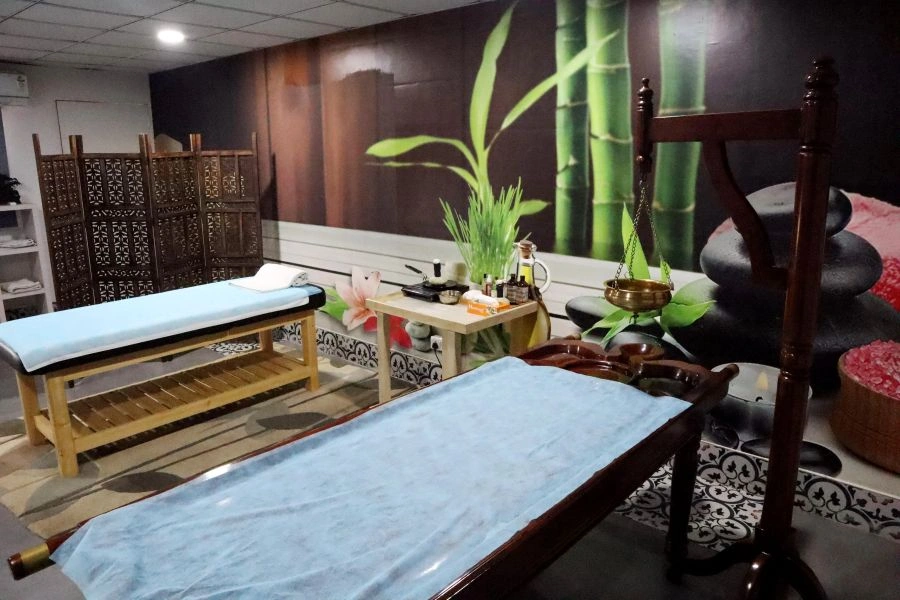
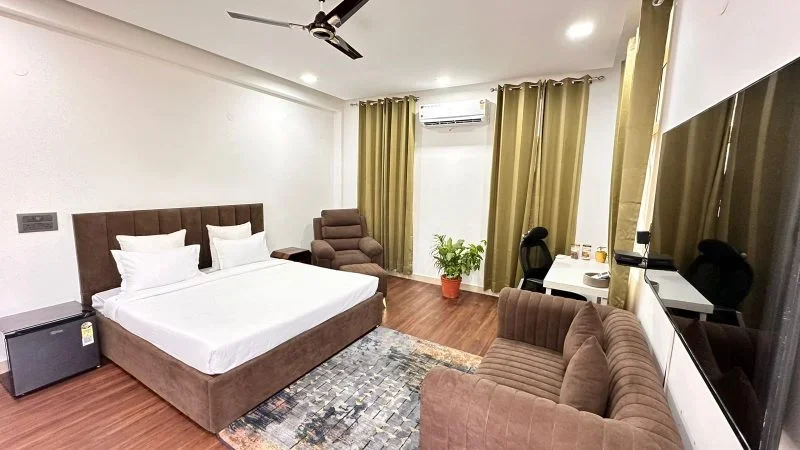
Take a Look Inside Our Delhi Facility






Conditions We Treat















.png)






What Our Patients Say
Frequently Asked Questions
The approach combining psychotherapeutic procedures, mainly CBT, and drug therapy, where necessary, will yield the best results. Effective recovery in the long term will depend not so much on the treatment itself but more on regularity and consistency over the period of several weeks or even months.
There is a possibility to go through evaluation, therapy sessions and other procedures through our online consultations. That will be quite convenient for people who have a difficult schedule or live far from Delhi.
Therapy alone, especially CBT combined with lifestyle changes, is often sufficient for many patients. Medication is introduced only when a psychiatric evaluation shows the symptoms are severe enough to require it, and even then, it's paired with ongoing therapy.
It depends on how serious their symptoms are and on how a particular person reacts to the initial consultations – some feel improvement in several weeks, while others need a longer and slower treatment course, and it does not mean that something went wrong with the treatment itself.
Hospitability is rare in cases of anxiety disorders and occurs in complicated and serious cases only. Almost all patients get successfully treated out-patiently and, if necessary, with the use of certain medicines.
We provide services on a 24/7 schedule, so in case of an emergency, we will arrange your visit to our facility within the day. The condition in which anxiety increases significantly over night or during stressful period often happens to people, that is why this is available for the patients.
At our facility, located in Delhi, Athena Behavioral Health implements a staggering system and special rooms for consultation so that patients wouldn't meet each other. It is designed for professionals and celebrities.
Make the preliminary call yourself in order to know what the first consultation with the specialist includes, and only then start convincing them to see the best psychiatrist in Delhi for anxiety. Usually, people become more ready to see a specialist if one of their trusted relatives had a consultation beforehand and explained to them the details of this visit.
Changing the lifestyle positively will have a great effect, but it won't be enough to cure a diagnosed anxiety disorder. It will help much better if used along with other kinds of therapy.
During the first consultation, the doctor listens to all the information concerning symptoms, physical complaints, and other illnesses of a person, and it usually lasts for about an hour.
How to reach Athena - Delhi
Athena Luxus, Delhi
Athena Luxus, South Delhi, New Delhi
Landmark: South Delhi
- South Delhi
- Central Delhi
- Gurugram border areas
- Noida border areas
Contact us: +919289086193
Speak to Our Care Team - 24×7 Confidential Support
Confidential help is just a call or chat away. Our team is ready to listen - without judgment, without pressure.
